

Explore the intricate world of sunflower leaves. Discover their lance-ovate, egg-shaped structure covered in stiff hairs. These leaves reach up to 30 cm in length, providing ample space for photosynthesis. Offering beauty and culinary flair, sunflower leaves enhance salads with a nutty flavor. Protect your crops by planting sunflowers to overshadow them and extend their growth period. Be vigilant for common pests like cutworms and slugs, and recognize signs of damage like holes and wilting. Learn to identify and treat diseases like powdery mildew. Uncover nutrient deficiencies that may affect your sunflower leaves. Unlock the secrets to vibrant, healthy sunflower foliage.
Sunflower Leaf Anatomy

The anatomy of sunflower leaves includes distinctive features such as their lance-ovate, egg-shaped, or heart-shaped structure, covered in short stiff hairs, and reaching lengths of up to 30 cm. These leaves serve a vital role in the life of the sunflower plant, providing a large surface area for photosynthesis, crucial for the plant’s growth and development. The leaves are arranged alternately on the stem and have a dull green upper surface, aiding in the absorption of sunlight.
Edible sunflower leaves are not only visually striking but also offer a unique blend of flavors. When consumed, they provide a pleasant combination of bitterness, nuttiness, and a hint of pepperiness. Due to their intriguing taste profile, sunflower leaves can be a versatile addition to various dishes. They can be enjoyed raw in salads to add a crunchy texture and a slightly bitter taste or cooked like greens by boiling, sautéing, or steaming, enhancing their flavors and making them more palatable for consumption.
Importance of Sunflower Leaves

Sunflower leaves play a crucial role in garden aesthetics, culinary exploration, and plant companionship due to their multifaceted importance. These versatile leaves not only provide shade, color, texture, and height to your garden, enhancing its visual appeal, but they also offer a unique flavor for culinary creativity and can act as companion plants to extend the life of cold crops.
| Sunflower Leaves | Importance |
|---|---|
| Aesthetics | Enhance garden beauty with their varied shapes, sizes, and vibrant colors. |
| Culinary Creativity | Add a distinctive bitter, nutty, and peppery flavor to salads and dishes. |
| Companion Plant | Protect cold crops by overshadowing them, extending their growing season. |
| Versatile Usage | Ideal for fresh consumption in salads or as cooked greens in various dishes. |
Incorporating sunflower leaves not only adds visual interest to your garden but also opens up a world of culinary possibilities and benefits for your other plants. Utilize the diverse characteristics of sunflower leaves to enhance your gardening experience and culinary creations.
Sunflower Leaf Growth Stages

As sunflower plants progress through their growth stages, the leaves undergo distinct transformations, each offering unique culinary and aesthetic properties. Young shoots of sunflower leaves emerge as delicate and sweet additions, perfect for raw consumption in salads and sandwiches. These early shoots provide a tender texture and a mild flavor that can enhance the freshness of dishes. As the leaves mature into tender ones on soft stalks, they retain their edibility and can be enjoyed raw in salads. At this stage, you have the option to keep the veins intact for added crunch or remove the center vein for a softer taste. Finally, large adult sunflower leaves are best utilized in cooked dishes. Boiling, sautéing, or steaming these mature leaves can help tenderize them, as they toughen and require longer cooking times as they reach full maturity. Embrace the versatility of sunflower leaves as they progress through these growth stages, offering a range of culinary possibilities to explore.
Common Sunflower Leaf Pests
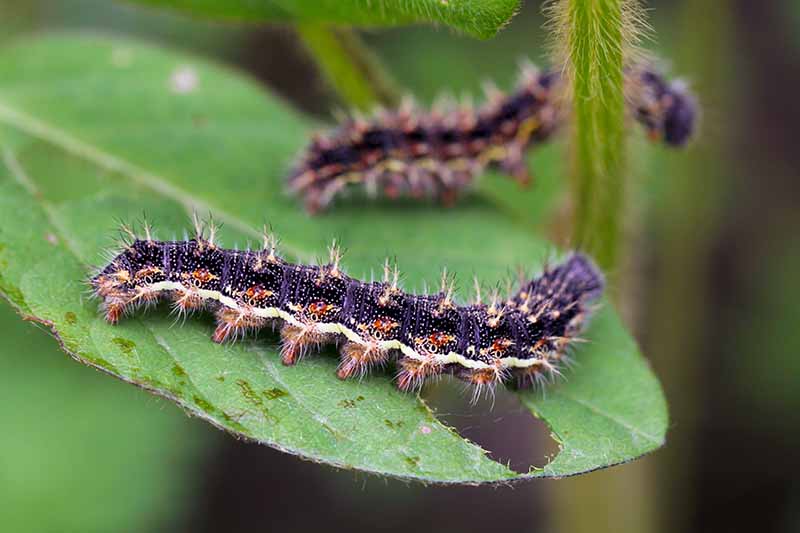
Common pests that frequently target sunflower leaves include cutworms and slugs. Cutworms, which are active at night, reside in the soil and can cause significant damage by feeding on sunflower plants. To deter cutworms, utilizing chicken grit gravel around sunflowers can be an effective strategy. Slugs are another common culprit known to feed on sunflower leaves during the night, leading to visible harm on the plants. One method to prevent slug damage is by scattering eggshells around the sunflowers, acting as a deterrent. Additionally, creating physical barriers using Dixie cups with the bottom removed can safeguard sunflower seedlings from cutworms. By understanding the behaviors and preferences of these pests, you can take proactive measures to protect your sunflower leaves and ensure the health of your plants.
Signs of Sunflower Leaf Damage
Indications of damage to sunflower leaves typically manifest as distinct visual cues that may include holes, tears, discoloration, or wilting. In North America, where sunflowers commonly bloom, common pests such as cutworms, slugs, and snails are often the culprits behind these damages. Cutworms are known for creating irregular holes in leaves, while slugs and snails leave behind a slimy trail and irregularly shaped chew marks. Discoloration on sunflower leaves can be a sign of various issues, including pest infestations or nutrient deficiencies. Wilting, often caused by pests interfering with the plant’s vascular system, can hinder photosynthesis and overall plant health. Identifying the specific pest responsible for the leaf damage is crucial for determining the appropriate treatment method. Prompt action is essential to prevent extensive damage and promote sunflower leaf recovery. By closely monitoring your sunflower plants and addressing any signs of damage promptly, you can help ensure healthy and vibrant blooms.

Preventing Sunflower Leaf Damage
Prevention of damage to sunflower leaves involves implementing strategic measures to deter common pests and safeguard the plant’s foliage integrity. To protect your entire sunflower, consider the following preventive actions:
- Chicken Grit Gravel: Place chicken grit gravel around the base of the sunflower plant to act as a deterrent against cutworms, nocturnal pests that can damage sunflower leaves.
- Diatomaceous Earth or Sand: Sprinkle diatomaceous earth, sand, or small gravel around the sunflower to prevent slug damage, as these materials create barriers that slugs are reluctant to cross.
- Beer Traps: Set up saucers of beer near the sunflower plant to attract and trap slugs, controlling their population and reducing the likelihood of leaf damage.
- Eggshell Barrier: Scatter crushed eggshells around the sunflower as a natural deterrent against slugs, helping to protect the leaves from potential harm.
Organic Pest Control Methods

Utilizing organic pest control methods can effectively deter common pests and safeguard sunflower leaves from damage. When dealing with pests like cutworms and slugs, incorporating natural solutions into your gardening routine can be beneficial. Consider using diatomaceous earth, sand, or small gravel as barriers around sunflower plants to deter slugs. Additionally, setting up saucers filled with beer strategically can help trap and control slug populations in your garden. Another method is to insert sticks or popsicle sticks near plants to act as physical barriers against cutworms. Furthermore, sprinkling crushed eggshells around sunflower plants can create a barrier that slugs prefer not to cross. These methods offer a natural and environmentally friendly approach to pest control, ensuring your sunflower site is protected without harsh chemicals.
| Organic Pest Control Methods | Benefits | How to Implement |
|---|---|---|
| Diatomaceous Earth | Deters pests like cutworms and slugs | Apply around plants, reapply when dry |
| Beer Saucers | Traps and controls slug populations | Place strategically in the garden |
| Eggshell Barrier | Deters slugs from crossing | Sprinkle crushed eggshells around plants |
Chemical Pest Control Options
Chemical pest control options for safeguarding sunflower leaves against common pests like slugs and cutworms include utilizing diatomaceous earth, sand, small gravel, and saucers of beer as deterrents. Eggshells can also be effective in deterring slugs by sprinkling them around sunflower plants. Additionally, inserting sticks or popsicle sticks next to sunflower plants can help deter cutworms. However, it’s important to note that products like Corrys, a ferric sodium EDTA solution, may not provide complete protection against snails. On the other hand, Sluggo, a snail/slug bait, has shown effectiveness in controlling slug populations and safeguarding sunflower plants.
- Diatomaceous earth
- Sand
- Small gravel
- Saucers of beer
These chemical pest control options can be considered alongside natural alternatives for a comprehensive integrated management approach. DIY solutions like using eggshells or sticks can further enhance the protection of sunflower leaves against pests, contributing to an effective pest control strategy.
Sunflower Leaf Diseases
Sunflower leaf diseases encompass various fungal and bacterial infections that can impact the health and vitality of sunflower plants. Common diseases include powdery mildew, downy mildew, rust, leaf spot, and bacterial leaf blight. Powdery mildew manifests as white powdery spots, downy mildew causes yellow patches with fuzzy growth underneath, rust disease appears as orange or brown spots, leaf spot results in dark lesions, and bacterial leaf blight leads to wilting with dark streaks.
Disease prevention is crucial in managing sunflower leaf diseases. Proper plant spacing, ensuring adequate air circulation, and applying fungicidal sprays can help prevent these diseases. Fungal treatments are essential in controlling infections; timely application of fungicides can help manage fungal growth effectively. Leaf disease management involves regularly inspecting sunflower leaves for signs of infection, maintaining good garden hygiene, and promptly removing infected plants to prevent the spread of diseases. By implementing these strategies, you can effectively protect your sunflowers from debilitating leaf diseases.

Symptoms of Leaf Diseases
Identifying the symptoms of leaf diseases in sunflowers is crucial for effective management and prevention strategies. Early detection and a quick response are key to preserving the health of your sunflower plants. Understanding plant immunity and considering environmental factors that contribute to disease susceptibility can aid in preventing severe leaf diseases. Some common symptoms of leaf diseases in sunflowers include:
- Yellowing of leaves: Chlorosis or yellowing of the leaves can indicate nutrient deficiencies or fungal infections.
- Wilting and browning: Wilting and browning of leaves may suggest bacterial diseases like bacterial leaf spot or blight.
- Curling of leaves: Curling of leaves can be a sign of viral infections or environmental stress.
- Discoloration and spots: Spots, blights, rusts, or mildews on sunflower leaves are often caused by fungal pathogens like downy mildew and powdery mildew.
Treating Sunflower Leaf Diseases
Understanding the various treatment options available for sunflower leaf diseases is essential for effectively managing and mitigating the impact of these pathogens on your plants. Disease management strategies for sunflower leaf diseases typically involve a combination of cultural practices and chemical control methods. Cultural practices such as proper sanitation, ensuring adequate air circulation, and planting resistant sunflower varieties play a crucial role in preventing the onset and spread of leaf diseases.
When it comes to leaf treatment options, fungicides are commonly used to combat fungal infections such as rust, powdery mildew, and downy mildew. These chemicals help control the spread of the disease and protect healthy foliage. Additionally, implementing effective control measures like timely watering to avoid excess moisture on the leaves, removing and destroying infected plant debris, and practicing crop rotation can further aid in managing sunflower leaf diseases. By combining these strategies, you can effectively treat and control sunflower leaf diseases, preserving the health and vitality of your plants.

Nutrient Deficiencies in Sunflower Leaves
Nutrient deficiencies in sunflower leaves can exhibit various symptoms such as discoloration, yellowing, or browning of the foliage. Common deficiencies include nitrogen, phosphorus, potassium, magnesium, and iron. Nitrogen deficiency results in pale yellow leaves, phosphorus deficiency causes purplish discoloration, potassium deficiency leads to yellowing along leaf margins, magnesium deficiency shows as interveinal chlorosis, and iron deficiency causes yellowing between veins.
To manage nutrient deficiencies, proper soil testing techniques are crucial. Fertilization strategies should be adjusted based on the soil nutrient content to prevent deficiencies. Identifying deficiency symptoms early on is key to correcting nutrient imbalances effectively. Sunflower leaf care techniques, such as ensuring adequate nutrient levels through fertilization and soil amendments, play a vital role in maintaining sunflower leaf health and preventing nutrient deficiencies. Proper management of nutrient deficiencies is essential for vibrant and healthy sunflower plants.
Leaf Yellowing and Browning

Leaf yellowing and browning in sunflowers can be attributed to various factors such as nutrient deficiencies, overwatering, diseases, pests, or environmental stressors. Nutrient deficiencies like nitrogen, iron, or magnesium can lead to yellowing leaves in sunflowers. Ensure the soil pH is adequate as it affects nutrient availability to the plant. Overwatering can cause root rot, impacting the plant’s ability to uptake nutrients and resulting in yellowing and browning of sunflower leaves. Pay attention to watering frequency to maintain leaf health. Diseases such as downy mildew, powdery mildew, or rust can also lead to yellowing and browning. Monitor for signs of these diseases regularly. Additionally, pests like aphids, spider mites, or caterpillars can damage sunflower leaves, causing discoloration. Be mindful of sun exposure as excessive sunlight can lead to leaf discoloration. It is crucial to identify and address these factors promptly to maintain the health of sunflower leaves.
Tips for Healthy Sunflower Leaves
To maintain healthy sunflower leaves, ensure they exhibit a vibrant green coloration without any signs of wilting, discoloration, or pest damage. Here are some tips to help you achieve thriving sunflower leaves:
- Watering techniques: Sunflowers require regular watering, especially during dry spells, to keep their leaves hydrated and lush. Avoid overwatering, as it can lead to root rot and adversely affect leaf health.
- Sunlight requirements: Sunflowers are sun-loving plants that thrive in full sunlight. Ensure your sunflowers receive at least 6-8 hours of direct sunlight daily to promote healthy leaf growth and overall plant vigor.
- Pruning benefits: Regularly pruning dead, damaged, or yellowing leaves not only improves the appearance of your sunflower plant but also encourages the growth of new, healthy foliage. Pruning also helps improve air circulation around the leaves, reducing the risk of fungal diseases.