

Dogs do not naturally like plants since many can be toxic, causing harm. It’s crucial to be aware of toxic plants like Sago Palms, Azaleas, and Oleander, which can lead to serious health issues. Watch for symptoms such as vomiting, diarrhea, and seizures, signaling poisoning. Immediate veterinary care is vital if ingestion occurs. To keep your pet safe, dog-proof your space, know harmful plants, and provide safe alternatives. Educating yourself is key to creating a pet-friendly environment. Understanding plant toxicity, treatment, and prevention can safeguard your dog’s well-being and health.
Toxic Plants for Dogs

Dogs are particularly vulnerable to toxicity from various plants commonly found in households and gardens. Some common plants like Sago Palm, Azaleas, and Oleander can be poisonous to dogs if ingested. Ingesting these toxic plants can lead to symptoms such as vomiting, diarrhea, drooling, and in severe cases, can result in organ failure. It is crucial to seek immediate veterinary care if you suspect your dog has consumed a toxic plant to prevent further complications and potentially fatal outcomes.
Prevention is key when it comes to protecting your furry friend from toxic plant ingestion. Knowing which plants are toxic to dogs, dog-proofing your environment by keeping these plants out of reach, and providing safe alternatives for chewing can help mitigate the risk of accidental poisoning. Educating yourself about toxic plants and their effects on dogs is essential for creating a safe and pet-friendly living space. Remember, quick action and awareness can make a significant difference in your dog’s health and well-being.
Symptoms of Poisoning

You should be aware of the symptoms of poisoning in dogs from toxic plants, which may include vomiting, diarrhea, drooling, lethargy, and seizures. If you notice any of these signs, it is crucial to seek immediate veterinary attention to ensure prompt treatment. Recognizing these symptoms early on can greatly impact the outcome and help prevent severe issues like heart failure or organ damage in your dog.
Recognizing Toxic Symptoms
Recognizing toxic symptoms in your canine companion is crucial for ensuring timely intervention and proper treatment in cases of plant poisoning. When it comes to identifying toxicity symptoms in dogs, it is essential to be vigilant for a range of signs that may indicate plant poisoning. These can vary from mild gastrointestinal issues to severe symptoms affecting various organ systems. Below is a table outlining common symptoms of plant poisoning in dogs:
| Type of Symptoms | Description |
|---|---|
| Gastrointestinal Symptoms | Vomiting, diarrhea, drooling, abdominal pain |
| Neurological Symptoms | Seizures, tremors, disorientation |
| Unusual Behaviors | Lethargy, weakness, excessive drooling |
If you observe any of these poisoning symptoms or notice unusual behaviors in your dog after potential plant ingestion, it is crucial to seek immediate veterinary care. Remember, early recognition of toxic symptoms can make a significant difference in your dog’s recovery and overall well-being.
Immediate Treatment Steps

In cases of plant poisoning in dogs, prompt and appropriate treatment is essential to address the symptoms and prevent further complications. If your furry friend displays symptoms of poisoning after ingesting a toxic plant, it is crucial to act swiftly. Here are some immediate treatment steps to consider:
- Recognize Symptoms: Look out for signs such as vomiting, diarrhea, drooling, lethargy, seizures, abdominal pain, weakness, tremors, or irregular heartbeats. Identifying these symptoms promptly can aid in quick intervention.
- Seek Veterinary Attention: Contact your veterinarian or a poison control center immediately if you suspect your dog has been poisoned by a toxic plant. Professional advice and guidance are crucial in determining the next steps for proper treatment.
- Avoid DIY Remedies: Refrain from inducing vomiting without professional guidance. Follow the instructions provided by your veterinarian or poison control center carefully to ensure appropriate and effective treatment for your pet’s well-being.
Treatment Options

Effective treatment options for plant poisoning in dogs typically involve inducing vomiting, administering activated charcoal, and providing intravenous fluids promptly. Inducing vomiting helps expel any remaining plant material from the dog’s stomach, reducing further toxin absorption. Activated charcoal, when given soon after ingestion, can bind to the toxins, preventing them from entering the bloodstream. This can significantly reduce the severity of poisoning. Intravenous fluids are essential for flushing out toxins, maintaining hydration, and supporting organ function during the recovery process.
Immediate veterinary care is crucial for managing plant poisoning in dogs effectively. Upon suspecting plant ingestion, contact your veterinarian immediately for guidance. They may recommend steps to take before arriving for treatment. Prompt action can make a significant difference in the outcome for your furry friend. Remember, when it comes to plant poisoning, time is of the essence. Trust your veterinarian’s expertise in providing the best care for your dog in such situations.
Pet-Proofing Your Home

Ensure your furry friend’s safety by pet-proofing your home against plant poisoning risks. Discover safe houseplants for pets and implement preventative measures to keep toxic plants out of reach. By taking these precautions, you can create a secure environment that promotes your dog’s well-being.
Safe Houseplants for Pets
To create a safe environment for your pets, carefully select houseplants that are non-toxic and pet-friendly. Consider the following tips to pet-proof your home with safe houseplants:
- Choose Safe Houseplants: Opt for pet-friendly alternatives like African Violets, Spider Plants, and Boston Ferns to prevent accidental poisoning in your furry friends. These plants are safe for pets and add a touch of greenery to your space.
- Placement is Key: Place plants out of reach of your pets or use hanging planters to deter them from chewing on potentially harmful foliage. This simple step can help create a pet-safe environment within your home.
- Regular Inspection: Regularly inspect your houseplants for signs of nibbling or damage. Promptly remove any toxic plants like Sago Palm, Oleander, or Pothos to ensure your pet’s safety. By being proactive, you can enjoy a beautiful indoor garden while keeping your pets out of harm’s way.
Plant Poisoning Prevention
When pet-proofing your home to prevent plant poisoning, removing toxic plants like lilies, azaleas, and sago palms is crucial for your dog’s safety. These plants can cause serious harm if ingested, so it’s essential to create a safe environment by eliminating them or placing them out of reach. Using barriers such as baby gates or elevated shelves can also help prevent your dog from accessing toxic plants.
Educate yourself about common harmful plants and their effects on dogs to effectively pet-proof your home. Regularly inspect both indoor and outdoor spaces for any new plants that could pose a threat to your furry friend. Consider replacing toxic plants with safe alternatives like sunflowers or blueberries, which can still add beauty to your living spaces without endangering your pet.
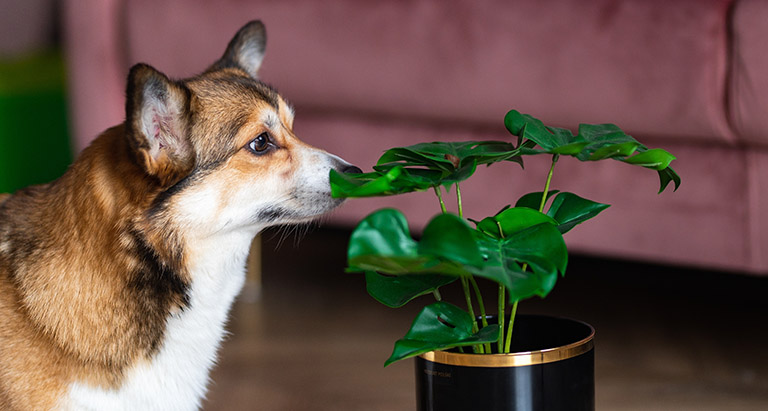
Identifying Harmful Plants
Identify harmful plants by familiarizing yourself with common toxic species that can pose a danger to your dog’s health. Here are three common toxic plants you should be aware of:
- Sago Palm: The seeds of the Sago Palm are highly toxic to dogs and can lead to severe health issues if ingested. Keep these plants out of reach to prevent accidental consumption by your furry friend.
- Lilies: Varieties like Daylilies and Easter Lilies are poisonous to dogs and can be especially dangerous, potentially causing kidney failure. Be cautious with these flowers around your pets.
- Oleander: Often found in gardens, Oleander is highly toxic to dogs and can result in serious complications if ingested. It’s crucial to recognize and remove these plants from your surroundings to safeguard your dog’s well-being.
Preventive Measures
Implementing proactive measures to safeguard your dog from potential plant poisoning incidents is crucial for maintaining their well-being. Pet-proofing your home and outdoor spaces is the first step towards creating a safe environment for your furry friend. This includes identifying and removing toxic plants, utilizing physical barriers like fences or elevated plant stands, and educating yourself about common toxic plants to prevent accidental ingestion.
Regularly inspecting your surroundings for new plants that may pose a threat to your dog is essential in preventing plant poisoning. By being aware of safe plant alternatives such as sunflowers, blueberries, and non-toxic flowers, you can create a dog-friendly environment without compromising on aesthetics.
Immediate Veterinary Care

For dogs who have ingested toxic plants, immediate veterinary care is imperative to prevent severe health complications and enhance their chances of recovery. When dealing with plant poisoning in dogs, swift action is key to mitigating the harmful effects. Here are three crucial steps to take for immediate veterinary care:
- Contact a Veterinarian: Get in touch with a veterinarian as soon as you suspect your dog has ingested a toxic plant. They can provide guidance on the next steps to take for proper treatment.
- Seek Professional Advice: Consulting with a veterinarian or a poison control center is essential for accurate diagnosis and tailored treatment for plant poisoning in dogs. They can recommend specific interventions based on the type of plant ingested.
- Act Promptly: Delaying veterinary care can exacerbate the impact of plant toxicity on your dog. Acting quickly can significantly improve their prognosis and chances of a successful recovery.