

When your potato plant’s foliage turns yellow and starts dying, typically 2-3 weeks post-withering, it signifies the readiness to harvest. This period ensures optimal flavor, texture, and skin thickness suitable for storage, resulting in tastier spuds. Remember, the proper timing guarantees mature potatoes ideal for different culinary uses.
Signs of Potato Maturity
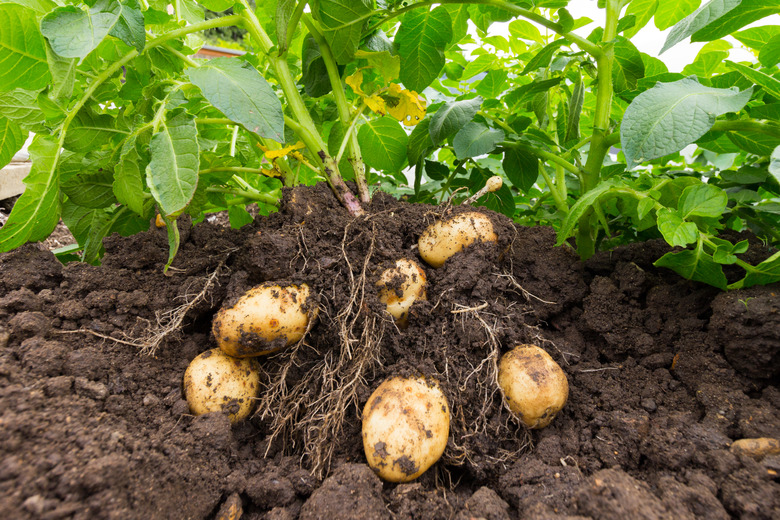
To determine the readiness of your potatoes for harvest, observe the yellowing and dying foliage as a crucial indicator of maturity. As the growing season progresses, potato plants undergo natural changes that signal the development of mature potatoes. When the foliage has died back, it is a clear indication that the potatoes beneath the soil have reached maturity and are ready to be harvested. This process typically occurs around 2-3 weeks after the foliage starts to wither.
Monitoring the state of the potato plants is essential in ensuring that you harvest mature potatoes at the right time. The yellowing and dying of the foliage indicate that the plant has diverted its energy towards tuber development, resulting in the formation of fully grown, mature potatoes underground. By paying close attention to these signs during the growing season, you can time your harvest appropriately to yield optimal results in terms of flavor and texture.
Monitoring Skin Thickness
When evaluating the readiness of potatoes for harvest, a key aspect to consider is monitoring the thickness of the skin. To assess this, gently rub the potato skin; mature potatoes will have tough, non-removable skins. Skin thickness is a crucial indicator of readiness for harvest as thin skins are not suitable for storage. Proper skin thickness not only ensures a longer shelf life but also enhances the flavor of the potatoes. Thick skins play a significant role in protecting the potatoes from damage and rot during storage, making them crucial for post-harvest quality maintenance.

Reducing Watering Post-Flowering
Monitoring skin thickness is crucial for assessing potato readiness for harvest; now, focus shifts to reducing watering post-flowering to optimize tuber development. It is recommended to reduce watering around 2-3 weeks after the potato plants have flowered. This period is critical as it allows the tubers to toughen up, leading to optimal maturity. One key indicator that it’s time to stop watering post-flowering is the yellowing of leaves. This sign signals that the plant is directing its energy towards tuber development rather than foliage growth. Water stress during this stage can negatively impact tuber formation, potentially affecting the overall quality of the harvest. Overwatering post-flowering should be avoided as it can result in issues such as rotting or the production of poor-quality potatoes. Proper moisture management is essential for promoting healthy potato tuber development and ensuring a successful harvest. By reducing watering at the appropriate time, you can support the potatoes in reaching their full potential.
Importance of Careful Digging
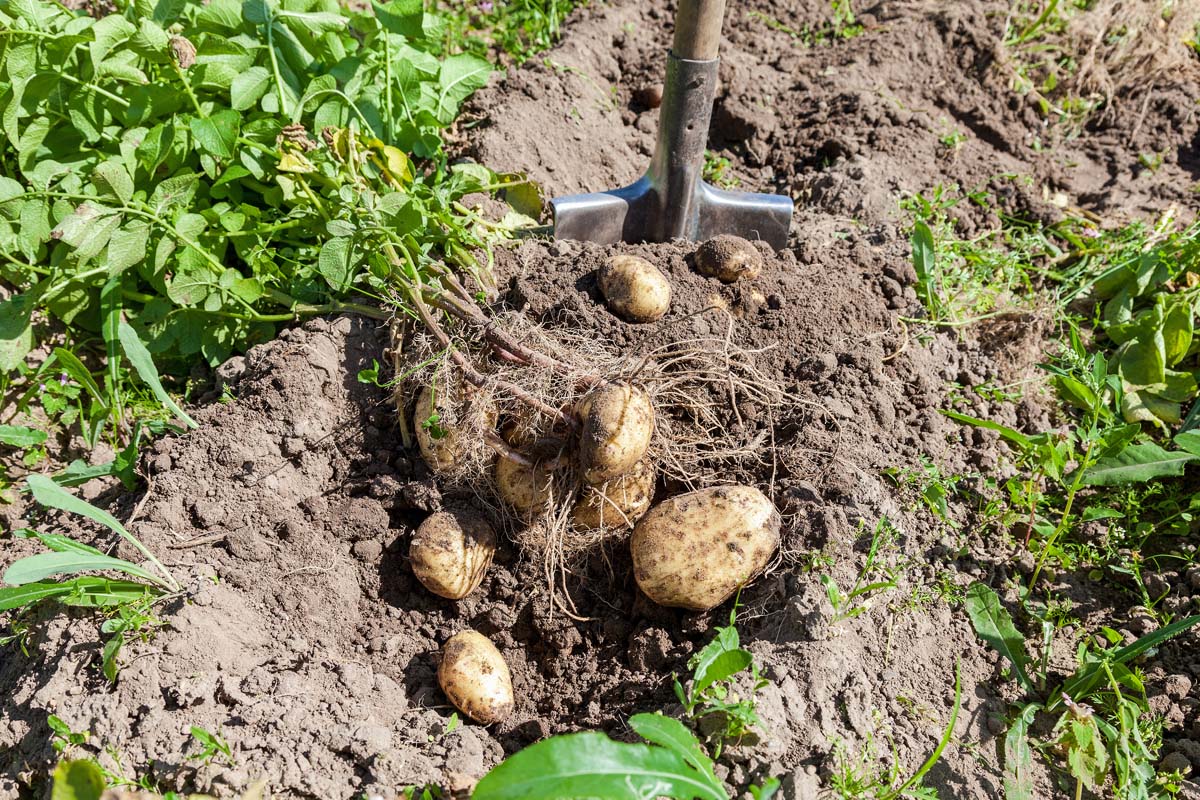
Careful excavation around potato plants is crucial for preserving the integrity of the tubers during the harvest process. When digging up your potatoes, it is recommended to use a garden fork positioned 6-12 inches away from the plant’s perimeter. This distance minimizes the risk of accidentally cutting or piercing the potatoes with the fork tines. After loosening the soil with the fork, gently sift through the soil to ensure all potatoes are collected without leaving any behind.
Preventing Rot During Storage
To prevent rot during storage, it is important to follow specific post-harvest handling techniques for your freshly dug potatoes. After harvesting, cure the potatoes at 45-60°F for two weeks to harden the skins, which helps prevent rot. Brush off soil from the potatoes instead of washing them immediately to avoid introducing excess moisture, which can lead to rot. Store the harvested potatoes in a cool and dark place to prevent greening and extend their shelf life. Additionally, covering the stored potatoes with soil can shield them from sunlight exposure, which is crucial in preventing greening and spoilage.
| Post-Harvest Handling Techniques |
|---|
| Curing at 45-60°F for two weeks |
| Brushing off soil, avoiding washing |
| Storing in a cool and dark place |
Avoiding Sun Exposure
Proper storage techniques are essential in avoiding sun exposure and the subsequent greening of harvested potatoes. To ensure your potatoes remain fresh and safe for consumption, follow these guidelines:
- Store Potatoes: Keep harvested potatoes in a cool, dark place to prevent exposure to sunlight, which can lead to greening.
- Green Potatoes: Green potatoes indicate the presence of solanine, a toxic compound that can cause bitterness and health issues if consumed in large amounts.
- Contain Solanine: The toxic solanine found in green potatoes can be harmful to human health and should be avoided by proper storage practices.
- Avoiding Sun Exposure: Protect your potatoes from direct sunlight by storing them in a well-ventilated area away from light sources to prevent greening and the development of solanine.
Preventing Greening
Storing harvested potatoes in a cool, dark environment is crucial for preventing greening caused by exposure to sunlight. Green potatoes are a concern due to the presence of toxic solanine, making them unsuitable for consumption. When harvesting potatoes for storage, it is essential to handle them carefully to prevent physical damage that can lead to greening.
Proper storage conditions play a significant role in maintaining the quality of harvested potatoes. Ensure that the storage area is dark, as even brief exposure to light can trigger greening. Additionally, maintaining a cool temperature around 45-50°F (7-10°C) is ideal for long-term storage, as higher temperatures can accelerate sprouting and decay processes.

Storing in Cool, Dark Place
For optimal preservation, ensure that harvested potatoes are placed in a cool, dark environment with temperatures maintained around 38-40 degrees Fahrenheit. Storing potatoes in such conditions helps in prolonging their storage life and maintaining quality. Here are some key points to consider:
- Temperature Control: Keep the storage area cool to prevent sprouting and maintain the potatoes’ freshness.
- Dark Environment: Store the potatoes away from direct light to avoid greening and the production of solanine.
- Ventilation: Ensure good air circulation to prevent moisture buildup, which can lead to rotting.
- Regular Inspection: Check stored potatoes periodically for any signs of sprouting, rot, or damage to remove any spoiled ones and maintain the quality of the rest.
Harvesting New Potatoes

When harvesting new potatoes, carefully dig around the plant edges to locate the small, tender tubers about 4-6 inches deep in the soil. New potatoes are typically ready to harvest 2-3 weeks after the plants have flowered. Gently loosen the soil to avoid damaging the potatoes while digging. Once you’ve located the new potatoes, gently lift them out of the ground. Be sure to handle them carefully as they are delicate compared to mature potatoes.
After harvesting, it’s important to store new potatoes properly to maintain their freshness. Store them in a dark, cool place to prevent sprouting and maintain their flavor. New potatoes are best enjoyed soon after harvesting, so try to consume them within a few days for the best taste and texture.
If you find smaller new potatoes during the harvest, you can consider gently replanting them for additional growth. This can extend your potato harvest and provide you with more fresh produce.
Protection From Frost
To safeguard your potato crop from potential damage, it is important to protect the plants from frost as it can significantly impact the quality and storage ability of the potatoes. Here are some important steps to ensure your potato plants are shielded from frost:
- Harvest Before Frost: Timing is crucial. Make sure to harvest your potatoes before the first frost date in your region to avoid exposure to freezing temperatures.
- Monitor Weather Forecasts: Stay updated on weather forecasts to plan the optimal time for harvesting. Be prepared to gather your potatoes if a hard frost is predicted.
- Protect Potato Plants: Use mulch or row covers to shield the plants from frost. These protective measures can help maintain the quality of your potato crop.
- Prevent Frost Damage: Frost can cause potatoes to develop rot, affecting their taste and texture. Harvesting before the threat of frost ensures a successful harvest with high-quality potatoes.
Maximizing Plant Yield
To maximize the plant yield of your potato crop efficiently, consider implementing strategic methods like adding soil for tuber formation and maintaining consistent moisture levels. Adding soil around the base of potato plants promotes tuber development by providing more space and nutrients for the growing tubers. This simple technique can significantly increase the number and size of potatoes at harvest time.
Consistent moisture levels are essential for the overall health and productivity of potato plants. Adequate watering ensures that the plants can efficiently photosynthesize, resulting in better tuber formation and ultimately a higher yield. Be mindful of the moisture content in the soil, as both underwatering and overwatering can adversely affect the plant yield.
Avoid pruning potato plants, as the foliage plays a crucial role in the plant’s ability to produce tubers. More foliage leads to increased photosynthesis, which in turn supports the growth of more tubers. By maintaining a healthy plant with abundant foliage, you are setting the stage for a bountiful harvest. Adjust your care practices based on the health of your potato plants to maximize their yield potential and ensure a successful harvest.