

Deer do eat sunflowers, attracted by their high nutrient content and delectable taste. Sunflower seeds offer essential proteins and fats, promoting deer health through varied nutrition. Their selective feeding behavior shows a preference for sunflowers, impacting growth. This affinity can pose challenges for sunflower farmers, requiring deterrents like lavender sprays or ultrasonic devices. Late-season grazing may hinder sunflower regrowth, affecting the plant’s recovery capacity. Understanding deer-sunflower interactions and employing strategic methods can help manage their impact on sunflowers.
Deer Feeding Behavior on Sunflowers
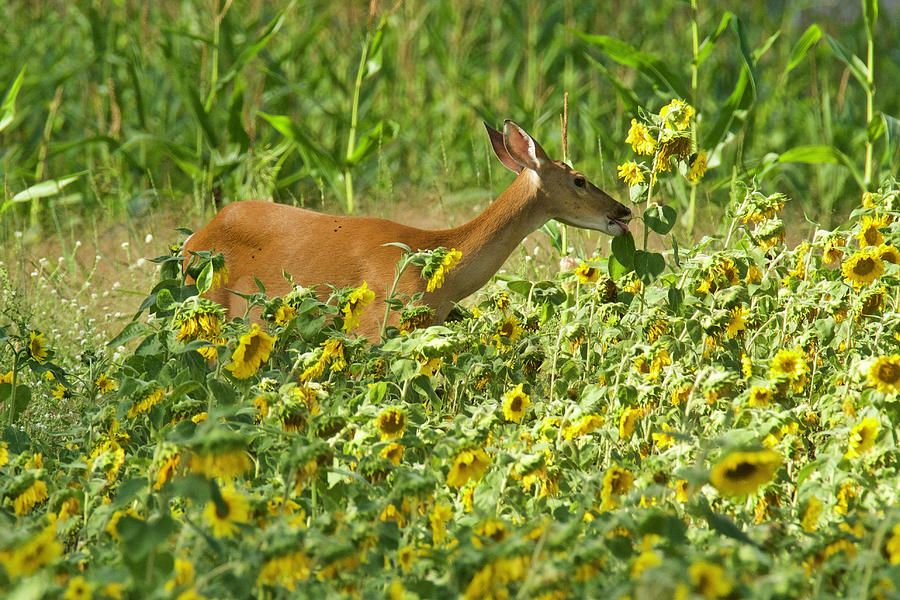
Deer exhibit a preference for consuming sunflower seeds, showcasing their diverse feeding behavior. When sunflower seeds are left in feeders, deer are quick to take advantage of this food source, adding variety to their diet. This behavior is not exclusive to deer, as turkeys are also attracted to sunflower seeds, making them a popular wildlife food source. Interestingly, observations have shown that deer will even nibble on sprouting sunflowers in gardens, demonstrating their interest in this particular plant.
Sunflower seeds provide essential nutrients for deer and can be mixed with corn in feeders to create a balanced diet. Being a natural food source for deer, sunflowers contribute to their varied dietary preferences. This behavior highlights the adaptability of deer in finding food sources and their ability to incorporate different food items into their diets. Ultimately, the consumption of sunflower seeds by deer plays a significant role in sustaining their nutritional needs and dietary diversity.
Nutritional Benefits of Sunflowers for Deer
Sunflower seeds, being rich in essential nutrients, offer significant nutritional benefits to the diet of deer. These seeds are packed with protein, a crucial component for deer growth and development. Additionally, sunflower seeds provide essential fats that help deer maintain a healthy coat and store energy for harsh winters. By incorporating sunflower seeds into their diet, deer can diversify their nutrient intake, leading to overall better health. The nutritional value of sunflower seeds not only benefits individual deer but can also contribute to the well-being of the entire deer population in an area. Wildlife managers often recommend providing sunflower seeds as a supplemental feeding option to enhance deer nutrition, especially during times of food scarcity or when additional nutrients are needed. Including sunflower seeds in feeding options can significantly improve the overall health and vitality of deer, making it a valuable addition to their diet.
Deer Attraction to Sunflower Seeds
Due to their rich nutritional content and appealing flavor, sunflower seeds serve as a highly attractive food source for wildlife, including deer. The nutritional benefits and taste of sunflower seeds attract deer, making them a valuable food source in various habitats. Observations have shown that deer are drawn to sunflower seeds left in feeders, often sharing this food with other wildlife like turkeys. By providing sunflower seeds, individuals can not only attract deer but also diversify their diet, leading to enhanced nutrition for these animals. The appeal of sunflower seeds to deer is evident in their readiness to consume them when available. This attraction highlights the importance of considering sunflower seeds as a food source when aiming to support wildlife, particularly deer, in their natural habitats. The widespread acceptance of sunflower seeds by deer underscores their significance as a preferred food choice for these animals.
Sunflowers as a Deer Food Source
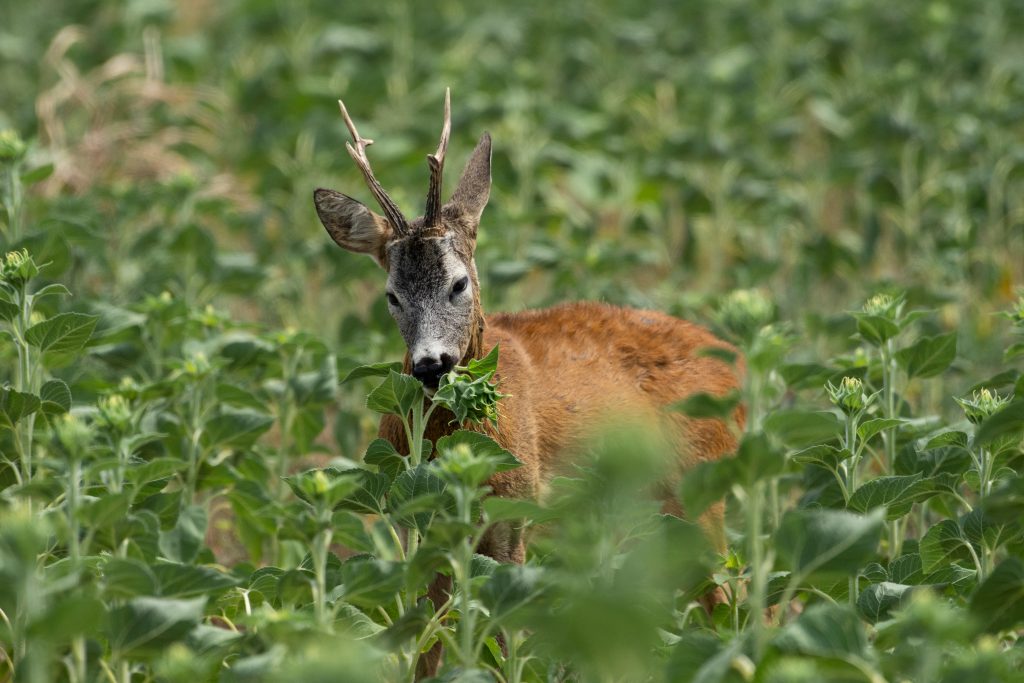
The consumption of sunflowers by wildlife, particularly deer, serves as a notable aspect of their dietary preferences. Sunflower seeds are a valuable food source for deer, offering variety and flavor to their diet. These seeds are highly attractive to deer and can be strategically used to draw them in. Additionally, turkeys are also drawn to sunflower seeds, further highlighting their appeal to wildlife. Below is a table illustrating the significance of sunflowers as a food source for deer:
| Sunflowers as a Deer Food Source | |
|---|---|
| Key Points | Description |
| Deer Consumption | Deer readily consume sunflower seeds as food sources. |
| Feeder Attraction | Sunflower seeds can be added to feeders to attract deer. |
| Wildlife Appeal | Sunflowers are also appealing to turkeys, expanding their attractiveness to wildlife. |
| Dietary Variety | Sunflower seeds provide flavor and variety to the deer’s diet. |
| Consumption Patterns | Deer actively seek out and consume sunflower seeds, showcasing their interest in this food source. |
Impact of Deer Consumption on Sunflowers
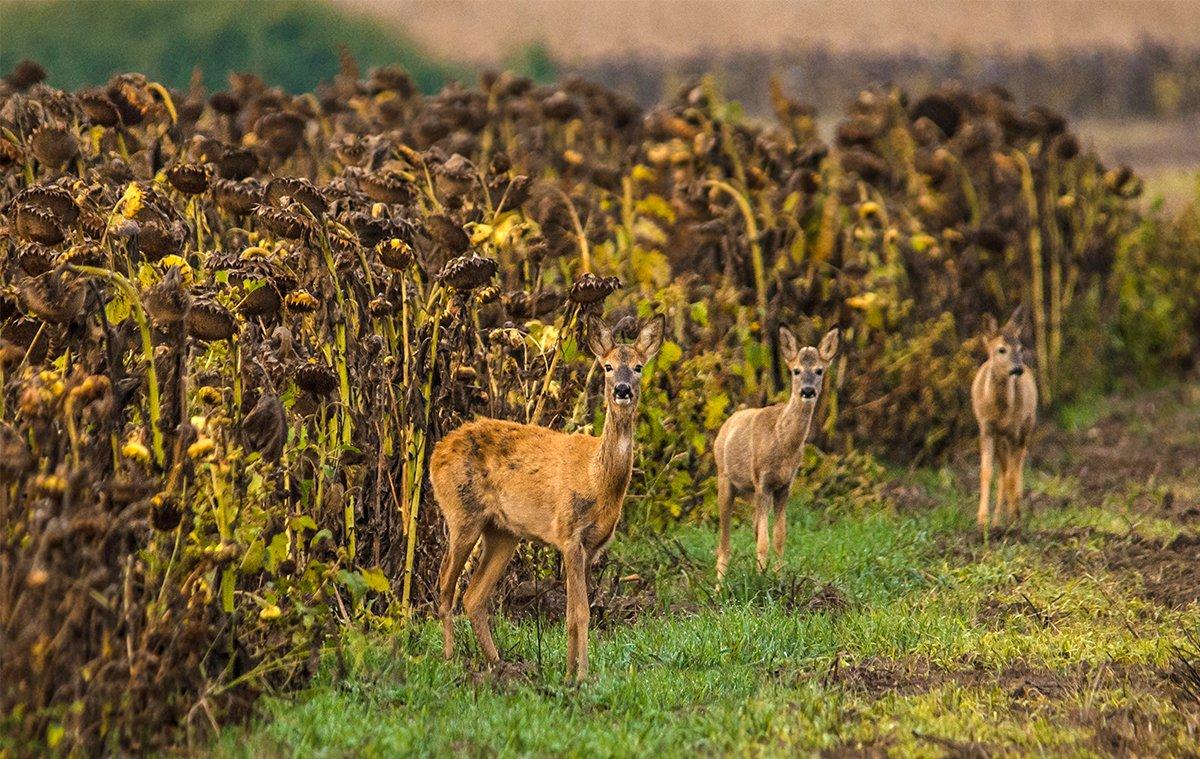
Deer consumption of sunflowers can have detrimental effects on the growth and integrity of the plants, impacting both agricultural productivity and economic sustainability. When deer feed on sunflowers, they can cause significant harm that goes beyond just a meal. Here are some key observations regarding the impact of deer consumption on sunflowers:
- Stunted Growth: Deer consumption can stunt the growth of sunflowers, hindering their development and potentially reducing yield.
- Selective Feeding: Deer show a preference for sunflowers that are not fully bloomed, targeting them over other plants in the field.
- Economic Losses: Farmers can suffer economic losses when deer damage sunflowers, affecting their overall profitability.
- Trampling Effects: In addition to consuming the plants, deer trampling in sunflower fields can lead to further damage, compounding the negative impact.
- Population Concerns: Overpopulation of deer presents a significant problem for sunflower farmers, exacerbating the challenges they face in protecting their crops.
Preventing Deer Damage to Sunflowers
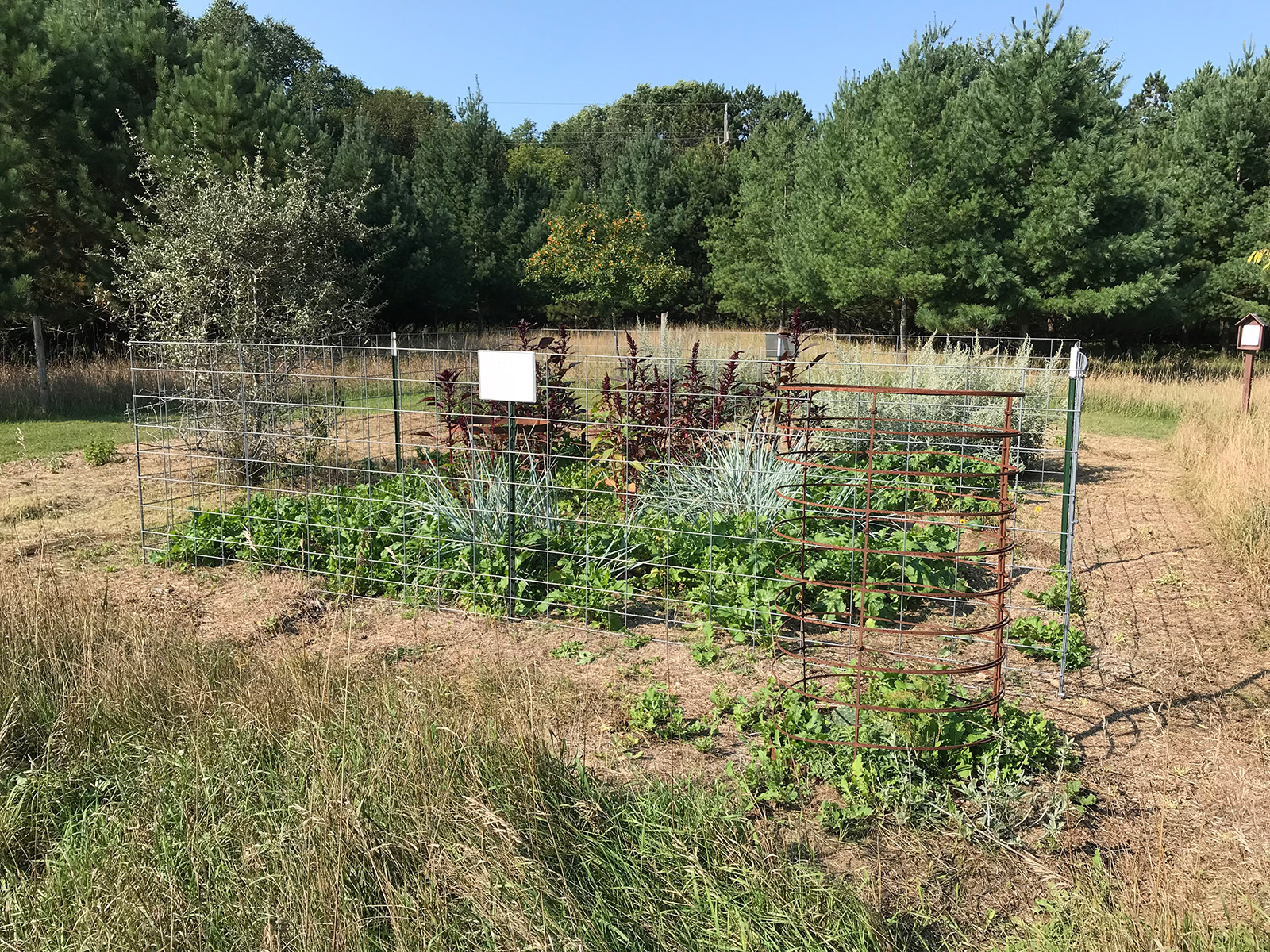
Implementing various prevention methods is crucial in safeguarding sunflowers from the detrimental effects of deer consumption. Deer are attracted to sunflowers due to their high protein and phosphorus content, posing a threat to sunflower growth and stems. To mitigate deer damage, farmers can utilize effective strategies such as installing fences around sunflower fields to create physical barriers that deter deer from accessing the plants. Additionally, using deer repellents can help in keeping these animals at bay, especially during critical growth stages when sunflowers are most vulnerable to deer browsing. Ultrasonic devices emit sounds that are unpleasant to deer, further discouraging them from entering sunflower fields. Another humane approach is the use of propane cannons, which produce loud noises to startle deer and prevent them from causing harm. By employing these preventive measures, farmers can safeguard their sunflowers and minimize economic losses caused by deer consumption.
Importance of Diverse Diet for Deer
Maintaining a diverse diet is vital for deer to meet their nutritional requirements and support their overall health and population sustainability. Deer, much like humans, benefit from a varied diet that provides them with essential proteins, fats, and carbohydrates. Here are some key points highlighting the importance of a diverse diet for deer:
- Nutritional Balance: A diverse diet ensures that deer receive a wide range of nutrients necessary for their health and well-being.
- Population Sustainability: Different food sources contribute to the overall health and sustainability of deer populations.
- Ecosystem Balance: Supporting diverse food options promotes a balanced ecosystem, benefiting not only deer but other wildlife as well.
- Food Plots: Introducing food plots with a variety of plants and grains can help supplement deer diets and provide additional nutrition.
- Overall Well-being: A diverse diet supports the overall well-being of deer, enhancing their resilience to environmental changes and stressors.
Protecting Sunflowers With Fencing
To effectively protect sunflowers from deer browsing, fencing is a practical and reliable solution. Fencing serves as a physical barrier that effectively deters deer from accessing and damaging sunflower patches. When properly installed, fences provide long-term protection, ensuring the safety of the sunflower plants and blooms. Budget-friendly options like chicken wire can be utilized to create boundaries around sunflower patches, offering an affordable yet effective defense against deer browsing. Additionally, placing fences around water sources in farmlands can further discourage deer from reaching sunflowers. Tall fences are particularly crucial as they help block deer access and safeguard the sunflowers from being browsed upon. By implementing appropriate fencing measures, farmers and gardeners can significantly reduce the risk of deer damage to their sunflower crops, ultimately preserving the beauty and integrity of these vibrant flowers.
Repellents to Deter Deer From Sunflowers
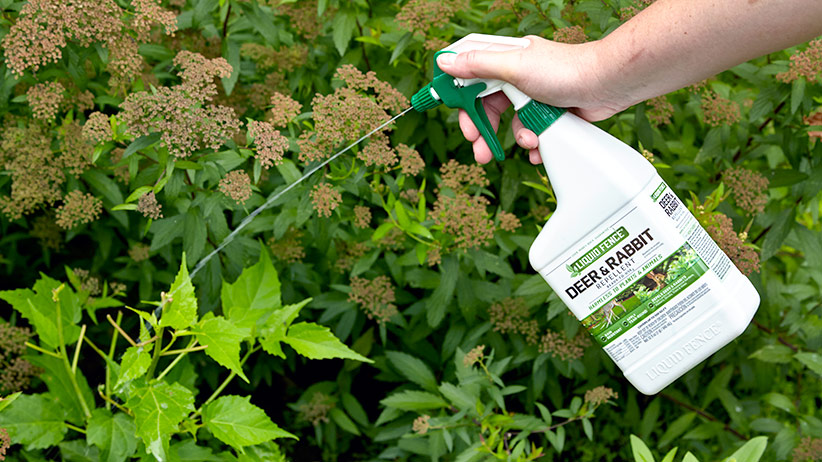
Protecting sunflowers with fencing is a reliable method, but when deer still pose a threat, utilizing repellents can offer additional defense against deer browsing. Deer can be deterred from sunflowers by using various types of repellents. Here are some effective options:
- Lavender, Mint, and Cinnamon Sprays: Natural repellents like lavender, mint, and cinnamon sprays have been found to be effective in deterring deer from feeding on sunflowers.
- Chemical Repellents: Some repellents contain harsh chemicals designed specifically to keep deer away from plants, offering a potent deterrent against deer browsing.
- Natural Repellent Plants: Planting natural repellents such as mint, lavender, salvias, and peonies around sunflowers can help discourage deer from approaching and feeding on them.
- Ultrasonic Devices: Utilizing ultrasonic devices that emit high-pitched frequencies can irritate deer and prevent them from coming near sunflowers.
- Propane Cannons: Propane cannons produce loud blasts that startle deer, providing an effective means of protecting sunflowers from being eaten.
Planting Natural Deer Repellents
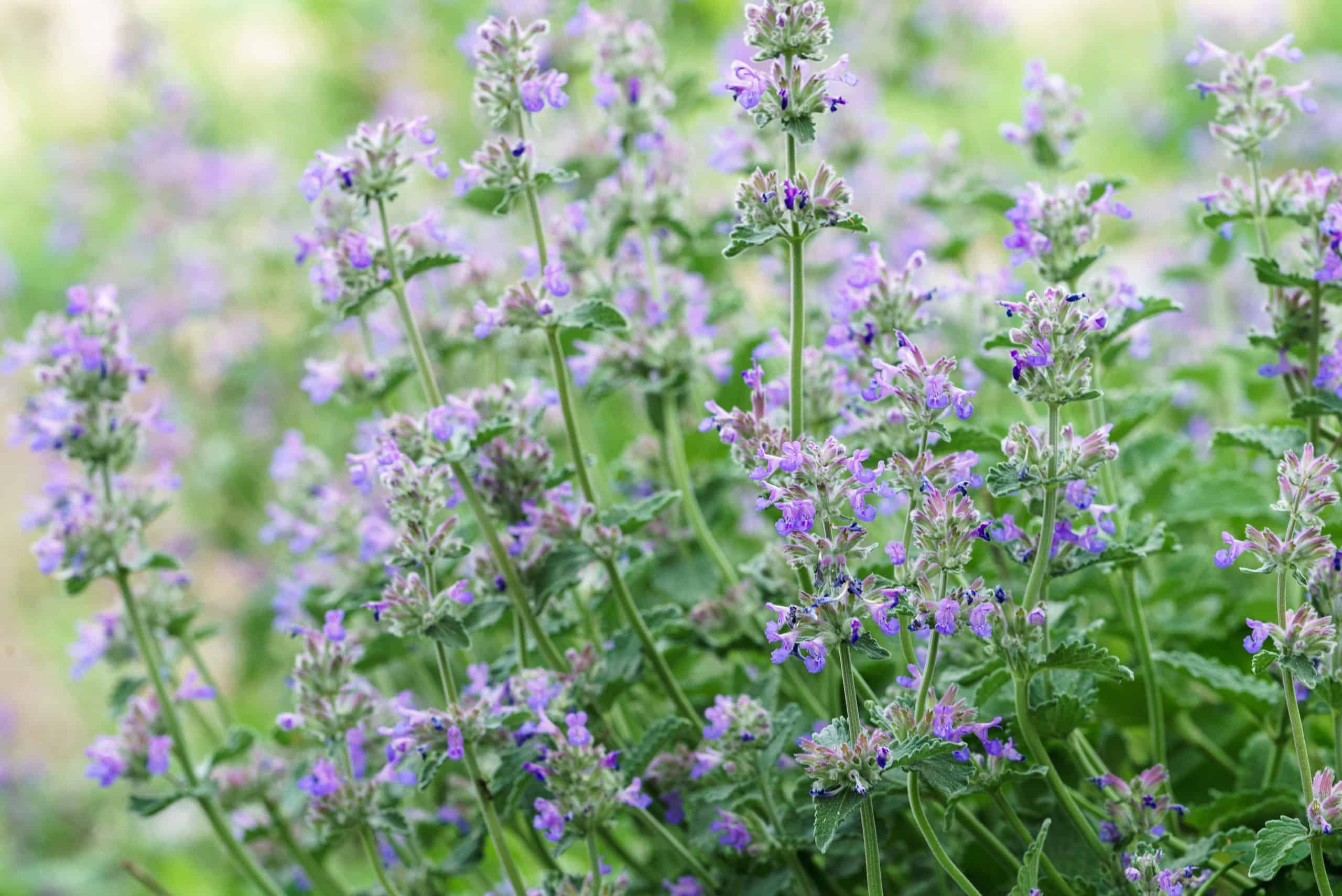
Planting natural deer-repellent vegetation around sunflowers is a proven method to deter deer from feeding on the plants. Mint, lavender, salvias, and peonies are effective natural repellents that emit scents deterring deer. These plants release fragrances that mask the enticing smell of sunflowers, making the area less appealing to deer. The use of natural repellents not only safeguards sunflowers but also provides a cost-effective and environmentally friendly approach to deer control in gardens.
Deer have a strong sense of smell, making them sensitive to certain scents emitted by these natural repellents. By strategically planting mint, lavender, salvias, or peonies around sunflowers, you create a barrier of odors that discourage deer from approaching. While natural repellents are successful in most cases, it’s essential to note that hungry deer may still consume sunflowers if alternative food sources are scarce. Overall, incorporating these natural deer-repellent plants into your garden can help protect your sunflowers from deer damage.
Using Ultrasonic Devices for Deer Control
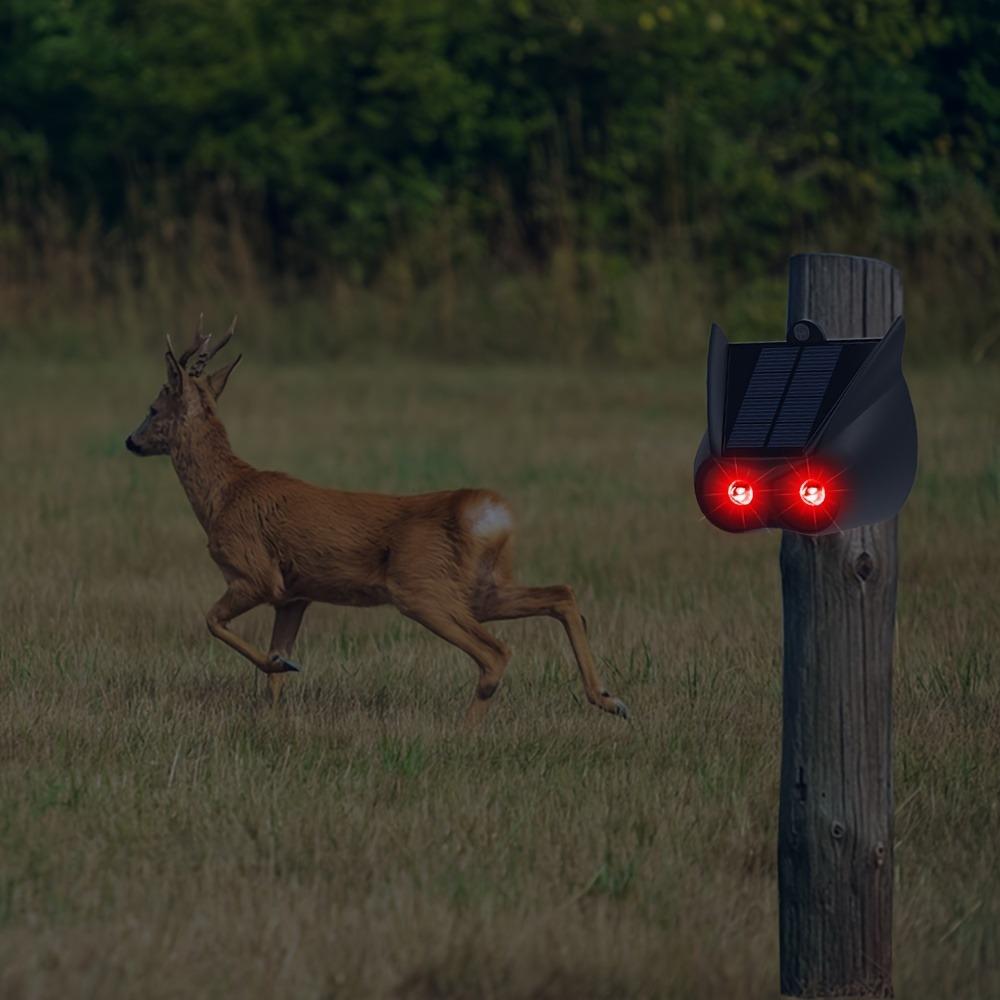
Implementing ultrasonic devices for deer control involves utilizing high-pitched frequencies that deter deer from feeding on sunflowers. These devices emit sounds that are irritating to animals, effectively preventing them from entering protected areas where sunflowers are planted. While ultrasonic devices are designed to safeguard crops and gardens from deer damage, there are some considerations to keep in mind:
- Ultrasonic devices may lose their effectiveness over time as deer become accustomed to the sound.
- These devices provide temporary deterrence and need to be strategically placed for optimal coverage.
- The range that ultrasonic devices can cover is limited, requiring multiple units for larger areas.
- It is essential to regularly check and maintain ultrasonic devices to ensure they are functioning correctly.
- Ultrasonic devices are a non-invasive and environmentally friendly method for deterring wildlife, making them a popular choice for gardeners and farmers.
Deterring Deer With Propane Cannons
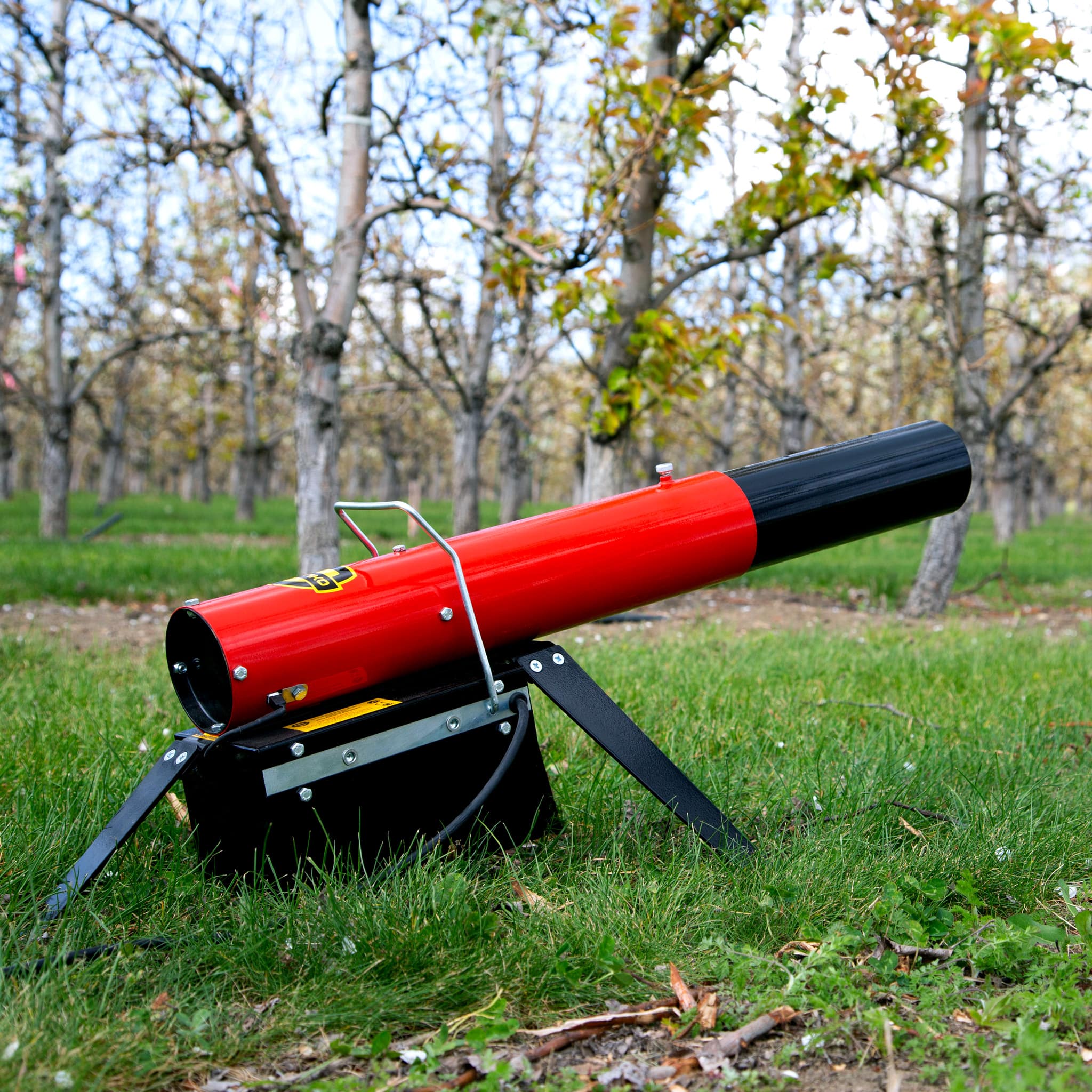
Using propane cannons to deter deer is a reliable method to protect sunflowers from potential harm. These devices emit loud blasts that startle deer, effectively safeguarding crops over large areas. The sound intensity of propane cannons typically falls between 110-120 decibels, creating a strong deterrent for deer. By strategically setting the cannons to trigger at varying times, deer are discouraged from approaching and causing damage to sunflowers. For instance, the G5 Bird and Wildlife Propane Cannon by Good Life is a popular option specifically designed to prevent deer from harming sunflowers. With their ability to cover expansive fields and emit startling sounds, propane cannons offer a practical and efficient solution to keep deer at bay. This method proves to be an effective means of protecting sunflowers from deer browsing, ensuring that the crops remain undisturbed and intact.
Sunflower Regrowth After Deer Feeding
Sunflowers damaged by deer feeding exhibit varying degrees of regrowth potential depending on the timing and extent of the grazing. Early-season damage may still allow sunflowers to recover after deer feeding, while late-season grazing could impede full recovery. Trimming broken stems and leaves can assist damaged sunflower plants in their healing process. Additionally, applying fertilizer to the affected sunflowers can promote growth and aid in their recovery. The extent and timing of deer feeding on sunflowers play a crucial role in determining the plant’s ability to regrow effectively.
- Early-season damage offers a higher chance of sunflower regrowth post deer feeding.
- Late-season grazing might hinder sunflowers from fully recovering.
- Trimming broken parts can aid damaged sunflower plants.
- Fertilizer application can encourage growth and recovery in sunflowers after deer feeding.
- The timing and extent of deer feeding influence the regrowth potential of sunflowers.
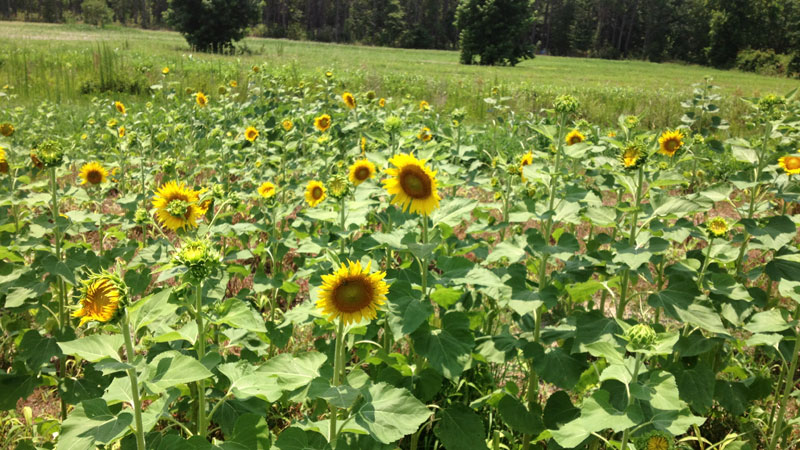
Managing Deer-Sunflower Interactions
Deer frequently target sunflowers due to their high protein and phosphorus content, making them a preferred food source in agricultural settings. As deer feed on sunflowers, they can cause significant damage to the plants, affecting their growth and overall health. This is particularly true for sunflowers that have not fully bloomed, as they are more attractive to deer, increasing the risk of crop damage. The trampling effect caused by deer in sunflower fields can lead to economic losses for farmers, resulting in reduced yield and quality of the harvest.
To manage interactions between deer and sunflowers, farmers often resort to various strategies. These may include implementing physical barriers such as fences, using scent deterrents, or employing scare tactics like noise-making devices. Additionally, some farmers opt for planting deer-resistant plant species alongside sunflowers to divert deer attention. Controlling deer populations through hunting or culling programs is another approach to mitigate the impact of deer on sunflower crops. Overall, effective management of deer-sunflower interactions is crucial to ensure the successful cultivation of sunflowers in agricultural settings.