

Deer avidly devour hickory nuts and various nuts, serving as vital energy and nutrient sources essential for their well-being, especially in colder months. These nuts offer critical proteins and fats crucial for deer populations. Hickory nuts, along with pecans, beechnuts, and acorns, are top choices for deer. Understanding their dietary preferences aids in effective wildlife management and conservation practices, influencing deer health and habitats. Providing a mix of these nuts can be an enticing strategy to attract and observe deer in their natural environment, while also supporting their nutritional needs.
Deer’s Nutritional Needs

Deer’s nutritional needs are crucial for their overall health and development, requiring a well-rounded diet rich in essential nutrients such as protein, fiber, vitamins, and minerals. Hickory nuts, among other nuts, play a significant role in meeting these requirements. Hickory nuts are a valuable source of energy, fats, and proteins that can benefit deer, especially during the fall and winter months when food sources may be scarce. These nuts provide essential nutrients that help deer maintain their health and support growth.
Incorporating hickory nuts into deer’s diet can help prevent malnutrition and related health issues within deer populations. By offering supplemental food sources like nuts, land managers and hunters can ensure that deer have access to the necessary nutrients for their well-being. Understanding the nutritional benefits of hickory nuts and other nuts can guide feeding strategies to support deer populations effectively. Providing a diverse diet that includes nuts can contribute to the overall health and vitality of deer in their natural habitats.
Popular Nuts for Deer
Hickory nuts, pecans, beechnuts, and acorns are among the popular nuts that deer show a preference for in their natural habitat. Deer are particularly drawn to red oak acorns due to their rich taste and high nutritional value. These nuts provide essential fats, proteins, and carbohydrates necessary for deer’s growth and survival. The availability of these nuts can significantly impact deer populations in an area, influencing their health and reproductive success.
Acorns, in particular, are often used by hunters to attract deer to specific locations for hunting purposes. However, excessive deer populations can lead to overbrowsing, damaging vegetation and impacting forest ecosystems. It is crucial to manage deer populations effectively to maintain a balance in the ecosystem.
Understanding the preferences of deer for these popular nuts can aid in conservation efforts and wildlife management strategies. By ensuring a diverse and sustainable nut supply, we can help support healthy deer populations and preserve the natural habitats they depend on.

Attracting Deer With Nuts
Attracting deer with a variety of nuts, such as pecans, beechnuts, and acorns, can be a strategic and effective method for drawing these animals to specific locations. Hickory nuts, in particular, are known to be favored by deer and can serve as a powerful attractant. Understanding the preferences of deer for certain nuts can significantly increase the chances of successfully luring them to desired spots for observation or hunting purposes.
| Nuts | Attractiveness to Deer |
|---|---|
| Hickory nuts | High |
| Pecans | Moderate |
| Beechnuts | High |
| Acorns | High |
Deer are naturally drawn to areas abundant in hickory nuts due to their rich flavor and nutritional value. Incorporating a mix of hickory nuts along with other appealing options like beechnuts and acorns can create a diverse and enticing spread for deer. Whether for wildlife enthusiasts wanting to observe these graceful creatures or for hunters seeking strategic baiting methods, utilizing various nuts can be a fruitful approach to attracting deer to specific locations.
Preventing Damage From Deer
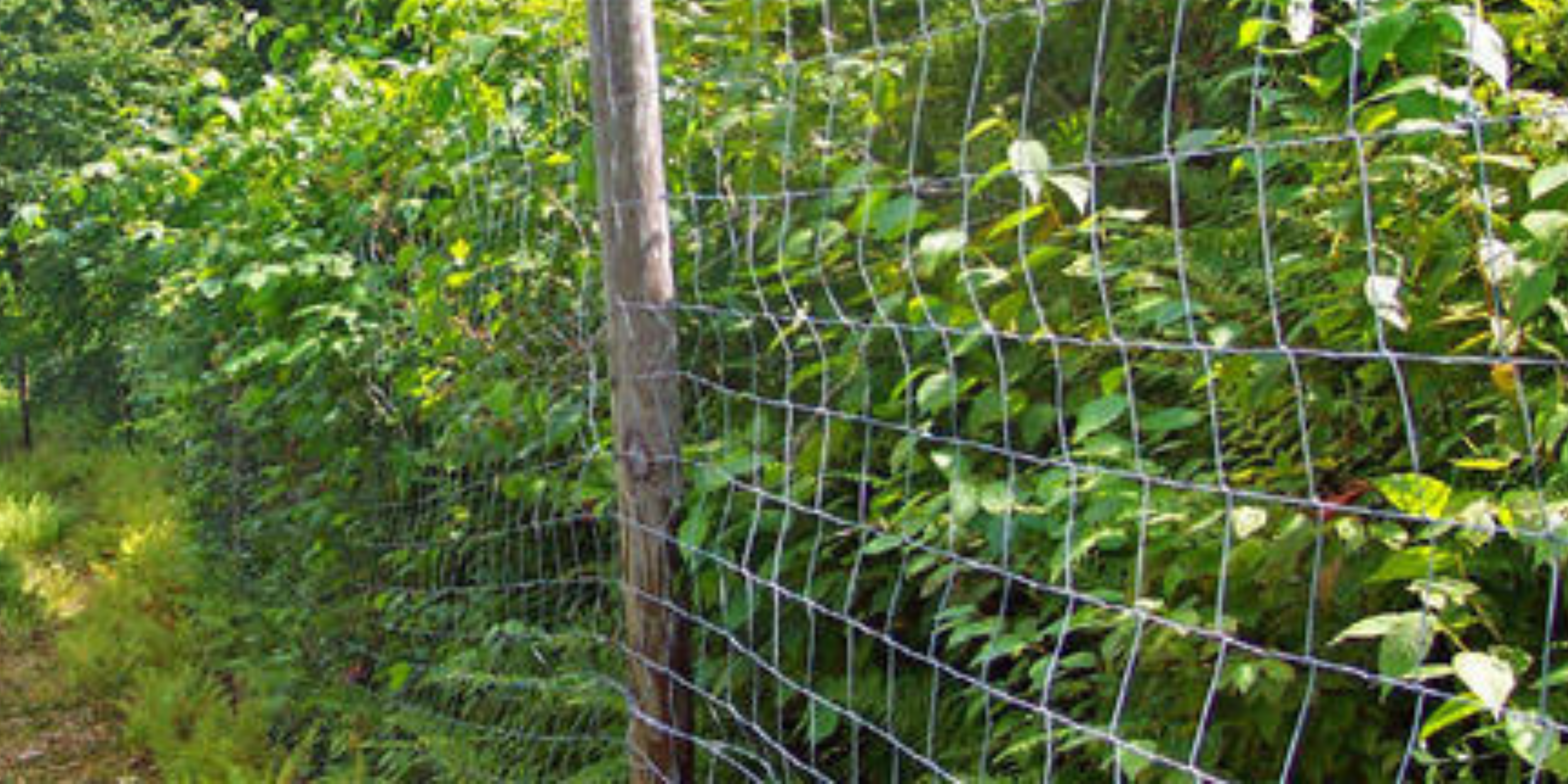
Effective prevention of damage caused by deer in East Texas requires a combination of strategic measures. Implementing proper fencing is crucial, with heights of 8-10 feet recommended to effectively keep deer out. Electronic deterrents, such as motion-activated lights, can also help deter deer from entering certain areas. Odor and taste repellents have shown to be effective in deterring deer damage, providing an additional layer of protection for vegetation.
In East Texas, where deer populations can be significant, utilizing protective structures like tree tubes and netting can safeguard trees from deer browsing. Combining these methods can significantly reduce damage from deer, ensuring the health and growth of vegetation in the area.
It is important to note that when dealing with deer damage prevention, a comprehensive approach is often the most successful. By incorporating various strategies tailored to the specific needs of the area, residents can better protect their plants and trees from deer-related harm in East Texas.
Protecting Trees and Vegetation
Implementing protective measures is crucial in safeguarding trees and vegetation from deer damage in East Texas.
- Fencing: Erecting 8-10 feet high fences is an effective way to keep deer out of protected areas, preventing them from accessing trees and vegetation.
- Electronic Deterrents: Utilizing motion-activated lights and ultrasonic devices can deter deer from causing damage to trees and vegetation, providing a non-invasive method of protection.
- Repellents and Protective Structures: Combining odor and taste repellents, along with using protective structures like tree tubes, netting, shelters, bud caps, and wire cylinders, can significantly reduce the chances of deer feeding on trees and vegetation. These methods create barriers that dissuade deer from causing harm, promoting healthy tree growth and vegetation preservation. By employing these protective measures, you can effectively safeguard your landscape from deer damage while maintaining a harmonious environment for both wildlife and plants.
Responsible Feeding Practices
Providing deer with a balanced diet of various nuts is essential to ensure their nutritional requirements are met effectively. When feeding deer, it’s crucial to offer a variety of nuts such as acorns, hickory nuts, pecans, and beechnuts. However, it is important to avoid processed or salted nuts as they can be harmful to their health. Monitoring the deer’s response to different nuts is key, as it allows you to adjust their diet accordingly to cater to their preferences. Consulting with wildlife experts or veterinarians can provide valuable guidance on proper nut feeding practices for deer.
To ensure responsible feeding practices, remember to spread the nuts around the feeding area. This helps prevent overcrowding and reduces competition among the deer. Below is a table illustrating a balanced diet plan for feeding deer nuts effectively:
| Morning | Afternoon | Evening |
|---|---|---|
| Acorns | Pecans | Beechnuts |
| Hickory nuts | Acorns | Pecans |
| Beechnuts | Hickory nuts | Acorns |