

If your rosemary is turning brown, it might be due to overwatering, lack of sunlight, cold temperatures, nutrient deficiencies, or pests. To fix it, ensure it has well-drained soil, adequate sunlight, and proper watering. Check for signs of diseases like powdery mildew or bacterial blight, and treat accordingly. Natural remedies such as neem oil can help combat infections. Regular pruning and maintaining soil moisture levels are crucial. Remember to monitor for stress signs and adjust care practices accordingly. By addressing these factors, you can help your rosemary regain its health and lush green leaves.
Common Causes of Rosemary Browning
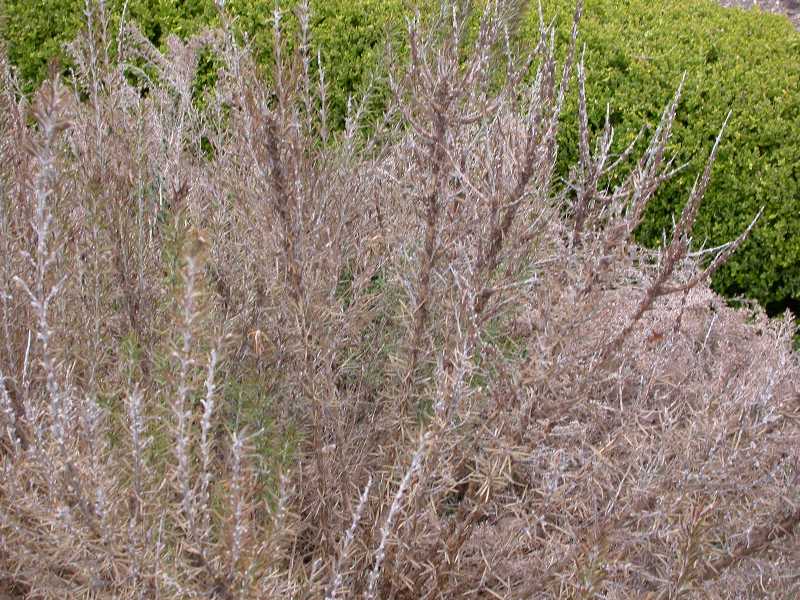
If your rosemary is turning brown, various factors like overwatering, root rot, inadequate sunlight exposure, nutrient deficiencies, or pests may be to blame. Overwatering is a common culprit, leading to root rot that inhibits the plant’s ability to take up nutrients and water properly, causing browning of the foliage. Insufficient sunlight exposure can also result in brown leaves as the plant struggles to photosynthesize effectively. Cold temperatures below 20°F can shock the rosemary plant, causing it to exhibit brown foliage in response to the stress. Additionally, nutrient deficiencies, such as lack of nitrogen or potassium, can manifest as browning in the leaves due to the plant’s inability to carry out essential metabolic processes. Identifying and addressing these issues promptly can help prevent further browning and promote the overall health of your rosemary plant.

Understanding Fungal Infections in Rosemary
Common fungal infections like powdery mildew and botrytis blight can lead to the development of brown spots on rosemary leaves. Powdery mildew, favored by temperatures between 60 to 80 degrees Fahrenheit, manifests as a whitish spore dusting on plants. On the other hand, botrytis blight exacerbates patchy leaf growth and deteriorates the affected rosemary leaves. These fungal infections can weaken the plant and hinder its growth if left unchecked.
Additionally, bacterial blight and leaf spot are bacterial infections that also contribute to the formation of brownish-black spots on rosemary leaves. These bacterial diseases may present similar symptoms to fungal infections, including wilting stems. It is crucial to differentiate between fungal and bacterial issues to apply the appropriate treatment. Understanding the characteristics of each type of infection can help you take the necessary steps to protect your rosemary plant and prevent further damage.
Dealing With Bacterial Issues in Rosemary
Understanding the bacterial issues that can afflict rosemary plants is essential for effectively managing brownish-black spots and wilting stems caused by bacterial blight and leaf spot. Bacterial infections often manifest as dark lesions on the leaves and can lead to overall plant decline. These issues can be mistaken for fungal diseases due to similar symptoms, emphasizing the importance of accurate diagnosis. To tackle bacterial problems, prioritize sanitation practices like sterilizing pruning tools to prevent the spread of bacteria. Regularly disinfecting tools after each use can significantly reduce the risk of contamination. Additionally, incorporating natural remedies such as neem oil can help combat bacterial infections in rosemary plants. Neem oil has antimicrobial properties that can target the bacteria causing the blight and leaf spot. When applying neem oil, ensure thorough coverage of the affected areas for optimal effectiveness in combating bacterial issues in your rosemary plants.
Environmental Factors Affecting Rosemary Health
To ensure the optimal health and growth of your rosemary plants, it is crucial to understand how environmental factors can significantly impact their well-being. Rosemary thrives in well-drained soil, making soil quality a key factor in its health. Poor drainage can lead to waterlogged roots, causing stress to the plant’s root system and resulting in brown leaves. Additionally, overwatering can exacerbate this issue, as rosemary prefers minimal water to flourish.
It’s important to monitor the soil moisture levels closely and adjust watering practices accordingly. If you notice brown leaves or suspect poor drainage, consider repotting your rosemary in free-draining soil to promote a healthier root system. Gradual exposure to sunlight after winter can also benefit your rosemary’s overall health, as it aids in the plant’s acclimatization process. By paying attention to these environmental factors and making necessary adjustments, you can help your rosemary plants thrive and prevent issues such as browning leaves.
Natural Remedies for Brown Rosemary Leaves
Combat brown spots on your rosemary leaves with natural remedies like a baking soda and water mixture or neem oil. These organic solutions can effectively address the issues your rosemary plant is facing. Here are three natural remedies to help your rosemary leaves regain their health:
- Baking Soda and Water Mixture: Create a mixture of baking soda and water to spray on the affected rosemary leaves. This solution can help combat fungal infections and reduce brown spots.
- Neem Oil: Neem oil is a natural fungicide and bactericide that can target the underlying causes of brown spots on rosemary leaves. Apply neem oil according to the instructions on the product to see improvements.
- Baking Soda, Water, and Liquid Soap: Combine baking soda, water, and a small amount of liquid soap to create a potent solution for treating brown spots on your rosemary plant. The liquid soap helps the mixture adhere to the leaves for better effectiveness.
These organic remedies offer a safe and effective way to care for your rosemary plant naturally.

Importance of Pruning for Rosemary Care
Regular pruning of your rosemary plants is crucial for maintaining their shape, health, and overall vitality. When you prune your rosemary correctly, you encourage new growth and prevent the plant from becoming woody. Proper pruning techniques involve removing dead or damaged branches, cutting just above a set of healthy leaves to promote bushier growth. It’s important to use clean and sharp pruning tools to avoid causing unnecessary stress or damage to the plant.
Over-pruning can be harmful to your rosemary. While pruning is essential, striking a balance is key. Avoid cutting back more than one-third of the plant at a time to prevent weakening it. If you notice excessive browning or stunted growth after pruning, you may have overdone it. Remember, the goal of pruning is to enhance the health and appearance of your rosemary, so always observe how the plant responds to find the right pruning routine for optimal care.
Managing Soil and Water for Rosemary
Maintaining proper soil moisture levels and drainage is crucial for the health and vitality of your rosemary plants. Here are some essential tips to manage soil and water effectively:
- Choose Well-Drained Soil: Ensure your rosemary plants are in soil that allows excess water to flow away easily. This helps prevent overwatering, which can lead to root rot and ultimately cause browning in the leaves.
- Monitor Moisture Levels: Check the soil moisture regularly by feeling the top inch. Water your rosemary only when this top layer is dry to the touch, avoiding waterlogged conditions that can stress the plant.
- Consider Soil Testing: Conduct a soil test to assess the pH levels and nutrient content. Balancing these factors can contribute to the overall health of your rosemary plant, promoting robust growth and reducing the risk of browning leaves due to environmental stress from inadequate drainage.

Best Practices for Preventing Rosemary Browning
To prevent rosemary browning, ensure adequate sunlight exposure for your plant’s optimal growth and health. Rosemary thrives in full sun, so aim for at least 6-8 hours of direct sunlight daily. Additionally, be mindful of your watering practices to prevent overwatering, a common culprit of rosemary browning. Proper drainage is key to avoiding waterlogged soil, which can lead to root rot and browning leaves. Moreover, keep an eye on humidity levels, as high humidity can create a favorable environment for fungal diseases that manifest as brown spots on rosemary leaves. Regularly inspect your plant for any signs of pests or diseases that could contribute to browning. Lastly, ensure your rosemary receives balanced fertilization to maintain its health and prevent browning.
| Best Practices for Preventing Rosemary Browning | |
|---|---|
| Adequate Sunlight Exposure | Proper Watering Practices |
| Monitoring Humidity Levels | Regular Pest and Disease Inspection |
Signs of Rosemary Stress and Solutions
When observing signs of stress in your rosemary plant, such as brown spots on the leaves, it is crucial to promptly address the underlying causes to promote its recovery and overall health. Here are some key signs of rosemary stress and effective solutions:
- Overwatering: Excess moisture can lead to root rot and brown spots on the leaves. Ensure proper drainage by using well-draining soil and pots with drainage holes. Adjust your watering schedule to allow the soil to dry out slightly between waterings.
- Underwatering: Insufficient water can also cause brown spots on rosemary leaves. Check the soil regularly and water when the top inch feels dry. Proper watering is key to maintaining the plant’s health.
- Sunlight and Air Circulation: Inadequate sunlight and poor air circulation can contribute to rosemary stress. Place your plant in a location where it receives at least 6-8 hours of sunlight daily and ensure good air circulation around the leaves. Consider rotating the plant to promote even growth.

Expert Tips for Rosemary Recovery
To assist your rosemary plant in its recovery and continued flourishing, expert tips offer actionable advice for addressing common issues and promoting its overall health. If your rosemary is turning brown, it may be suffering from overwatering, pests, or lack of proper care. Here are some expert tips to help your rosemary plant bounce back:
| Expert Tips for Rosemary Recovery | |
|---|---|
| 1. Ensure Adequate Sunlight | Proper sunlight exposure is crucial for the health of your rosemary plant. |
| 2. Check Soil Moisture | Avoid overwatering by checking the top inch of soil before watering. |
| 3. Regularly Prune | Pruning helps promote new growth and maintain the plant’s shape. |
| 4. Monitor for Pests | Keep an eye out for pests like spider mites and aphids, and take appropriate measures to eliminate them. |
| 5. Maintain Humidity Levels | Yellowing leaves can be a sign of pests or overwatering, so monitor humidity levels to prevent issues. |