

To keep your salvias healthy, address these 9 common issues efficiently. Prevent powdery mildew by spacing plants properly and watering at the base. Solve root rot with improved drainage and careful watering. Encourage flowering by giving salvias full sun exposure and deadheading spent flowers. Manage leggy growth with proper pruning and transplanting if needed. Revive wilted leaves by adjusting your watering routine. Combat yellowing leaves with proper watering and fertilization. Ensure winter survival by planting in spring and acclimating plants. Control mold by removing affected parts and improving air circulation. Effective pest management strategies are crucial.
1. Powdery Mildew Prevention
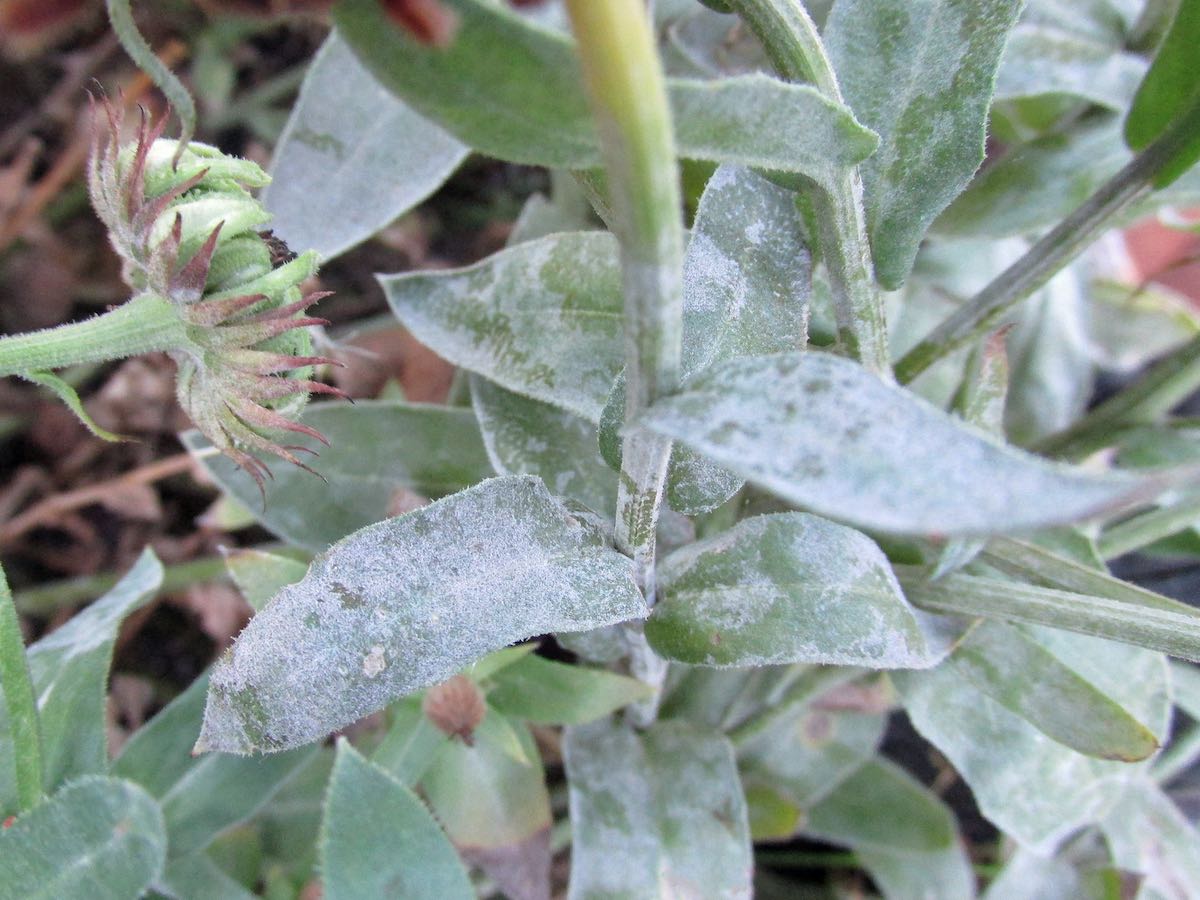
To prevent powdery mildew on salvias, ensure proper spacing between plants to enhance air circulation and reduce humidity levels. Powdery mildew, a fungal disease recognizable by its grayish powdery appearance on leaves, thrives in environments with stagnant air and high humidity. By increasing the space between your salvias, you allow air to flow more freely between them, creating an environment less conducive to powdery mildew development.
Moreover, proper spacing aids in reducing humidity levels around the plants, further deterring the growth of this fungal disease. In addition to spacing, avoid overhead watering, as water droplets left on the leaves can promote mildew formation. Opt for watering at the base of the plants to keep the foliage dry and inhospitable to powdery mildew.
2. Root Rot Solutions
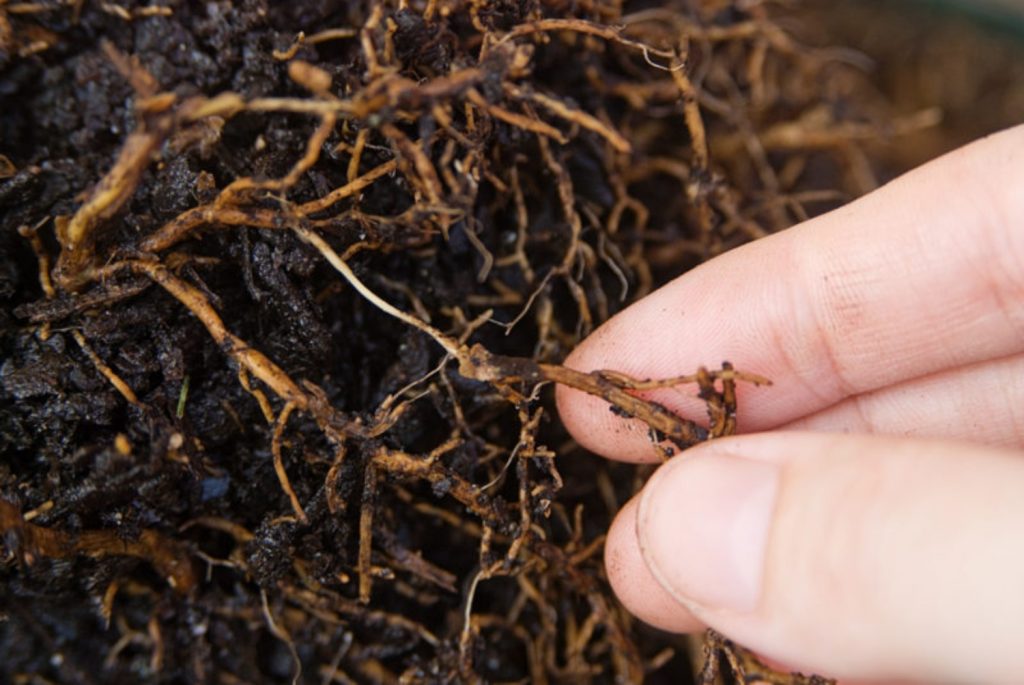
Address root rot in salvias by implementing effective solutions to combat waterlogged conditions that suffocate the roots. Properly managing soil drainage and adjusting watering practices are crucial steps in preventing and treating root rot issues in salvias. Here are three practical solutions to help you combat root rot:
- Improve Soil Drainage: Ensure that the soil around your salvias has adequate drainage to prevent water from pooling around the roots. Consider adding organic matter or perlite to the soil mix to improve drainage and reduce the risk of waterlogging.
- Plant in Raised Beds or Containers: Planting salvias in raised beds or containers with well-draining soil can help elevate the roots above any waterlogged areas in the garden. This setup allows excess water to drain more efficiently, reducing the likelihood of root rot.
- Mulch and Monitor Watering: Apply mulch around salvias to help regulate soil moisture levels and prevent excessive water accumulation. Monitor your watering practices closely, ensuring that the soil is allowed to dry out slightly between waterings to discourage root rot development.
3. Lack of Flowering Remedies
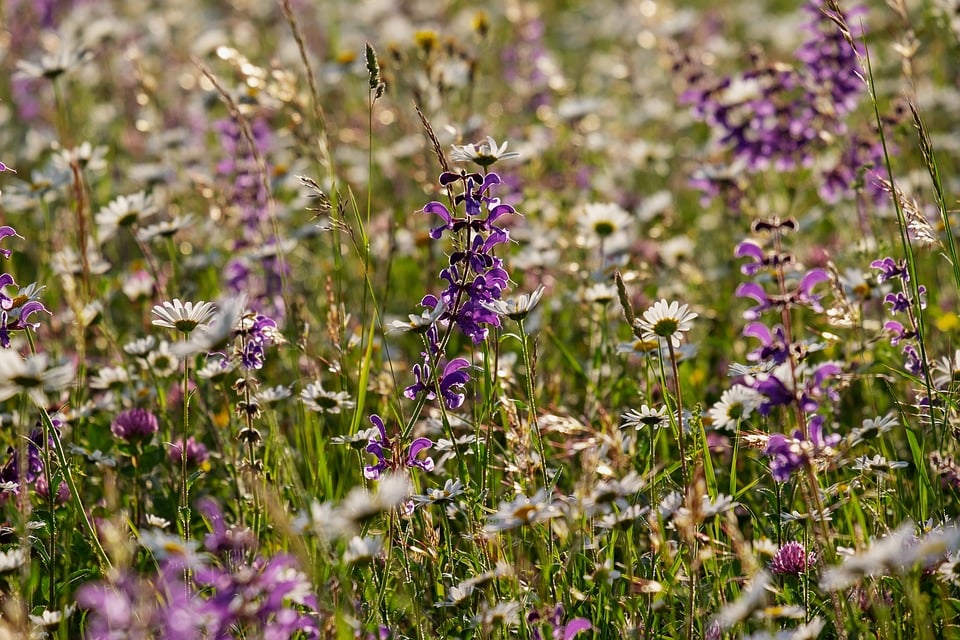
Combatting the lack of flowering in salvias often involves addressing factors such as sunlight exposure and proper maintenance practices to encourage prolific blooming. Salvias require full sun to produce abundant flowers, so if your plants are not blooming, insufficient sunlight could be the culprit. Consider relocating your salvias to a sunnier spot to promote flowering. Additionally, deadheading faded flowers can stimulate new blooms by redirecting the plant’s energy towards producing more flowers.
It’s important to note that salvias typically start blooming when they reach maturity, so patience is key with younger plants. By providing the right conditions, such as full sun and well-draining soil, you can encourage your salvias to bloom to their full potential. Remember that consistent care, including regular watering and fertilizing, can also help your salvias thrive and bloom profusely. With proper attention to sunlight exposure and maintenance practices, you can enjoy a garden filled with vibrant salvias in full bloom.
4. Leggy Plant Management

Managing leggy salvias involves addressing factors such as inconsistent watering and lack of sunlight, which can result in elongated stems. To effectively manage leggy salvias and promote healthier growth, consider the following tips:
- Transplant Salvias: If your salvias are leggy due to lack of sunlight, consider transplanting them to a sunnier location. Full sun is crucial for growing compact, bushy salvias and can help reduce legginess.
- Establish Watering Routine: Maintain a regular watering schedule to prevent salvias from becoming leggy. Consistent watering, especially during dry periods, can promote healthy growth and prevent elongation of stems.
- Prune for New Growth: Pruning leggy salvias can stimulate new growth and encourage a more compact form. Trim back the elongated stems to promote branching and create a bushier appearance, leading to healthier plants.
5. Wilted Leaves Fix

To address wilted leaves in salvias, focus on adjusting your watering schedule to prevent overwatering or underwatering, as these factors can contribute to leaf wilting. Salvias require consistent moisture levels to thrive, so maintaining a balanced watering routine is crucial. Here is a helpful guide to assist you in resolving wilted leaves in your Salvia plants:
| Issue | Solution |
|---|---|
| Overwatering | Allow the soil to dry slightly between waterings to prevent waterlogged conditions. |
| Underwatering | Ensure the soil is consistently moist by watering deeply when the top inch feels dry. |
| Heat Stress | Provide shade during the hottest parts of the day to shield Salvias from excessive heat. |
| Dry Conditions | Increase watering frequency, especially during warm weather, to maintain soil moisture. |
6. Yellowing Leaf Care

Address yellowing leaves in Salvias by first identifying the underlying cause, whether it be overwatering, underwatering, or nutrient deficiencies. Here are three key steps to help you care for yellowing leaves:
- Check Soil Moisture Levels: Feel the soil to determine if it is too wet or too dry. Overwatering can lead to root rot and poor drainage, causing yellowing leaves. Underwatering, on the other hand, can stress the plant and also result in yellow leaves.
- Adjust Watering Habits: Based on the soil moisture assessment, adjust your watering schedule accordingly. Salvias prefer well-draining soil, so ensure the plant is not sitting in water. Water deeply but infrequently to promote healthy growth and prevent yellowing.
- Fertilize Properly: Address any nutrient deficiencies by fertilizing your Salvias appropriately. Nutrient imbalance can lead to yellowing leaves, so choose a balanced fertilizer and apply it following the manufacturer’s instructions to support the plant’s health and vigor.
7. Winter Survival Tips

For optimal winter survival of Salvias, consider planting them in the spring to allow ample time for root establishment before the colder months arrive. Spring planting gives the plants a head start in developing a strong root system, which is crucial for withstanding the harsh conditions of winter. Before planting, check the hardiness of your specific Salvia variety to ensure it can withstand the winter temperatures in your zone.
When choosing a location for your Salvias, opt for one that receives optimal sunlight and has well-draining soil. This will help the plants prepare for the winter and increase their resilience to the cold. Additionally, it’s essential to acclimate Salvias before transplanting them into the ground. Gradually introduce them to outdoor conditions to reduce shock and improve their chances of surviving the winter successfully.
8. Mold Control Methods

Control mold on salvias by promptly removing affected plant parts to prevent further spread of the fungus. Gray mold, caused by the Botrytis fungus in damp conditions, can be a common issue for salvias. Here are some effective methods to manage mold on your salvias:
- Remove Affected Parts: Trim off any parts of the salvia plant that show signs of gray mold. Be sure to dispose of these removed parts properly to prevent the spread of the fungus.
- Utilize Remedies: Consider using a baking soda solution or commercial fungicides specifically designed to combat gray mold on salvias. Follow the instructions on the product label for the best results.
- Preventive Measures: To avoid future occurrences of gray mold, ensure proper spacing between plants to improve air circulation. Additionally, refrain from overhead watering, as this can create a damp environment ideal for mold growth.
9. Pest Management Strategies
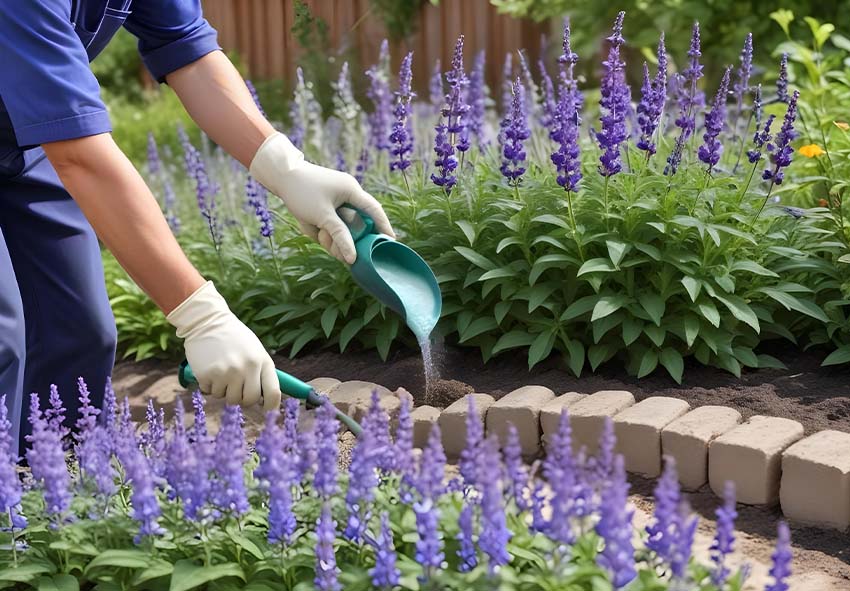
Implement effective pest management strategies to protect your Salvias from common pests and ensure their health and vitality. When dealing with spider mites, consider introducing natural predators such as ladybugs to keep their population in check. Additionally, you can use insecticidal soap, horticultural oil, or neem oil to manage pests on your Salvias effectively. To deter spider mites, regularly conduct water sprays on the underside of Salvia leaves where these pests often reside. If the infestation persists, systemic pesticides like imidacloprid can be an option, but exercise caution and strictly adhere to safety guidelines during application. When applying treatments, make sure to target the underside of Salvia leaves where pests usually gather. By incorporating these pest management strategies into your Salvia care routine, you can effectively combat common pests and safeguard the health of your plants.