

Butterflies are drawn to marigolds because of their vibrant colors, which act as a visual beacon. These flowers provide rich nectar, attracting various butterfly species. Marigolds bloom at different times, ensuring a continuous nectar supply for butterflies. Planting marigolds alongside other butterfly-friendly plants supports a diverse array of butterflies. The beauty and biodiversity of butterfly gardens are greatly enhanced by marigolds’ appeal to butterflies.
Benefits of Planting Marigolds
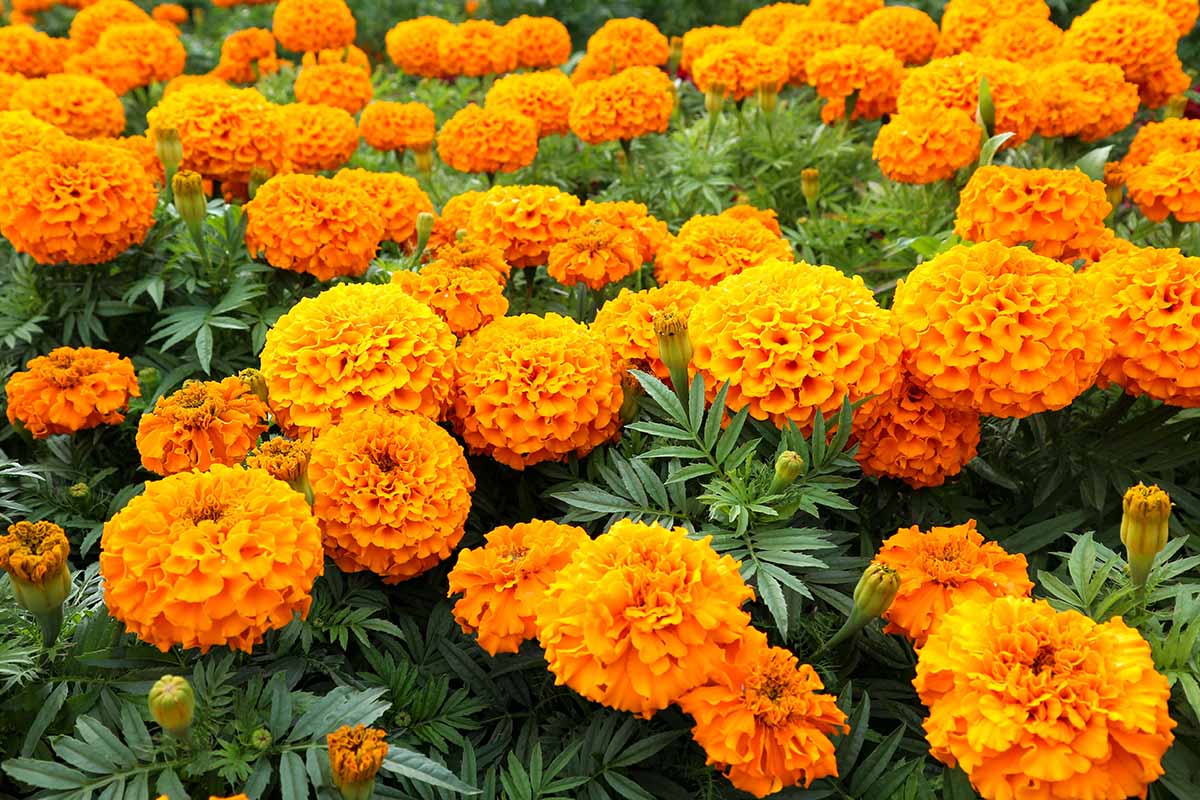
Planting marigolds in your garden offers numerous benefits that attract butterflies and contribute to creating a thriving butterfly habitat. Marigolds, with their bright colors and rich in nectar, serve as a vital food source for butterflies. The vibrant hues of marigolds act as a visual beacon, drawing butterflies to your garden. These flowers bloom at different times, ensuring a continuous supply of nectar for butterflies throughout the season. By planting marigolds alongside other butterfly-friendly plants, you can create an environment that supports a diverse range of butterfly species.
The nectar-rich blooms of marigolds not only provide sustenance for butterflies but also offer a burst of color that enhances the beauty of your garden. Their easy cultivation and maintenance make them an ideal choice for gardeners of all levels. Whether you are new to gardening or have years of experience, marigolds can help you establish a butterfly-friendly oasis in your backyard.
Marigolds: A Butterfly Magnet

With their bright colors and nectar-rich flowers, marigolds act as a magnetic attraction for butterflies in a garden setting. When you observe the way butterflies interact with marigolds, you’ll notice:
- Butterflies are drawn to the vibrant hues of marigold flowers, especially shades of orange and yellow, which stand out in a garden landscape.
- The nectar-rich blooms of marigolds provide a valuable food source for butterflies, supporting their nutritional needs and energy requirements.
- Different varieties of marigolds bloom at staggered intervals, ensuring a continuous supply of nectar for butterflies throughout the growing season.
- Marigolds are low-maintenance plants that are easy to cultivate, making them a practical choice for gardeners looking to attract butterflies.
- By planting marigolds alongside other nectar-producing flowers, you can create a diverse and inviting habitat that entices a variety of butterfly species, enriching your garden experience.
Marigolds as Butterfly Host Plants
Marigolds, while renowned for their ability to attract butterflies with vibrant colors and nectar, are not commonly recognized as host plants for butterfly reproduction. Although marigolds do not serve as traditional host plants for butterflies, they play a crucial role in butterfly gardens by providing essential nectar for adult butterflies. These flowers are valued for attracting a variety of butterfly species with their colorful blooms and sweet nectar, contributing to the overall beauty and functionality of butterfly habitats.
While butterflies are more inclined to visit marigolds for nectar rather than for egg-laying purposes, these flowers still support butterfly populations by offering a valuable food source. Butterflies prefer plants like milkweed for laying their eggs, as they provide suitable conditions for caterpillar development. Despite not being host plants, marigolds enhance butterfly gardens by attracting and sustaining adult butterflies, thus indirectly contributing to the overall health and diversity of butterfly populations.

How Marigolds Attract Butterflies
By emitting vibrant colors and producing nectar-rich flowers, marigolds effectively attract butterflies to your garden. When considering how marigolds attract butterflies, it becomes evident that these flowers play a crucial role in creating a thriving butterfly habitat. Here are some observations to help you understand the process:
- The vibrant colors of marigolds act as a visual attractant for butterflies, drawing them to your garden.
- Marigolds provide a valuable food source for butterflies, with their abundant nectar sustaining these delicate insects.
- Different varieties of marigolds bloom at various times, ensuring a continuous and reliable food source for butterflies throughout the season.
- Planting marigolds near other butterfly-friendly plants can enhance the overall attractiveness of your garden to butterflies.
- The combination of nectar-rich flowers and colorful blooms makes marigolds a key element in establishing a flourishing butterfly garden.
Marigolds: A Butterfly-Friendly Flower
The allure of marigolds to butterflies lies in their vibrant colors and nectar-rich blooms, making them a top choice for creating a butterfly-friendly environment in your garden. Butterflies are naturally attracted to the vivid hues of marigolds, which serve as beacons guiding them towards the abundant nectar these flowers offer. This makes marigolds not only a visually appealing addition to your garden but also a vital food source for these beneficial pollinators.
Moreover, the continuous blooming cycle of marigolds, encouraged by regular deadheading, ensures a steady supply of nectar for butterflies throughout the season. By planting marigolds alongside other butterfly-friendly plants, you can establish a thriving ecosystem that supports these delicate creatures. The presence of marigolds not only enhances the beauty of your garden but also contributes to the biodiversity by fostering a habitat that is conducive to butterfly conservation.

Marigolds and Butterfly Conservation
In the realm of butterfly conservation, the role of marigolds as a crucial food source cannot be understated. Marigolds play a significant role in attracting butterflies to your garden and supporting their populations. Here are some key points to consider:
- Marigolds attract butterflies with their vibrant colors and nectar-rich flowers, providing essential nourishment.
- Planting marigolds is a simple yet effective way to contribute to butterfly conservation efforts.
- These flowers are easy to grow and maintain, ensuring a steady supply of food for butterflies.
- Different types of marigolds bloom at different times, offering a continuous food source for butterflies throughout the season.
- Combining marigolds with other butterfly-friendly plants can create a thriving habitat that supports various butterfly species, enhancing the overall biodiversity of your garden.
Marigolds: A Must-Have for Butterflies
Marigolds, with their vibrant colors and nectar-rich flowers, are a must-have addition to your garden for attracting butterflies and supporting their populations. These beautiful flowers act as host plants, providing a crucial environment for butterflies to lay their eggs and for caterpillars to feed on. The nectar produced by marigolds serves as a vital food source for adult butterflies, ensuring their survival and promoting their presence in your garden.
| Flowers that attract | Nectar for adult butterflies | Host plants |
|---|---|---|
| Marigolds | Yes | Yes |
Marigolds bloom at different times, offering a continuous supply of nectar for butterflies throughout the season. By planting marigolds alongside other butterfly-friendly plants, you can create a thriving habitat that supports these delicate insects. Not only are marigolds beneficial for butterflies, but they are also low-maintenance and easy to cultivate, making them an excellent choice for both novice and experienced gardeners. Their enduring popularity among butterflies adds a touch of elegance and color to your outdoor space, enhancing the overall beauty of your garden.

Marigolds: Nectar Source for Butterflies
Some varieties of flowers, like marigolds, serve as vital nectar sources for butterflies, providing them with essential sustenance for their survival and energy needs. When considering marigolds as a nectar source for butterflies, several key points come to light:
- Marigolds act as a crucial nectar source, offering butterflies the necessary food for their survival and energy requirements.
- The vibrant and captivating colors of marigolds attract butterflies to your garden, adding to its visual allure.
- These flowers are not only beneficial but also easy to cultivate and manage, making them a convenient choice for butterfly enthusiasts.
- With different marigold varieties blooming at various times, there is a continuous supply of nectar for butterflies throughout the seasons.
- By strategically planting marigolds alongside other butterfly-friendly plants, you can create a thriving habitat that supports the diverse needs of these delicate creatures in your garden.
Marigolds: Enhancing Your Butterfly Garden
Enhancing your butterfly garden with marigolds can attract these delicate creatures while adding a burst of color and beauty to your outdoor space. Marigolds are not only visually appealing but also serve as a vital nectar source for butterflies. These colorful flowers are rich in nectar, which acts as a nutritious food source for butterflies, helping to support their populations. By planting marigolds in your garden, you provide butterflies with a constant supply of nectar, ensuring that they have access to essential sustenance.
Moreover, marigolds play a crucial role in attracting beneficial pollinators like butterflies. The bright hues of marigolds act as beacons, guiding butterflies to your garden. As butterflies flutter from flower to flower, they inadvertently aid in pollination, contributing to the health and diversity of your garden ecosystem. By incorporating marigolds into your butterfly garden landscape, you not only enhance its aesthetic appeal but also create a thriving habitat for these beautiful and beneficial pollinators.
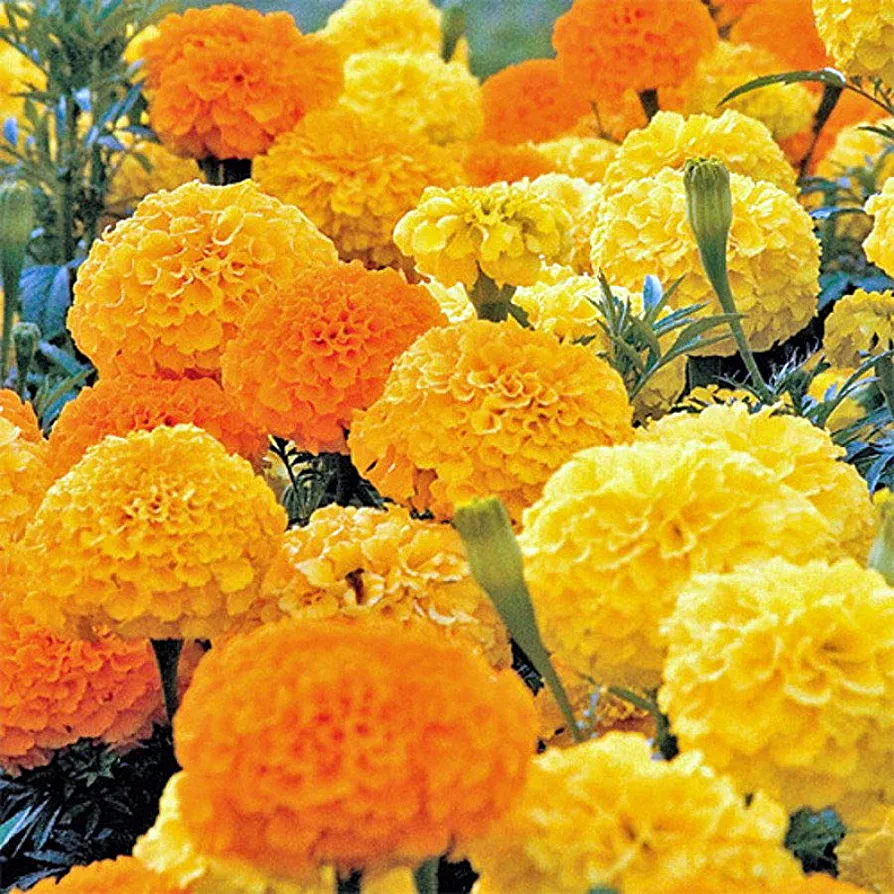
Tips for Growing Marigolds for Butterflies
To cultivate a thriving butterfly garden with marigolds, understanding key tips for growing these nectar-rich flowers is essential. Marigolds are not only brightly colored but also easy to grow, making them a favorite among butterflies and hummingbirds.
- Provide Food: Marigolds offer a bountiful supply of nectar, attracting butterflies and hummingbirds that adore these vibrant blooms.
- Easy to Grow: These hardy flowers are low-maintenance and can thrive in various soil conditions, perfect for beginners or seasoned gardeners.
- Continuous Blooms: Different marigold varieties bloom at different times, ensuring a constant food source for butterflies throughout the season.
- Companion Planting: Planting marigolds alongside other butterfly-friendly plants can create an inviting environment for a diverse range of butterfly species.
- Colorful Allure: The bright hues of marigolds act as a beacon for butterflies, enhancing the visual appeal of your garden while providing a vital food source.
Marigolds: Butterfly Garden Essential
Marigolds stand out as an essential component of any butterfly garden due to their vibrant colors and nectar-rich flowers attracting a diverse array of butterfly species. These flowering plants not only add a splash of color to your garden but also serve as a vital food source for butterflies and bees. The white flowers of certain marigold varieties act as beacons, drawing in these pollinators with their sweet nectar.
Different types of marigolds bloom at various times, ensuring a continuous supply of food for butterflies throughout the season. Their easy cultivation and maintenance make them a favorite among butterfly enthusiasts looking to create a thriving butterfly habitat in their gardens. By planting marigolds alongside other butterfly-friendly plants, you can further enhance the allure of your garden to these delicate insects.
Marigolds have a proven track record of attracting a variety of butterflies, including the majestic Red Admirals, making them an indispensable addition to any butterfly garden seeking to support and sustain these beautiful creatures.

Marigolds: Supporting Butterfly Populations
By attracting butterflies with their vibrant colors and nectar-rich flowers, marigolds play a crucial role in supporting butterfly populations in gardens. When you cultivate marigolds in your garden, you are not only adding a pop of color but also providing a vital food source for butterflies. Here are five ways marigolds support butterfly populations:
- Nectar-rich flowers: Marigolds offer a plentiful supply of nectar, attracting various butterfly species like Monarch butterflies.
- Butterfly weed: Planting marigolds alongside butterfly weed can create a diverse habitat that supports different stages of the butterfly life cycle.
- Continuous blooms: Regular deadheading of marigolds encourages continuous blooming, ensuring a sustained food source for butterflies.
- Pest repelling: Marigolds not only attract butterflies but also repel pests, creating a safer environment for these delicate insects.
- Butterfly-friendly environment: Combining marigolds with other butterfly-friendly plants enhances the overall habitat for butterflies in your garden, promoting biodiversity and ecosystem health.