

Deer usually steer clear of eating asparagus because of its bitter taste and strong scent. This makes asparagus a less tempting option for deer to munch on in most areas. The compounds found in asparagus, like asparagusic acid and saponins, act as natural deterrents against deer. The plant’s unpalatable profile helps keep deer at bay, particularly when local populations are taken into account. By understanding the interaction between deer and asparagus, you can effectively safeguard your plants with proper fencing and companion plants. Start with the basics, then explore further ways to protect your garden.
Deer’s Preference for Asparagus
When it comes to deer’s preference for asparagus, their inclination towards consuming new shoots can be influenced by various factors such as food availability and local deer populations. Deer love the tender, fresh shoots of asparagus, especially when their preferred food sources are scarce. Despite asparagus being generally considered deer-resistant, the allure of new growth can sometimes override this natural deterrent. In areas with high deer populations, the likelihood of deer feeding on asparagus increases significantly. Deer populations play a crucial role in shaping their preference for this vegetable, as areas with abundant deer may experience more frequent instances of deer indulging in asparagus plants. Implementing effective deer deterrents becomes essential to safeguard young asparagus plants from being devoured by these graceful yet voracious creatures. Understanding the interplay between food availability, local deer populations, and the irresistible appeal of fresh asparagus shoots is key to managing deer’s preference for this garden delicacy.
Scent and Taste Factors
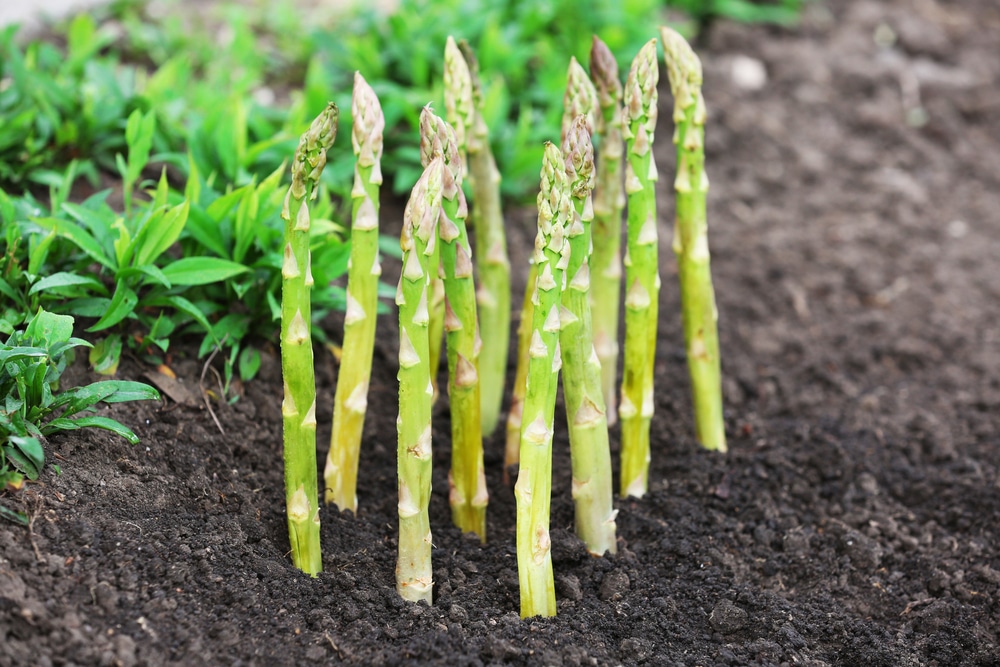
Deer’s tendency to steer clear of mature asparagus plants can be attributed to the unappealing taste and scent factors of this vegetable. Asparagus possesses a unique combination of taste and smell that makes it deer resistant. The bitter and pungent qualities of asparagus are likely deterrents for deer, leading them to avoid consuming this plant. Additionally, the strong aroma emitted by asparagus can be off-putting to deer, further contributing to its unattractiveness as a food source for these animals.
The taste and scent factors of asparagus play a crucial role in its deer resistance. These elements act as natural defenses, reducing the risk of deer damage to mature asparagus plants. By possessing characteristics that are unappealing to deer, asparagus remains a low-risk plant for deer browsing. Understanding the impact of taste and scent on deer behavior provides valuable insights into why deer typically avoid feeding on asparagus, making it a safer option for planting outside deer-fenced areas.
Asparagus Compounds Deer Avoid
Several unpalatable compounds present in asparagus deter deer from consuming this plant, making it a low-risk option for deer browsing. Deer, known for their selective feeding habits, tend to avoid asparagus due to the presence of these compounds. One such compound is asparagusic acid, responsible for the distinct odor released when asparagus is metabolized. This odor, although appealing to humans, repels deer, affecting their willingness to eat the plant. Additionally, saponins found in asparagus can cause digestive issues in deer, further discouraging consumption. These compounds collectively create a taste and smell profile that deer find unappealing, making asparagus a safe choice for gardeners looking to avoid deer damage. Understanding the natural defenses of plants like asparagus against deer browsing can help in selecting suitable options for landscaping and gardening, especially in areas where deer populations pose a threat to plant life.
Asparagus as Deer Deterrent
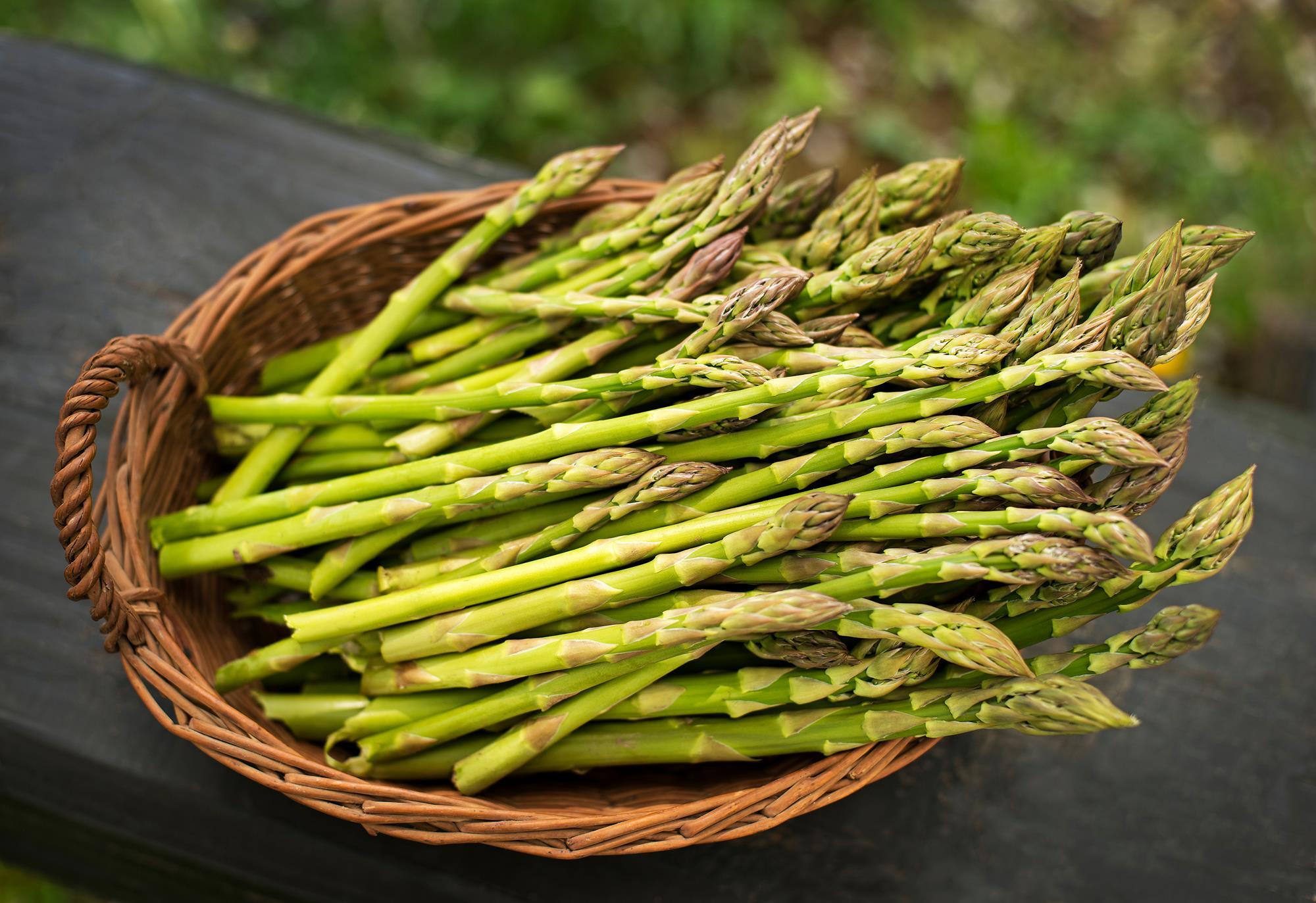
Asparagus serves as a natural deterrent for deer due to its unpalatable taste and odor profile, making it a less favorable option for deer browsing compared to other plants. While deer may occasionally nibble on new shoots, they typically avoid mature asparagus plants due to their unappealing characteristics. The level of deer resistance in asparagus can vary depending on local deer populations and behaviors.
To protect asparagus from potential deer damage, installing a deer fence can be an effective solution. A physical barrier like a deer fence creates a boundary that deters deer from accessing the asparagus patch, reducing the risk of deer browsing on the plants. This method is particularly useful during times when preferred food sources for deer are scarce, as they might be more inclined to include emerging asparagus shoots in their diet.
Deer Behavior Towards Asparagus
When considering asparagus in relation to deer behavior, it becomes evident that mature asparagus plants are generally unappealing to deer due to their taste and smell. This unattractiveness plays a significant role in protecting asparagus from deer damage. Here are some key observations regarding deer behavior towards asparagus:
- Taste and Smell: Deer tend to avoid mature asparagus plants because of their taste and smell, making them a low-risk target for deer browsing.
- Deer Preference: Asparagus is not a preferred food source for deer, which explains why they are less likely to consume mature plants even if they sample new shoots occasionally.
- Planting Safety: Planting asparagus outside of a deer fence is generally safe as deer do not favor it as a primary food source, reducing the risk of damage to these plants in comparison to other garden crops.

Asparagus Vs. Hungry Deer
If you have ever witnessed hungry deer roaming through a garden, you may notice their behavior towards asparagus differs depending on the availability of their preferred food sources. When deer’s preferred food is scarce, they may resort to munching on new shoots of asparagus, making young plants vulnerable to deer damage. Although asparagus is generally considered deer resistant, in areas with high deer populations, these animals may make asparagus a staple part of their diet, especially during the spring when young shoots are abundant.
Deer damage to asparagus can be a significant concern for gardeners. To protect asparagus from deer browsing, implementing effective deer deterrents is crucial. While mature asparagus plants are less appealing to deer due to their toughness, young shoots are more susceptible to deer feeding. Therefore, if you aim to maintain a healthy asparagus patch, taking proactive measures to prevent deer damage is essential.
Natural Deer-Resistance of Asparagus

Observing the behavior of hungry deer towards asparagus plants reveals interesting insights into the natural deer-resistance of this vegetable crop. Asparagus is generally considered deer-resistant due to its taste and smell. While deer may occasionally nibble on new shoots, they typically avoid mature asparagus plants. The level of deer resistance in asparagus can be influenced by local deer populations and behaviors.
- Taste and Smell: Asparagus’s unique taste and smell act as natural deterrents for deer, making them less likely to consume mature plants.
- Behavioral Patterns: Deer may explore emerging shoots when food is scarce, but overall, they tend to overlook mature asparagus due to its deer-resistant properties.
- Protective Measures: Despite its deer-resistant nature, fencing remains an effective strategy to prevent deer damage to asparagus crops and safeguard against occasional deer foraging tendencies.
Planting Strategies for Protection

To shield your asparagus plants from deer damage, employing planting strategies for protection is crucial. Planting asparagus in deep beds can help safeguard them from being trampled by deer. Additionally, using low fences or bird netting around your asparagus bed is an effective way to deter deer from reaching the plants. Choosing deer-resistant varieties like Jersey Knight can provide an extra layer of protection for your crop.
When considering asparagus varieties, purple types such as Sweet Purple can not only offer delicious yields but also potentially have a higher resistance to deer browsing. It’s essential to note that different asparagus varieties may require varying planting depths, so be sure to follow specific guidelines when planting to ensure optimal growth and protection against deer.
Companion Plants for Asparagus

Planting asparagus alongside companion plants can offer various benefits, enhancing the growth and protection of your crop. Here are some companion plants that can help improve the health and yield of your asparagus:
- Marigolds: These flowers not only add beauty to your garden but also act as natural pest repellents, keeping away pesky nematodes and rabbits that might harm your asparagus plants.
- Basil: Planted near asparagus, basil serves as a natural insect repellent, protecting your crop from unwanted pests. Additionally, the aromatic presence of basil can enhance the flavor of your asparagus.
- Tomatoes: Providing shade for the roots of your asparagus, tomatoes also help deter asparagus beetles that could damage your plants. This symbiotic relationship benefits both crops by promoting healthy growth.
Effective Deer Barriers
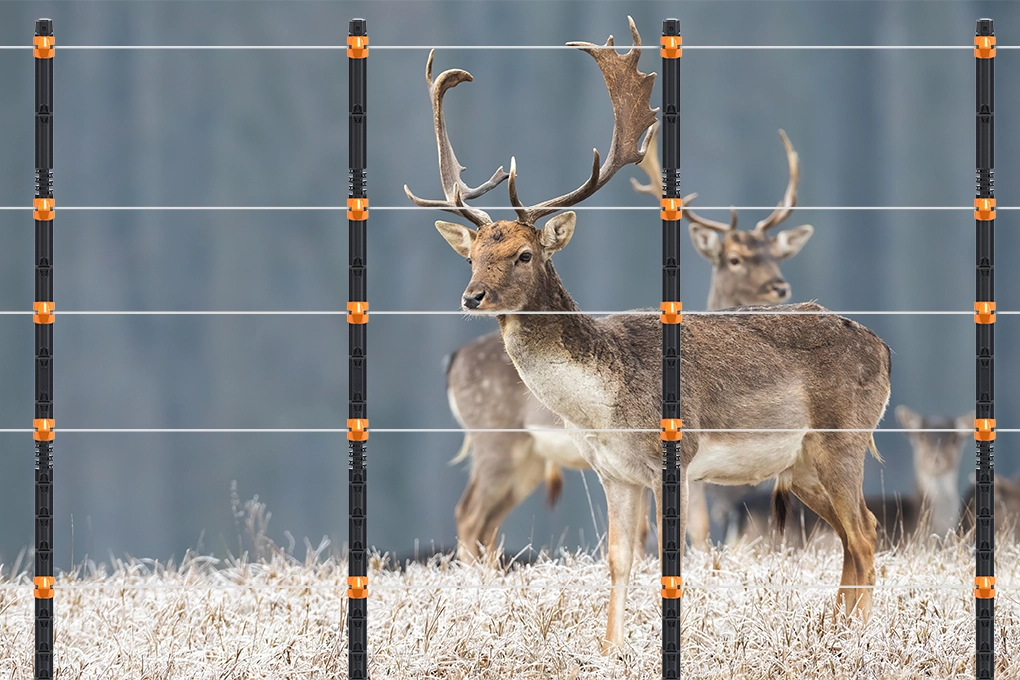
For safeguarding your asparagus plants against deer, implementing effective barriers is crucial to prevent damage and maintain the health of your crop. An 8-foot tall electric fence has proven to be a highly successful deer barrier when it comes to protecting asparagus plants. This type of barrier acts as a physical deterrent, effectively keeping deer away from your precious crops.
Another innovative solution for deterring deer is the Wireless Deer Fence®. By strategically placing Wireless Deer Fence® posts in entrances, you can create an effective barrier that deters deer from entering your garden or yard. Customers have reported significant success in states like New Jersey and Georgia with the Wireless Deer Fence®, making it a reliable option for keeping deer at bay.
Moreover, the long-lasting battery life of the Wireless Deer Fence® ensures continuous protection against deer damage, providing peace of mind for gardeners and farmers looking to safeguard their asparagus plants. Consider these effective deer barriers to protect your asparagus crop and enjoy a thriving harvest.
Electric Posts Installation
How crucial is the proper installation of electric fence posts for effectively deterring deer and safeguarding your precious asparagus plants? When it comes to electric posts installation, attention to detail is key in ensuring the protection of your asparagus beds. Here are some essential points to consider:
- Proper Spacing: Ensuring the correct distance between electric fence posts is essential for creating a robust barrier that deer cannot easily navigate through. A well-spaced arrangement enhances the effectiveness of the deterrent.
- Secure Anchoring: Electric posts should be firmly anchored into the ground to prevent deer from pushing through or knocking them over. Secure installation minimizes the risk of gaps in the barrier that deer could exploit.
- Strategic Placement: Placing electric posts strategically around the perimeter of the asparagus bed is vital for comprehensive coverage. Well-thought-out placement can effectively prevent deer intrusion, safeguarding your plants effectively.
Noise and Visual Deterrents

Implementing noise and visual deterrents is a practical strategy to deter deer from feasting on your precious asparagus plants. Deer are sensitive to sudden sounds and movements, making wind chimes and motion-activated sprinklers effective tools to discourage them from approaching your garden. By introducing these deterrents, you create a dynamic environment that disrupts the peace and quiet deer seek while foraging for food. Combining multiple methods, such as using both noise and visual deterrents, can enhance the overall effectiveness of your deer prevention strategy. However, in regions with dense deer populations, these deterrents may not be as sufficient on their own. In such cases, integrating noise and visual deterrents with fencing can provide a more robust defense against deer damage. While electric fences require regular monitoring, noise and visual deterrents serve as valuable supplementary measures in deterring deer and safeguarding your asparagus plants.
Importance of Fencing
Why is fencing crucial for protecting your asparagus plants from deer damage? Fencing plays a vital role in safeguarding your asparagus crop from hungry deer. Here are three key reasons why fencing is essential:
- Height Matters: An 8-foot tall electric fence is highly effective in keeping deer at bay. This height prevents deer from leaping over and accessing your precious asparagus plants.
- Ground Coverage: It’s crucial that electric fences reach the ground to thwart deer from sneaking underneath and reaching your plants. Ensuring a complete barrier is essential in deterring these animals.
- Reliability: In areas with high deer populations, noise and visual deterrents may fall short in protecting your asparagus. Fencing provides a more reliable option, offering a physical barrier that is harder for deer to penetrate, keeping your plants safe and secure.
Ensuring Asparagus Safety
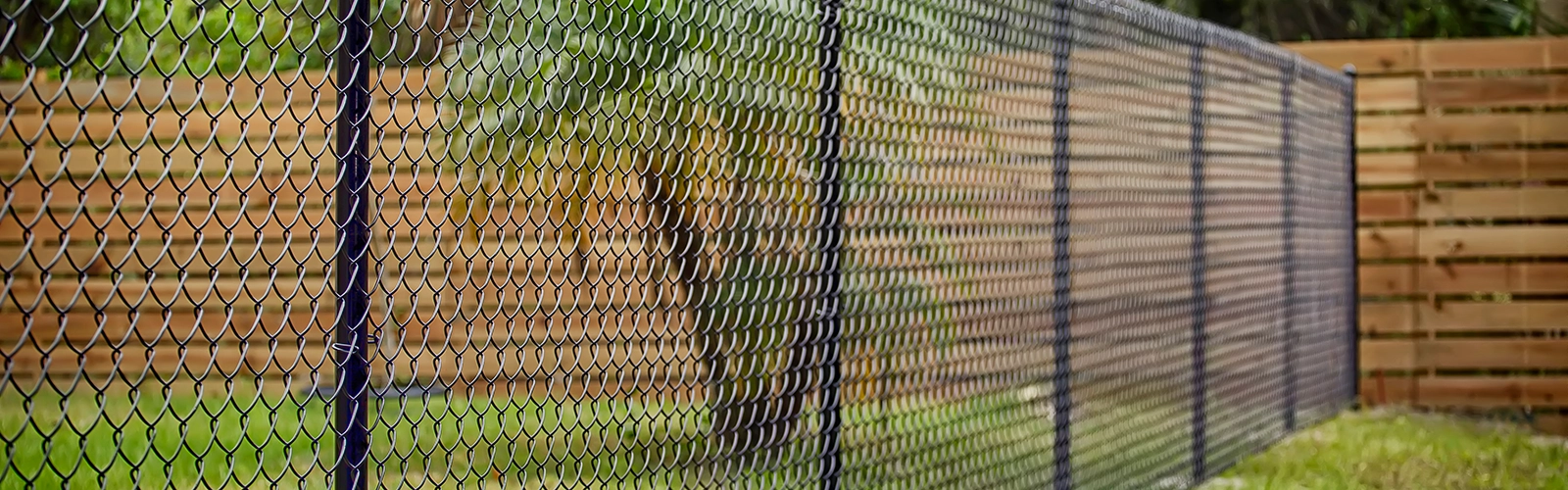
To ensure the safety of your asparagus plants from deer damage, consider the effectiveness of proper fencing. Deer are known to avoid mature asparagus plants, making them less susceptible to browsing. However, young shoots are more at risk of being sampled by deer. While asparagus is not a preferred food source for deer, they may still investigate new growth, posing a threat to your crop.
Installing a sturdy fence around your asparagus patch can act as a deterrent to deer. Opt for a fence at least 7 feet high to prevent deer from jumping over. Additionally, consider electric fencing for added protection, as deer can be discouraged by the mild shock it delivers. Regularly inspect the fence for any damage or areas where deer could potentially sneak in.
Join Our Deer-Free Garden Community
Joining our deer-free garden community provides valuable insights and strategies for maintaining a garden environment free from deer interference. Our community is a hub of knowledge where experienced gardeners share their proven methods to keep deer at bay. Here are three key benefits of becoming part of our deer-free garden community:
- Effective Deterrent Techniques: Learn firsthand from seasoned gardeners about the most successful ways to deter deer from your garden, ensuring your plants remain safe and undisturbed.
- Wildlife Interference Protection: Discover a range of strategies to protect your garden not only from deer but also from other wildlife that may threaten your green space.
- Deer-Resistant Planting Discussions: Engage in conversations about planting deer-resistant vegetables and plants, gaining valuable insights into which flora are less appealing to deer and how to incorporate them into your garden effectively.
In our community, you’ll receive expert advice on creating a deer-free sanctuary for your garden, allowing your plants to flourish without the threat of deer intrusion.