

Plant beans, cabbage, celery, chamomile, garlic, marigolds, mint, nasturtium, and tomatoes near your Swiss chard. Beans enrich soil with nitrogen, while cabbage provides shade and soil moisture. Celery repels pests, and garlic deters aphids. Marigolds repel pests and flowers beautify. Mint’s aroma deters unwanted insects, while nasturtium adds color, traps aphids, and attracts beneficial insects. Tomatoes provide shade and a trellis. This mix supports Swiss chard growth, enhances flavor, and wards off pests, creating a bountiful garden array.
1. Beans
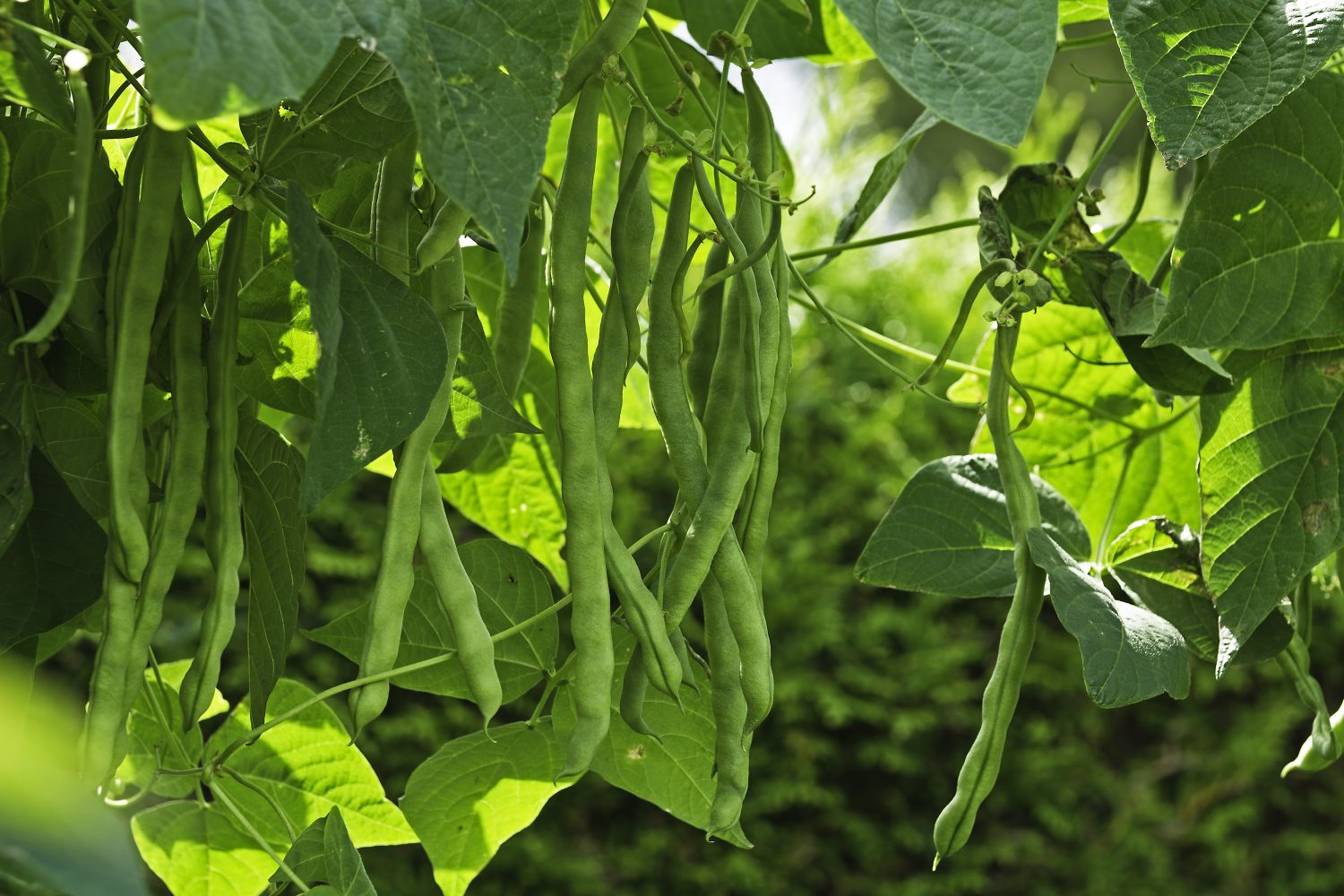
Beans make an excellent companion plant for Swiss chard due to their ability to enrich the soil with nitrogen. This nitrogen-fixing quality of beans is beneficial for Swiss chard, promoting healthier and more vigorous growth. When interplanted with Swiss chard, beans also provide shade during hot weather, creating a microclimate that helps the chard thrive. Moreover, the growth habits of beans and Swiss chard complement each other well, making them compatible planting partners in the garden.
The moist conditions preferred by beans not only support their growth but also benefit Swiss chard, which also thrives in such environments. By growing beans alongside Swiss chard, gardeners can improve the overall soil quality, enhancing the health of their garden. This interplanting strategy not only ensures efficient use of space but also fosters a symbiotic relationship between the two plants, resulting in a flourishing and harmonious garden ecosystem.
2. Cabbage
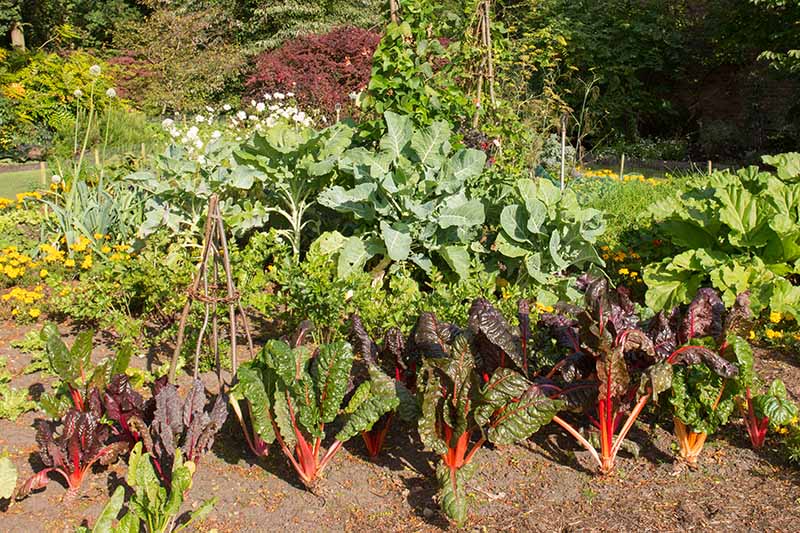
Introducing cabbage as another beneficial companion for Swiss chard in your garden, these two vegetables can create a mutually supportive environment that enhances their growth and productivity. Planting cabbage near Swiss chard not only provides a source of shade for the chard during hot days but also helps in retaining soil moisture, making it an ideal companion for your garden. The roots of cabbage and Swiss chard can interweave underground, creating a mutually beneficial relationship where both plants support each other’s development.
To optimize the benefits of this companionship, consider the following practical tips when planting cabbage alongside Swiss chard:
| Planting Cabbage with Swiss Chard | |
|---|---|
| 1. Location | Next to Swiss chard |
| 2. Soil Moisture | Retains moisture |
| 3. Shade | Provides shade |
| 4. Roots Interweave | Promotes growth |
| 5. Productive Garden Bed | Harmonious results |
3. Celery
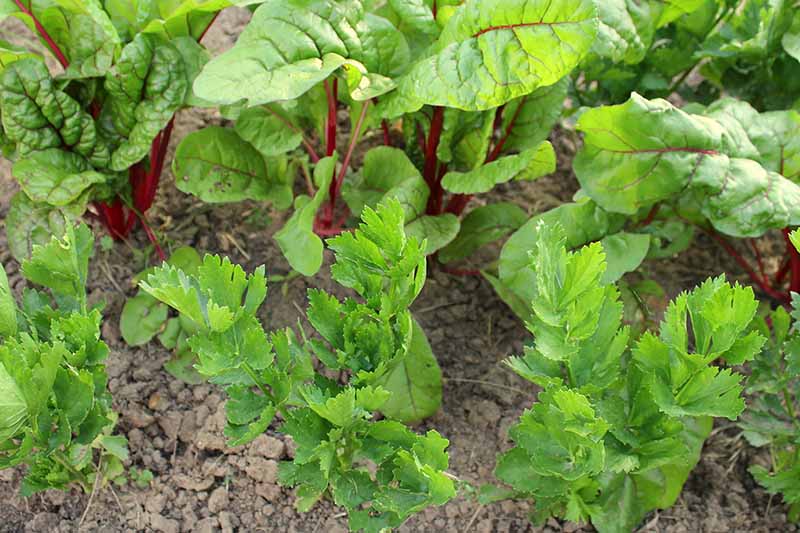
Celery serves as an excellent companion plant for Swiss chard due to their similar growing requirements and the pest-repelling properties of celery’s strong scent. Planting celery near Swiss chard not only optimizes garden space but also helps deter pests that may harm the chard. The combination of these two plants can enhance overall plant health and nutrient utilization. Both celery and Swiss chard thrive in well-draining soil and benefit from consistent watering. The strong scent of celery acts as a natural pest deterrent, protecting the Swiss chard from potential infestations. By strategically placing these plants together, you can create a harmonious environment that promotes growth and helps maintain a pest-free garden. Consider incorporating celery alongside your Swiss chard to reap the benefits of this mutually beneficial relationship and enjoy a thriving garden full of healthy, vibrant plants.
4. Chamomile

Placing chamomile near your Swiss chard can effectively repel aphids and enhance the health of both plants. Chamomile, an aromatic herb, acts as a natural pest deterrent, helping reduce the presence of harmful insects around your chard. By attracting beneficial insects and emitting a scent that pests dislike, chamomile not only deters pests but also promotes the growth of Swiss chard. This companion plant is a practical choice as it is drought-tolerant once established and can be easily grown in containers. The presence of chamomile in your garden contributes to a healthier Swiss chard crop by reducing the pest population. Overall, incorporating chamomile as a companion plant for Swiss chard not only helps in pest management but also enhances the well-being of your chard plants.
5. Garlic
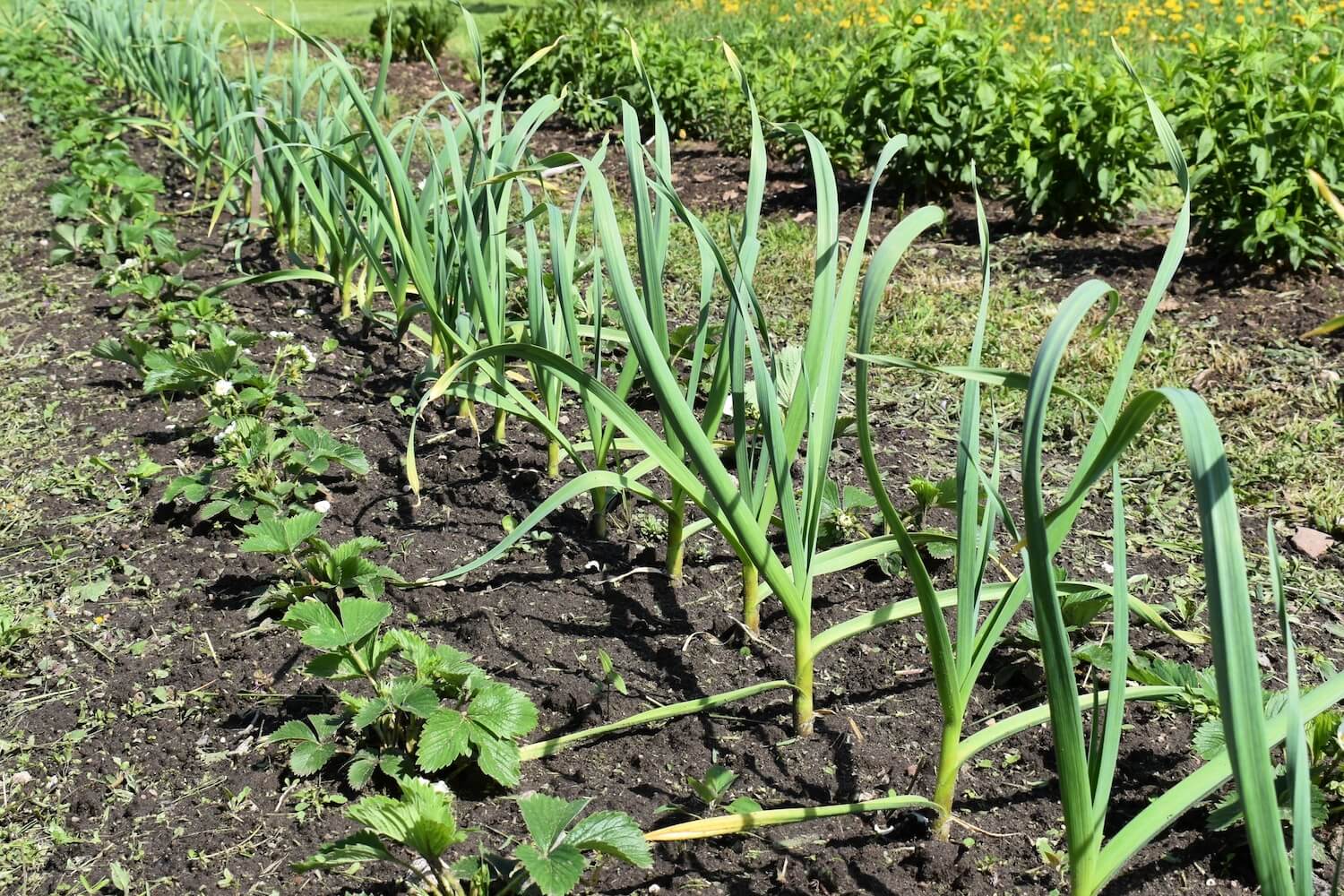
Garlic serves as a valuable companion plant for Swiss chard due to its natural pest-repelling properties and compatibility with the chard’s growth requirements. Planting garlic near Swiss chard can help deter common pests such as aphids and beetles, thus reducing the risk of infestations. The scent of garlic acts as a natural repellent, creating a more favorable environment for Swiss chard to thrive. Additionally, garlic’s non-competitive roots make it an excellent companion as they do not interfere with the nutrient requirements of Swiss chard.
When considering companion planting with chard, garlic stands out as a beneficial option. Not only does it help protect the chard from pests and diseases, but it can also attract beneficial insects that further aid in maintaining a healthy garden ecosystem. Garlic is easy to care for and can be conveniently planted near Swiss chard, enhancing the overall well-being and growth of your chard plants. Incorporating garlic into your gardening efforts is a practical and effective way to support the success of your Swiss chard crop.
6. Lavender

To further complement your Swiss chard planting, consider incorporating lavender as a beneficial companion plant in your garden. Lavender not only enhances the flavor of your Swiss chard but also serves as a functional and attractive addition to your garden. When these two plants are paired together, they create a harmonious environment where they both thrive.
Consider the following table which highlights the benefits of planting lavender alongside Swiss chard:
| Benefits of Lavender as a Swiss Chard Companion |
|---|
| Enhances flavor of Swiss chard |
| Attracts beneficial insects to the garden |
| Repels flies, fleas, rabbits, and deer |
| Coexists harmoniously with Swiss chard |
| Creates a functional and beautiful garden pair |
7. Lettuce
:max_bytes(150000):strip_icc()/how-to-grow-lettuce-getty-5348e204ce4948808dc6e88c7d7b2379.jpg)
Consider planting lettuce alongside your Swiss chard as they are ideal companion plants with similar growth requirements. Both lettuce and Swiss chard have shallow root systems, which prevent competition for nutrients when planted together. Additionally, lettuce can provide shade for the soil, helping to conserve moisture, which benefits the growth of both plants.
Interplanting lettuce and Swiss chard not only maximizes space in your garden but also allows for efficient use of resources. Their compatibility extends to temperature preferences, as both thrive in cooler climates and partial shade. By strategically placing lettuce among your Swiss chard, you can create a harmonious environment that supports their development and yield.
The combination of Swiss chard and lettuce offers a practical solution for gardeners looking to make the most of their space while ensuring that their plants receive the necessary conditions for optimal growth. So, next time you plan your garden layout, consider the benefits of pairing these two companion plants.
8. Marigolds

Pairing marigolds with your Swiss chard can significantly benefit your garden by repelling pests and attracting beneficial insects. Marigolds are not only visually appealing with their colorful flowers but also serve a practical purpose in your garden. These vibrant flowers emit a strong scent that acts as a natural deterrent for pests like aphids and nematodes, protecting your Swiss chard from potential infestations. By planting marigolds around your Swiss chard, you can create a barrier that diverts pests away from your productive crop. Moreover, marigolds attract beneficial insects such as ladybugs and parasitic wasps, which help keep chard pests in check. This dual action of repelling harmful insects and inviting beneficial ones makes marigolds an excellent companion plant for Swiss chard. Enhance both the aesthetic appeal and the health of your garden by incorporating marigolds as a trap crop alongside your Swiss chard for a more bountiful harvest.
9. Mint
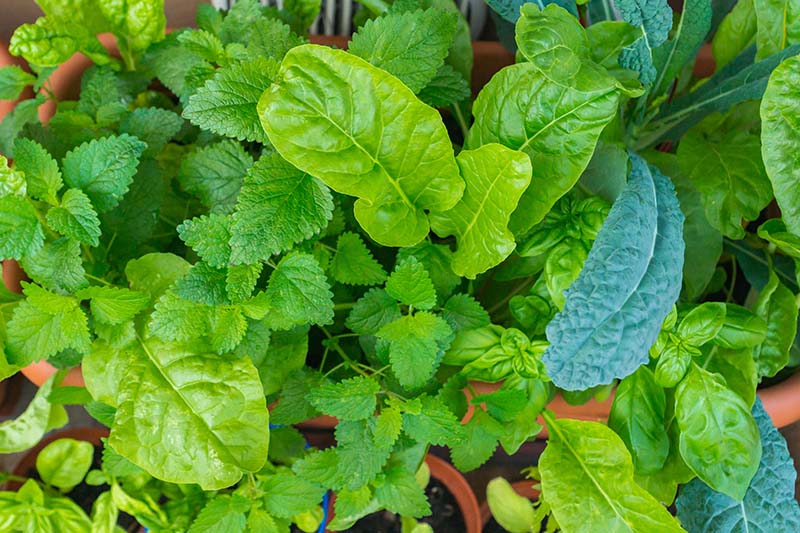
Planting mint alongside your Swiss chard can effectively deter pests and contribute to a healthier garden ecosystem. Mint, as a companion plant, emits a strong aroma that repels common pests such as aphids, flea beetles, and rodents. By incorporating mint near your Swiss chard, you can naturally control these pests without resorting to chemical pesticides, promoting a chemical-free gardening approach. While mint is known to spread rapidly, it is advisable to plant it separately from the Swiss chard to prevent it from overtaking the garden space. The aromatic oils present in mint not only act as a deterrent to pests that may harm the Swiss chard leaves but also help in fostering a more robust and thriving garden ecosystem. To maximize the benefits, strategically placing mint around your Swiss chard can enhance its pest-repelling properties, ultimately leading to healthier Swiss chard growth.
10. Nasturtium

To complement the pest-repelling properties of mint and further enhance your Swiss chard’s garden ecosystem, introducing Nasturtiums as companion plants can provide additional benefits for both your plants and the overall garden health. Nasturtiums are beneficial companion plants that attract beneficial insects and serve as a trap crop for pests. Here are some key points to consider:
- Nasturtiums add color and beauty to your garden while helping control pest populations that can harm Swiss chard.
- They effectively trap aphids, keeping them away from your Swiss chard and reducing potential damage.
- These plants are easy to grow, drought-tolerant once established, and can thrive in containers or garden beds.
- Nasturtiums enhance the overall garden ecosystem by attracting pollinators and predatory insects that benefit Swiss chard growth.
11. Tomatoes

How do tomatoes benefit Swiss chard as companion plants in your garden ecosystem? Tomatoes serve as excellent companions for Swiss chard due to their multi-faceted advantages. Firstly, tomatoes provide shade for the Swiss chard, aiding in moisture retention and preventing the soil from drying out quickly. Additionally, the tall structure of tomato plants can act as a natural trellis, supporting the growth of Swiss chard and optimizing space in your garden.
Moreover, planting tomatoes near Swiss chard helps deter common pests like aphids and whiteflies, contributing to a healthier garden environment. Both crops have similar soil and watering requirements, simplifying maintenance tasks and ensuring optimal growth. The proximity of tomatoes can also enhance the flavor of Swiss chard, creating a harmonious blend of tastes in your dishes. Lastly, the combination of these two plants results in a visually appealing garden bed that is not only aesthetically pleasing but also highly productive.