
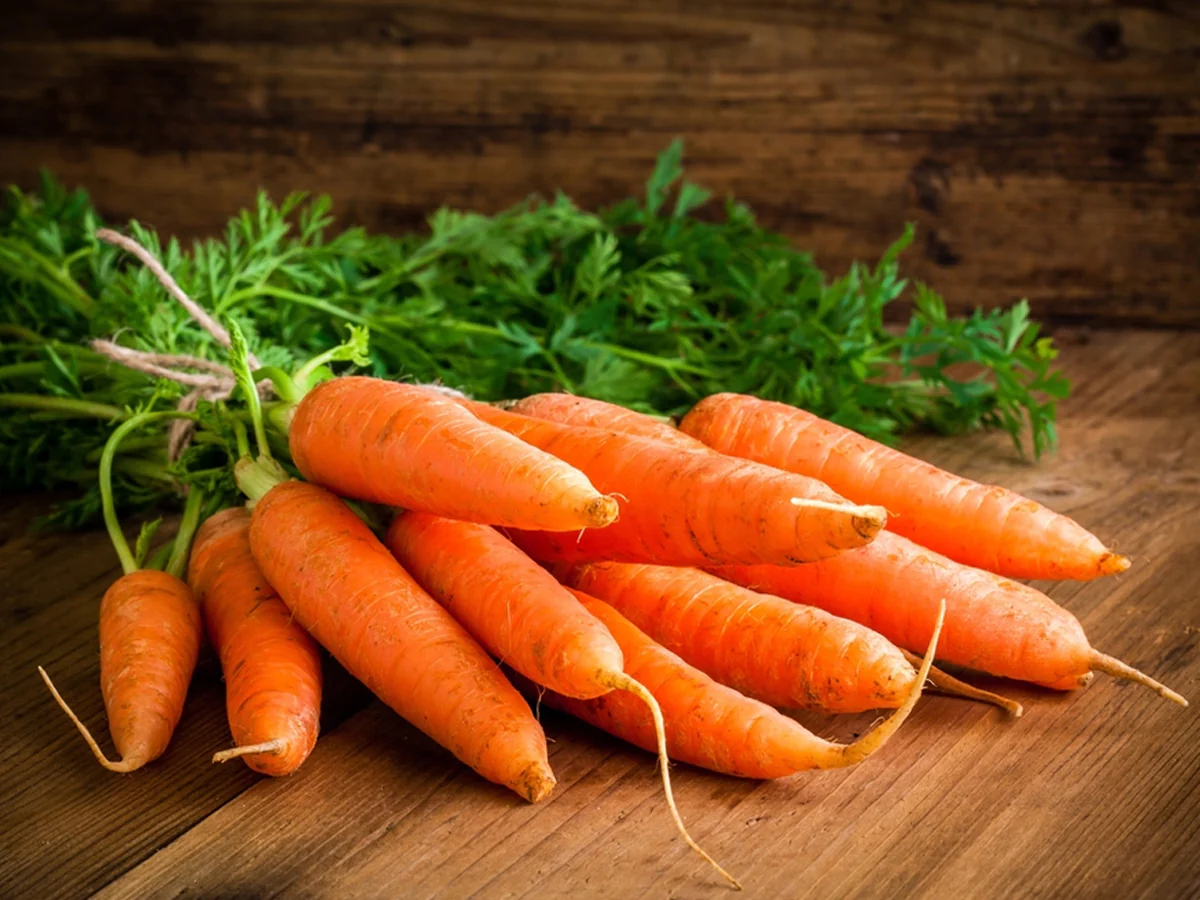
When stored correctly, carrots can maintain freshness, but improper conditions lead to spoilage. Exposure to moisture and warmth accelerates deterioration, causing mold growth, dark spots, and sliminess. Carrots are no longer edible if they turn mushy and emit a bad smell. Mold poses a food poisoning risk. Washing with a vinegar solution kills mold and bacteria, prolonging shelf life. Soaking in vinegar effectively removes contaminants. Airtight containers preserve freshness and flavor, extending the carrot’s life. To learn more ways to ensure your carrots stay fresh and delicious, continue exploring preservation methods and proper storage techniques.
Causes of Carrot Spoilage
Improper storage conditions and exposure to moisture and warmth are primary factors contributing to the spoilage of carrots. When carrots go bad, signs such as mold growth, dark spots, lines, and sliminess become evident. These indicators suggest that the carrots have reached the end of their shelf life and should not be consumed. Additionally, a mushy texture, bad smell, and the presence of mold are clear indications that the carrots have gone bad and should be discarded to prevent food poisoning.
To extend the shelf life of carrots, it is crucial to store them properly. Proper refrigeration and storage in a cool, dry place can help prevent carrot spoilage. By ensuring that carrots are kept in a well-ventilated container in the refrigerator and away from moisture sources, you can help maintain their freshness for a longer period. Checking for signs of spoilage before consuming carrots is essential to avoid any potential health risks associated with consuming spoiled produce.
Importance of Proper Washing
When considering the shelf life of carrots, an important aspect to focus on is the proper washing technique to enhance freshness and remove contaminants effectively. Ensuring that your carrots are cleaned adequately not only extends their freshness but also helps maintain their nutritional value. Here are some key points to keep in mind:
- Washing carrots with a vinegar solution helps kill mold spores, bacteria, E. coli, and listeria, promoting a healthier option.
- Soaking carrots in vinegar for two minutes aids in removing dirt and contaminants, ensuring a clean and safe product.
- Washing whole carrots with vinegar can significantly prolong their shelf life by preventing premature spoilage.
- Trimming the ends and cutting whole carrots in half before washing allows for a more thorough cleaning process.
- After rinsing, drying washed carrots flat on a towel is essential to prevent moisture buildup and maintain their freshness.
Vinegar Solution for Cleaning
To effectively clean carrots and enhance their freshness, utilizing a vinegar solution is a recommended method. Mixing ¼ cup of 5% distilled white vinegar in a large bowl of cool water creates an effective cleaning solution. Before soaking the carrots in this mixture for about 2 minutes, remember to trim their ends. This process helps to kill mold spores, bacteria, E. coli, and listeria, ensuring the carrots are safe to consume. Washing whole carrots with a vinegar solution not only aids in removing dirt and contaminants but also extends their shelf life. After soaking, be sure to rinse the carrots thoroughly and then dry them flat on a towel. This additional step prepares them for storage or use in various recipes. By incorporating this simple vinegar solution into your carrot cleaning routine, you can maintain their quality and safety for longer periods.
Airtight Storage Containers
Airtight storage containers play a crucial role in preserving the freshness and quality of carrots by creating a barrier against air and moisture. When you store your carrots, using a well-sealed container can make a significant difference in their longevity and taste. Here are some key points to consider:
- Preservation: Airtight containers help maintain the crispness and flavor of carrots for a longer period compared to storing them in open bags or containers.
- Variety of Sizes: You can find airtight storage containers in various sizes, allowing you to store small or large quantities of carrots based on your needs.
- Effective Sealing: Containers with snap-on lids or screw-on tops provide a secure seal that prevents air from reaching the carrots, keeping them fresh.
- Material Choice: Opt for glass or plastic containers with tight-fitting lids to ensure optimal storage conditions for your carrots.
- Extended Freshness: Properly sealed airtight containers can help extend the freshness of your carrots, reducing food waste.
Extending Carrot Freshness
Extending the freshness of your carrots can significantly reduce food waste and ensure you get the most out of this nutritious vegetable. To keep carrots fresh, store them properly. Raw whole carrots can last 3-4 weeks in the fridge, while sliced or chopped carrots have a shelf life of 2-3 weeks. Consider using plastic bags or covered bowls for storage, as this can help extend their freshness. Products like Glad Pressn Seal or FLEXN SEAL™ bags are efficient for storing whole carrots, maintaining their crispness and preventing them from drying out.
For cooked carrots, it is recommended to consume them within 3-5 days when stored in the refrigerator. If you plan to freeze carrots, blanching them before freezing is crucial to prevent bacteria build-up and maintain their flavor and texture. By following these storage methods, you can ensure that your carrots stay fresh and delicious for longer periods, reducing food waste and saving money.
Reviving Dehydrated Carrots
To revive dehydrated carrots, start by rehydrating them in filtered water to restore their crunchiness and freshness. This simple method can extend the shelf life of softened carrots while preserving their texture. Using filtered water is crucial to prevent the chlorine in tap water from affecting the flavor when reviving dehydrated carrots.
Rehydrating Dried Carrot
Rehydrate dehydrated carrots by soaking them in filtered water to restore their crunchiness and freshness. This method is a simple way to revive softened carrots and extend their shelf life effectively. Here are some key points to consider when rehydrating dried carrots:
- Crunchiness Revival: Soaking dehydrated carrots in filtered water helps bring back their natural crunchiness, making them enjoyable to eat.
- Avoiding Chlorine: Using filtered water is recommended to prevent the absorption of chlorine from tap water, ensuring the carrots maintain their original flavor.
- Simple Restoration: This method offers an easy way to rejuvenate dehydrated carrots, requiring minimal effort for a satisfying result.
- Freshness Preservation: Reviving dehydrated carrots with filtered water helps preserve their freshness, allowing you to enjoy them for a longer period.
- Cost-Effective Solution: Rehydrating dried carrots at home with filtered water is a budget-friendly alternative to buying new produce, reducing food waste and saving money.
Soaking in Water
Soaking dehydrated carrots in filtered water is a straightforward method to restore their crunchiness and freshness effectively. When carrots have become dehydrated and lost their crisp texture, this simple technique can help revive them. By soaking the carrots in filtered water, they rehydrate, softening up and regaining their crunchiness. Using filtered water is recommended over tap water to avoid the presence of chlorine, which could alter the taste of the carrots. This method not only brings back the carrots’ freshness but also helps extend their shelf life. By rehydrating the dehydrated carrots through soaking, you can ensure that they remain edible for a longer period. So the next time you find your carrots have become dehydrated, remember that a quick soak in filtered water can work wonders in bringing them back to their prime state.
Cooking Techniques for Dehydration
Reviving dehydrated carrots can be achieved through various cooking techniques that effectively restore their texture and flavor. When dealing with dehydrated carrots, cooking techniques for dehydration play a crucial role in bringing them back to life. Here are five effective methods for reviving dehydrated carrots:
- Soaking in Filtered Water: Rehydrate dehydrated carrots by soaking them in filtered water to restore their crunchiness.
- Chlorine-Free Water: Using filtered water is recommended to avoid chlorine from tap water when reviving dehydrated carrots.
- Extend Shelf Life: Soaking dehydrated carrots in filtered water can help extend their shelf life and freshness.
- Texture Restoration: Softened carrots can be brought back to their original texture by soaking them in filtered water.
- Simple and Effective: Reviving dehydrated carrots with filtered water is a simple and effective way to make them crunchy again.
Preventing Mold and Bacteria Growth
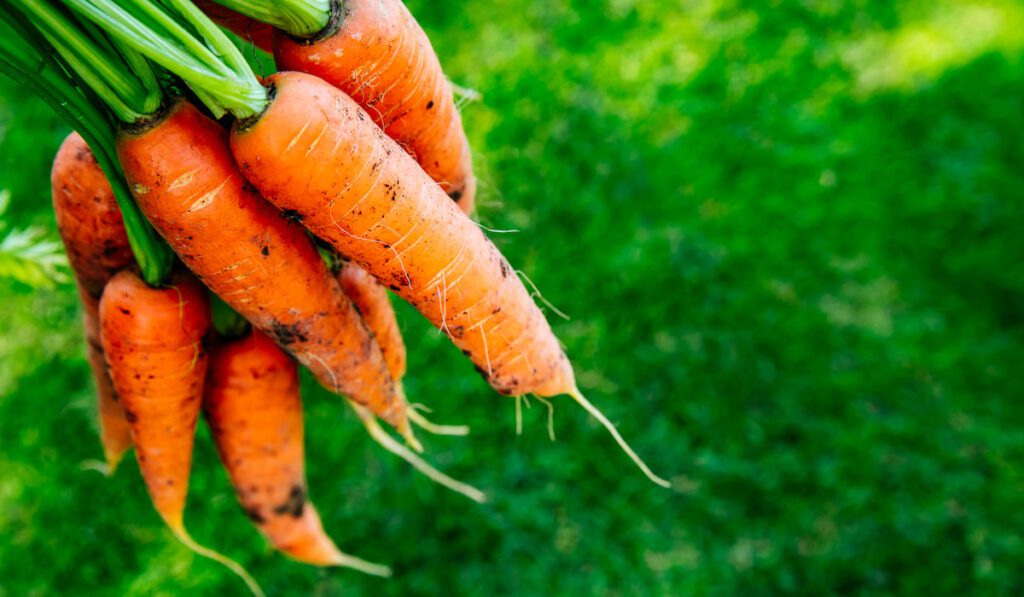
Blanching carrots before freezing is a key step in preventing bacteria build-up and maintaining their freshness. This process involves briefly boiling the carrots and then rapidly cooling them in ice water before freezing. By blanching, enzymes that can cause spoilage are deactivated, ensuring a longer shelf life for your carrots.
Properly washing and drying whole carrots can also help reduce mold and bacteria growth. Before storing, make sure to scrub them under running water to remove any dirt or debris. Drying them thoroughly with a clean cloth or paper towel will prevent excess moisture, which can lead to mold formation.
To further prevent mold, store your carrots in airtight containers with a damp paper towel. The moisture from the paper towel helps maintain the carrots’ crispness while creating an environment that inhibits mold growth.
Additionally, keeping your carrots away from ethylene-producing fruits like apples or bananas can help prevent spoilage. Ethylene gas accelerates the ripening process in fruits and vegetables, potentially causing carrots to spoil faster.
Storing Carrots in Fridge
When storing carrots in the fridge, be sure to keep them in plastic bags or a covered bowl to prevent moisture build-up. Proper fridge storage can help extend the shelf life of raw and cooked carrots. Utilizing Glad Pressn Seal or FLEXN SEAL™ bags can efficiently preserve the freshness and quality of whole carrots.
Proper Fridge Storage
To properly store carrots in the fridge, ensure they are kept in plastic bags or covered bowls to extend their shelf life. By following these tips, you can effectively preserve the freshness of your carrots:
- Use airtight containers: Opt for plastic bags or sealed containers to maintain the humidity levels around the carrots, preventing them from drying out.
- Separate the greens: Trim the carrot greens before storage to prevent them from drawing out moisture from the roots, which can lead to wilting.
- Store away from ethylene-producing fruits: Keep carrots away from fruits like apples, bananas, and avocados, as they release ethylene gas that can promote ripening and spoilage.
- Check for moisture: Ensure there is no excess moisture in the storage bags or containers, as it can lead to mold growth.
- Rotate regularly: Use older carrots first to prevent any of them from going bad while stored in the fridge.
Preventing Moisture Build-Up
Prevent moisture build-up when storing carrots in the fridge by ensuring the containers are free of excess condensation and properly ventilated. Excessive moisture can lead to the carrots becoming soggy and moldy, reducing their shelf life. To help you maintain the freshness of your carrots, consider the following tips:
| Storage Method | Freshness Duration | Additional Tips |
|---|---|---|
| Plastic bags | 3-4 weeks | Squeeze out excess air before sealing the bag. |
| Covered bowls | 3-4 weeks | Place a paper towel in the bowl to absorb moisture. |
| Glad Pressn Seal/FLEXN SEAL™ bags | 3-4 weeks | Press out any air bubbles for a tight seal. |
Proper ventilation is key to preventing moisture build-up and extending the longevity of your carrots in the fridge. By storing them in well-ventilated containers or bags, you can help them stay fresh for an extended period. Remember to check the carrots periodically for any signs of spoilage and discard any that show mold or unusual softness to ensure you’re consuming fresh and safe produce.
Freezing Carrots for Preservation
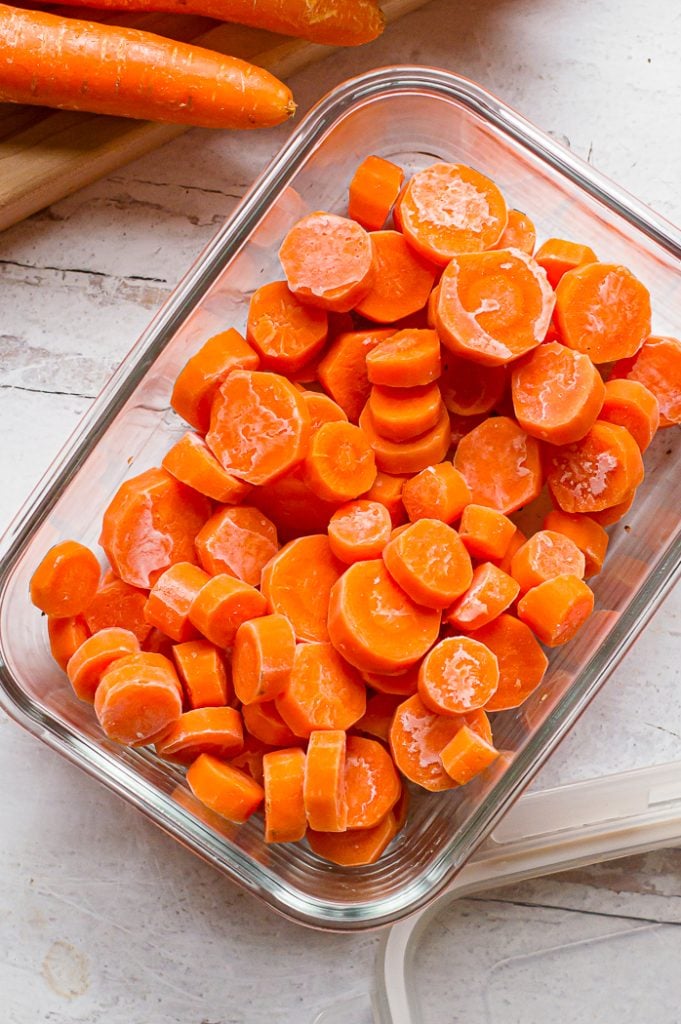
For optimal preservation of carrots, blanch them before freezing to maintain quality and prevent bacteria build-up. Cutting the carrots into desired shapes before blanching makes storage and use more convenient. Remember to chill the blanched carrots in ice water immediately after boiling to halt the cooking process effectively. When you’re ready to freeze your carrots, follow these steps:
- Cut carrots into desired shapes before blanching.
- Chill blanched carrots in ice water after boiling.
- Pat dry blanched carrots before freezing.
- Place carrots in airtight containers or freezer bags.
- Label containers with the freezing date for easy tracking.
Thawing Frozen Carrots
When thawing frozen carrots, prioritize safety by using methods like refrigerator thawing or cold water submersion. To speed up the process, change the water every 30 minutes when submerging carrots, and be cautious about the temperature to avoid bacterial growth. Remember that blanching before freezing helps maintain flavor and texture during the thawing process.
Safe Thawing Methods
Thaw frozen carrots in the refrigerator for several hours or overnight to ensure safe and gradual thawing, maintaining their quality and freshness. This method prevents the carrots from being exposed to temperature fluctuations that could compromise their texture and taste. For a quicker thawing option, you can also submerge the frozen carrots in cold water. Remember to change the water every 30 minutes to ensure a safe thawing process. It’s crucial to keep sliced carrots at a temperature below 40°F during thawing to prevent bacterial growth. Interestingly, frozen carrots can be directly added to cooking in various dishes without the need for thawing, making meal preparation more convenient. By following proper thawing techniques, you can preserve the quality and freshness of the carrots, ensuring they retain their nutritional value and taste.
Quick Thawing Tips
To quickly thaw frozen carrots while maintaining their quality, consider submerging them in cold water and changing the water every 30 minutes for optimal results. This method helps accelerate the thawing process while preventing the carrots from reaching unsafe temperatures. It’s important to ensure that the sliced carrots remain below 40°F to prevent any potential bacterial growth.
Preventing Flavor Loss
To preserve the flavor of your frozen carrots while thawing them, it is recommended to opt for the slow process of refrigerating them for several hours or overnight. This method helps prevent flavor loss and maintains the carrots’ taste and texture. However, if you need to thaw them quickly, submerging the frozen carrots in cold water can expedite the process, ensuring the flavors remain intact. Remember to change the water every 30 minutes to maintain a safe temperature. When dealing with sliced carrots, it’s crucial to avoid leaving them above 40°F for more than 2 hours to prevent any potential bacterial growth that could affect the flavor. Additionally, frozen whole carrots can be directly added to cooking in various dishes without prior thawing, offering convenience while still preserving their flavor. Lastly, blanching the carrots before freezing can help lock in their flavor and texture for longer storage periods.
Tips for Snacking and Cooking
For optimal snacking and cooking with carrots, proper storage methods play a crucial role in extending their freshness and flavor. When it comes to baby carrots, storing them in plastic wrap or plastic bags can effectively prolong their shelf life. Keeping them in airtight containers or covered bowls can also help maintain their crispness and prevent them from drying out.
If you have whole carrots, using products like Glad Pressn Seal or FLEXN SEAL™ bags can be efficient in storing them properly. These sealable bags provide a tight seal that keeps air out, helping the carrots stay fresh for a longer period. Remember to wash and dry the carrots thoroughly before storing them to prevent moisture build-up, which can lead to mold growth.
Whether you’re snacking on raw carrots or incorporating them into your cooking, ensuring they are stored correctly can make a significant difference in their taste and texture. By following these storage tips, you can enjoy delicious and fresh carrots for an extended period.
Maximizing Carrot Shelf Life
Maximize the shelf life of your carrots by utilizing proper storage methods to ensure their freshness and flavor are preserved for an extended period. To make your carrots last longer, follow these tips:
- Store in Plastic Bags: Keep your carrots in plastic bags in the refrigerator to maintain their crispness and prevent moisture loss.
- Use Covered Bowls: If you prefer storing your carrots in a bowl, make sure it is covered to shield them from drying out.
- Try Glad Pressn Seal: For whole carrots, consider using Glad Pressn Seal or FLEXN SEAL™ bags to create a tight seal that prolongs freshness.
- Blanch Before Freezing: Extend the shelf life of your carrots by blanching them before freezing to retain their texture and flavor for a longer period.
- Consider a Large Bowl: When storing a large quantity of carrots, opt for a large bowl to ensure proper air circulation and prevent overcrowding, which can lead to quicker spoilage.
Ensuring Carrots Stay Fresh
Proper storage techniques play a crucial role in ensuring that your carrots stay fresh for an extended period. Raw carrots typically last 3-4 weeks in the fridge, while sliced or chopped carrots have a slightly shorter shelf life of 2-3 weeks. Cooked carrots, on the other hand, should be consumed within 3-5 days to avoid spoilage. To maximize the freshness of your carrots, consider storing them in plastic bags or a covered bowl to maintain their crunchiness. Utilizing products like Glad Pressn Seal or FLEXN SEAL™ bags can effectively preserve whole carrots, preventing them from drying out or becoming rubbery. By employing proper storage methods, you can slow down gas emission in carrots and easily identify any signs of spoilage. Remember, keeping your carrots refrigerated and appropriately sealed can significantly extend their longevity, ensuring that they remain crisp and flavorful until their last day in the fridge.