
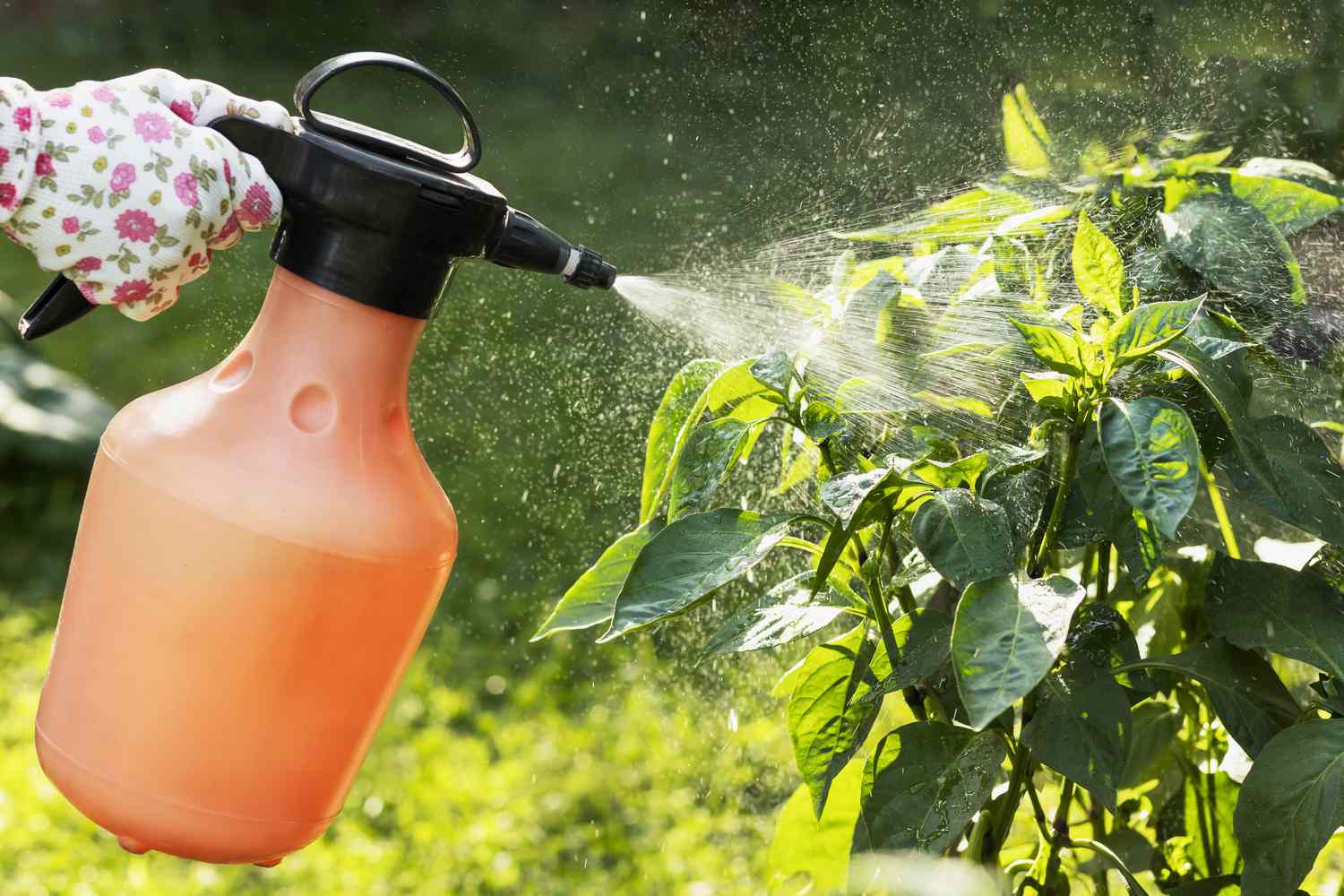
Using vegetable oil on plants provides a natural method to control pests like aphids, mites, and thrips while being eco-friendly. Dilute it properly – 1 cup per gallon of water – to prevent inhibiting plant growth. Test a small area first to check for plant sensitivity. Apply in mist form during dusk for better results. Know that it can disrupt insects’ life cycles, preventing infestations. Be cautious around beneficial insects like ladybugs and bees. Applying vegetable oil properly can offer safe and effective pest control. Mastering these techniques ensures healthy plants without harm.
1. The Benefits of Using Vegetable Oil
Using vegetable oil on plants offers numerous benefits for controlling insect pests effectively and safely. The good news is that vegetable oil, when used as an insecticide, can work well in managing soft-bodied pests such as aphids, mites, and thrips. This natural alternative to synthetic pesticides is not only environmentally friendly but also promotes sustainable pest management practices. Research indicates that vegetable oil can be integrated into Integrated Pest Management (IPM) strategies due to its low toxicity levels. Additionally, studies have shown that when used in appropriate concentrations, vegetable oil does not pose significant harm to plants, making it a safe choice for pest control. The suffocating action of vegetable oil on insects by coating their bodies has proven to be an effective method for pest eradication. For a standard vegetable oil spray, the recommended ratio is 1 cup of oil to 1 gallon of water, with cottonseed oil specifically highlighted for its efficacy as an insecticide.
2. Potential Risks to Plants
When considering the application of vegetable oil on plants, it is essential to be aware of potential risks that may arise. While vegetable oil is generally safe for plant use, certain factors should be considered to prevent any harm:
- Full Strength Application: Applying vegetable oil at full strength may slightly inhibit plant growth, although its herbicidal effects are not significant.
- Lower Concentrations: Lower concentrations are safer for backyard gardens, but testing on a small area of the plant first is advisable.
- Study Published: A recent study found that vegetable oil poses no significant harmful effects on plants, making it a viable pest control option.
- Testing Tolerance: Testing DIY oil sprays on a few leaves before widespread application can help determine the plant’s tolerance and avoid damage to both tops and bottoms of leaves.
3. Proper Dilution Techniques
To achieve optimal results when applying vegetable oil on plants, mastering proper dilution techniques is crucial. When preparing a vegetable oil spray, the standard ratio is 1 cup of oil to 1 gallon of water. This dilution ensures effective coverage on plants without causing harm. To begin, go ahead and mix the oil and water thoroughly in a sprayer. It’s essential to spray both the tops and bottoms of the leaves to target pests effectively. Let’s review the importance of dilution: properly diluted vegetable oil can smother soft-bodied insect pests like aphids and mites, offering a natural and safe pest control method. Dilution techniques are vital in preventing plant damage that can result from using the concentrated oil mixture. By following recommended dilution guidelines, you can ensure safe and effective pest control while protecting your plants from harm.
4. Moderation Is Key
To ensure the optimal health of your plants, it is crucial to use vegetable oil sparingly for pest control. Overuse can lead to detrimental effects on plant growth by clogging leaf pores and impeding photosynthesis. Adhering to recommended application frequencies and ratios will help strike a balance between pest management and plant well-being.
Use Sparingly for Effectiveness
For optimal effectiveness in using vegetable oil on plants, it is crucial to apply it sparingly to avoid negative impacts on plant growth. When it comes to plant protection and pest management, moderation in oil application is key. Here are some essential points to consider:
- Balanced Control: Using vegetable oil in the recommended ratios helps strike a balance between effectively managing pests and maintaining the health of your plants.
- Avoid Harm: Applying the oil mixture in moderation ensures that pests are suffocated without causing harm to the plant itself.
- Prevent Suffocation: Overuse of vegetable oil can potentially block the stomata of plants, suffocating them and resulting in growth issues.
- Optimal Benefits: Moderation in applying vegetable oil on plants is crucial to maximizing its pest control benefits while minimizing any adverse effects on plant growth.
Prevent Overuse Damage
Preventing overuse damage when applying vegetable oil on plants is essential for maintaining their health and growth. Overuse of vegetable oil can lead to phytotoxicity, causing leaf damage and inhibiting growth. It is crucial to exercise moderation to avoid harming the plants. Excessive application of oil can block stomata, which are vital for gas exchange and photosynthesis. To prevent harm, always follow recommended dilution ratios and application frequencies. Monitoring how your plants respond to the oil treatments is key. By observing any adverse effects or stunted growth, you can adjust the application rates accordingly. This proactive approach helps in preventing overuse damage and ensures that the vegetable oil benefits the plants without causing any harm. Remember, moderation is key when using vegetable oil on plants to support their health and overall well-being.
Optimal Application Frequency
Maintaining an optimal application frequency of vegetable oil spray is essential for effective pest control and plant health. To achieve the best results, consider the following:
- Applying vegetable oil spray every 7-14 days aids in pest management without causing excessive buildup that could harm plants.
- Be cautious of overusing oil sprays as it can result in leaf burn and impede plant growth, affecting overall plant health.
- Finding the right frequency balance is crucial; adjust the application frequency based on pest pressure and the sensitivity of your plants to strike the optimal balance.
- Consistent monitoring of your plants is key to determining when reapplication of vegetable oil spray is necessary to maintain pest management effectively.
5. Sensitivity Testing Before Application
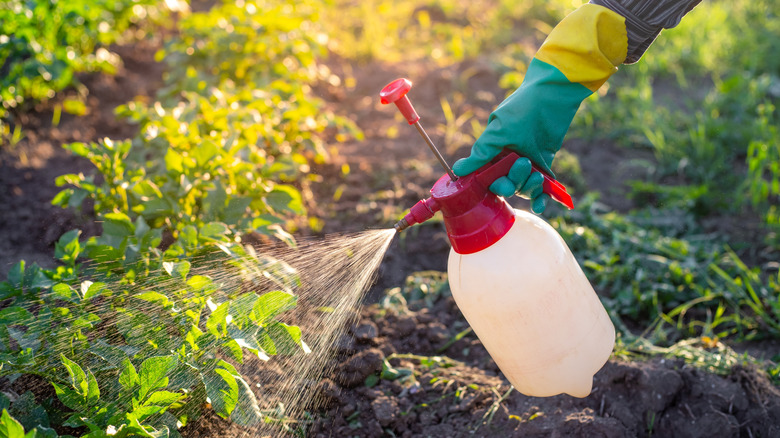
Before applying vegetable oil on your plants, it is essential to conduct a sensitivity test to ensure their tolerance to the oil spray. This step is crucial to assess plant compatibility and potential reactions to the oil mixture. By applying a small amount of the oil spray on a few leaves and observing the test area, you can determine any adverse effects or damage that may occur. Sensitivity testing allows for a thorough assessment of the plant’s response, helping in minimizing harm and avoiding widespread damage in case of unexpected reactions. It is recommended to observe the test area for a few days before proceeding with full-scale application, as this can reveal any negative impacts and enable adjustments in oil concentration or formulation to ensure the well-being of your plants. Conducting a sensitivity assessment before using vegetable oil as a plant treatment is a practical approach to safeguard your plants and promote their health.
6. Vegetable Oil as a Natural Pesticide
Vegetable oil serves as a safe pest control method by suffocating soft-bodied insects like aphids and thrips. Its effectiveness against pests, combined with its environmentally friendly nature, makes it a valuable option for gardeners seeking natural solutions. By disrupting pests’ life cycles and aligning with sustainable gardening practices, vegetable oil emerges as a versatile and practical natural pesticide.
Safe Pest Control
For effective pest control using vegetable oil as a natural pesticide, the standard ratio of 1 cup of oil to 1 gallon of water is recommended. When using vegetable oil for pest control, keep in mind the following:
- Natural alternatives: Vegetable oil provides a natural and eco-friendly alternative to chemical pesticides.
- Plant safety: Vegetable oil is safe to use on most plants, but it’s advisable to test on a small area before widespread application.
- Sustainable gardening: Using vegetable oil aligns with sustainable gardening practices by minimizing the use of harmful chemicals.
- Integrated Pest Management: Incorporating vegetable oil into your pest control methods supports the principles of Integrated Pest Management, focusing on long-term pest prevention with minimal environmental impact.
Effective Against Insects
To effectively combat soft-bodied insect pests like aphids, mites, and thrips in your garden, consider employing vegetable oil as a natural pesticide. Vegetable oil acts as an insect repellent, suffocating and smothering pests upon contact. Unlike harmful chemicals found in traditional pesticides, vegetable oil offers an organic farming solution for pest management. By disrupting the early life stages of insects, it effectively prevents their maturation and hatching, aiding in garden care.
For DIY pest management, mix 1 cup of vegetable oil with 1 gallon of water to create a potent spray. Cottonseed oil ranks as one of the most effective options for insect control, closely followed by soybean oil. To enhance its efficacy, apply the vegetable oil spray during dusk when it can stay wet on plants for longer periods, maximizing its impact on pests. Embracing vegetable oil as a natural pesticide presents an environmentally friendly option for safeguarding your plants.
Environmentally Friendly Option
Utilizing vegetable oil as a natural pesticide offers an environmentally conscious approach to controlling insect pests on plants. When considering sustainable gardening practices, incorporating vegetable oil into pest management strategies provides various eco-friendly benefits:
- Low Toxicity: Vegetable oil serves as a low-toxicity treatment option, aligning well with environmentally conscious practices.
- Suffocation of Pests: This natural oil can effectively smother soft-bodied pests such as aphids, mites, and thrips by coating and suffocating them.
- Disruption of Life Cycles: By using vegetable oil as a pesticide, you can disrupt pests’ life cycles, helping to prevent further infestations.
- Minimized Environmental Impact: Integrating vegetable oil into your gardening routine can assist in managing pests while minimizing harm to the environment.
Incorporating vegetable oil as a natural pesticide not only aids in pest control but also promotes sustainable gardening practices and environmentally conscious approaches to plant care.
7. Impact on Beneficial Insects
Vegetable oil sprays can pose a risk to beneficial insects such as ladybugs, lacewings, and bees if not applied with caution. When vegetable oil residues accumulate on plants, these insects may suffocate or experience reduced mobility. To protect beneficial insect populations, it is crucial to adopt Pollinator protection and application techniques. Integrated Pest Management (IPM) strategies prioritize Beneficial insect conservation by using oil spray tips that minimize harm. Practicing Harm reduction and insect-friendly gardening involves selective application of oil sprays, ensuring direct contact with beneficial insects is avoided. Timing is also essential; applying vegetable oil when beneficial insects are less active can help reduce the impact on their populations. Targeting only pest-infested areas further mitigates the risk to these beneficial insects. By following these guidelines, you can effectively control pests while safeguarding the well-being of beneficial insects in your garden.
8. Best Practices for Application
Applying vegetable oil on plants for pest control requires precise coverage on leaves, stems, and branches to ensure effectiveness. To achieve optimal results, consider the following best practices:
- Coverage techniques: Ensure thorough coverage on all plant surfaces to reach pests effectively.
- Timing benefits: Opt for dusk spraying to prevent rapid evaporation and increase the oil’s efficacy.
- Mist application: Apply vegetable oil in a mist form to prevent excessive dripping and ensure even distribution.
- Alternative methods: Consider using soapy water drowning as an alternative approach by hand-picking pests and submerging them in a mixture of soapy water and oil.