
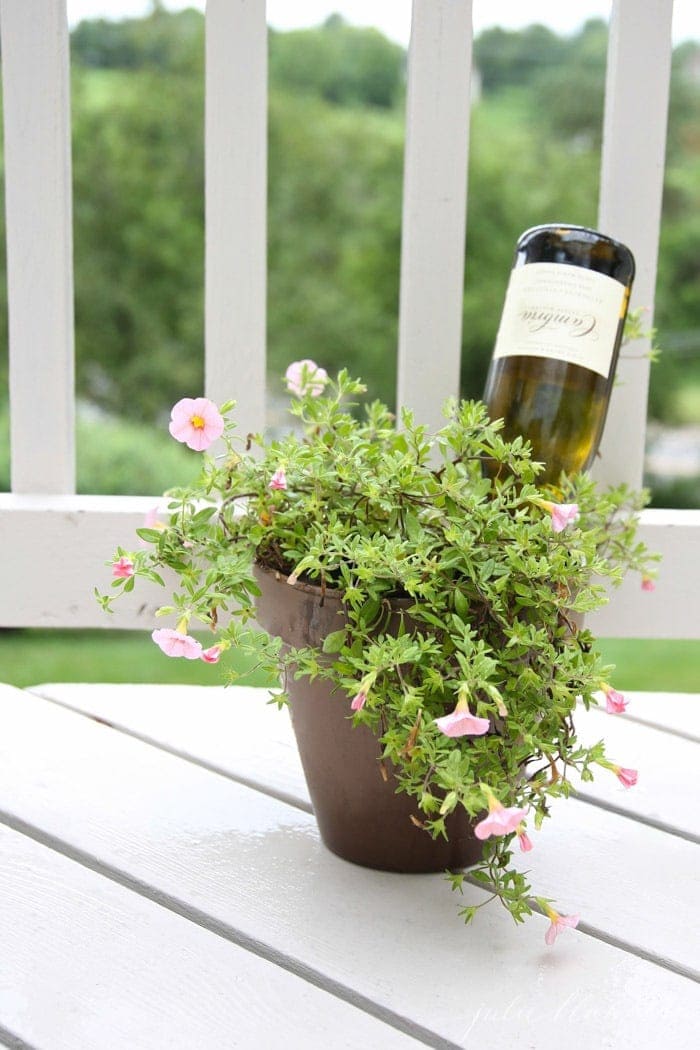
Enhance your plant growth with wine: it contains essential nutrients like nitrogen, stimulates growth, and activates beneficial bacteria. Ferns, orchids, and peace lilies thrive with wine’s organic compounds. Dilute wine in a 1:1 ratio to prevent harm from alcohol and boost absorption. Wine enriches compost, repels insects, and improves plant health. Use it as a natural insect repellent with its acidity and timing is crucial for best results. Boost nutrient absorption and support eco-friendly gardening practices with this unique method. Uncover the secrets of using wine on plants for a lush, thriving garden.
1. Benefits of Using Wine on Plants
Enhancing plant growth and soil quality through the application of leftover wine offers numerous benefits for gardeners and their greenery. Leftover wine contains essential nutrients like nitrogen, which can stimulate plant growth and activate beneficial bacteria in the soil. When used as a soil drench or foliar spray, wine can provide plants with a nutrient boost, resulting in stronger, healthier growth.
Moreover, incorporating leftover wine into compost piles can enhance compost quality by accelerating the breakdown of organic materials. The acidity of wine can also help repel insects, creating a more hospitable environment for composting. This dual action not only enriches the compost but also aids in pest control.
2. Types of Plants That Benefit
Certain types of plants can benefit significantly from the application of wine, leveraging its nutrient content to enhance growth and vitality. Indoor plants, such as ferns, orchids, and peace lilies, can thrive with the use of wine due to their sensitivity to synthetic fertilizers. The organic compounds in wine can provide these plants with essential nutrients like potassium, phosphorus, and nitrogen, promoting healthy foliage and vibrant blooms.
Plants that require well-draining soil, like succulents and cacti, can also benefit from the application of wine. The acidity in wine helps maintain the pH balance in the soil, creating an optimal environment for these plants to grow. Additionally, herbs like basil, parsley, and mint, which are commonly grown indoors, can experience improved flavor and aroma when wine is used as a natural fertilizer.
Incorporating wine into your indoor plant care routine can not only enhance their overall health but also contribute to a sustainable and eco-friendly gardening approach.
3. How to Dilute Wine for Watering
To properly dilute wine for watering your plants, mix it with water in a 1:1 ratio for optimal effectiveness. Make sure the mixture is thoroughly combined to prevent direct exposure to the plants. Adjust the dilution ratio as needed based on the sensitivity and watering requirements of your plants.
Proper Wine Dilution
Consider diluting wine with water in a 1:1 ratio for optimal plant watering to avoid potential harm to your plants. Proper wine dilution is crucial to prevent root damage and soil imbalance. When diluting wine, ensure it is thoroughly mixed with water to create a balanced solution. Undiluted wine can be harmful to plants, causing stress and potential toxicity due to its concentrated nature. Dilution allows plants to absorb essential nutrients from the wine without overwhelming them. This controlled release of nutrients supports optimal plant growth without risking their health.
Maintaining a consistent 1:1 ratio when diluting wine helps plants thrive by providing the necessary nutrients without over-fertilizing them. Accurate dilution is key to ensuring that plants receive the benefits of wine without negative consequences. By diluting wine appropriately, you can support your plants’ health and growth effectively. Remember, dilution is a simple yet critical step in using wine for plant care.
Watering Frequency Tips
When diluting wine for watering plants, ensure a careful balance by mixing one part wine with two to three parts water to prevent any potential harm to your plants. Consider the following tips for watering frequency:
- Adjust Dilution Based on Plant Type: Different plants may have varying sensitivities to wine, so adjust the dilution ratio accordingly.
- Consider Soil Conditions: Soil types can affect how plants absorb nutrients, so adapt the dilution ratio based on the soil’s characteristics.
- Nutrient Benefits: Properly diluted wine can provide nutrients to plants, enhancing their growth without causing harm.
- Application Methods: Use a watering can or spray bottle to apply the diluted wine to plant roots or leaves as required.
- Monitor Plant Response: Keep an eye on how your plants react to wine watering; adjust the frequency based on their health and growth. Remember to use any leftover diluted wine promptly to avoid spoilage.
Impact on Plant Health
Diluting wine with water at a ratio of 1 part wine to 10 parts water is crucial to ensure plant health when using wine for watering. Wine helps prevent potential harm to plants from the alcohol content, making it essential to dilute it properly. This safe dilution ratio avoids damaging plant roots, allowing them to benefit from the nutrients present in wine without negative effects. By diluting wine, plants can absorb its beneficial components without being overwhelmed by its concentration. Applying diluted wine to plant roots or leaves can enhance absorption and promote overall plant health. Moderation is key when using wine on plants, as excessive amounts can be detrimental. By utilizing diluted wine in the correct proportions, you can effectively support plant growth and well-being while avoiding any adverse consequences. Remember, proper dilution is the key to reaping the benefits of wine for your plants without causing harm.
4. Using Wine in Composting
To enrich your compost, consider using wine as a beneficial additive. Spoiled wine can release nitrogen and activate good bacteria in the compost, promoting plant growth. This practice not only enhances soil fertility but also helps repel insects and accelerates the breakdown of organic materials, ultimately benefiting your plants.
Wine for Compost Enrichment
Spoiled wine can be a beneficial addition to compost to enhance nutrient levels and support plant growth. When incorporating wine into your compost pile, consider the following:
- Nitrogen Release: Soured wine releases nitrogen, a key nutrient for plant growth, into the compost pile.
- Bacteria Activation: The acidity in spoiled wine activates beneficial bacteria in the compost, aiding in the decomposition process.
- Insect Repellent: Adding wine to compost helps repel insects, creating a more favorable environment for decomposition.
- Organic Material Breakdown: The properties of wine assist in breaking down organic materials more efficiently, speeding up the composting process.
- Sustainable Practice: Utilizing wine in composting is not only a sustainable practice that reduces waste but also supports eco-friendly gardening practices.
Benefits of Wine Composting
The incorporation of wine into composting practices enhances microbial activity and nutrient availability, benefiting plant growth and soil health. Wine makes a valuable addition to compost piles as it activates good bacteria, speeding up the breakdown of organic materials. Red wine, in particular, can act as a natural insect repellent, helping to reduce plant damage in your garden. Diluting wine in water creates a nutrient-rich solution that can be used to water plants, promoting healthier growth. Additionally, soured wine can be utilized to moisten compost, aiding in optimal nutrient absorption by the organic matter. By using wine in composting, you not only enhance the efficiency of the composting process but also contribute to sustainable gardening practices and waste reduction. Embracing wine composting can be a practical and eco-friendly way to boost the health of your plants and enrich the soil in your garden.

5. Repelling Insects With Wine
Using wine as an insect repellent for plants can be an effective and natural way to deter pests. The strong odor and taste of wine act as a natural deterrent for insects, confusing them and preventing them from targeting plants. Here are some key points to consider when repelling insects with wine:
- Diluted Solution: Spraying a diluted leftover red wine solution on plants can help keep pests at bay.
- Confusion: The scent of wine can confuse insects and discourage them from approaching plants.
- Acidity: The acidity in wine can act as a deterrent, preventing certain insects from feeding on plant leaves.
- Natural Deterrent: Wine’s properties make it an environmentally friendly insect repellent for plants.
- Effectiveness: When used correctly, wine can effectively repel insects without the need for harsh chemicals.
6. Best Timing for Wine Applications
To optimize the effectiveness of wine applications on plants, consider the ideal timing for incorporating wine into compost or using it for direct plant watering. When it comes to using wine in compost, waiting for it to slightly sour is crucial to enhance its efficacy as a fertilizer. This timing impacts the release of nitrogen, which is essential for plant growth. On the other hand, for direct plant watering, it is advisable to utilize unspoiled wine. The slight spoilage of wine is beneficial when using it for composting purposes, as it promotes the growth of good bacteria that aid in decomposition. Proper timing ensures that plants can efficiently absorb the nutrients provided by the wine when used in compost. This acceleration of organic material breakdown leads to healthier plant growth.
| Ideal Timing | Application |
|---|---|
| Slightly sour wine | Composting |
| Unspoiled wine | Direct plant watering |
7. Wine and Plant Nutrient Absorption
Enhancing plant nutrient absorption through the application of wine involves diluting it in water to promote growth and soil nutrient accessibility. Allowing plants to soak in a wine-water mixture for 15-20 minutes can significantly increase the availability of nutrients in the soil. Here are some key points to consider when using wine to enhance plant nutrient absorption:
- Red wine can activate beneficial bacteria in compost, aiding in the breakdown of organic material.
- Wine in compost can act as a natural insect repellent, helping to reduce damage to plants.
- Incorporating wine as a fertilizer in compost can result in stronger and healthier plant growth.
- Coffee grounds can be combined with wine to create a nutrient-rich mixture that boosts plant vitality.
- Using wine strategically in gardening practices can lead to improved nutrient uptake by plants and overall garden health.
8. Eco-Friendly Gardening With Wine
Repurposing wine as a natural fertilizer in eco-friendly gardening practices can significantly enhance soil quality and promote overall plant health. When considering eco-friendly gardening with wine, it’s essential to understand its benefits. Incorporating wine into your gardening routine can give the plant beneficial nutrients, fostering healthy growth. Leftover wine can be a valuable resource, reducing waste and supporting sustainable practices. By diluting wine in water for plant watering or composting, you provide essential nutrients for your plants to thrive. Additionally, adding wine to your compost helps boost microbial growth and nutrient levels in the soil, creating a fertile environment for your plants. Proper timing and dosage are crucial when using wine in gardening to ensure optimal results. By following these practices, you can contribute to a more vibrant garden ecosystem while making the most of your leftover wine.