
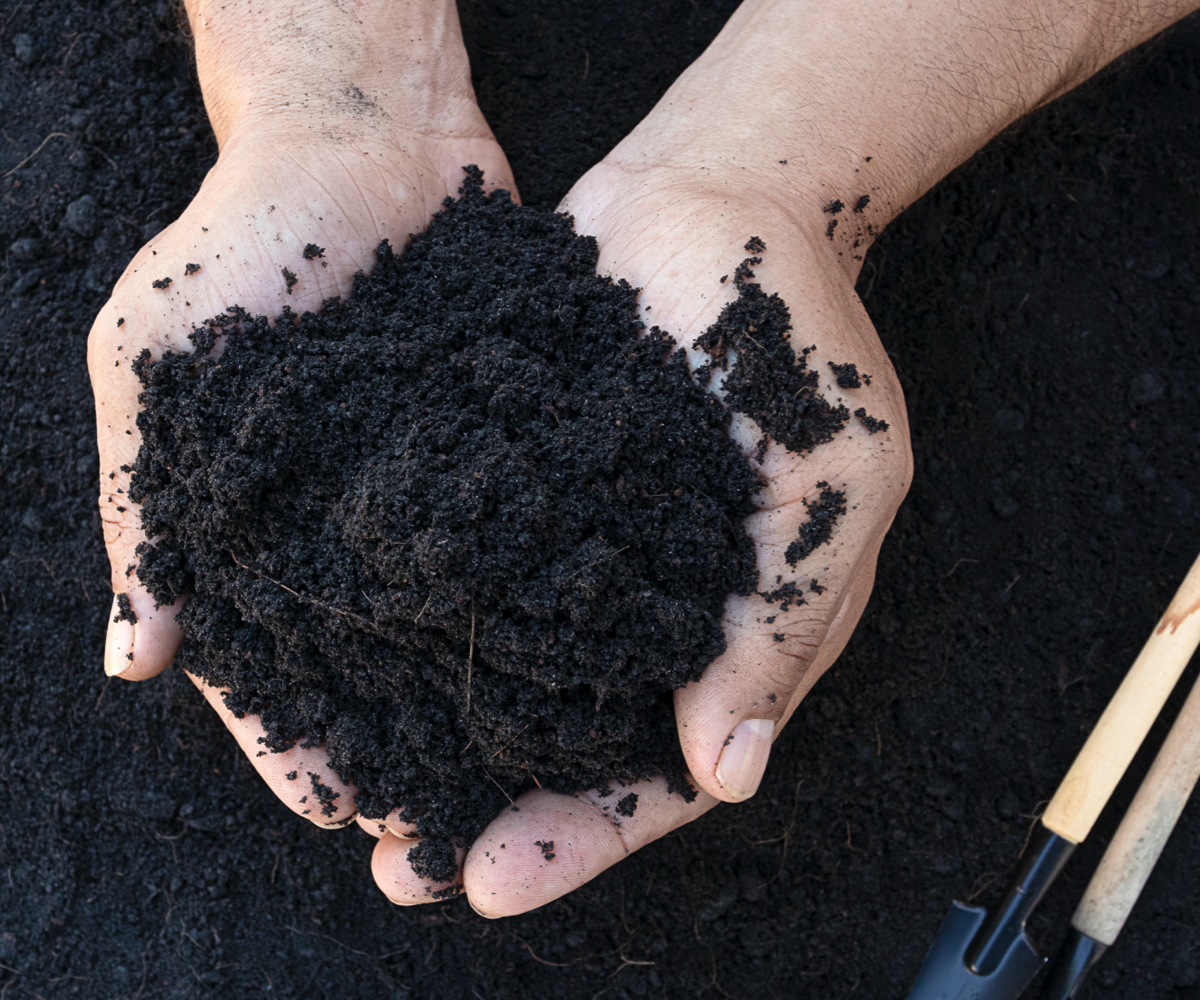
When you spot dark topsoil, it’s the result of organic matter breaking down over time. This decomposition process adds essential nutrients, nurturing plant growth and supporting a variety of microbes crucial for soil health. The rich, dark color indicates the presence of carbon compounds that boost fertility, aiding in nutrient cycling and sustainable land management. This organic matter is key for soil structure, water retention, and improving overall soil health. If you want to learn more about why dark topsoil is vital for agriculture and how it impacts crop yield, keep exploring the connection between topsoil color and productivity.
Formation of Humus
The formation of humus in topsoil results from the gradual decomposition of organic matter, primarily plant and animal residues. This process is crucial in developing the dark color of the topsoil. As organic matter breaks down, carbon-rich compounds accumulate, giving the soil its characteristic dark hue. The presence of humus is essential for soil fertility as it acts as a reservoir of nutrients vital for plant growth. Furthermore, humus supports a diverse microbial community within the soil, which aids in nutrient cycling and enhances soil structure.
The dark color of topsoil serves as a visual indicator of humus abundance. Soils rich in humus are generally darker in color due to the higher concentration of organic materials. These soils are essential for sustaining soil health and productivity. Therefore, the formation of humus plays a critical role in maintaining fertile topsoil, supporting plant growth, and fostering a healthy soil ecosystem.
Decomposition Process
During decomposition in topsoil, organic matter undergoes a transformative process that leads to the creation of dark-colored humus. As dead plant and animal material near the surface break down, several key processes occur:
- Microbial Activity: Bacteria, fungi, and other microbes play a crucial role in breaking down organic matter near the surface. These microorganisms secrete enzymes that digest complex molecules into simpler compounds.
- Nutrient Release: Through decomposition, essential nutrients like nitrogen, phosphorus, and potassium are released from decaying organic matter. These nutrients are vital for plant growth and soil fertility.
- Humus Formation: The breakdown of organic matter ultimately results in the formation of humus, a stable organic material that gives topsoil its dark color near the surface. Humus improves soil structure, water retention, and nutrient availability, making it essential for healthy plant growth.
Carbon Compounds Presence
In the composition of topsoil, the presence of carbon compounds, particularly humus, significantly influences its dark color and nutrient composition. Humus, derived from the decomposition of organic matter like dead plants and animals, plays a crucial role in enhancing soil fertility and supporting plant growth. This organic carbon enrichment not only contributes to the dark color of topsoil but also serves as a reservoir for soil carbon storage. The abundance of carbon compounds in topsoil provides carbon sequestration benefits by capturing and storing atmospheric carbon dioxide. This process helps mitigate climate change by reducing greenhouse gas levels in the atmosphere. Furthermore, the organic carbon enrichment in topsoil promotes microbial activity, which aids in nutrient cycling and availability for plants. Understanding the significance of carbon compounds in topsoil is essential for sustainable land management practices that aim to optimize soil health, productivity, and environmental benefits.
Nutrient Retention Significance
Enhancing nutrient retention in topsoil is critical for supporting plant growth and maximizing crop yield. The dark color of topsoil, indicative of high organic matter content, plays a significant role in nutrient retention. Here’s why it’s important:
- Nutrient Cycling: Organic-rich dark topsoil supports healthy microbial activity, aiding in the cycling of nutrients within the soil.
- Plant Development: Nutrient retention in dark topsoil promotes better plant growth by providing essential elements like nitrogen and phosphorus.
- Ecosystem Health: The ability of dark topsoil to retain nutrients enhances soil fertility, ensuring nutrient availability for plants and supporting the overall health of the ecosystem.
Organic Matter Importance
Organic matter in topsoil plays a crucial role in enriching the soil with essential nutrients for plant growth. The decomposition of organic material contributes to soil fertility by providing a source of nutrients and supporting microbial communities. The presence of organic matter in topsoil is vital for sustaining healthy soil ecosystems and promoting agricultural productivity.
Organic Material Enrichment
A key factor influencing the dark color of topsoil is the enrichment of organic material, particularly humus derived from decomposed plant and animal matter. This organic matter plays a critical role in soil organicity, humus formation, and nutrient enrichment.
- Soil organicity is enhanced by the presence of organic material in topsoil, which improves soil structure and supports microbial life.
- Humus formation, a process where organic matter decomposes into stable forms, contributes to the dark color of topsoil and indicates a high level of organic enrichment.
- Nutrient enrichment is facilitated by the organic material in topsoil, providing essential elements for plant growth and overall soil fertility.
The dark color of topsoil signifies the abundance of organic material, particularly humus, creating a nutrient-rich environment that supports healthy plant growth. The enrichment of organic material in topsoil not only influences its color but also plays a vital role in sustaining soil health and promoting agricultural productivity.
Soil Fertility Enhancement
The significance of organic matter in topsoil for enhancing soil fertility cannot be overstated. Dark topsoil color, indicative of high organic matter content, plays a crucial role in nutrient absorption, crop diversity, and soil rejuvenation. Organic matter, such as humus derived from plant decomposition, enriches topsoil quality, contributing to its dark hue. This organic material supports plant growth by providing essential nutrients like nitrogen, phosphorus, and potassium. High levels of organic matter in dark topsoil improve soil structure, promoting better water retention and enhancing nutrient availability for plants. Moreover, the fertility of dark topsoil is essential for sustainable agriculture practices, facilitating healthy plant growth and ensuring the success of crops. By incorporating organic matter into topsoil, farmers can enhance nutrient absorption, encourage crop diversity, and contribute to soil rejuvenation, ultimately fostering a fertile environment for robust plant growth.
Microbial Activity Support
Dark topsoil coloration results from the support provided by microbial activity in decomposing organic matter. The vibrant color is a visual representation of the intricate processes occurring within the soil ecosystem. Here’s why microbial activity is crucial:
- Microbial Diversity: The diverse community of bacteria, fungi, and other microorganisms present in topsoil play a pivotal role in breaking down organic matter.
- Nutrient Cycling: Microbes aid in the decomposition of dead plant and animal material, releasing essential nutrients back into the soil for plant uptake.
- Soil Ecosystem: The presence of active microbial communities indicates a healthy soil ecosystem, where organisms work synergistically to enhance soil fertility and structure.
Soil Fertility Indication
Soil fertility indication can be discerned from the dark color of topsoil, highlighting the abundant presence of humus and organic matter. The dark hue of topsoil serves as a crucial indicator of soil quality and fertility, signifying a rich environment for plant growth. The table below summarizes the key fertility indicators associated with the dark color of topsoil:
| Soil Quality | Fertility Indicators | Color Significance |
|---|---|---|
| Organic Matter | Abundant humus content | Dark color indicates richness in organic material |
| Nutrient Availability | Essential nutrients reservoir | Dark topsoil indicates nutrient-rich environment |
| Microbial Activity | Thriving microbial communities | Dark color signifies healthy soil ecosystem |
Understanding the significance of topsoil color in relation to soil fertility is vital for assessing the overall health of agricultural land. Dark topsoil not only supports robust plant growth but also enhances soil structure and nutrient cycling, contributing to sustainable agricultural practices.

Water Retention Enhancement
Enhancing water retention in the topsoil is a critical aspect of optimizing soil moisture levels for plant growth and resilience. Dark topsoil, with its high organic matter content, plays a crucial role in water conservation methods and drought resistance strategies. Here’s why:
- Organic Matter Sponge: Dark topsoil acts like a sponge due to its rich organic content, allowing it to retain moisture efficiently.
- Supports Plant Resilience: The ability of organic-rich topsoil to hold moisture better than lighter soils is key in drought resistance strategies, ensuring plants have access to water during dry periods.
- Beneficial for Soil Health: Improved water retention in dark topsoil not only aids in soil moisture management techniques but also supports soil structure and fosters beneficial microbial activity, contributing to overall soil health.
Soil Structure Improvement
Improving soil structure entails implementing various techniques to enhance porosity, aeration, and water infiltration for optimal plant root growth. Soil biology plays a crucial role in maintaining soil health and structure. Adding organic matter such as compost or manure is a fundamental practice to improve soil structure. This addition increases soil aggregation and stability, providing a better environment for soil organisms to thrive and contribute to soil health. Cover cropping and mulching are effective strategies to prevent soil erosion and nutrient leaching, thus preserving soil structure and composition. Incorporating biochar into the soil can further enhance its structure by promoting microbial activity and increasing nutrient retention. By improving soil structure, you are supporting healthy root development, facilitating better nutrient uptake, and ultimately promoting overall plant growth. Therefore, paying attention to soil composition and implementing techniques that enhance soil biology are essential steps towards achieving optimal soil structure for successful plant growth.
Plant Growth Promotion
Dark topsoil, with its high organic matter content, plays a crucial role in promoting plant growth. The presence of organic-rich soil fosters beneficial microbial activity, which aids in the efficient cycling of nutrients essential for plant development. This nutrient-rich environment supports robust root systems, water retention, and sustained growth of crops.
Enhanced Nutrient Availability
Within nutrient-rich dark topsoil, the presence of humus stimulates microbial activity, facilitating the essential process of nutrient cycling for robust plant growth. This dark coloration signifies enhanced nutrient availability, crucial for supporting healthy plant development. The intricate relationship between organic matter decomposition and microbial diversity in the topsoil plays a pivotal role in fostering nutrient cycling, ensuring that plants have access to vital minerals for their growth. Furthermore, the nutrient-dense dark topsoil serves as a reservoir for essential nutrients, promoting not only robust plant growth but also increased crop yield. Additionally, the presence of humus in dark topsoil aids in root development, allowing plants to establish strong root systems for efficient nutrient uptake.
- Nutrient cycling is facilitated by microbial activity in dark topsoil.
- Microbial diversity plays a crucial role in maintaining nutrient-rich environments.
- Root development is supported by the presence of humus in dark topsoil.
Microbial Activity Support
Supporting plant growth through microbial activity in dark topsoil involves a complex network of interactions that facilitate nutrient cycling and decomposition processes. The dark color of topsoil is a visual indicator of the high microbial diversity present, which plays a vital role in enhancing soil fertility and promoting plant growth. Microorganisms such as bacteria and fungi break down organic material in the soil, releasing essential nutrients like nitrogen, phosphorus, and potassium for plants to uptake and thrive.
The active microbial communities in dark topsoil contribute to nutrient cycling by transforming organic matter into forms that are readily available to plants. This process not only aids in nutrient availability but also improves soil structure, water retention, and overall plant health. The presence of diverse microbial communities in dark topsoil supports a balanced ecosystem where beneficial interactions between microorganisms and plants lead to sustainable growth and increased productivity. In essence, the dark color of topsoil signifies a vibrant and thriving environment where microbial activity plays a crucial role in supporting plant growth.
Crop Yield Enhancement
Enhancing crop yields is directly linked to the high organic matter content found in dark topsoil. Dark topsoil, with its rich organic matter, plays a crucial role in improving soil health, which in turn leads to enhanced crop productivity. Here are key factors explaining how dark topsoil contributes to crop yield optimization:
- Nutrient Absorption: The organic-rich nature of dark topsoil fosters healthy microbial activity, essential for nutrient cycling and availability to plants.
- Yield Optimization: The dark color of topsoil indicates its ability to retain water, ensuring consistent moisture levels crucial for optimal crop growth and yield.
- Soil Health: The presence of humus in dark topsoil creates a favorable environment for root establishment and nutrient uptake, promoting overall soil health and boosting crop productivity.
Dark Color Benefits
The dark color of topsoil signifies an abundance of organic matter, providing numerous benefits for soil fertility and crop productivity. From a color psychology perspective, the dark hue suggests richness and fertility, which subconsciously influences perceptions of soil health and productivity. This coloration is not just visually appealing; it also indicates the presence of humus, a key component that supports healthy microbial activity essential for plant growth. The environmental benefits of dark topsoil are significant, as it improves soil structure, aiding in water retention and nutrient availability. This promotes vibrant plant growth and higher crop yields, making it a valuable asset for agricultural productivity. Additionally, the aesthetic appeal of dark topsoil adds a visually pleasing aspect to landscapes and gardens. Overall, the dark color of topsoil not only enhances soil health and fertility but also contributes to the overall beauty and productivity of agricultural lands.
Topsoil Health Impact
Dark topsoil color has a significant impact on the overall health of the soil ecosystem. The richness of dark topsoil in organic matter provides numerous benefits that support soil health, have environmental impacts, and aid in ecosystem support:
- Soil health benefits: The high organic matter content in dark topsoil signifies fertility, enhancing soil structure, water retention, and nutrient availability. This promotes healthy plant growth and sustains soil health over time.
- Environmental impact: The presence of humus in dark topsoil contributes to sustainable agriculture practices by promoting nutrient cycling and providing a reservoir for essential nutrients. This helps reduce the need for synthetic fertilizers and supports environmentally friendly farming methods.
- Ecosystem support: The dark color of topsoil reflects its richness in organic matter, which fosters healthy microbial activity underground. This, in turn, supports a thriving ecosystem below the surface, contributing to overall biodiversity and ecosystem resilience.
Agricultural Productivity Connection
Dark topsoil, rich in organic matter, plays a crucial role in enhancing agricultural productivity. The deep color signifies high soil fertility levels, which directly impact crop yields and nutrient availability. Understanding the correlation between dark topsoil and agricultural productivity is essential for optimizing soil management practices and ensuring sustainable food production.
Soil Fertility Impact
A high organic matter content in topsoil significantly impacts soil fertility, directly correlating with agricultural productivity. Dark topsoil color indicates the presence of rich organic matter, such as humus, which plays a vital role in supporting soil fertility and overall agricultural sustainability. Here are some key points to consider:
- Soil quality assessment and nutrient cycling are influenced by the dark color of topsoil, indicating higher levels of organic matter crucial for sustaining plant growth.
- Sustainable farming practices and effective soil management strategies are facilitated by the enhanced soil fertility associated with dark topsoil color, promoting long-term agricultural productivity.
- The composition of topsoil, particularly its organic richness reflected in its dark color, contributes to improved nutrient availability, water retention, and microbial activity, all of which are essential for maintaining soil health and supporting robust plant growth in agricultural fields.
Crop Yield Correlation
Enhancing crop yield in agricultural settings is directly linked to the correlation between topsoil color and overall productivity. The yield potential of crops is intricately tied to the health of the soil they grow in. Dark topsoil color signifies a rich organic content, which translates to improved soil quality and enhanced crop health. This dark coloration indicates a higher level of soil fertility, providing plants with essential nutrients necessary for optimal growth and development.
In agricultural practices, maintaining dark topsoil is crucial for maximizing crop yield. The organic matter present in dark topsoil plays a significant role in promoting nutrient retention, ensuring that plants have access to the resources needed for robust growth. As a result, the correlation between topsoil color and crop yield is clear – darker soils often lead to higher agricultural productivity due to the favorable conditions they offer for plant root systems to thrive and flourish. Farmers prioritize nurturing dark topsoil to sustain crop yield and achieve overall agricultural success.