
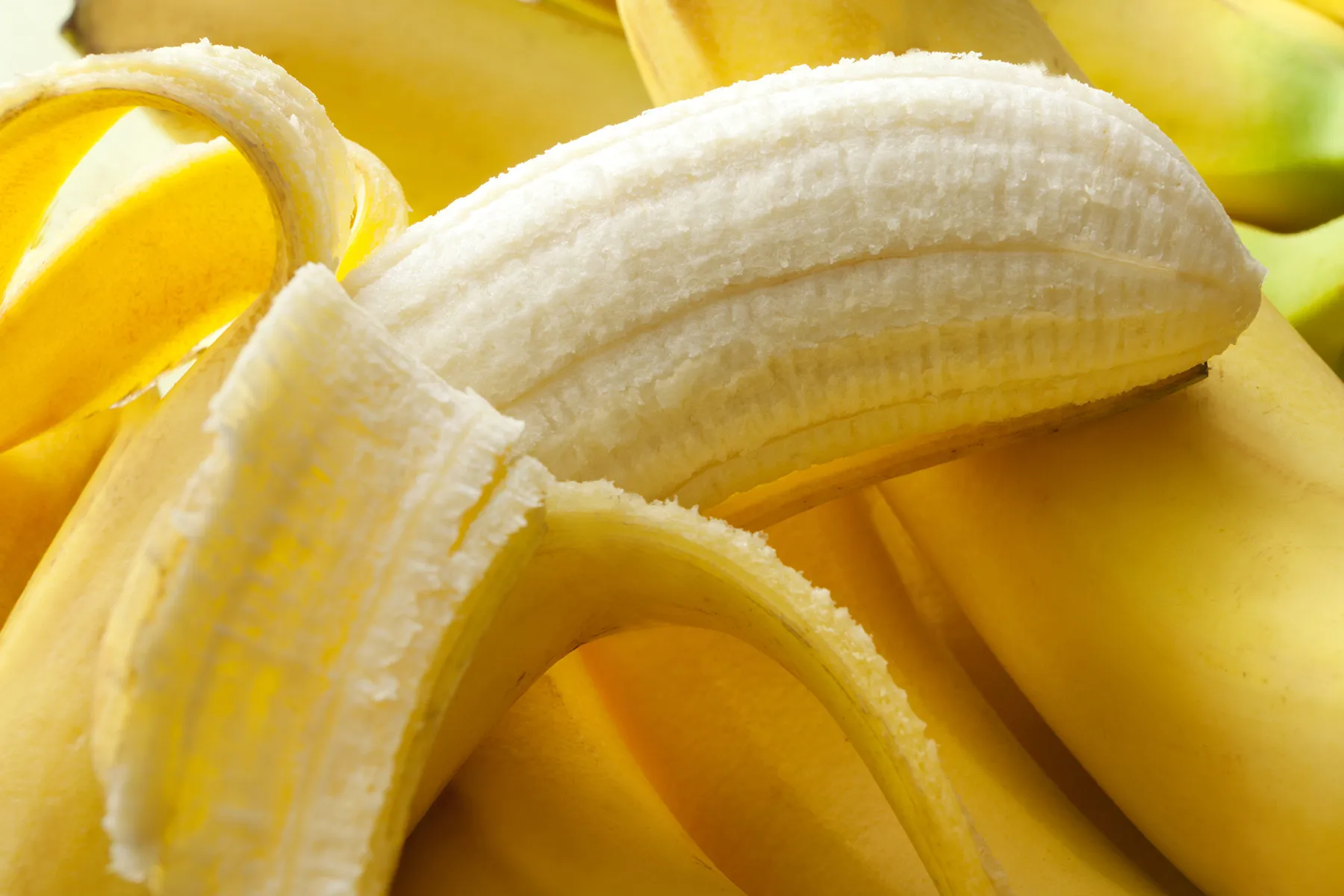
Yes, bananas do have seeds, but they are so tiny that you can’t really see or feel them when you enjoy the fruit. Thanks to selective breeding, modern bananas have very small, non-functional seeds compared to their seeded ancestors. Bananas can reproduce without seeds, using methods like pups and rhizome cuttings. The black specks you sometimes see in bananas are leftover vestiges of seeds. If you’re intrigued by this surprising fact, there’s more to uncover about the evolution and growth of bananas.
History of Banana Seeds
Before human intervention transformed bananas into seedless hybrids, their history was marked by the presence of tiny, non-functional seeds. These tiny seeds found in modern bananas are remnants of their seeded ancestors dating back to around 5000 B.C. While these seeds serve no reproductive purpose in today’s bananas, they are a nod to the genetic diversity of their past. The development of seedless hybrids was driven by a desire to enhance the taste and texture of bananas, leading to the absence of viable seeds in commercial varieties. However, this shift towards seedlessness has raised concerns about the limited genetic diversity within banana crops, making them more susceptible to diseases and pests. The popular Cavendish banana, a seedless variety, faces a threat of extinction due to its vulnerability, emphasizing the importance of preserving different banana varieties to ensure the longevity of this beloved fruit.
Evolution of Seedless Bananas
Over time, bananas have undergone a remarkable evolution from seeded fruits to the seedless hybrids we enjoy today. The development of seedless bananas can be attributed to selective breeding practices aimed at enhancing consumer appeal by reducing or eliminating seeds. Here are some key points about the evolution of seedless bananas:
- Seedless bananas are a result of selective breeding efforts to create modern varieties with reduced or no seeds.
- The tiny seeds found in modern bananas are non-functional remnants of their seeded ancestors, highlighting their evolutionary journey.
- Despite being seedless, bananas can still be propagated through vegetative means like pups and rhizome cuttings, ensuring their continued cultivation and availability.
This evolution towards seedless varieties has significantly contributed to the widespread popularity and convenience of bananas as a favored fruit choice among consumers.
:max_bytes(150000):strip_icc()/do-bananas-have-seeds-3269378-06-79f0ca7ccf0047929299e0d0d0ab1b1f.jpg)
Bananas: Not Actually Trees
Bananas, despite commonly being mistaken for trees, actually grow on herbaceous plants with succulent stems and minimal seeds. The tiny black specks found in bananas are vestigial seeds that have no reproductive purpose. Commercially grown bananas are mostly seedless, a result of human intervention and selective breeding. These fruits reproduce through vegetative means such as pups and rhizome cuttings rather than through seeds. Although classified as berries botanically, bananas are frequently misunderstood to be products of tree growth due to their tall appearance and bunch formation. The absence of large, hard seeds in bananas contributes to their familiar soft texture. Understanding that bananas develop on herbaceous plants, not trees, sheds light on the unique growth and cultivation methods employed to produce the seedless varieties commonly enjoyed worldwide.
Life Cycle of a Banana Plant
Banana plants initiate their life cycle by sprouting from rhizomes and producing pups or suckers for propagation. These pups develop into new plants, eventually replacing the parent plant. Here are some key points about the life cycle of a banana plant:
- Reproduction: Banana plants reproduce by producing pups or suckers, which grow into new plants.
- Fruiting: Typically, banana plants bear fruit only once before dying, but the cycle continues through new plants.
- Propagation: The propagation of banana plants involves cultivating pups or suckers to establish new banana plants.
Throughout its life cycle, which spans around ten years, a banana plant progresses through stages of growth, flowering, fruiting, and reproduction. This cycle ensures the continuity of banana production by constantly replacing older plants with new ones. Understanding the life cycle of a banana plant sheds light on the intricate process behind the growth and fruiting of this beloved tropical fruit.
Misconceptions About Banana Growth
A common misunderstanding regarding the growth of bananas revolves around the presence of seeds within the fruit. Bananas do contain seeds, but they are tiny and almost seedless, making them inconspicuous when consuming the fruit. The seeds in bananas are underdeveloped, leading to the misconception that they are seedless. Commercially grown bananas are specifically altered to minimize seeds, with a focus on producing seedless varieties to cater to consumer preferences. In cultivated varieties, banana seeds are sterile and have no reproductive function. Instead, bananas are predominantly grown through cloning methods rather than seed propagation. The misconception that bananas are seedless primarily arises from the diminutive, underdeveloped seeds that are not prominently visible in the fruit’s flesh. Understanding the intricacies of banana growth can help dispel myths and shed light on the fascinating cultivation methods employed in the banana industry.