

For your peace lily, using cactus soil is key. This choice boosts drainage, curbs root rot, aids root growth, ups oxygen levels, and has less organic matter. To employ cactus soil with success, repot your plant first. Blend cactus soil with perlite, ensure good drainage, adjust watering smartly, and keep an eye on plant well-being. The soil mix you opt for is crucial to your peace lily’s prosperity. It should bolster root health, provide necessary nutrients, and aid air circulation. By choosing cactus soil, you set the right foundation for your thriving peace lily.
Soil Composition for Peace Lilies
When choosing soil for your peace lilies, opt for a cactus soil mix that promotes optimal root health and growth. The key to successful growth lies in the composition of the potting soil. Cactus soil provides the perfect environment for the roots of peace lilies to thrive. Its components, such as vermiculite, perlite, and peat moss, ensure adequate drainage, preventing waterlogging that can lead to root rot. This mix allows air to circulate around the roots, promoting healthy growth and preventing issues caused by overly compacted soil. Additionally, cactus soil provides the necessary nutrient availability for peace lilies to flourish, offering a balanced environment for their development. By choosing a pre-made cactus soil mix, you can ensure that the pH levels are optimal for your peace lilies, setting the stage for vibrant, healthy plants that are less prone to common soil-related problems.
Aeration and Moisture Retention
To ensure optimal growth for your peace lily, understanding soil aeration and moisture retention is crucial. Cactus soil’s light and loose texture promotes proper airflow around the roots, preventing soil compaction. Additionally, its moisture retention capabilities help maintain the right balance, keeping your peace lily hydrated without risking overwatering.
Soil Aeration Benefits
Enhancing soil aeration through the use of cactus soil provides crucial benefits for peace lilies, ensuring optimal root health and growth. Cactus soil’s unique composition prevents compaction, allowing the roots of peace lilies to breathe freely. This optimal aeration is vital for the health of peace lilies as it enhances nutrient absorption, supporting robust growth and lush foliage. By maintaining a healthy balance of oxygen and moisture, adequate aeration in cactus soil also helps prevent the onset of root rot, a common issue in poorly aerated soils. Peace lilies planted in cactus soil with enhanced aeration develop stronger root systems, leading to overall plant resilience and longevity. The benefits of cactus soil’s aeration contribute significantly to the vitality and health of peace lilies, making it an ideal choice for cultivating these elegant plants.
Moisture Retention Tips
Maintaining adequate moisture retention in cactus soil is essential for nurturing healthy peace lilies. To ensure your peace lily thrives, it’s crucial to strike a balance between moisture retention and aeration in the cactus soil. Here are some practical tips to help you optimize moisture retention while preventing overwatering:
| Moisture Retention Tips | Description | Benefits |
|---|---|---|
| Choose quality cactus soil | Opt for a well-draining mix specifically designed for cacti and succulents. | Prevents waterlogging and root rot. |
| Water sparingly | Allow the soil to dry slightly between waterings to prevent oversaturation. | Helps maintain consistent hydration levels. |
| Use a pot with drainage holes | Ensure excess water can easily escape, promoting optimal aeration. | Prevents water accumulation at the bottom of the pot. |
| Monitor soil moisture | Check the soil regularly with your finger to gauge when it’s time to water. | Helps prevent overwatering and underwatering. |
| Consider a humidity tray | Place the pot on a tray filled with pebbles and water to increase humidity around the plant. | Enhances moisture levels without saturating the soil. |
Role of Organic Matter
Organic matter plays a crucial role in ensuring your Peace Lily thrives in cactus soil. It enriches the soil with essential nutrients, supporting robust growth and vibrant foliage. Additionally, organic matter aids in maintaining proper soil drainage, safeguarding your plant from the perils of waterlogging.
Organic Matter Importance
Including organic matter in your cactus soil mix is essential for optimizing aeration, water retention, and nutrient availability for your Peace Lily plant. Organic matter acts as a vital component in enhancing the overall health of the soil, acting as a personal trainer for your plant’s roots, leading to robust development. By incorporating organic matter into the soil mix, you create an environment that helps prevent issues like root rot and nutrient deficiencies commonly faced by Peace Lilies. The presence of organic matter ensures a balanced soil texture, providing the optimal conditions necessary for growth and flowering. Beyond these benefits, organic matter plays a crucial role in maintaining a healthy soil ecosystem that promotes the thriving of Peace Lilies. When selecting cactus soil for your Peace Lily, remember that the inclusion of organic matter is not just a luxury but a necessity for the well-being and longevity of your plant.
Nutrient-Rich Soil Benefits
For optimal growth and health of your Peace Lily, the presence of nutrient-rich soil with organic matter is crucial. Cactus soil, known for its nutrient-rich composition, plays a vital role in providing essential elements necessary for the flourishing of Peace Lilies. Organic matter within cactus soil, such as peat moss, perlite, and vermiculite, offers numerous benefits. It enhances aeration within the soil, ensuring that the roots of your Peace Lily receive adequate oxygen for optimal growth. Additionally, organic matter aids in water retention, preventing over-drying of the soil and maintaining proper moisture levels for the plant. Moreover, the presence of organic components acts as a source of nutrients, acting as a personal trainer for the soil, promoting overall health. By utilizing cactus soil enriched with organic matter, you are creating a nurturing environment that supports healthy root development and ensures that your Peace Lily thrives in optimal growth conditions.
Soil Drainage Considerations
Enhancing soil drainage in cactus soil for your Peace Lily involves optimizing the role of organic matter to prevent waterlogging and promote healthy root development. By incorporating organic matter into your cactus soil mix, you provide essential benefits that aid in maintaining proper drainage and moisture levels, crucial for the well-being of your Peace Lily. Organic matter not only improves soil aeration, allowing roots to breathe and grow effectively but also plays a vital role in reducing the risk of root rot, a common issue in plants due to waterlogging. This component helps regulate moisture levels, preventing the soil from becoming oversaturated and ensuring optimal growth conditions for your Peace Lily.
| Benefits of Organic Matter in Cactus Soil |
|---|
| Prevents waterlogging |
| Improves soil aeration |
| Reduces risk of root rot |

Water Quality Considerations
Maintaining proper water quality for your Peace Lily is crucial, and cactus soil plays a key role in achieving this by promoting drainage and preventing waterlogging in the plant’s roots. Using cactus soil helps ensure your Peace Lily receives the right amount of water without the risk of root rot or other water-related issues. Here are some essential water quality considerations to keep in mind:
- Fast-draining properties: Cactus soil reduces the risk of overwatering, which can harm your Peace Lily.
- Sensitive to water quality: Peace Lilies are susceptible to issues like stagnant water and root rot, making cactus soil an ideal choice.
- Preventing salt buildup: Excess water flows through cactus soil, preventing salt accumulation and maintaining a healthy root system.
- Balanced moisture levels: Cactus soil helps maintain the right amount of moisture, preventing water-related stress in your Peace Lily.
- Optimal growth: By promoting proper drainage, cactus soil supports the growth and overall health of your Peace Lily.
Creating the Perfect Soil Mix
Crafting the ideal soil mix for your Peace Lily involves combining components that promote optimal root health and growth. When using cactus soil or a cactus mix, you ensure your Peace Lily enjoys the ideal balance of drainage and aeration. Components like vermiculite, perlite, and peat moss are commonly found in cactus soil mixes and are beneficial for the growth of Peace Lilies. These components help prevent waterlogging, allowing the roots to breathe and absorb nutrients efficiently. Additionally, they provide stability to the soil structure, promoting healthy root development.
Maintaining the proper pH levels in your cactus soil mix is crucial for the overall health of your Peace Lily. Peace Lilies prefer slightly acidic to neutral soil pH levels, typically around 6.0 to 7.0. Using pre-made cactus soil mixes can be advantageous as they are usually formulated to have the perfect texture and pH balance for thriving Peace Lilies. By employing the right soil mix, you can prevent issues like root rot and ensure your Peace Lily remains vibrant and healthy.
Potting Peace Lilies Successfully
To pot Peace Lilies successfully, choose a container that allows for adequate drainage and provides ample space for root growth. Here are some tips for potting peace lilies effectively using cactus soil:
- Select a pot with drainage holes to prevent waterlogging, which can lead to root rot.
- Fill the container with a mix of cactus soil that contains components like vermiculite, perlite, and peat moss for optimal root development.
- Ensure the pH levels of the cactus soil are suitable for peace lilies to thrive.
- Use a pre-made cactus soil mix to maintain the right texture and pH balance for your peace lilies.
- Repot peace lilies every 1-2 years in fresh cactus soil to provide them with essential nutrients and ensure continued healthy growth.
Soil Maintenance Tips
To keep your peace lily thriving in cactus soil, ensure you water it appropriately, paying attention to the frequency to prevent overwatering. When it comes to fertilizer, provide your plant with the necessary nutrients but avoid overfertilizing, as it can harm the peace lily. Regularly monitor the moisture levels in the soil to maintain the ideal environment for your peace lily to flourish.
Watering Frequency
Maintaining the optimal watering frequency is essential when utilizing cactus soil for your peace lily, as it requires less frequent watering due to its fast-draining nature. To ensure your peace lily thrives in cactus soil, consider the following watering tips:
- Check Soil Moisture: Verify the soil moisture by feeling the top inch of the soil. Water only when it feels dry to the touch to prevent waterlogging.
- Avoid Overwatering: Resist the urge to overwater your peace lily. Cactus soil’s excellent drainage helps prevent overwatering issues.
- Prevent Root Rot: By maintaining the right watering frequency, you reduce the risk of root rot, a common problem in plants with poor drainage.
- Monitor Moisture Levels: Keep an eye on the soil’s moisture content regularly to ensure your peace lily gets adequate hydration without sitting in excess water.
- Support Healthy Growth: The fast-draining properties of cactus soil help maintain the ideal moisture balance for peace lilies, promoting healthy growth.
Fertilizer Application Tips
How often should you apply fertilizer to your Peace Lily growing in cactus soil to ensure optimal growth and health? For Peace Lilies cultivated in cactus soil, it is recommended to apply a balanced, water-soluble fertilizer every 4-6 weeks during the growing season. Over-fertilizing your Peace Lily can result in nutrient imbalances and potentially harm the roots, so be cautious not to exceed the recommended frequency.
To help you better understand fertilizer application for Peace Lilies in cactus soil, here is a helpful table:
| Fertilizer Application Tips | Peace Lily in Cactus Soil |
|---|---|
| Use balanced, water-soluble fertilizer | ✓ |
| Apply every 4-6 weeks during growing season | ✓ |
| Avoid over-fertilizing | ✓ |
| Monitor plant response and adjust as needed | ✓ |
Monitoring Soil Moisture
You can assess the moisture level of the soil by gently inserting your finger into the top 1-2 inches to determine if your Peace Lily needs watering. Maintaining the right soil moisture level is key to the health of your plant. Here are some tips to help you monitor and manage the moisture effectively:
- Check the soil regularly to ensure it doesn’t dry out completely between waterings.
- Avoid overwatering to prevent root rot, but also don’t let the soil become too dry, as this can cause wilting.
- Aim for a balanced moisture level in the soil to keep your Peace Lily thriving.
- Consider using a moisture meter for a more precise evaluation of the soil’s moisture content.
- Remember, proper soil moisture maintenance is essential for the overall well-being and growth of your Peace Lily.
Watering Practices for Peace Lilies
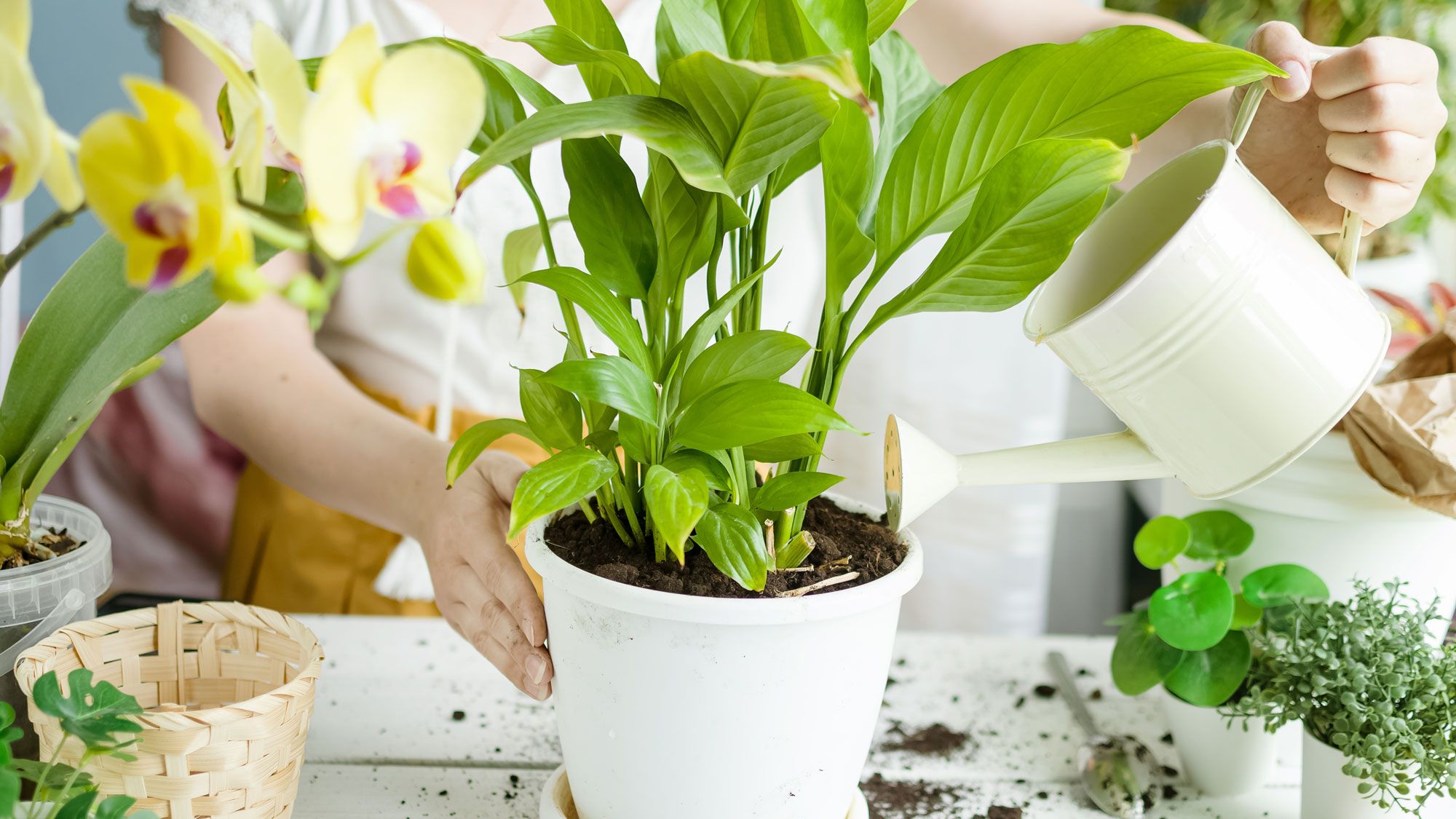
To ensure the optimal health of your peace lilies, water them thoroughly and allow excess water to drain out of the pot. Using cactus soil promotes efficient drainage, preventing waterlogging and reducing the risk of root rot. Check the top inch of the soil and water your peace lilies when it feels dry to the touch, ensuring they receive adequate moisture without becoming waterlogged. Cactus soil helps maintain the right balance of moisture, preventing both overwatering and under-watering issues that can harm your plants. By following consistent watering practices with cactus soil, you can support healthy growth and vibrant foliage in your peace lilies. Remember, it’s essential to water your peace lilies properly to keep them flourishing. Overwatering can lead to root rot, while underwatering can cause wilting and stunted growth. Striking the right balance with cactus soil will help your peace lilies thrive beautifully.
Testing and Amending Soil
Testing the pH of your soil before planting a Peace Lily in cactus soil ensures it falls within the ideal range of 5.8 to 6.5, setting the foundation for successful growth and development. To create an optimal environment for your plant, consider the following steps:
- Testing Soil pH: Use a pH testing kit to check the acidity of your cactus soil.
- Amending Cactus Soil: Incorporate organic matter like peat moss to enhance moisture retention.
- Improving Moisture Retention: Ensure your Peace Lily receives adequate water by amending the soil appropriately.
- Enhancing Drainage: Add perlite to the cactus soil mix to prevent waterlogging and promote proper drainage.
- Regular Maintenance: Test soil moisture levels regularly to determine if any amendments are required to maintain optimal growing conditions for your Peace Lily.
Potting and Repotting Guidelines
When potting peace lilies in cactus soil, ensure the container has proper drainage holes to prevent water buildup and maintain optimal root health. The fast-draining properties of cactus soil are crucial for preventing waterlogging and root rot, mimicking the natural habitat of peace lilies and promoting their overall well-being. Choose a pot with adequate drainage to avoid water stagnation, as excessive moisture can lead to issues like yellowing leaves or wilting.
For potting guidelines, fill the container about halfway with cactus soil, creating a suitable environment for the peace lily’s roots to establish themselves. Gently loosen the plant’s root ball before placing it in the pot, ensuring it sits at the same depth as it did in its previous container. Fill the remaining space with cactus soil, patting it down lightly to secure the plant in place.
Remember to repot your peace lily every 1-2 years with fresh cactus soil to maintain soil quality and encourage healthy growth. This practice helps replenish nutrients and prevent the soil from compacting, ensuring your peace lily continues to thrive.