

When deciding between compost and manure for your plants, consider their nutrient compositions. Compost offers a range of essential nutrients with ideal carbon-nitrogen ratios, while manure provides distinct NPK ratios tailored to specific plant needs. Compost improves soil structure, reduces compaction, and nurtures microbes; manure aids aeration, drainage, and adds beneficial microorganisms. Compost supports sustained growth and disease resistance, while manure accelerates growth, enhances foliage, and boosts flowering. Understanding the differences in microbial impact, nutrient tie-up, and organic matter depletion can guide your choice for thriving plants.
Nutrient Composition of Compost

Compost offers a diverse range of nutrients essential for plant growth, with nitrogen levels typically ranging from 0.5 to 3.5%. One crucial aspect of compost nutrient composition is the Carbon to Nitrogen (C:N) ratio. This ratio is essential as it indicates the balance between carbon, vital for energy, and nitrogen, crucial for growth. A suitable C:N ratio in compost is generally around 25-30:1. When the C:N ratio is too high, microbial activity decreases, slowing down decomposition. Conversely, a low C:N ratio leads to nitrogen loss as ammonia gas, affecting plant nutrient availability negatively.
In addition to nitrogen, compost also contains phosphorus (P) and potassium (K) within ranges of 0.5-3% and 1-5%, respectively. These nutrients further support plant growth and development. The nutrient composition of compost varies depending on the materials used, highlighting the importance of diverse organic inputs for a balanced nutrient profile. By understanding the nutrient composition, including the C:N ratio, gardeners can create high-quality compost to enhance soil fertility and promote healthy plant growth.
Nutrient Composition of Manure

The nutrient composition of manure varies significantly based on the type of animal and its diet, providing distinct NPK ratios that cater to specific plant requirements. For instance, chicken manure typically has a nutrient ratio of 1:0.8:0.5 for nitrogen, phosphorus, and potassium (NPK), making it a good source of nitrogen for leafy green vegetables. In contrast, rabbit manure offers a higher nitrogen content with a ratio of 4:1.4:0.6, which is beneficial for promoting healthy foliage growth in plants like tomatoes and peppers. Sheep manure, with a ratio of 0.7:0.3:0.9, provides a more balanced nutrient profile suitable for a wide range of plants, including root vegetables and flowering plants. These varying nutrient values in manure highlight the importance of understanding the specific needs of your plants and choosing the right type of manure to support their growth effectively. Remember, the nutrient composition of manure is influenced by factors such as the animal’s diet and age, emphasizing the tailored benefits it can offer to different plant species.
Carbon and Nitrogen Levels in Compost
When considering the carbon and nitrogen levels in compost, it’s essential to aim for a balanced ratio between 10:1 and 20:1 for optimal plant growth. Maintaining a proper C:N ratio ensures nutrient availability and prevents nitrogen tie-up in the soil. It’s crucial to select compost with the right decomposition levels to support healthy plant development.
Nutrient-Rich Compost Breakdown
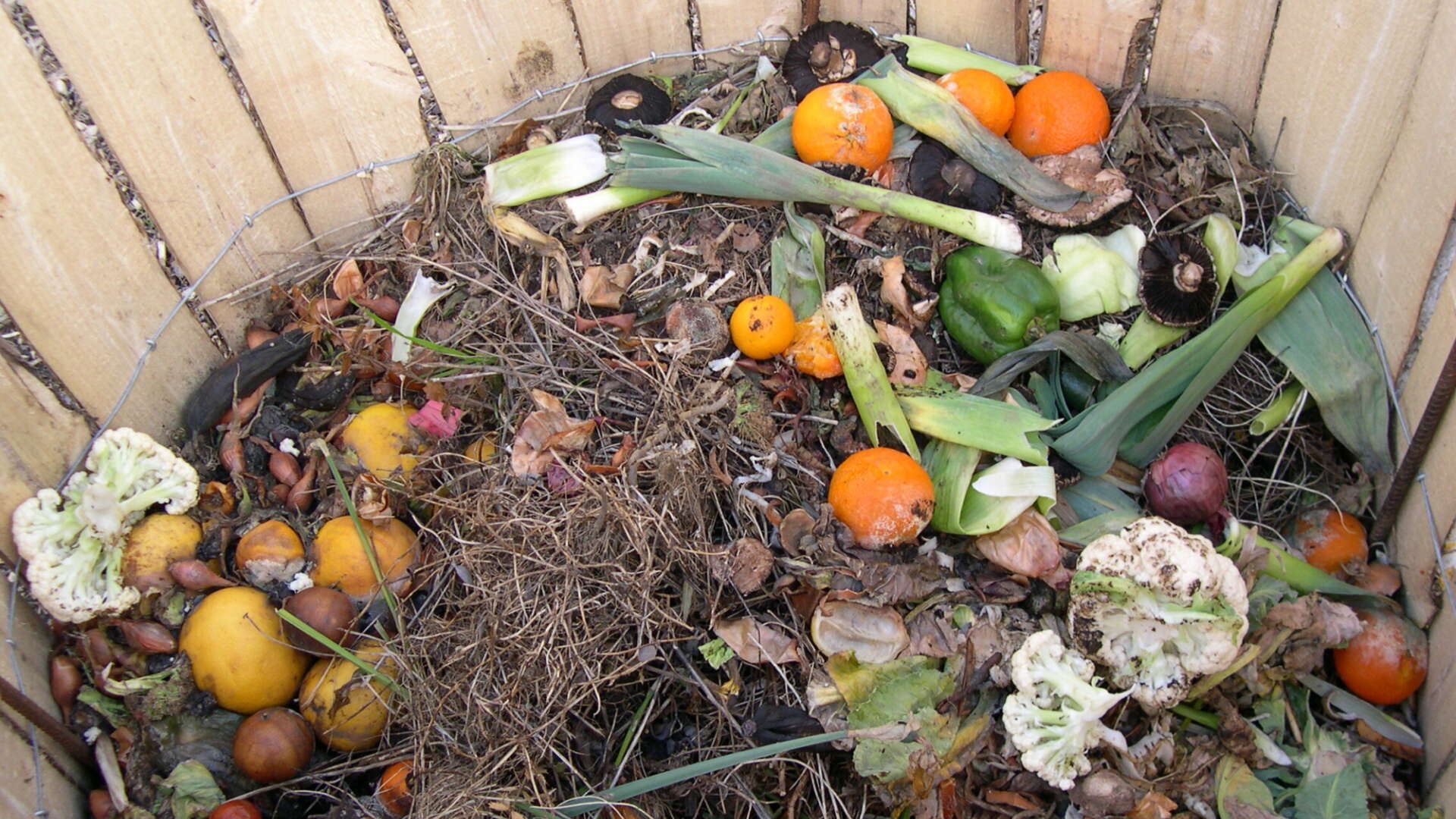
Achieving the ideal carbon to nitrogen ratio in compost is crucial for maximizing nutrient release and ensuring proper plant uptake. In compost, this ratio should ideally range between 20:1 and 10:1 to provide a balanced mix of nutrients for plants. Certified organic compost is a reliable option due to its regulated production methods and nutrient content. However, some materials labeled as compost may not meet the desired carbon to nitrogen ratios, impacting their effectiveness as soil amendments. For optimal results, aim for a compost ratio between 12:1 and 10:1 to support healthy plant growth. Proper application of compost is essential to prevent nitrogen tie-up in the soil, guaranteeing that plants receive the necessary nutrients for their development. By understanding and monitoring the carbon to nitrogen levels in compost, you can ensure that your plants receive the nutrient-rich soil amendments they need for thriving growth.
Balancing C:N Ratios
Maintaining the appropriate carbon to nitrogen ratio in compost is essential for fostering optimal microbial activity and promoting healthy soil conditions. Compost with a balanced C:N ratio, typically between 10:1 and 20:1, provides a harmonious mix of carbon and nitrogen for microbial processes. When the C:N ratio falls below 10:1, excess nitrogen can result, potentially harming soil health. This imbalance can arise from poorly composted manure with a low C:N ratio, leading to nitrogen issues in the soil. Understanding and managing the C:N ratio is paramount for cultivating robust soil and supporting vibrant plant growth. By ensuring a proper balance of carbon and nitrogen levels in compost and manure, agricultural practices can embrace sustainability and enhance overall soil quality. Striving for an optimal C:N ratio not only benefits the immediate soil environment but also contributes to the long-term health and productivity of agricultural systems.
Carbon and Nitrogen Levels in Manure

Manure typically contains a higher nitrogen content compared to compost, with the carbon-to-nitrogen ratio varying based on the animal source and diet. The carbon-to-nitrogen ratio is essential because it indicates the decomposition process efficiency and nutrient availability for plants. Different animals and their diets influence this ratio; for instance, herbivore manure tends to have a lower ratio due to the high nitrogen content from plant material, while carnivore manure may have a higher ratio as their diets contain more proteinaceous material.
Managing carbon and nitrogen levels in manure is crucial for plant health. Proper composting of manure helps balance these levels, ensuring an optimal ratio for plant growth. Excessive nitrogen in manure can lead to nutrient imbalances in the soil, affecting plant health and growth. By understanding and regulating the carbon-to-nitrogen ratio in manure, gardeners and farmers can maximize the benefits of using manure as a nutrient source for their plants.
Impact on Soil Fertility: Compost
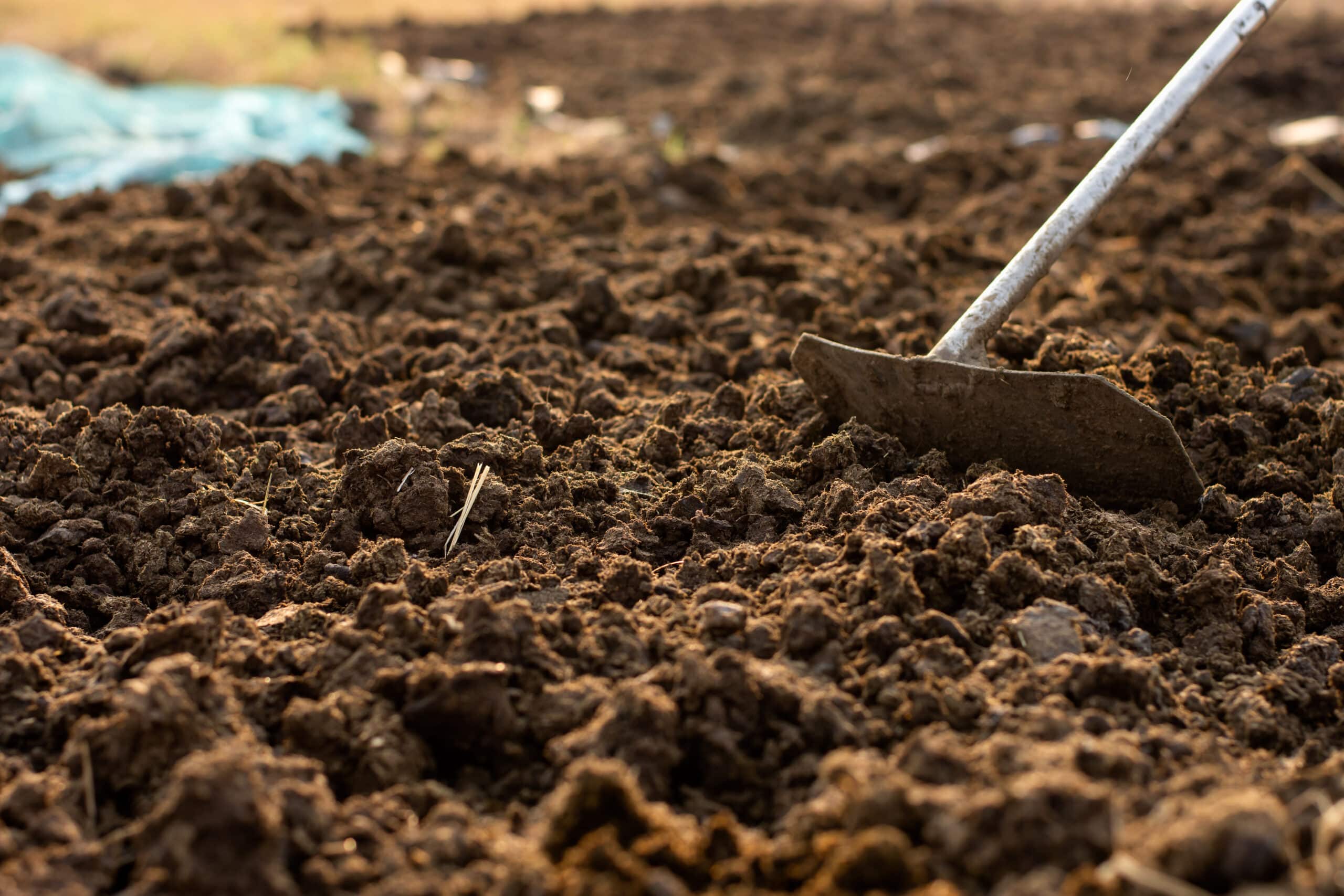
The impact of compost on soil fertility is significant, as it enhances essential nutrient availability for plant growth and supports a thriving ecosystem. Compost piles release crucial nutrients like nitrogen, phosphorus, and potassium slowly over time, providing a steady supply for plants. The organic matter present in compost improves soil structure, water retention, and microbial activity, creating a conducive environment for plant roots to thrive. By helping to balance carbon and nitrogen levels in the soil, compost promotes a healthy habitat for beneficial soil organisms, further enhancing soil fertility.
Moreover, using compost in gardening can reduce the reliance on chemical fertilizers, leading to healthier plants and sustainable soil management practices. The biological activity stimulated by compost in the soil increases nutrient availability for plants, fostering a flourishing ecosystem where plants can grow vigorously. Incorporating compost into your gardening routine can significantly benefit soil fertility and overall plant health.
Impact on Soil Fertility: Manure

Enhancing soil fertility through the application of organic matter such as manure is a fundamental practice in sustainable agriculture. Manure plays a vital role in enriching soil fertility by providing essential nutrients like nitrogen, phosphorus, and potassium. These nutrients are crucial for plant growth and development. Additionally, manure helps improve soil structure and water retention, creating a favorable environment for plants to thrive.
However, it is important to note that manure requires proper processing to eliminate contaminants that could potentially harm plants. Aged manure, when applied correctly, can boost microbial activity in the soil, aiding in nutrient cycling and further enhancing soil fertility. Proper management of manure application is essential to prevent nutrient imbalances and ensure the overall health of plants in the ecosystem.
Effects on Soil Structure: Compost
Improving soil structure, compost plays a crucial role in agricultural practices by enhancing aggregation and promoting root penetration. Compost’s impact on soil structure is significant, offering a range of benefits that can enhance the health and productivity of your garden or farm.
- Compost improves soil structure by enhancing aggregation, creating pore spaces, and promoting root penetration.
- The humic substances in compost bind soil particles together, reducing compaction and improving aeration.
- Compost increases the soil’s water-holding capacity, reducing runoff and erosion.
- The organic matter in compost feeds beneficial soil organisms, enhancing soil health and nutrient cycling.
- Compost can help sandy soils retain moisture and clay soils drain better, leading to balanced soil structure.
Effects on Soil Structure: Manure
Compost plays a significant role in enhancing soil structure, and similarly, manure also contributes to improving soil quality through different mechanisms. Manure improves soil structure by breaking up compacted soil, allowing for better root penetration. The organic matter in manure enhances soil aeration and drainage, promoting healthier plant growth. Additionally, manure adds beneficial microorganisms to the soil, supporting nutrient cycling and overall soil health. By incorporating manure into the soil, its water-holding capacity increases, reducing the risk of water runoff. The rich nutrient content in manure fosters microbial activity, which further contributes to improved soil structure and fertility. Overall, manure serves as a valuable soil conditioner, aiding in the creation of a healthy environment for plant growth. Its ability to enhance soil structure, promote aeration, and enrich microbial diversity make it a beneficial choice for gardeners looking to improve their soil quality.
Plant Growth With Compost
Compost acts as a valuable resource for plants, enriching the soil with essential nutrients and promoting healthy growth. The slow release of nutrients from compost ensures a steady supply that aids in sustained plant development. By fostering beneficial microbial activity and improving soil structure, compost creates an optimal environment for plants to thrive.

Compost Benefits Plants
Enhancing plant growth, compost contributes to improved soil fertility and structure, providing a range of benefits for various types of plants. Plants thrive on compost for several reasons:
- Nutrient Release: Compost gradually releases nutrients, ensuring a steady supply for sustained plant growth.
- Water Retention: By helping soil retain water, compost reduces the frequency of watering, aiding in plant hydration.
- Microbial Support: The organic matter in compost nurtures beneficial microbes that aid in nutrient uptake and promote healthy root systems.
- Resilience Boost: Plants grown with compost tend to be stronger and more resilient, showcasing increased resistance to diseases and pests.
- Eco-Friendly: Compost is a sustainable option that recycles organic waste, reducing the environmental impact and promoting a healthier ecosystem for plants to thrive.
These benefits underscore the importance of incorporating compost into your gardening routine to foster optimal plant growth and overall plant health.
Nutrient-Rich Soil Amendment
Plant growth is significantly enhanced through the application of nutrient-rich compost as a soil amendment, fostering improved soil structure and fertility. Compost serves as a valuable source of slow-releasing nutrients that aid in sustaining plant growth over time, providing a consistent supply of essential elements. Plants exhibit a preference for compost due to its unique ability to retain moisture within the soil, supporting the growth of beneficial microorganisms that contribute to overall plant health. Moreover, the use of compost helps to balance carbon and nitrogen levels in the soil, creating an optimal environment for healthy plant development. As a result, incorporating compost as a soil amendment not only leads to healthier plants but also promotes robust root development, enhancing the plant’s overall ability to withstand environmental stressors and thrive. Ultimately, the nutrient-rich properties of compost make it a favored choice for maximizing plant growth and vitality.
Plant Growth With Manure

When incorporating manure into your gardening routine, you can expect to see a noticeable acceleration in plant growth due to the immediate nutrient boost it provides. The nitrogen content in manure supports lush foliage and vibrant green color in your plants. Regular addition of manure not only promotes faster growth and development but also enhances soil fertility, leading to overall improved plant health. Different types of manure offer varying nutrient ratios tailored to specific plant needs, such as chicken manure with a 1/.8/.5 NPK ratio. On the other hand, manure like rabbit manure, with a 4/1.4/.6 NPK ratio, can significantly boost flowering and fruiting in your plants.
- Witness your plants thriving with accelerated growth fueled by nutrient-rich manure.
- Enjoy the lush greenery and vibrant colors that manure-supported nitrogen provides.
- Experience improved soil health and fertility leading to healthier, stronger plants.
- Tailor your plant’s nutrient intake with different manure types for optimal growth.
- Delight in the abundance of flowers and fruits thanks to the specialized nutrient ratios in manure.
Microbial Overgrowth Risk: Manure
When using manure in your garden, be aware of the potential risk of microbial overgrowth due to a low carbon to nitrogen ratio. Excessive nitrogen content in manure can disrupt the balance of soil microbes, affecting nutrient availability for plants. Proper composting of manure is key to controlling bacterial growth and preventing potential microbe overload in the soil.
Manure Microbial Hazards
Raw manure presents a significant microbial hazard due to its potential to harbor harmful pathogens like E. coli and Salmonella. When considering the microbial hazards associated with manure, it’s essential to understand the risks involved:
- High levels of harmful bacteria in raw manure can lead to contamination of plants and pose health risks to humans.
- The presence of excessive microbial activity in untreated manure may disrupt the balance of nutrients in the soil, impacting plant growth.
- Applying raw manure without proper processing can introduce an overwhelming amount of bacteria and fungi, potentially hindering plant development.
- Composting manure is a beneficial practice as it involves heating the material to eliminate pathogens and stabilize nutrients, reducing microbial risks.
- Composted manure undergoes a controlled decomposition process that effectively mitigates microbial hazards, making it a safer option for plant cultivation.
Understanding the microbial risks associated with manure is crucial for making informed decisions regarding its application in gardening and agriculture.
Controlling Bacterial Growth
To effectively manage bacterial growth associated with manure, it is crucial to maintain a balanced carbon-to-nitrogen ratio through proper composting practices. Proper composting of manure helps reduce the risk of microbial overgrowth in the soil, preventing nutrient imbalances and preserving soil health. When composting manure, ensuring the right mix of carbon-rich materials like straw or leaves with nitrogen-rich manure is essential. This balance fosters the growth of beneficial microorganisms while inhibiting the proliferation of harmful bacteria that can deplete organic matter and impact plant growth.
| Carbon-Rich Materials | Nitrogen-Rich Materials |
|---|---|
| Straw | Manure |
| Leaves | Grass clippings |
| Sawdust | Food scraps |
| Wood chips | Coffee grounds |
Preventing Microbe Overload
Proper management of microbial populations is crucial when dealing with manure to prevent overload and maintain soil health. When considering the risk of microbial overgrowth associated with manure, it is essential to understand the importance of composting in maintaining a balanced soil ecosystem. Here are some key points to keep in mind:
- Manure with a low C/N ratio can lead to excessive microbial activity, affecting soil health.
- Uncomposted manure may deplete soil organic matter due to uncontrolled microbial growth.
- Composting manure helps regulate microbial populations, promoting a healthier soil environment.
- Overloading soil with microbes from raw manure can disrupt nutrient cycling processes.
- Understanding the C/N ratio is crucial in preventing microbial overload and ensuring optimal soil conditions when utilizing manure.
Nutrient Tie-Up Risk: Compost
Compost, when not properly balanced in carbon and nitrogen levels, can pose a risk of tying up essential nutrients in the soil, thereby impeding plant growth. The nutrient tie-up phenomenon occurs when high carbon content in compost leads to nitrogen immobilization, making nitrogen less available to plants. This can hinder plant nutrient uptake and overall health. Inadequate decomposition of compost materials exacerbates this issue, further impacting plant growth by restricting access to vital nutrients. To mitigate the risk of nutrient tie-up, it is crucial to maintain a balanced carbon-to-nitrogen ratio in compost. Understanding the C/N ratio in compost is key to preventing nutrient immobilization and ensuring optimal plant development. By carefully managing compost composition and decomposition processes, gardeners can avoid nutrient tie-up issues and promote a healthy growing environment for their plants. Paying attention to these details will help maximize the benefits of compost while minimizing potential nutrient-related challenges.
Organic Matter Depletion: Manure
Manure, while nutrient-rich, can pose a risk of depleting organic matter in the soil. The breakdown of manure by soil microbes can lead to the utilization of nitrogen for decomposition, potentially reducing the organic matter available for soil health. Maintaining a proper balance in nitrogen levels through correct application methods is crucial to prevent organic matter depletion and support long-term soil fertility.
Nutrient-Rich Manure Breakdown
A significant consideration in nutrient-rich manure breakdown is the potential depletion of organic matter in the soil due to microbial utilization of nitrogen during decomposition. The carbon-to-nitrogen ratio in manure plays a crucial role in influencing microbial activity and overall soil health. Excessive application of raw manure can lead to imbalances and a decline in organic matter levels, impacting the long-term fertility of the soil. To avoid nitrogen-related issues and maintain sustainable soil fertility, proper composting of manure is essential. Balancing the carbon and nitrogen levels during manure breakdown is key to effective soil management practices.
- Overapplication of raw manure may harm soil health.
- Improper carbon-to-nitrogen ratios can disrupt microbial processes.
- Depletion of organic matter affects soil structure and nutrient retention.
- Effective composting techniques can mitigate nitrogen-related problems.
- Sustainable soil management requires careful consideration of nutrient levels in manure breakdown.
Soil Fertility Enhancement

Soil fertility enhancement through the replenishment of organic matter depleted by agricultural activities is a critical aspect of sustainable farming practices. One key component in addressing organic matter depletion is the application of manure to the soil. Manure plays a vital role in replenishing organic matter levels, which are essential for maintaining soil fertility. The depletion of organic matter in the soil leads to reduced microbial activity, impacting plant health and overall productivity. By incorporating manure into the soil, essential nutrients are introduced, fostering microbial growth crucial for plant development.
The organic matter content in manure contributes to improving soil structure, enhancing water retention capacity, and increasing nutrient availability for plants. This organic matter acts as a source of energy for soil microbes, promoting their activity and creating a healthier soil environment for plants to thrive. Including manure in soil amendments can help restore and sustain soil health, ultimately supporting optimal plant growth and productivity.
Organic Matter Replenishment
Replenishing organic matter in depleted soils through the addition of nutrient-rich manure is a critical practice for enhancing soil fertility and supporting plant growth. Manure plays a vital role in replenishing organic matter in the soil, providing essential nutrients and improving soil structure. Here are some key points to consider:
- Manure adds decomposed animal waste to the soil, increasing the nutrient content and enhancing soil fertility.
- Organic matter depletion can hinder plant growth by reducing essential nutrients and microbial activity in the soil.
- Manure serves as a rich source of nutrients like nitrogen, phosphorus, and potassium, helping restore depleted organic matter levels.
- The addition of manure promotes microbial activity in the soil, supporting nutrient cycling and enhancing plant health.
- Failure to address organic matter depletion may lead to soil erosion, decreased water retention, and reduced soil fertility, emphasizing the importance of incorporating manure for organic matter replenishment.
Soil Health Promotion: Compost Vs. Manure

When comparing compost and manure for promoting soil health, it is important to consider their distinct advantages and potential impact on plant growth. Compost, as a soil amendment, enhances soil fertility by unlocking nutrients and improving soil structure. It encourages the growth of beneficial microorganisms, supporting healthy microbial activity crucial for plant development. On the other hand, properly composted manure can provide immediate nutrients to plants, aiding in their growth and overall soil health improvement.
Compost has the added benefit of balancing the carbon to nitrogen ratio, ensuring optimal nutrient availability for plants. It helps in maintaining a sustainable environment for plants to thrive by promoting soil biodiversity. Manure, when used appropriately, aids in breaking up compacted clay soils and adds essential organic matter that supports plant growth.
Understanding the unique qualities of both compost and manure is vital for choosing the right soil amendment to promote soil health effectively. Each plays a significant role in enhancing soil quality and ensuring the long-term productivity of plants.