

If your houseplant’s leaf is torn, act quickly to aid its recovery. First, assess the extent of damage, checking for wilting or discoloration. Trim jagged edges with sharp, clean scissors just above the torn area for healing. Ensure your plant gets enough sunlight and adjust watering accordingly; proper drainage and humidity are crucial. Regularly inspect for pests or disease. Keep tools clean and avoid further tearing by gentle handling and using supports. Lastly, show care by monitoring your plant’s health and promoting new growth gently. These steps can assist your plant’s recuperation and overall well-being.
Assess the Leaf Damage

Examine the torn leaf carefully to determine the extent of damage and assess the risk of potential infection. Look for signs of wilting, discoloration, or spreading damage on the torn leaf. Damage to leaves can compromise the plant’s ability to photosynthesize and may lead to further issues if not addressed promptly. Assess the overall health of the plant to understand how the torn leaf may impact its growth and development.
Inspect the torn area for any visible pests or disease indicators. Pests like aphids or spider mites could be attracted to the damaged leaf, exacerbating the situation. Keep an eye out for any unusual spots, webs, or holes that could indicate the presence of pests.
Monitor the torn leaf for changes in appearance or health over time. If you notice the damage spreading or the leaf showing signs of decay, it may be necessary to take action to prevent further harm to the plant. Regularly check the affected area to ensure that the plant is recovering and not succumbing to infection.
Trim Jagged Edges
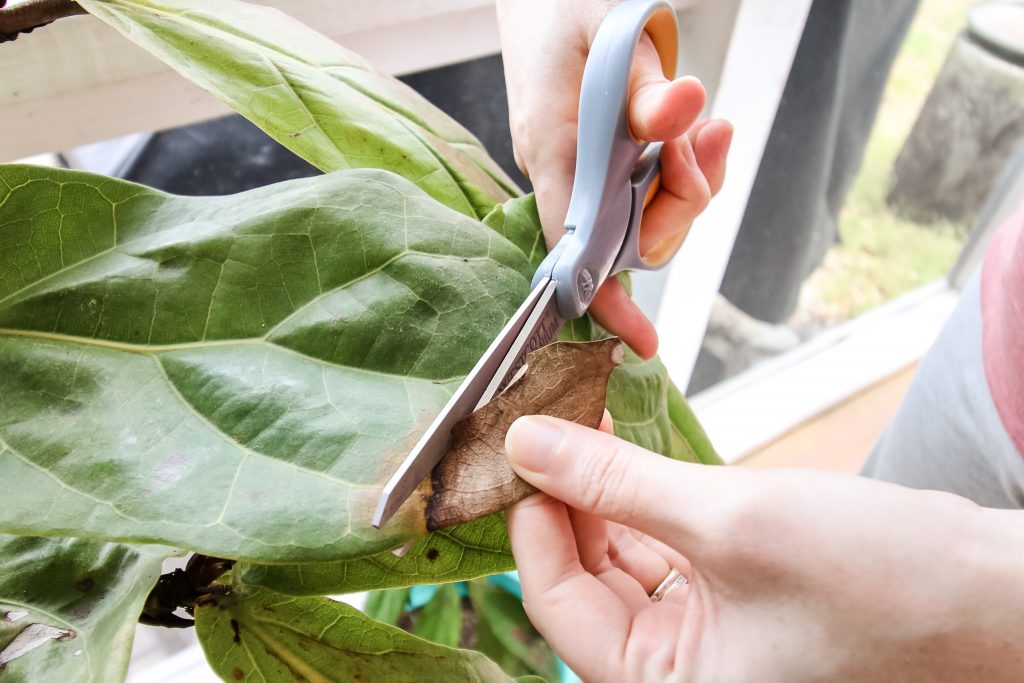
Trimming jagged edges on torn leaves is crucial for promoting plant healing and reducing infection risk. When a leaf is torn, the jagged edges create an entry point for pathogens, potentially harming your plant. To trim jagged edges, use sharp, clean scissors or pruning shears. Make clean cuts just above the damaged area, ensuring a smooth edge that will help prevent further tearing and maintain the plant’s aesthetics.
Pruning jagged edges not only aids in plant recovery but also encourages new growth and vitality. By removing torn edges, you improve the overall appearance of the plant, promoting a healthier and more aesthetically pleasing foliage. Remember to sanitize your tools before and after each use to prevent the spread of disease. Regularly inspect your plants for torn leaves and promptly trim any jagged edges to support their well-being and visual appeal.
Check Growing Conditions
Ensure your houseplants receive adequate sunlight to support photosynthesis and healthy growth. Check the humidity levels to prevent wilting and stress on the leaves. Monitor temperature fluctuations to avoid sudden changes that can harm your plants.
Light and Humidity
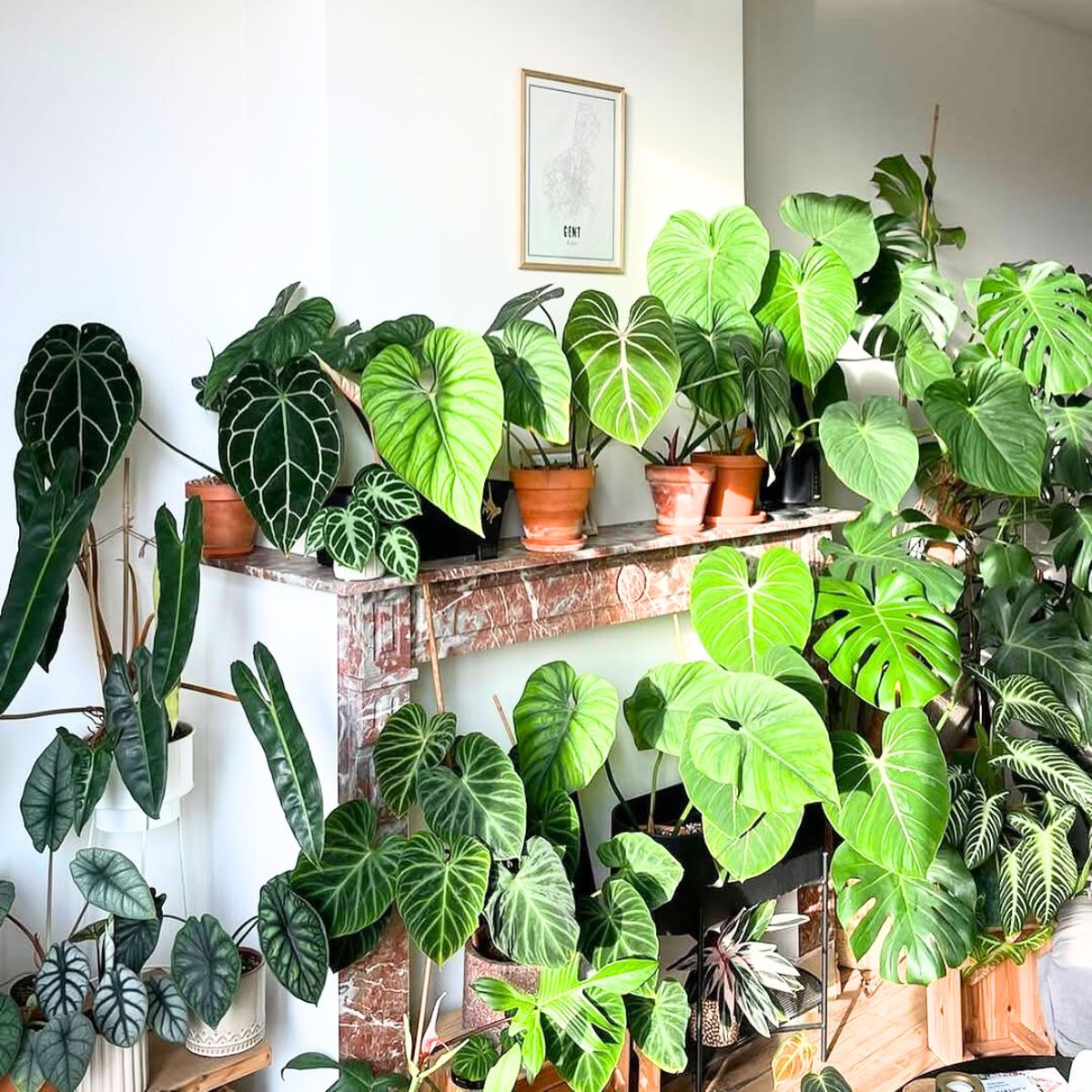
When evaluating the health of your houseplant, assessing the light and humidity levels is essential for optimal growth and well-being. Brown leaves on your Aloe vera could be a sign of inadequate light or humidity. Insufficient light can cause weak, leggy growth and lead to damaged foliage. On the other hand, high humidity is crucial for tropical plants like ferns and orchids, while desert plants such as cacti prefer drier conditions.
To ensure your houseplants thrive, monitor their reaction to light and humidity changes closely. Consider using a hygrometer to measure humidity levels accurately and adjust your care routine accordingly. Remember that each plant has specific requirements, so it’s essential to tailor the environment to meet their individual needs. By providing the right balance of light and humidity, you can promote healthy growth and prevent issues like brown leaves or damage to your beloved houseplants.
Soil Moisture Level
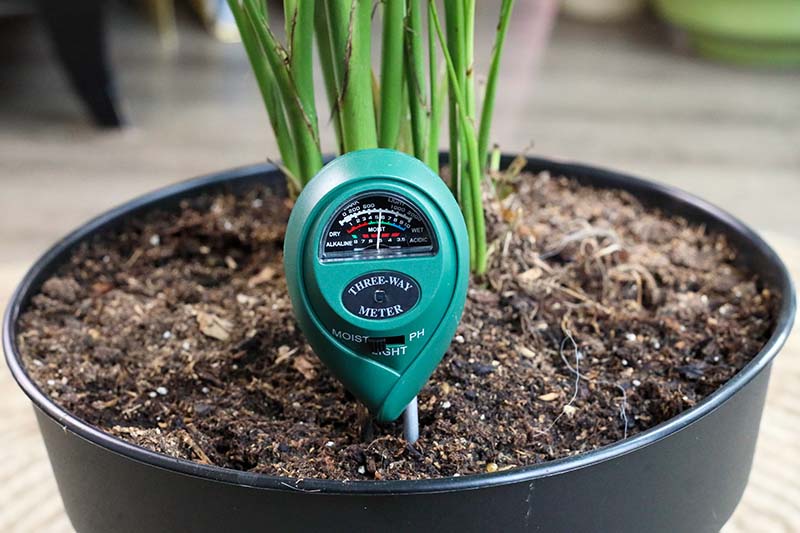
To ensure your houseplant’s optimal growth and health, evaluating the soil moisture level is a fundamental step in maintaining suitable growing conditions. Proper soil moisture is crucial for your plant’s well-being, as it directly impacts its health. You can check the soil moisture level by inserting a finger or a moisture meter into the soil to determine if it’s dry, moist, or wet. Understanding your plant’s specific moisture requirements is essential, as different plants have varying needs. Factors such as pot size, drainage, and environmental conditions play a vital role in affecting soil moisture levels. By monitoring the soil moisture regularly and adjusting your watering frequency based on the plant’s needs, you can prevent issues like root rot or wilting. Remember, maintaining the correct soil moisture level is key to providing your houseplant with the ideal growing environment.
Temperature Fluctuations
Monitoring temperature fluctuations is essential for maintaining optimal growing conditions and preventing stress-induced leaf tearing in houseplants. Sudden changes in temperature can place undue stress on your houseplants, leading to leaf tearing and impacting overall plant health. Fluctuations in temperature can disrupt the growth patterns and physiological processes of your plants, making it crucial to provide a stable environment. To safeguard your houseplants, it is essential to check the ideal temperature range recommended for your specific plant species. By maintaining consistent growing conditions within this range, you can reduce the risk of temperature-related leaf damage. Avoid placing your plants near drafty areas or heat sources that can cause rapid temperature shifts. By being mindful of temperature fluctuations and creating a stable environment, you can promote healthy growth and prevent leaf tearing in your beloved houseplants.
Provide Adequate Sunlight

Ensuring your houseplant receives sufficient sunlight is essential for promoting leaf recovery and overall health. Adequate sunlight is crucial for houseplants to thrive and repair leaf damage effectively. Most houseplants need 6-8 hours of indirect sunlight daily for optimal growth. Direct sunlight can be harmful, causing leaf damage, so it’s best to place plants in bright, filtered light. Insufficient sunlight weakens plants, making them more prone to infections from torn leaves. Providing the right amount of sunlight is vital as it helps plants photosynthesize efficiently, aiding in leaf recovery. To ensure your houseplant’s well-being, position it near a window with bright, indirect sunlight. If natural light is scarce, consider supplementing with artificial grow lights designed for indoor plants. By giving your houseplant adequate sunlight, you support its recovery and promote healthy leaf growth.
Ensure Proper Watering
To ensure proper watering for your houseplants with torn leaves, pay attention to the frequency of watering, making sure not to overwater or underwater your plants. Check soil moisture regularly to adjust watering routines accordingly and promote leaf healing. Remember that good drainage is crucial to prevent waterlogged soil, which can further damage torn leaves.

Watering Frequency
Maintaining the appropriate watering frequency is crucial for ensuring the health and vitality of your houseplant’s leaves. To help you manage this effectively, consider the following tips:
- Check your plant’s specific watering needs: Different plants require different amounts of water, so understanding your plant’s individual requirements is essential.
- Beware of overwatering: Excess water can lead to root rot, negatively impacting your plant’s health.
- Watch out for underwatering: Insufficient water can cause wilting and stress to your plant, affecting the overall appearance and health of its leaves.
- Adjust based on environmental factors: Consider elements like humidity levels, pot size, and the type of soil your plant is in; these can all influence how often your plant needs watering. Remember to adapt your watering frequency with seasonal changes and as your plant goes through different growth stages.
Soil Moisture Check

Regularly monitoring your houseplant’s soil moisture levels is essential for ensuring proper watering and maintaining its overall health. To check soil moisture, insert your finger into the soil up to the first knuckle. If the soil feels dry at this depth, it’s time to water your plant. Overwatering can be detrimental, so make sure the top inch of soil is dry before watering to prevent waterlogged conditions. Consider using a moisture meter for a more precise measurement of soil moisture levels.
Wilting leaves can be a sign of both overwatering and underwatering, highlighting the significance of maintaining appropriate soil moisture. Consistency in soil moisture is crucial for your plant’s well-being. Water stress can lead to leaf damage and a decline in overall plant vitality. By staying vigilant and adjusting your watering routine based on the soil moisture levels, you can help your houseplant thrive and avoid common issues associated with improper watering practices.
Drainage Importance

Check your houseplant’s drainage to prevent waterlogged soil and ensure proper watering. Proper drainage is essential for the health of your houseplants, as it helps prevent issues like root rot that can arise from waterlogged soil. Here are some key points to consider:
- Drainage Holes: Ensure that your pots have adequate drainage holes at the bottom to allow excess water to escape easily.
- Avoid Stagnant Water: Good drainage prevents water from pooling at the bottom of the pot, reducing the risk of stagnant water that can harm the roots.
- Root Health: Adequate drainage promotes healthy root systems by maintaining optimal soil moisture levels and preventing water-related stress.
- Plant Growth: By providing proper drainage, you are creating an environment where your houseplants can thrive and grow effectively.
Maintain Optimal Humidity Levels

To ensure your houseplant’s health and vitality, it is essential to monitor and adjust humidity levels accordingly. Proper humidity levels play a crucial role in the well-being of your houseplants, especially when it comes to preventing issues like dry, crispy leaf edges. Most houseplants, particularly tropical varieties, thrive in higher humidity environments. Low humidity can cause stress to your plants, leading to unsightly leaf damage, while overly high humidity can invite pests and diseases to infest your green companions.
To maintain optimal humidity levels for your houseplants, consider using a hygrometer to track the moisture in your home. If humidity levels are low, you can introduce a humidifier or utilize a pebble tray to increase the moisture around your plants. While misting the leaves can offer a temporary boost in humidity, it is not as effective as maintaining consistent levels through other methods. Remember, ensuring the right humidity levels is vital for the growth, health, and overall well-being of your moisture-loving plant friends.
Monitor Plant Progress
Monitor the torn leaves on your houseplant for any signs of infection, wilting, or changes in health to track its progress effectively. Regularly checking the torn leaves allows you to observe how the plant is responding to the damage and evaluate if any further actions are necessary for its care. By keeping an eye on the torn leaves, you can ensure that they are not causing any detrimental effects on the overall well-being of the plant. Tracking the condition of the torn leaves is crucial in determining whether interventions such as removal or treatment are required.
- Regular Inspection: Check the torn leaves frequently to assess any changes in their appearance.
- Symptom Monitoring: Look out for symptoms of infection, wilting, or discoloration on the torn leaves.
- Comparison with Healthy Parts: Compare the torn leaves with the healthy ones to gauge the plant’s recovery progress.
- Note-Taking: Keep notes on any changes observed in the torn leaves to track the plant’s response accurately.
Remove Damaged Parts
When you notice a torn leaf on your houseplant, it’s essential to trim it promptly. By removing damaged parts, you prevent further harm to the plant and maintain its overall health. Regularly monitoring and addressing torn leaves help you keep track of your plant’s well-being.

Trim Torn Leaf
Consider trimming torn leaves on your houseplant to remove the damaged parts and promote overall plant health and appearance. Trimming torn leaves is essential to prevent infection risks for plants and improve aesthetics. Pruning torn leaves encourages new growth and healthy foliage, contributing to the vitality of your plant. Additionally, regular trimming of torn leaves allows for better monitoring of plant health, enabling you to address issues promptly and maintain a thriving houseplant.
- Trimming torn leaves helps prevent infection risks for plants.
- Removing damaged parts can improve the overall aesthetics of the plant.
- Pruning torn leaves encourages new growth and healthy foliage.
- Regular trimming of torn leaves allows for better monitoring of plant health.
Prevent Further Damage

To prevent further damage to your houseplant, promptly remove any torn or damaged parts. If you notice brown or torn leaves, it’s crucial to take action to ensure the overall health of your plant. Removing these damaged sections through pruning not only improves the appearance of your plant but also stops the spread of potential diseases and pests. Here’s a practical guide on how to remove damaged parts effectively:
| Step | Description | Benefits |
|---|---|---|
| Identify Damage | Locate any brown or torn leaves on your houseplant. | Prevents further damage and infection. |
| Remove Damaged Parts | Gently prune the affected areas using clean, sharp scissors or pruning shears. | Promotes new growth and overall vitality. |
| Dispose of Debris | Discard the removed parts properly to prevent any spread of disease. | Maintains plant health and cleanliness. |
| Monitor Progress | Keep an eye on the plant to ensure no new damage occurs and track recovery. | Allows for better plant health monitoring. |
Monitor Plant Health
Inspect torn leaves on your houseplant regularly for signs of infection or wilting, and promptly remove any damaged parts to prevent disease spread and promote overall plant health. Regular monitoring is crucial to catch any issues early on. Here are some key points to consider during this process:
- Monitor for Signs of Infection: Keep an eye out for any changes in color, texture, or smell that may indicate the presence of disease.
- Check for Wilting: Look for any drooping or withering of leaves, which could signal underlying issues with the plant’s health.
- Remove Damaged Parts: Prune any torn or dead leaves to prevent the spread of disease and encourage new growth.
- Improve Plant Appearance: Removing damaged parts not only benefits the plant’s health but also enhances its overall aesthetic appeal.
Promote Healthy New Growth

Pruning torn leaves on a houseplant is a practical method to promote healthy new growth and enhance overall plant vitality. When you trim damaged leaves, you redirect the plant’s energy towards producing fresh, undamaged foliage. This encourages the plant to focus on new growth, preventing further tearing and promoting plant health. By removing torn leaves, you help the plant recover and thrive after experiencing leaf damage. Healthy new growth resulting from pruning not only aids in the plant’s recovery but also enhances its appearance and vitality. This process is essential for the plant to continue growing strong and maintaining its overall health. Regularly pruning torn leaves will not only improve the plant’s aesthetics but will also contribute to its long-term well-being. So, grab your pruning shears and start promoting healthy new growth in your houseplants today!
Use Clean Tools
/how-to-clean-garden-tools-4799140-10-014cca25a6094ee7881805c2ccddadb1.jpg)
Maintaining cleanliness in your gardening tools is essential for preventing the spread of diseases among your plants during maintenance tasks. Using clean tools is crucial for the health of your plant collection and the success of the pruning process. Here’s how you can ensure your tools are in optimal condition:
- Regular Cleaning: After each use, make sure to clean your tools with water and soap to remove any debris or residue.
- Disinfection: Utilize disinfecting wipes or a solution of bleach and water to sterilize your tools between each plant, reducing the risk of spreading diseases.
- Sharp Blades: Keep the blades of your tools sharp to ensure precise and clean cuts when removing dead parts from your plants.
- Protective Gear: Wear gardening gloves to protect your hands while handling tools during the pruning process, preventing injuries and maintaining hygiene standards.
Prevent Further Tearing
:max_bytes(150000):strip_icc()/how-to-stake-up-houseplants-1902694-05-9a3ace45d32549d6ae094ee002c77a86.jpg)
To prevent further tearing of the houseplant leaf, handle the plant gently and avoid unnecessary movements or disturbances. Rough handling can exacerbate existing tears and lead to more damage, especially in delicate plants with brown leaf tips. It’s essential to place the plant in a stable location where it won’t be easily brushed against or disturbed. Additionally, trimming nearby branches or objects that may be causing the tearing of leaves can help mitigate the risk of further damage.
Consider using plant supports or stakes to stabilize the plant and reduce leaf movement. This extra support can prevent the leaves from getting caught or torn by accidental contact. Regularly inspect the plant for any signs of new tearing or damage to address promptly. By taking these preventive measures, you can help maintain the health and appearance of your houseplant while minimizing the risk of future tearing incidents.
Show Care and Attention

When a houseplant leaf is torn, demonstrating care and attention is crucial for promoting plant health and preventing further damage. Ensuring that torn leaves receive proper care can aid in averting potential risks such as infections or wilting. To show the necessary care and attention to torn leaves, consider the following:
- Inspect Regularly: Check torn leaves frequently for any signs of infection or wilting, as early detection can prevent further spread.
- Provide Adequate Moisture: Maintain appropriate watering levels to support the healing process of torn leaves and prevent dehydration.
- Avoid Aggressive Handling: Handle torn leaves gently to avoid exacerbating the damage or introducing infections through rough handling.
- Consider Pruning: If a torn leaf shows severe damage or signs of infection, consider pruning it to protect the overall health of the plant.