

To start sowing seeds successfully, consider your planting zone, frost dates, temperature, and sunlight needs. Determine your USDA Plant Hardiness Zone to choose plants suited to thrive in your specific climate. Time your seed sowing based on the last frost date to ensure optimal growth without risking damage. Match seeds with the right sunlight and temperature requirements for healthy plant development. Keep a garden journal to track planting dates and learn from successes and failures. Mastering these four key factors will set the stage for a bountiful garden.
1. Planting Zone Considerations
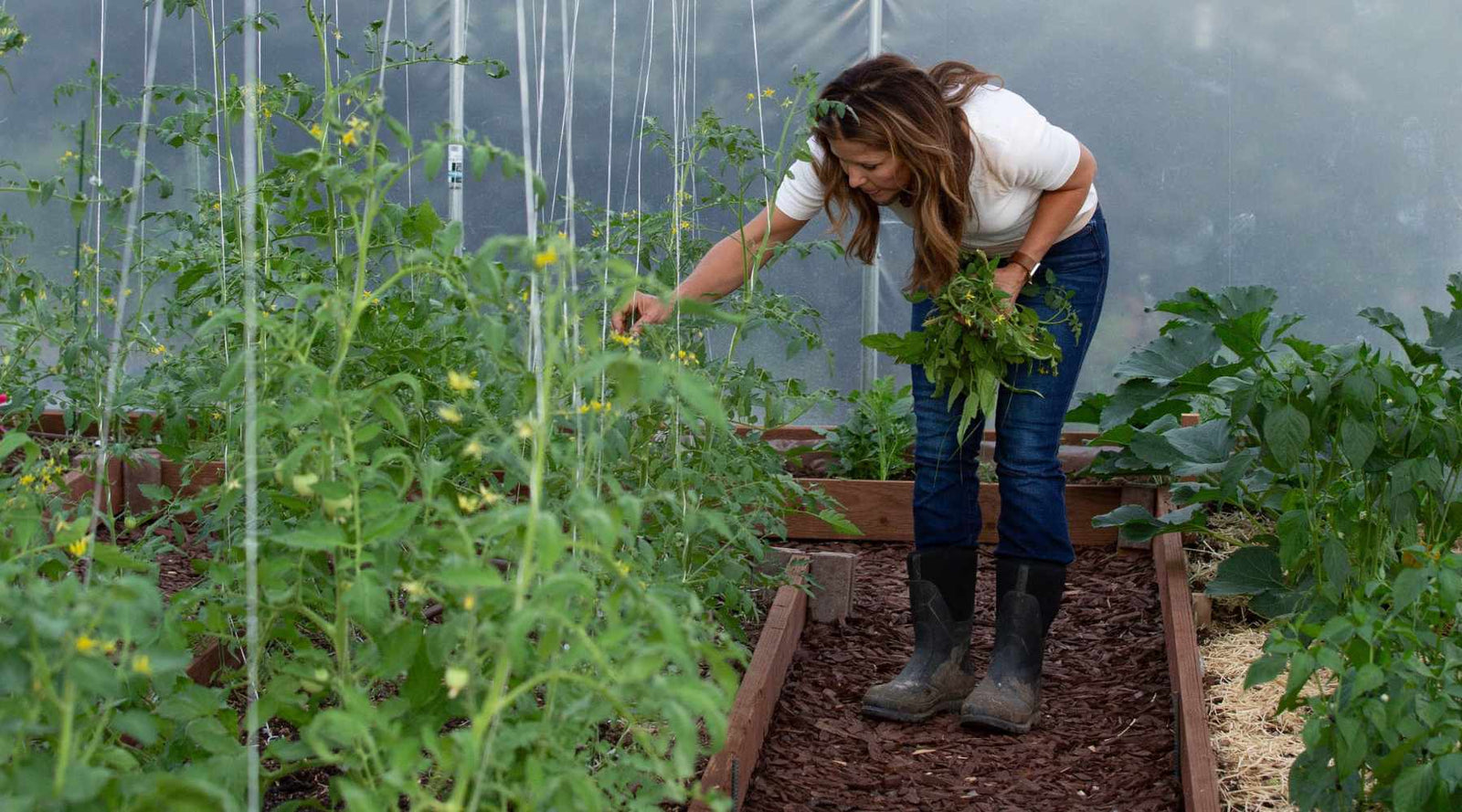
To determine the best time to start sowing seeds, consider your planting zone using the USDA Plant Hardiness Zone calculator. Understanding your plant hardiness zone is crucial as it dictates the specific climate conditions in your region. By knowing your zone, you can select plants that are best suited to thrive in your area’s unique environment. Additionally, being aware of the average first and last frost dates in your region is essential for successful gardening. These dates help you determine appropriate times to plant warm-season plants, ensuring they are not damaged by unexpected frosts.
It’s worth noting that average frost dates can vary even within the same town, highlighting the importance of pinpointing your region’s frost dates accurately. Utilize tools like the Old Farmers Almanac Frost Dates calculator to get precise information on when to expect the first and last frosts in your area. By aligning your planting schedule with your planting zone and frost dates, you set yourself up for a productive and flourishing garden.
2. Timing Based on Frost Dates

Consider your region’s last frost date to accurately time when to start sowing your seeds for optimal plant growth. Knowing your last frost date is crucial as it helps you determine the safest time to begin seed starting without risking damage to your plants. Frost dates can vary significantly depending on your location, so it’s essential to be aware of this information before starting your seeds. Resources like the USDA Plant Hardiness Zone map can assist you in finding the specific last frost date for your area. By adjusting your seed starting times based on this date, you can ensure that your seedlings have the best chance of thriving throughout the growing season. This proactive approach minimizes the risk of frost damage and sets the stage for healthy plant growth. Be mindful of your last frost date to make informed decisions about when to start sowing seeds and maximize the success of your gardening endeavors.
3. Temperature and Sunlight Needs
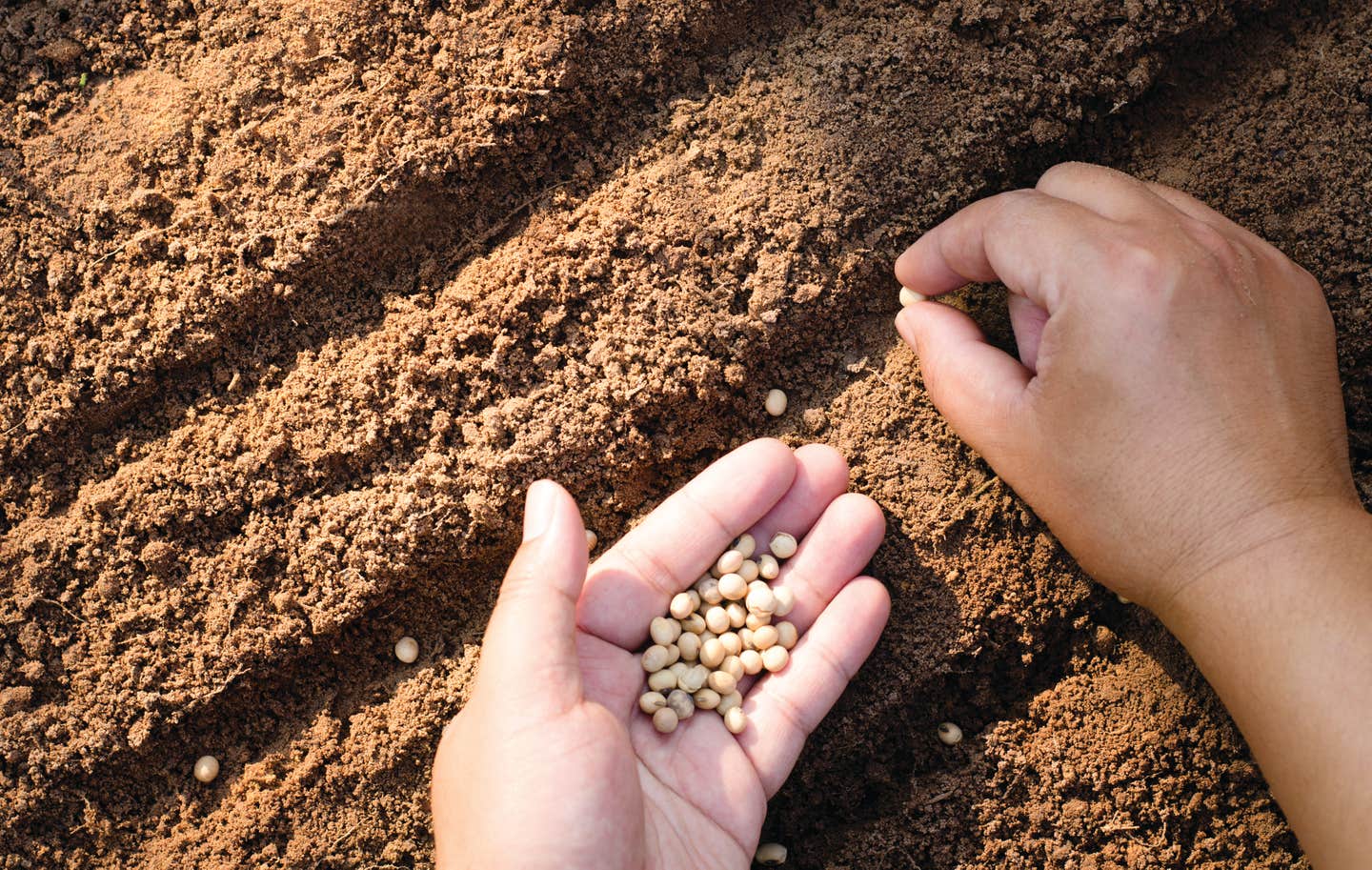
How do temperature and sunlight requirements impact the successful sowing of seeds? Understanding the specific temperature and sunlight needs of seeds is crucial for ensuring optimal growth and healthy plants. Different seeds have varying requirements; some seeds need full sun to germinate and thrive, while others prefer partial shade. Temperature plays a vital role in seed germination rates and overall plant health. Seeds sown in conditions that are too cold or too hot may struggle to sprout or develop properly.
To ensure successful seed sowing, it is essential to match the temperature and sunlight needs of the seeds with the appropriate growing conditions. Providing seeds with the right amount of sunlight and ensuring the temperature remains within the specified range can significantly impact their growth. Monitoring these factors closely and adjusting as needed will help create an environment where seeds can flourish and develop into healthy plants. By paying attention to these specific requirements, you can set the stage for a successful seed sowing experience.
4. Importance of Keeping a Garden Journal
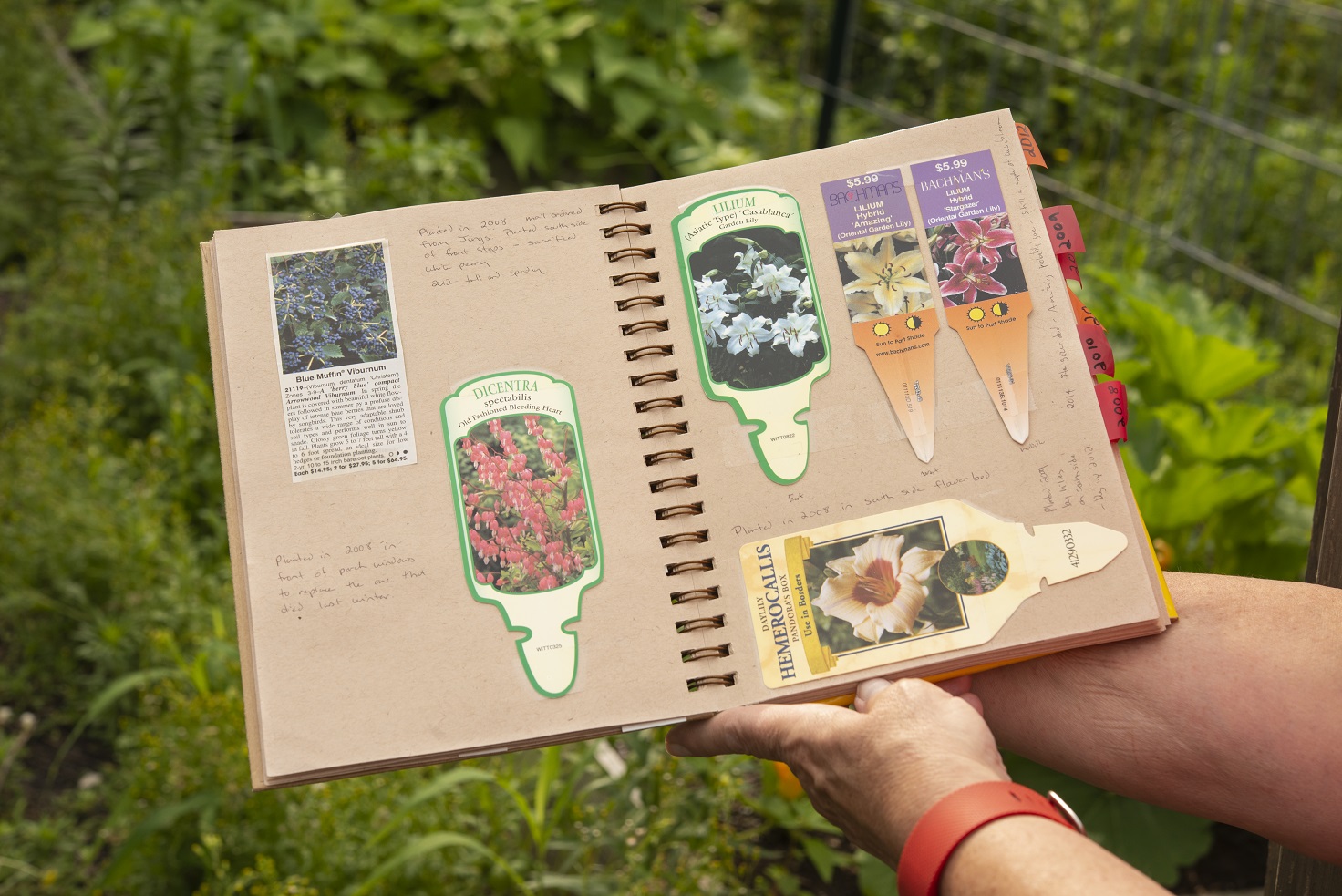
Maintaining a garden journal is a key practice for organizing planting dates, tracking crop rotation, and documenting gardening outcomes. By diligently tracking planting dates in your garden journal, you can ensure timely sowing and harvesting, leading to a more productive garden. Documenting successes and failures provides valuable insights for future planning, helping you learn from past experiences and make informed decisions. Your garden journal serves as a reference for annual garden planning, guiding you on which crops to rotate for better soil health and pest management. Additionally, comprehensive gardening notebooks can include printable resources for efficient garden management, such as planting guides and watering schedules. Subscribing to gardening newsletters further enriches your journaling practices by offering expert tips and advice to enhance your gardening skills. In conclusion, a well-maintained garden journal is a powerful tool that fosters organized, efficient, and successful gardening practices.