

Yes, chickens can enjoy sunflower seeds as a nutritious snack rich in fats, proteins, and essential nutrients vital for their health. Providing these seeds in moderation offers benefits like energy, immune support, and healthy skin and feathers. Opt for shelled seeds to aid digestion and prevent crop issues. Remember, a balanced diet including layer pellets is crucial. Consider the well-being of your chickens by monitoring their seed intake to avoid health problems. Sunflower seeds can be a delightful treat for your feathered friends, promoting bonding and enjoyment. Their nutritional value can keep your chickens healthy and thriving.
Benefits of Sunflower Seeds for Chickens
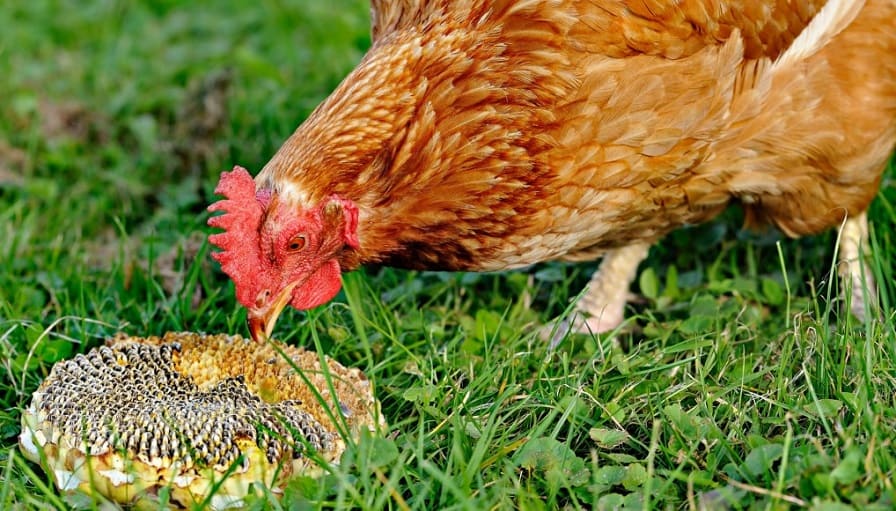
Sunflower seeds provide essential nutrients and benefits for chickens, making them a valuable addition to their diet. These seeds are rich in fat content, which serves as a great source of energy for your feathered friends. Additionally, sunflower seeds are packed with vitamin E, an essential antioxidant that helps maintain chicken health. Vitamin E plays a crucial role in supporting the immune system of chickens, keeping them strong and resilient against diseases.
Moreover, the fat content in sunflower seeds not only provides energy but also aids in maintaining healthy skin and feathers in chickens. The presence of this nutrient ensures that your chickens have shiny plumage and overall excellent feather condition. By including sunflower seeds in your chickens’ diet, you are not only giving them a tasty treat but also a nutritious boost that contributes to their well-being. It’s evident that sunflower seeds offer more than just a delightful snack for your flock.
Nutritional Value of Sunflower Seeds
Rich in protein, fat, and essential amino acids, sunflower seeds offer valuable nutritional benefits for chickens. These seeds contain high levels of fat, which serve as an excellent source of energy for your feathered friends. Additionally, sunflower seeds are packed with essential nutrients like vitamin E and magnesium that support overall chicken health. The protein content in sunflower seeds aids in muscle development and maintenance, contributing to optimal muscle tone in your chickens. Furthermore, the presence of essential amino acids in sunflower seeds is crucial for promoting proper calcium metabolism in poultry.
Both black oil and striped sunflower seeds are nutritious options to consider incorporating into your chicken’s diet. By including sunflower seeds in moderation, you can enhance the nutritional profile of their feed, supporting their well-being and ensuring they receive a balanced diet that meets their dietary requirements.

Moderation in Feeding Sunflower Seeds
When incorporating sunflower seeds into your chickens’ diet, it is crucial to ensure moderation to prevent potential health issues. Chickens can eat sunflower seeds, but it’s important to offer them in limited quantities alongside their main diet. Here are some key points to consider:
- Treat Only: Sunflower seeds should be treated as a special snack for your chickens and not as a primary food source.
- Balanced Diet: The majority of your chickens’ diet should consist of balanced layer pellets or crumbles to ensure they receive essential nutrients.
- Freshness Matters: Opt for fresh sunflower seeds as they contain high oil content, which can benefit your chickens when consumed in moderation.
- Caloric Intake: Excessive consumption of sunflower seeds can lead to a high caloric intake for chickens, potentially causing weight gain and other health issues.
Whole Vs. Shelled Sunflower Seeds

Consider offering sunflower seeds to your chickens in their shelled form to optimize consumption and nutritional benefits. While chickens can eat both whole and shelled sunflower seeds, shelled seeds are generally easier for them to eat and digest. Shelled sunflower seeds reduce the risk of impacted crops in chickens, making them a safer option. Additionally, chickens may prefer shelled seeds due to their convenience and digestibility. However, providing a mix of whole and shelled sunflower seeds can offer variety in their diet and mimic a more natural foraging experience. By incorporating both forms of sunflower seeds into their diet, you can ensure that your chickens receive the nutritional benefits while also enjoying their treats without potential digestive issues. Overall, shelled sunflower seeds are a practical choice for feeding chickens, but a combination of both types can provide a balanced diet for your feathered friends.
Precautions When Feeding Sunflower Seeds
For optimal chicken health, it is advisable to take certain precautions when feeding sunflower seeds.
- Separate Feeding: To prevent attracting rodents, feed sunflower seeds separately from regular balanced chicken feed.
- Visibility: Ensure sunflower seeds are visible to chickens as they may not consume all the seeds if they blend in with dirt.
- Treat Only: Sunflower seeds should be given sparingly as a treat, not as a regular feed item, due to being high in fat.
- Moderation: Avoid daily feeding of sunflower seeds; they should only be a small percentage of the chickens’ diet to prevent potential health issues and maintain a balanced diet.
Taking these precautions will help prevent overconsumption of high-fat sunflower seeds and ensure that your chickens maintain a healthy and balanced diet. By following these guidelines, you can provide your chickens with a treat without compromising their overall nutritional intake.
Impact of Sunflower Seeds on Chicken Health

Feeding high-fat treats such as sunflower seeds to chickens can have a significant impact on their health, potentially leading to issues like fatty liver and protein deficiency. When considering sunflower seeds as part of your chicken’s diet, it’s crucial to be mindful of their protein content and the overall balance of nutrients they provide. Below is a table outlining the nutritional composition of sunflower seeds to help you make informed decisions when supplementing your chickens’ diet:
| Nutrient | Amount per 100g |
|---|---|
| Protein | 20.78g |
| Fat | 51.46g |
| Carbohydrates | 20.0g |
As seen in the table, sunflower seeds are relatively high in fat and moderate in protein content. While they can be a tasty treat for chickens, it’s essential to offer them in moderation to avoid potential health issues. Ensuring a balanced diet with adequate protein sources alongside treats like sunflower seeds is key to maintaining your chickens’ well-being and preventing nutritional imbalances.
Sunflower Seeds as a Supplement
When supplementing your chickens’ diet, incorporating shelled sunflower seeds can provide valuable benefits due to their high fat and protein content. These seeds offer essential nutrients like vitamin E, magnesium, and amino acids that support your chickens’ overall health. Here are some key points to consider when using sunflower seeds as a supplement:
- Nutrient-Rich: Shelled sunflower seeds are packed with essential nutrients that can contribute to your chickens’ well-being.
- Tasty Treat: Chickens often enjoy the taste of sunflower seeds, making them a great addition to their diet as an occasional treat.
- Energy Boost: Moderately feeding sunflower seeds can provide your chickens with extra energy, which can be beneficial, especially during colder months or molting periods.
- Diet Enhancement: While sunflower seeds should not replace a balanced diet, incorporating them in moderation can add variety to your chickens’ meals and promote their overall health and happiness.

Sunflower Seeds for Energy Boost
Incorporating black oil sunflower seeds into your chickens’ diet can effectively provide them with a valuable energy boost due to the seeds’ high fat and protein content. These seeds are a great source of energy for your feathered friends, helping them stay active and healthy. Check out the table below to see a breakdown of the essential nutrients found in sunflower seeds:
| Nutrient | Amount per 100g |
|---|---|
| Protein | 20.7g |
| Fat | 51.5g |
| Fiber | 8.6g |
As you can see, sunflower seeds are packed with protein, which is crucial for muscle development and overall health in chickens. The high-fat content also provides a quick energy source, perfect for those busy days of pecking and scratching around the coop. By offering sunflower seeds in moderation, you can ensure your chickens receive the energy boost they need while strengthening the bond between you and your flock.
Vitamins and Minerals in Sunflower Seeds
Sunflower seeds are a rich source of essential vitamins and minerals beneficial for the health and well-being of chickens. When feeding your chickens sunflower seeds, they benefit from the following key nutrients:
- Vitamin E: Sunflower seeds contain vitamin E, crucial for maintaining healthy skin, feathers, and promoting optimal egg production in chickens.
- Calcium: These seeds provide a good dose of calcium, essential for strong bones and proper eggshell formation, ensuring overall skeletal health in chickens.
- Zinc and Selenium: Sunflower seeds also contain zinc and selenium, important for supporting reproductive functions and contributing to the overall well-being of your flock.
- Moderation is Key: While chickens enjoy sunflower seeds as a tasty treat, remember that these seeds are high in fat. Therefore, moderation is essential to prevent excessive weight gain in your chickens.
Ensure the seeds are unsalted and not roasted to avoid introducing unnecessary sodium content into your chickens’ diet.
Zinc and Selenium for Chicken Health
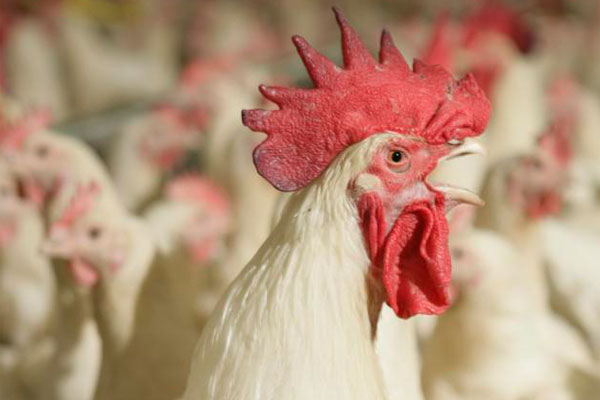
Rich in essential minerals for chicken health, zinc and selenium found in sunflower seeds play vital roles in supporting reproduction and overall well-being in your flock. Selenium, present in sunflower seeds, is crucial for healthy egg production in laying hens. This mineral helps in the prevention of oxidative stress, which can impact egg quality and quantity. On the other hand, zinc, another essential component of sunflower seeds, contributes to maintaining reproductive organs and promoting growth in chickens. Zinc deficiency may lead to delayed growth and increased susceptibility to infections in your flock. By incorporating sunflower seeds into your chickens’ diet, you are providing them with these essential minerals that support their reproductive functions and overall health. Ensuring a balanced intake of zinc and selenium through sunflower seeds can aid in enhancing the well-being and productivity of your feathered companions.
Avoid Roasted or Salted Seeds
When feeding chickens, it is crucial to steer clear of roasted or salted sunflower seeds due to their high sodium content. Here’s why you should avoid them:
- High Sodium Content: Roasted or salted sunflower seeds have a high salt content, which can be harmful to chickens as they do not require much salt in their diet.
- Fat Content: Roasted seeds often have higher fat content due to the roasting process, which can lead to obesity in chickens if consumed in excess.
- Nutritional Imbalance: Excessive salt and fat intake from these seeds can disrupt the nutritional balance in a chicken’s diet, affecting their overall health.
- Health Risks: Consuming salted sunflower seeds can increase the risk of health issues such as high blood pressure and heart problems in chickens.
To ensure the well-being of your feathered friends, opt for natural, unsalted, and unroasted sunflower seeds for a healthier treat option.

Sunflower Seeds: Chicken Favorite Treat
It’s important to note that while avoiding roasted or salted sunflower seeds is crucial for your chickens’ health, they do indeed consider natural sunflower seeds a favorite treat. Chickens are drawn to the taste and texture of sunflower seeds, making it a popular snack choice among them. Offering sunflower seeds in moderation can be a delightful experience for your feathered friends. Some chickens even enjoy pecking at sunflower seeds directly from your hand, creating a fun bonding activity.
To highlight the appeal of sunflower seeds to chickens, take a look at the table below:
| Aspect | Description |
|---|---|
| Taste | Chickens are attracted to the rich flavor of sunflower seeds. |
| Texture | The crunchy texture of sunflower seeds adds excitement to their snack time. |
| Caloric Content | Sunflower seeds are a high-calorie treat that chickens relish. |
Responsible Sunflower Seed Feeding
To ensure the well-being of your chickens, it is important to practice responsible sunflower seed feeding by offering this treat in moderation and monitoring their intake closely. When incorporating sunflower seeds into your chickens’ diet, make sure to follow these guidelines:
- Feed sunflower seeds in small amounts: Provide sunflower seeds as an occasional treat rather than a regular part of their diet to avoid nutritional imbalances.
- Monitor intake levels: Watch your chickens’ consumption of sunflower seeds to prevent weight gain and ensure they are receiving a well-rounded diet.
- Avoid seasoned varieties: Do not feed roasted, salted, or seasoned sunflower seeds to chickens as these additives can be harmful to their health.
- Opt for shelled seeds: Consider offering shelled sunflower seeds to make consumption easier for your chickens and reduce the risk of crop impaction.