

Hummingbirds do not use birdhouses for nesting. They prefer building their nests in natural settings like forks of branches, high off the ground. These tiny birds meticulously construct cup-shaped nests using materials such as moss, feathers, and spider silk. Nests are camouflaged with lichen and moss, strategically placed near food sources and perches. Understanding their nesting habits is crucial for their survival and reproductive success. If you want to learn more about creating a safe habitat for hummingbirds and enhancing their nesting success, explore the detailed research provided.
Hummingbird Nesting Preferences
Hummingbirds exhibit distinct nesting preferences, favoring specific sites with features like overhangs and quick exits rather than nesting in cavities in North America. Unlike cavity-nesting birds, nesting hummingbirds require suitable environments to protect females, chicks, and nests from predators and adverse weather conditions. This unique nesting behavior necessitates creating a habitat for hummingbirds that caters to their specific needs.
When considering the use of birdhouses to attract hummingbirds, it is crucial to understand their nesting habits. Hummingbirds do not typically utilize birdhouses as their preferred nesting sites. Instead, they seek out locations with natural features like overhanging branches or ledges that provide shelter and quick escape routes. To attract nesting hummingbirds, it is essential to create environments rich in native plants that attract insects, a vital food source for these birds during the nesting season.

Factors Affecting Hummingbird Nesting
Factors influencing the nesting behavior of hummingbirds encompass a range of environmental and biological components that shape their nesting preferences and strategies. Hummingbirds are meticulous in their nest-building process, utilizing materials like moss, lichen, and spider silk to weave intricate, cup-shaped nests. These nests are typically situated in high, sheltered locations between 10 to 40 feet above the ground, camouflaged with lichen and moss for protection. Despite the availability of birdhouses, hummingbirds prefer natural settings for nesting and do not utilize man-made structures for this purpose. Additionally, they do not reuse nests from previous seasons, opting to construct new nests for each breeding cycle.
| Nesting Habit | Description |
|---|---|
| Nest Materials | Moss, lichen, spider silk |
| Nest Location | High, sheltered areas between 10 to 40 feet off the ground |
| Nest Protection | Camouflaged with lichen and moss for concealment and security |
Designing Hummingbird-Friendly Yards
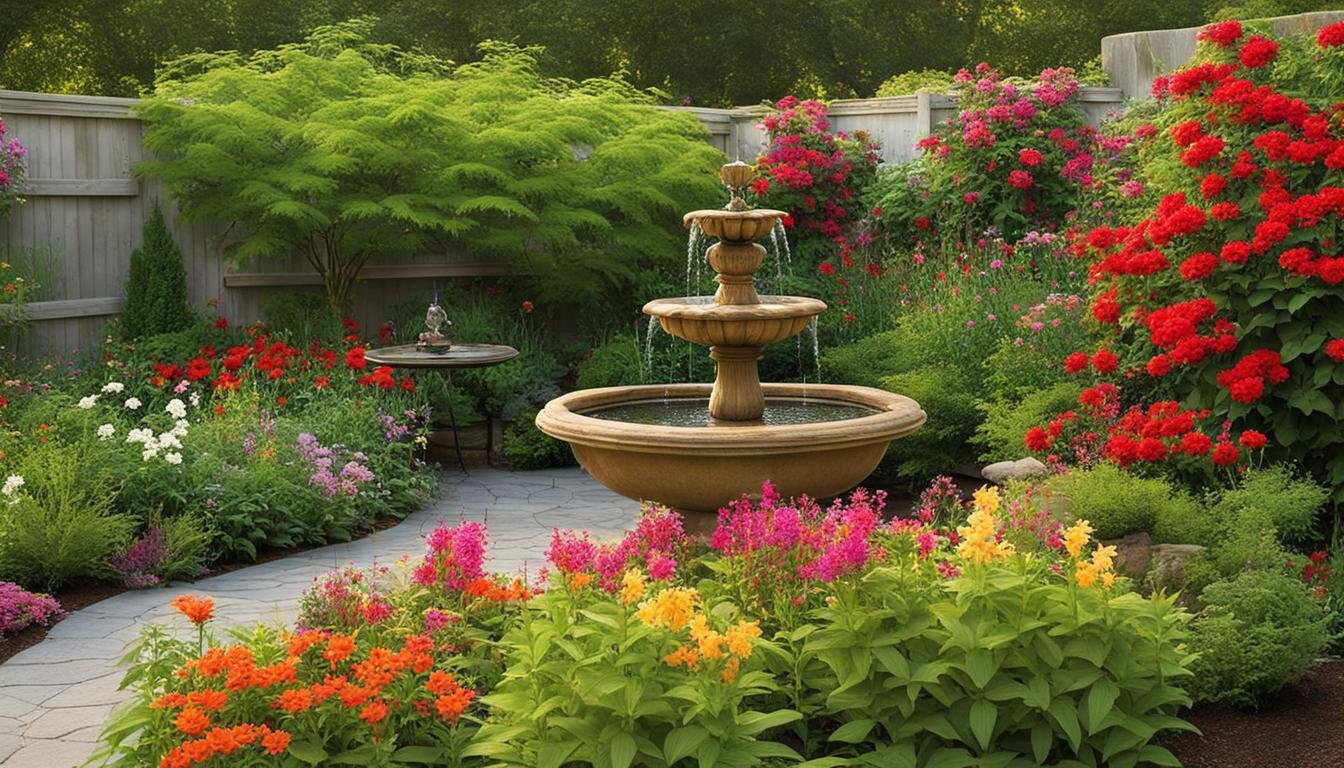
To create a habitat that is attractive to hummingbirds and encourages their presence, consider implementing specific design elements in your yard. Start by planting nectar-producing flowers such as bee balm, salvia, and columbine. These flowers provide a natural food source for hummingbirds. Additionally, hang hummingbird feeders filled with a solution of four parts water to one part sugar to supplement their diet.
Hummingbirds need sheltered spots to rest and nest, so incorporating trees and shrubs in your yard is essential. Trees like oak, pine, and maple provide perching and nesting opportunities. Shrubs such as azaleas, butterfly bushes, and weigela offer cover and nesting sites for these tiny birds.
To attract hummingbirds, choose bright colors like red and orange for your flowers and feeders. These colors mimic the hues of their favorite nectar sources. Providing shallow water sources like birdbaths or fountains will also attract hummingbirds for drinking and bathing.
Remember to keep your yard safe for hummingbirds by avoiding pesticides, controlling harmful insects naturally, and keeping predators away. By following these design tips, you can create a hummingbird-friendly haven in your very own yard.
:max_bytes(150000):strip_icc()/make-a-hummingbird-garden-386026-hero-9ad7a47cd24149dcbf6078f0f4129890.jpg)
Nesting Habits of Hummingbirds
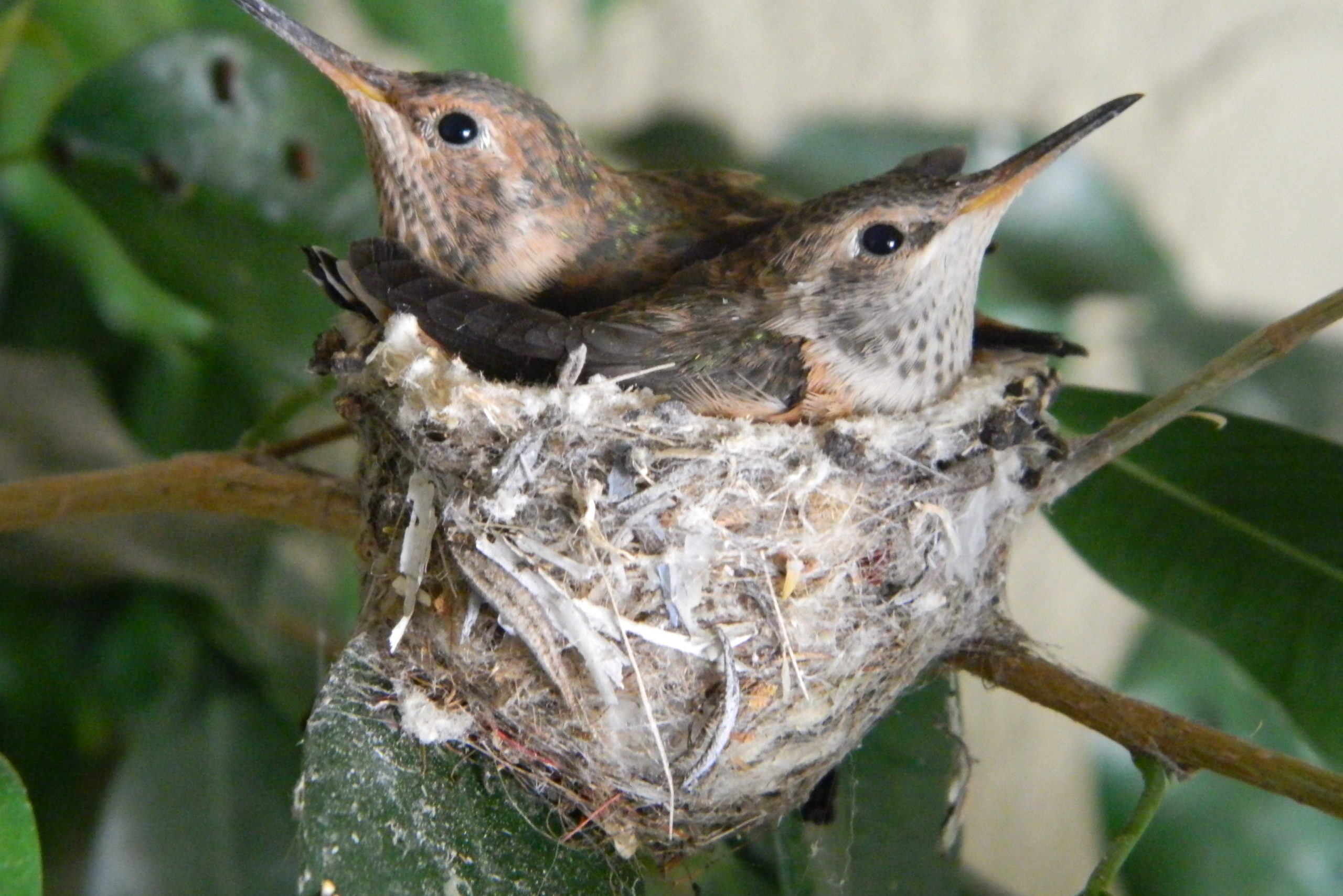
When considering the nesting habits of hummingbirds, it is important to note that these tiny birds prefer to build their nests in forks of branches high off the ground. Hummingbirds do not nest in birdhouses, instead opting for natural locations. Females are the primary nest builders, meticulously crafting their nests using materials like moss, feathers, and spider silk. These materials not only provide durability but also serve to camouflage the nest from potential predators.
The nests themselves are small and compact, taking on a cup-like shape to safeguard the delicate eggs and provide enough space for the growing chicks. Unlike some birds that reuse their nests, hummingbirds typically construct new ones each breeding season. These nests are strategically placed in sheltered spots to shield them from strong winds, with easy access to nearby food sources and perches for rest. Understanding these nesting habits sheds light on the meticulous behaviors that hummingbirds exhibit in creating safe spaces for their offspring.

Importance of Suitable Nesting Conditions
Ensuring suitable nesting conditions for hummingbirds is paramount for their survival and reproductive success. Hummingbirds have specific nesting requirements that differ from cavity-nesting birds. These tiny birds prefer nesting locations with overhangs and quick exits to protect themselves, their chicks, and nests from predators and harsh weather conditions. Suitable nesting sites play a crucial role in attracting hummingbirds by providing a hospitable environment with abundant food sources and appropriate shelter.
Protecting hummingbirds from predators is essential for their overall well-being. Nesting conditions that shield them from potential threats help minimize stress and increase their chances of successful reproduction. By understanding the unique nesting preferences of hummingbirds, one can create an environment that encourages nesting behavior and supports their population growth.
Why Hummingbirds Avoid Birdhouses

Hummingbirds instinctively avoid birdhouses due to their inherent preference for open cup-shaped nests in natural environments. These tiny birds have specific nesting preferences that are not met by the enclosed spaces of traditional birdhouses. Unlike cavity nesters such as wrens or chickadees, hummingbirds seek out locations where they can construct their nests in the form of delicate, open cup-shaped structures. This characteristic is deeply ingrained in their behavior, leading them to avoid birdhouses altogether.
| Nesting Preferences | Open Cup-Shaped Nests | Cavity Nesters |
|---|---|---|
| Hummingbirds | ✔ | ✘ |
| Wrens | ✘ | ✔ |
| Chickadees | ✘ | ✔ |
When considering how to attract hummingbirds to your garden, it is essential to understand their unique nesting habits. Providing natural settings with suitable perches and open areas for nesting will be far more appealing to hummingbirds than any artificial birdhouse. By respecting their natural instincts and preferences, you can create a welcoming environment that encourages these magical creatures to visit and thrive in your backyard.
Attracting Hummingbirds Naturally
To naturally attract hummingbirds to your yard, focus on planting nectar-rich flowers and providing reliable water sources. Hummingbirds are not attracted to birdhouses for nesting; they prefer building cup-shaped nests in natural settings. By incorporating nectar-rich flowers such as bee balm, salvia, and trumpet vine into your garden, you can create a haven for these delicate birds. These flowers provide the essential nectar that hummingbirds need for sustenance. Additionally, installing a birdbath or a small fountain can offer a consistent water source, which is crucial for attracting hummingbirds.
When aiming to attract hummingbirds to nest in your yard, it is vital to mimic their natural habitat. Hummingbirds are drawn to vibrant and fragrant flowers that produce ample nectar. By strategically planting these flowers, you can enhance the appeal of your outdoor space to these tiny birds. Ensuring there are reliable water sources available further increases the likelihood of attracting hummingbirds to nest in your yard. By creating a welcoming environment with nectar-rich blooms and water features, you can encourage hummingbirds to call your yard home.
Creating a Safe Habitat for Hummingbirds
Limiting the presence of potential threats and providing essential nesting requirements are crucial in creating a safe habitat for hummingbirds. To ensure a safe environment for these delicate creatures, it is important to control the number of feeders in your yard, as an excess can deter nesting hummingbirds. Additionally, avoid using pesticides or insecticides that can harm both hummingbirds and their offspring. Keeping harmful insects like wasps and hornets at bay is also essential for the well-being of nesting hummingbirds. Predators such as cats, dogs, and snakes should be kept away from potential nesting sites to protect hummingbird families. Offering natural nesting materials like cotton fibers and refraining from loud noises near nesting areas can significantly increase the chances of successful nesting. By following these guidelines and providing suitable nesting sites, you can help create a safe and inviting habitat for hummingbirds to thrive and raise their young.
Providing Adequate Food Sources
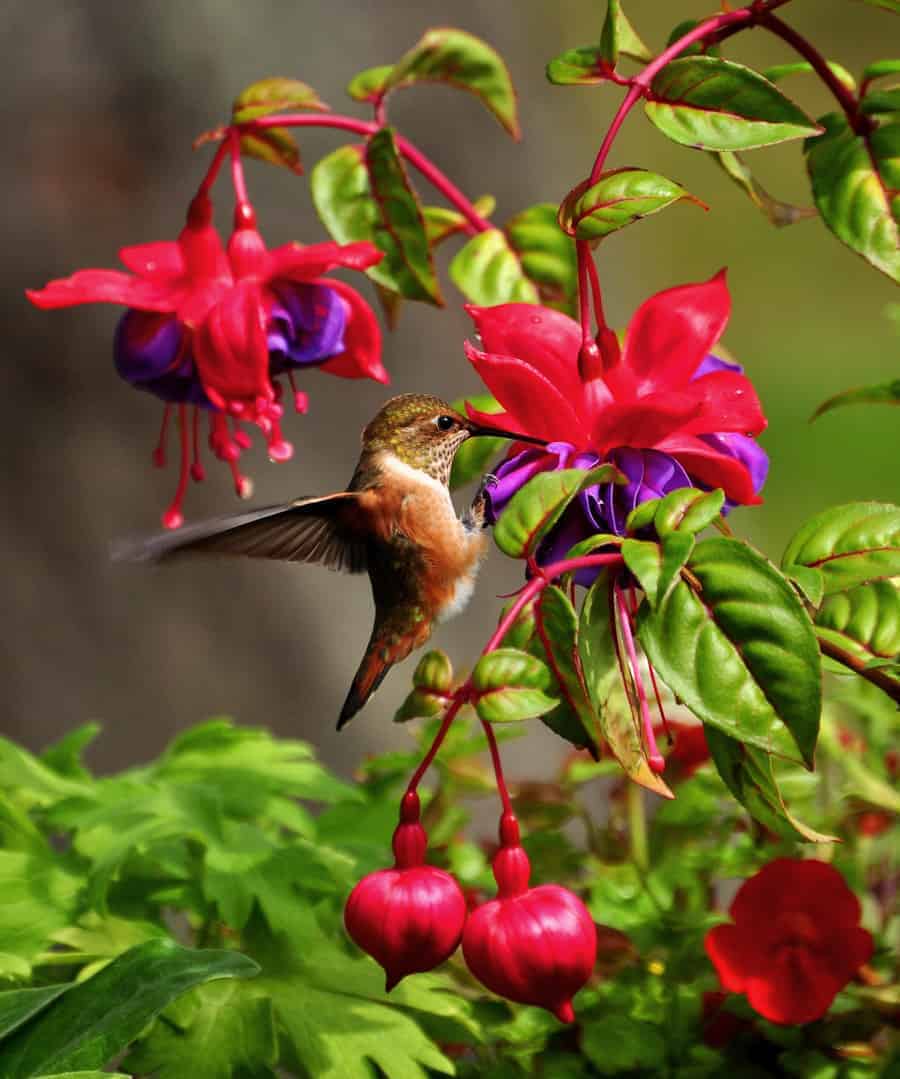
Ensuring a continuous supply of nectar-rich flowers and feeders is vital in attracting and sustaining hummingbirds in your habitat. Hummingbirds have a high metabolism and need to feed every 10-15 minutes, making a nearby food source crucial. Planting nectar-rich flowers such as bee balm, trumpet vine, and salvia can provide a natural food source for hummingbirds. Additionally, setting up hummingbird feeders with a solution of four parts water to one part sugar can supplement the nectar from flowers.
Hummingbirds also rely on natural materials for nest construction. Providing a habitat with abundant food sources like nectar and insects is key to attracting nesting hummingbirds. These tiny birds use materials like moss, lichen, and spider silk to weave their intricate cup-shaped nests in tree forks or shrubs. By incorporating these elements into your habitat, you can create an environment that not only attracts hummingbirds for feeding but also provides a potential nesting site for these fascinating creatures.
Shelter Considerations for Hummingbirds
Attracting hummingbirds to your habitat goes beyond providing adequate food sources; considering shelter considerations is crucial for creating a suitable environment for these non-cavity nesting birds. Hummingbirds do not use birdhouses for nesting. They prefer to build their nests high up in natural settings, typically between 10 to 40 feet off the ground. These tiny birds construct their nests using materials like moss, feathers, and spider silk, ensuring strength and flexibility. To blend in with their surroundings and protect their nests, hummingbirds camouflage them with lichen and moss. Unlike some bird species, hummingbirds do not reuse nests from previous seasons; they opt to build new ones each time. When designing your habitat to attract hummingbirds, incorporating suitable trees, shrubs, and other vegetation that provide secure locations for these delicate birds to build their nests is essential.
| Shelter Considerations for Hummingbirds | |
|---|---|
| Suitable Trees | Shrubs |
| Natural Settings | Moss |
Nesting Predators to Watch Out For
Predators posing a threat to hummingbird nests include snakes, squirrels, larger birds, insects, and small mammals. Snakes can slither into nests to consume eggs or chicks, while squirrels and larger birds may raid nests for food. Insects like ants and wasps can also be potential predators, endangering the hummingbird eggs and chicks. Small mammals such as raccoons and opossums might scavenge nests for a meal. To protect against these threats, consider using deterrents like obstacles or guards around the nesting area. Baffles can prevent climbing predators like squirrels, while guards can deter larger birds. Creating a safe and secluded nesting spot can also help minimize the risk of predation for hummingbirds. By understanding the nesting predators that pose a danger to hummingbird nests and implementing appropriate deterrents, you can enhance the chances of nesting success for these delicate birds.
Tips for Enhancing Nesting Success
To enhance nesting success for hummingbirds, providing natural cotton fibers or soft materials for their nests is essential. Hummingbirds use these materials to construct their nests, ensuring they are cozy and well-insulated for their eggs and chicks. Additionally, there are several other tips you can follow to attract nesting hummingbirds successfully:
- Minimize Disruptions: Keep loud activities to a minimum near potential nesting sites to avoid disturbing the nesting behavior of hummingbirds.
- Provide Perches: Have perches nearby so hummingbirds can rest and observe their surroundings, helping them feel safe and secure.
- Pet Control: Keep loud pets away from areas frequented by hummingbirds during the nesting season to prevent unnecessary stress on the birds.
- Flower Selection: Replace flowers that hummingbirds dislike with nectar-rich blooms to attract them for nesting, providing a natural food source.
- Decorative Accents: Consider adding decorative accents near their nesting areas to make a hummingbird feel more at home and encourage nesting behavior.
Common Misconceptions About Hummingbird Nests
Common misconceptions surrounding hummingbird nests often stem from a lack of understanding their unique nesting habits and preferences. Unlike many other bird species, hummingbirds do not nest in birdhouses. They prefer to build their nests high up, between 10 to 40 feet off the ground, in secluded spots where they feel safe. These nests are intricately constructed using materials such as moss, feathers, and even spider silk, which provide a secure and camouflaged home for their eggs.
It is important to note that hummingbird nests are typically not reused from year to year. Females take the time to construct new nests for each breeding season. To attract nesting hummingbirds to your yard, providing natural materials like cotton fibers can be helpful. Understanding these key aspects of hummingbird nesting behavior can dispel common misconceptions and enable better conservation efforts to protect their natural habitats.
Conservation Efforts for Hummingbird Habitats
One of the key aspects in preserving hummingbird populations is implementing conservation efforts aimed at protecting their habitats. To ensure the well-being of these fascinating birds, it is crucial to focus on specific strategies:
- Preserving Hummingbird Habitats: Conservation efforts must prioritize the preservation of nectar-rich flowering plants and reliable water sources crucial for hummingbirds’ survival.
- Avoiding Harmful Chemicals: Protecting hummingbirds from harmful chemicals and ensuring clean feeders are essential practices in conservation efforts.
- Responsible Pet Ownership: Encouraging responsible pet ownership, such as keeping cats indoors, can significantly contribute to safeguarding hummingbird populations.
- Marine Protected Areas: Marine protected areas play a vital role in preserving coastal habitats that are essential for hummingbirds, particularly during migration.
- Raising Awareness: Educating the public about the impact of human activities like pollution and overfishing is vital for the long-term conservation of hummingbirds.