
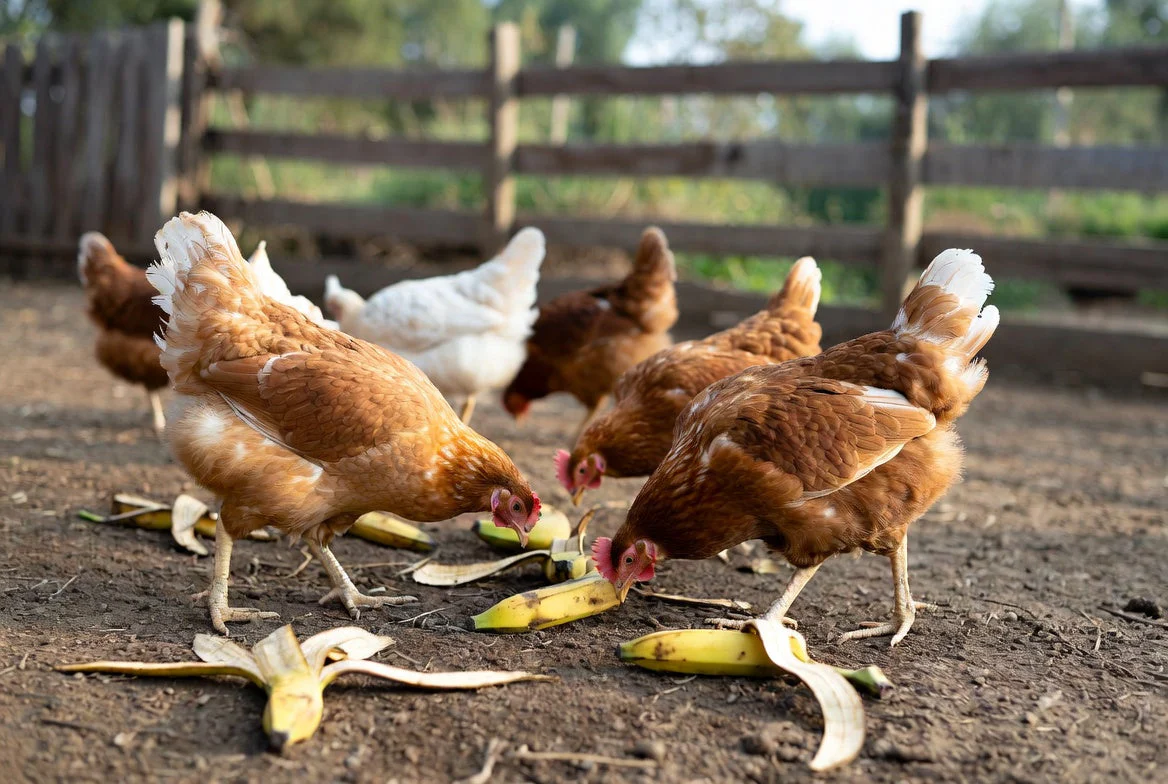
Your chickens can eat banana peels for added nutrients like potassium, fiber, and vitamins. Boil and chop the peels into small, washed pieces for safe consumption. The preparation can help chickens digest the peels easier. Remember to moderate their intake to prevent digestive issues and ensure a balanced diet. Offering diverse treats like vegetables and protein-rich foods can also benefit their health. Consider incorporating banana peels as part of a varied meal plan to support your chickens’ overall wellness. Explore more about safe treats and feeding practices to optimize your flock’s nutrition.
Benefits of Banana Peels for Chickens
Feeding chickens banana peels provides essential nutrients that promote their heart and muscle function, digestion, and overall health. The nutritional value of banana peels, rich in potassium, is beneficial for enhancing heart and muscle functions in chickens. Additionally, the high fiber content aids digestion, contributing to their overall health. Including banana peels in their diet can lead to high-quality egg production, showcasing the positive impact on their reproductive capabilities. However, it is crucial to maintain a balanced diet for chickens, where banana peels are just one component among many. By incorporating these nutrient-rich peels into their meals, chickens not only benefit from improved health, but those consuming their eggs also gain from the enhanced nutritional profile. Therefore, feeding banana peels to chickens is a holistic approach to ensuring their well-being and promoting the quality of their egg production.
Nutritional Value of Banana Peels
Banana peels offer a rich source of essential nutrients, including potassium, dietary fiber, vitamins A, B6, and C, as well as antioxidants like lutein and zeaxanthin. When considering the nutritional value of banana peels, it’s important to note that they contain approximately 422 mg of potassium per 100 grams, making them an excellent natural source of this essential mineral. Additionally, these peels are a good source of dietary fiber, providing around 2.6 grams per 100 grams, which can contribute to digestive health in chickens. Furthermore, banana peels contain essential vitamins such as vitamin A, B6, and C, which play crucial roles in maintaining overall health and immunity. The presence of antioxidants like lutein and zeaxanthin in banana peels can also benefit chickens by supporting eye health and protecting against oxidative damage. Introducing banana peels into your chickens’ diet can be a nutritious addition to promote their well-being.
Safe Preparation Techniques for Chickens
To ensure the safety and optimal consumption of banana peels by your chickens, proper preparation techniques are essential. Start by boiling organic banana peels to soften their tough texture, making it easier for chickens to digest. Chop the peels into small, manageable pieces to facilitate consumption. It’s crucial to wash banana peels thoroughly before feeding them to your chickens to remove any contaminants that may be present. If your chickens show no interest in eating banana peels, you can consider composting them as an eco-friendly alternative. Remember, organic banana peels are rich in potassium, fiber, and essential vitamins, offering a nutritious supplement to your chickens’ diet when prepared safely. By following these preparation methods, you can ensure that your chickens enjoy the benefits of banana peels without any risks to their health.
Importance of Washing Banana Peels
Washing banana peels before feeding chickens is crucial to eliminate dirt, pesticides, and residues that could be harmful to their health. Clean peels not only prevent contamination but also ensure that your flock receives the intended nutritional benefits without any potential risks. By properly cleaning banana peels, you reduce the chances of digestive issues or health problems, contributing to the overall well-being of your chickens.
Proper Cleaning Methods
Ensuring the cleanliness of banana peels is essential to safeguarding the health and well-being of your chickens. When cleaning banana peels for your flock, follow these steps to ensure proper hygiene:
- Wash: Begin by rinsing the banana peels under running water to remove any visible dirt or debris.
- Scrub: Use a brush to gently scrub the peels, ensuring you remove any remaining particles.
- Soak: Allow the banana peels to soak in a mixture of water and vinegar for a few minutes to help eliminate bacteria.
- Rinse: Finally, thoroughly rinse the peels again to ensure all cleaning agents are removed before feeding them to your chickens.
These steps are vital in removing potential pesticide residues, dirt, bacteria, and contaminants from the peels. By maintaining a thorough cleaning routine, you can prevent digestive issues, promote optimal nutrient absorption, and reduce the risk of introducing harmful substances to your chickens’ diet.
Removing Pesticide Residues
When considering the health of your chickens, addressing the presence of pesticide residues on banana peels becomes a critical aspect of their diet management. Washing banana peels is crucial to remove pesticide residues that can be harmful to chickens. Pesticides on banana peels can pose health risks to chickens if ingested, making thorough washing essential to reduce the chances of pesticide contamination in their diet. Opting for organic banana peels is a safer choice for feeding chickens due to lower pesticide exposure. Prioritize washing banana peels before offering them to your chickens to ensure their safety and well-being. By taking this simple yet significant step, you can help safeguard your flock from potential harm associated with pesticide residues, promoting their overall health and vitality. Remember, a little effort in washing banana peels can go a long way in protecting your feathered friends from unnecessary risks.
Choking Hazards and Banana Peels
To minimize the risk of choking hazards for chickens, it is crucial to properly prepare banana peels before feeding them to your poultry. Banana peels can be tough and fibrous, making them difficult for chickens to break down and digest. Follow these tips to ensure safe consumption:
- Chop or blend banana peels into smaller pieces: Breaking down the peels into manageable sizes can help prevent choking incidents.
- Monitor eating behavior: Supervise your chickens while they consume banana peels to ensure they are not struggling or choking.
- Remove any large or hard parts: Before offering banana peels to your chickens, make sure to remove any hard or large sections that could pose a choking risk.
- Mix with softer foods: Combining banana peels with softer foods can aid in digestion and reduce the risk of choking.
Moderation in Banana Peel Consumption
To maintain optimal health for your chickens, it is important to consider the moderation of banana peel consumption as part of their dietary intake. Feeding banana peels in moderation is crucial to prevent potential digestive issues and maintain a balanced diet for your poultry. By limiting the amount of banana peels given to your chickens, you ensure they receive a diverse range of nutrients while avoiding any choking hazards that may arise from excessive consumption. Balancing banana peels with other fruits and vegetables is key to providing a healthy diet for your chickens, promoting overall well-being and vitality.
| Benefits of Moderation in Banana Peel Consumption |
|---|
| Prevents digestive issues |
| Maintains a balanced diet |
| Ensures diverse nutrient intake |
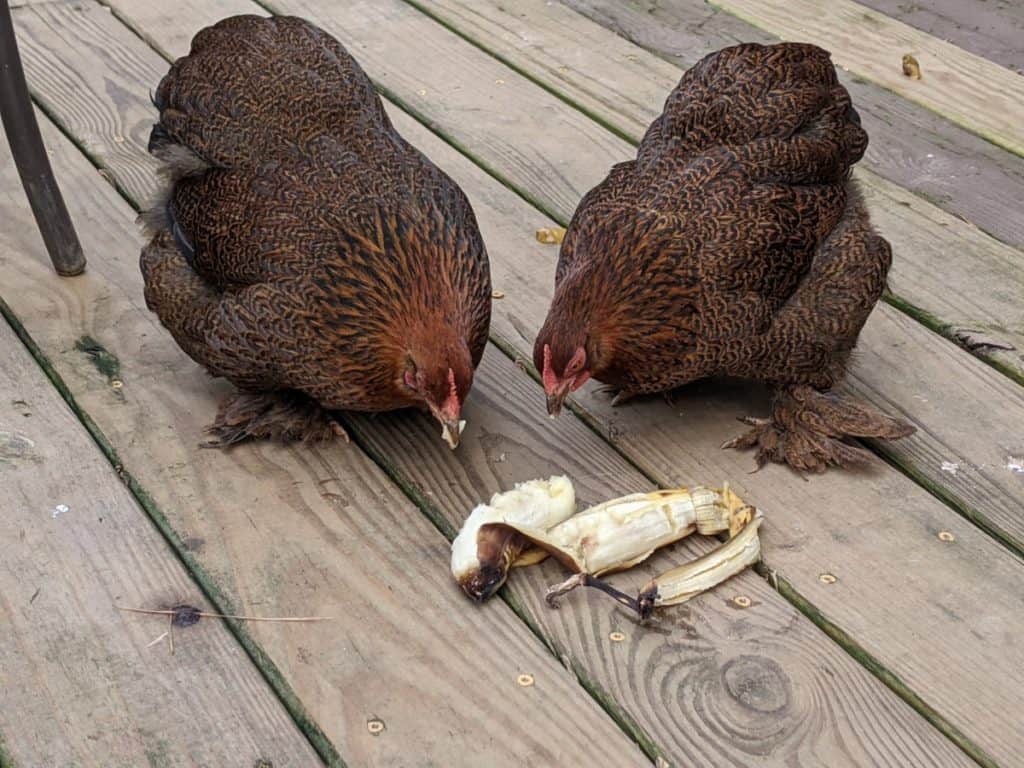
Composting Banana Peels With Chickens
Composting banana peels with chickens enhances soil fertility by enriching it with valuable nutrients. When combining banana peels and chickens in the composting process, you can benefit from:
- Accelerated Decomposition: Chickens help break down banana peels faster through their pecking and scratching, speeding up the composting process.
- Nutrient-Rich Compost: Mixing banana peels with chicken manure creates a potent compost rich in essential nutrients for plant growth.
- Organic Matter Addition: Banana peels add organic material to the compost, improving soil structure and promoting microbial activity.
- Waste Reduction: Composting banana peels with chickens reduces waste, transforming kitchen scraps into valuable resources for gardening.
Balanced Diet Incorporating Banana Peels
Incorporating banana peels into chicken diets can significantly enhance their nutritional intake and overall health. Banana peels offer essential nutrients like potassium, fiber, and vitamins that contribute to a balanced diet for chickens. Ensuring chickens receive additional nutrients from banana peels can positively impact their overall health and egg production. Proper preparation methods, such as boiling or chopping, can make banana peels more manageable for chickens to consume. Including banana peels as part of a diverse diet helps maintain a healthy and sustainable feeding regimen for chickens. Offering banana peels in moderation alongside other nutritious foods supports a well-rounded diet plan for chickens.
| Nutrient | Benefits |
|---|---|
| Potassium | Supports muscle function and health |
| Fiber | Aids in digestion and gut health |
| Vitamins | Essential for overall health and immunity |
| Antioxidants | Helps combat oxidative stress |
| Minerals | Important for various physiological functions |
Fiber Content in Banana Peels
Banana peels contain a significant amount of fiber, which is essential for maintaining healthy digestion in chickens. This fiber plays a crucial role in promoting proper gut health and aiding in nutrient absorption. Including banana peels in your chickens’ diet can provide them with the dietary advantages of fiber, helping to prevent digestive issues and support their overall well-being.
Benefits of Fiber
Consuming banana peels provides chickens with a substantial source of fiber, essential for maintaining their digestive health and overall well-being. The fiber content in banana peels plays a crucial role in promoting optimal digestion and gut health for chickens. Here are some benefits of fiber-rich banana peels for your flock:
- Improved Digestion: The fiber in banana peels helps support chickens’ digestive processes, aiding in the breakdown and absorption of nutrients.
- Regulated Bowel Movements: Including banana peels in their diet can help regulate chickens’ bowel movements, preventing constipation or diarrhea.
- Enhanced Gut Health: The fiber content in banana peels promotes a healthy gut environment by supporting beneficial bacteria and overall gut function.
- Nutrient Absorption: By including banana peels, chickens can better absorb essential nutrients, contributing to their overall health and well-being.
Incorporating banana peels into your chickens’ diet can offer a natural and nutritious way to boost their fiber intake, ensuring a balanced and healthy nutrition plan for your feathered friends.
Dietary Advantages
To enhance your chickens’ dietary fiber intake and promote their overall health, consider the advantages of including banana peels in their diet. Banana peels are rich in fiber, which plays a crucial role in supporting gut health by aiding digestion and regulating bowel movements in chickens. By incorporating banana peels into their diet, you can help prevent digestive issues and contribute to their overall dietary fiber intake.
The fiber content in banana peels not only supports proper digestion but also fosters the development of a healthy microbial community in your chickens’ digestive systems. This, in turn, can have a positive impact on their gut health and overall well-being. Additionally, the high fiber levels in banana peels promote satiety in chickens, helping to prevent overeating due to the fibrous nature of the peels.
Vitamins and Minerals in Banana Peels
Rich in essential nutrients, banana peels offer a range of vitamins and minerals crucial for the health of chickens. When considering feeding your chickens banana peels, you should know that they provide a variety of beneficial nutrients:
- Potassium: Banana peels are rich in potassium, a vital mineral that supports heart and muscle function in chickens.
- Fiber: High levels of fiber in banana peels aid in digestion and promote overall gut health for chickens.
- Vitamin C: Essential for a strong immune system, banana peels contain Vitamin C, which can benefit your chickens’ health.
- Magnesium: Banana peels also offer magnesium, a mineral important for bone development and eggshell formation in chickens.
Serving Sizes for Chickens
Consider incorporating banana peels into your chickens’ diet in controlled portions to ensure their well-being and digestive health. Chickens can eat bananas, including the peels, as a small part of a varied diet. When offering banana peels, remember to chop them into small pieces. This helps prevent choking hazards and makes it easier for chickens to consume. Limiting the intake of banana peels is essential to avoid any potential digestive issues and ensure your chickens’ overall health. Additionally, opt for organic banana peels and make sure to wash them thoroughly before feeding them to your chickens. By following these serving size guidelines and precautions, you can safely introduce banana peels as an occasional treat for your feathered friends. Remember, moderation is key when it comes to incorporating new foods into your chickens’ diet.
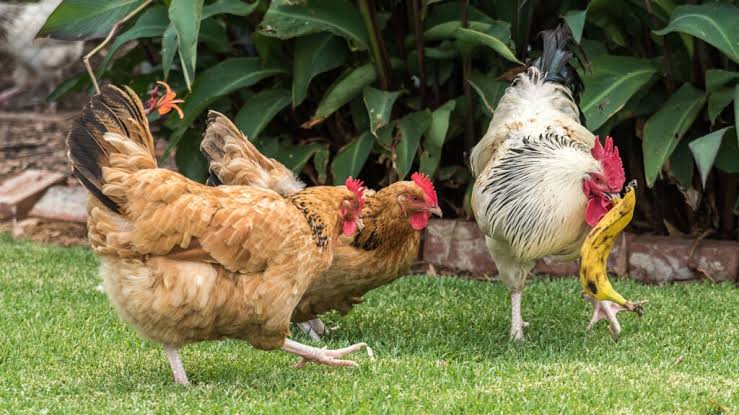
Other Safe Treats for Chickens
When considering other safe treats for your chickens, it’s essential to provide a variety of healthy options like apples, berries, melons, grapes, and pears. These fruits not only offer unique nutritional benefits but also contribute to a balanced diet for your poultry. Remember to avoid feeding chickens fruits containing harmful substances and always ensure proper cleaning and preparation of treats to keep your chickens healthy and happy.
Healthy Treats for Chickens
What other safe treats can you offer your chickens besides fruits like apples and berries? Here are some other healthy treats that chickens will enjoy:
- Vegetables: Leafy greens, carrots, cucumbers, and squash are excellent choices packed with essential vitamins and minerals.
- Grains: Cooked rice, oats, or quinoa can provide a good source of energy for your chickens.
- Protein: Mealworms, earthworms, or scrambled eggs are great sources of protein to supplement your chicken’s diet.
- Dairy: Plain yogurt or cheese in moderation can be a treat for chickens, offering calcium and protein benefits.
These treats can be a nutritious addition to your chickens’ diet, providing a range of essential nutrients and keeping them happy and engaged. Remember to offer treats in moderation and ensure they are appropriate for chickens to eat. By diversifying their diet with these safe treats, you can contribute to the overall health and well-being of your feathered friends.
Proper Feeding Guidelines
To maintain proper feeding guidelines for your chickens, consider incorporating a variety of safe treats into their diet, such as banana peels, apples, berries, and other fruits. When feeding bananas, ensure they are ripe and the peels are thoroughly washed and chopped to prevent any choking risks. Remember to remove any seeds or pits from fruits like apples, berries, and peaches before offering them to your chickens. Providing a diverse range of fruits not only offers nutritional benefits but also helps in keeping their diet balanced. Apart from bananas, chickens can also enjoy treats like melons and pears to add more variety to their meals. Before feeding any fruits, make sure to clean them properly to eliminate any potential pesticides or contaminants that could harm your chickens. By following these proper feeding guidelines and offering a mix of safe treats, you can ensure your chickens stay healthy and happy.
Variety in Diet
Consider expanding your chickens’ diet with a variety of safe fruit treats like apples, berries, melons, grapes, peaches, and pears to provide diverse nutritional benefits and promote their overall health. Chickens love the variety in their diet, and these fruits can offer various vitamins and minerals to support their well-being. When feeding your chickens bananas, remember to provide nutritional treats in moderation to maintain a balanced diet. Additionally, consider other safe treats like:
- Crunchy apples to give them a refreshing snack.
- Juicy berries bursting with antioxidants for added health benefits.
- Sweet melons to keep them hydrated during hot days.
- Succulent grapes for a tasty and energizing treat.
Including a range of fruits in your chickens’ diet not only adds excitement but also ensures they receive a mix of essential nutrients. Remember to always introduce new treats gradually and monitor your chickens for any adverse reactions.
Protein-Rich Foods for Chickens
Incorporating protein-rich foods like mealworms, soybeans, and fish into your chickens’ diet is essential for providing the necessary amino acids required for growth and feather development. These foods play a vital role in supporting overall health and egg production in chickens. Additionally, plant-based protein alternatives such as legumes (e.g., beans and lentils) can cater to chickens with specific dietary restrictions or preferences.
Seeds like sunflower or pumpkin seeds are another excellent addition to your chickens’ diet as they not only increase protein intake but also offer essential nutrients. By balancing protein-rich foods with carbohydrates and fats, you can ensure your chickens receive a well-rounded and nutritious diet, promoting optimal health and performance.
Consider adding scrambled eggs or cooked meat to their diet for an extra protein boost. Remember, a diverse diet is key to meeting your chickens’ nutritional needs, so explore different protein sources to keep them healthy and thriving.
Best Practices for Chicken Nutrition
To optimize your chickens’ nutrition, it’s crucial to understand their dietary needs, explore balanced feed options, and consider appropriate supplements. By providing a well-rounded diet, you can ensure your chickens receive the essential nutrients they require for growth and health. Consulting with poultry experts can help tailor a nutrition plan that meets your flock’s specific needs.
Dietary Needs of Chickens
How can you ensure the optimal health and egg production of your chickens through their dietary needs? Chickens rely on a balanced diet rich in essential vitamins, minerals, protein, and carbohydrates. To meet the dietary needs of your chickens effectively, consider the following:
- Collaborate with poultry specialists to tailor a diet suitable for your chickens based on factors like age, breed, and intended purpose.
- Monitor your chickens’ growth and behavior to detect any signs of nutritional deficiencies that may require dietary adjustments.
- Avoid excessive feeding of treats such as mealworms and prioritize a varied diet to prevent nutrient imbalances.
- Provide a consistent supply of fresh water, maintain a safe living environment, and offer a well-rounded diet to support the overall health and welfare of your chickens.
Balanced Feed Options
Providing chickens with a well-balanced feed is essential for maintaining their optimal health and supporting their overall nutrition requirements. When considering the diet for your chickens, it is important to offer a regular feed that is safe and meets their nutritional needs. Below is a table outlining some key components that should be part of a balanced diet for chickens:
| Component | Description | Benefits |
|---|---|---|
| High-Quality Feed | Contains essential nutrients for chickens. | Supports overall health and egg production. |
| Fresh Vegetables | Provides vitamins, minerals, and fiber. | Enhances immune function and digestion. |
| Grains | Good source of energy for the chickens. | Sustains energy levels throughout the day. |
Incorporating these elements into your chickens’ diet will ensure they receive the necessary nutrients to thrive. Remember, a varied and balanced diet is key to promoting the health and well-being of your feathered friends.
Supplement Considerations
Considering the nutritional needs of your chickens, incorporating appropriate supplements can enhance their overall health and well-being. When it comes to supplement considerations for chickens’ nutrition, here are some best practices to keep in mind:
- Balanced Formulas: Opt for supplements specifically designed for chickens to ensure they receive the necessary vitamins and minerals.
- Fresh Greens: Introduce fresh greens like spinach, kale, or lettuce to provide additional nutrients and variety to their diet.
- Protein Sources: Include protein-rich supplements such as mealworms or soybeans to support muscle development and egg production.
- Calcium Enrichment: Offer sources of calcium like crushed eggshells or oyster shells to promote strong eggshells and overall bone health.