
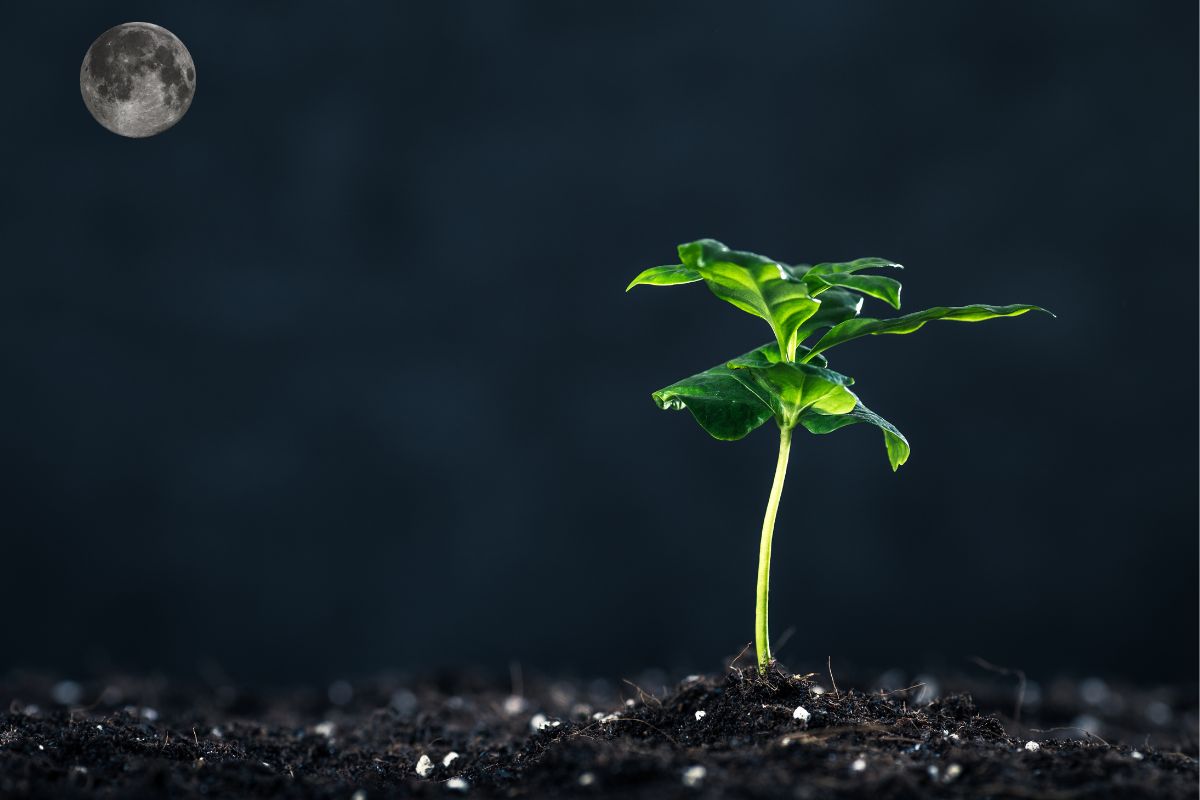
Moonlight plays a crucial role in plant growth by regulating processes like water flow, nutrient distribution, and immunity. It aids in photosynthesis, accelerates plant growth, and influences crop maturation. Moonlight triggers flowering in specific plant species and supports biological functions crucial for plant health. While sunlight drives photosynthesis directly, moonlight indirectly affects plant development and vitality. Understanding how moonlight impacts plants is essential for optimizing farming practices. Planting and harvesting based on lunar phases can lead to improved crop yield. Discover more about the intricate relationship between moonlight and plant biology for enhanced farming methods.
Importance of Moonlight in Plant Growth
Moonlight significantly influences various physiological processes in plants, playing a vital role in regulating essential functions such as water flow, sap movement, immunity, and wound healing. When it comes to plant growth, the exposure to moonlight is crucial. The water flow within plants, facilitated by moonlight, ensures proper hydration and nutrient distribution. This process is essential for maintaining turgor pressure, which keeps plants upright and supports their overall structure. Additionally, moonlight exposure impacts the plant’s immune system, enhancing its ability to fend off diseases and pests. Wound healing in plants is also accelerated under the influence of moonlight, allowing for faster recovery from physical damage.
Moreover, moonlight affects plant nutrition by influencing processes like leaf movements, starch storage, and utilization. Studies have shown that harvesting plants during specific moon phases can affect their water content, recovery rate, and overall health. Therefore, understanding the importance of moonlight in plant growth is crucial for optimizing agricultural practices and promoting crop success.
Role of Moonlight in Farming Methods
Moonlight influences photosynthesis in plants by providing additional energy for the process, aiding in the production of sugars crucial for growth. This additional energy from moonlight can accelerate plant growth, influencing the overall development and maturation of crops. Moreover, moonlight can trigger the flowering process in certain plant species, impacting the timing and quality of harvests in agricultural practices.
Moonlight and Photosynthesis
Indirectly impacting plant growth and development, the role of moonlight in photosynthesis within farming methods is a nuanced aspect worth delving into. While moonlight itself does not directly contribute to photosynthesis, it plays a crucial role in supporting various biological processes in plants. Moonlight influences water movement and sap flow, which are essential for plant health and overall functioning.
Moonlight also aids in plant immunity, wound healing, and regeneration, contributing to the overall growth of plants. Additionally, moonlight is involved in plant nutrition, starch storage, and utilization, all of which are vital for the health and development of plants. Although sunlight remains the primary source of energy for photosynthesis, the subtle effects of moonlight on plant biology make it an important factor to consider in farming practices.
Understanding the intricate relationship between moonlight and plant biology can lead to more effective farming methods that take into account the holistic needs of plants beyond just sunlight exposure.
Moonlight and Growth
In farming methods, the role of moonlight in plant growth is intricately tied to its influence on essential biological processes. Moonlight impacts plant growth by affecting water flow and sap movement, crucial for nutrient distribution and overall plant health. Exposure to moonlight is also linked to enhanced plant immunity, aiding in wound healing, regeneration, and promoting robust growth. Furthermore, moonlight plays a significant role in plant nutrition, influencing leaf movements, starch storage, and utilization, all contributing to healthy development. This natural light source also influences wood and plant development by altering water content, drying behavior, and exerting electromagnetic effects on plants. Understanding the impact of moonlight on plants is essential for farmers to ensure optimal growth, regeneration, and overall plant health. By harnessing the benefits of moonlight, farmers can support their crops’ growth and vitality through these intricate biological processes.
Moonlight and Flowering
The role of moonlight in farming methods extends to influencing the flowering process in plants through hormonal modulation. Moonlight serves as a crucial environmental cue that triggers the initiation of flowering in many plant species. Plants possess photoreceptors called phytochromes that can detect changes in light, including moonlight, and regulate the timing of flowering accordingly. Exposure to moonlight during specific phases of the lunar cycle has been found to promote blooming in certain plants by modulating the production of key flowering hormones, such as gibberellins and cytokinins. These hormonal changes orchestrated by moonlight play a significant role in coordinating the intricate process of flowering in plants. Understanding the intricate relationship between moonlight and flowering can provide valuable insights for optimizing farming methods to enhance crop yield through strategic manipulation of lunar light exposure to influence flowering patterns in plants.
Lunar Cycle Impact on Plants
During the lunar cycle, plants exhibit notable changes in their growth patterns and physiological processes due to the influence of moonlight. The waxing and waning phases of the moon play a significant role in plant growth, affecting processes such as sap movement, pruning, and cutting. Moonlight influences the flow of water through plants, impacting fluid balance and water weight within the plant tissues. Moreover, plant immunity, wound healing, and regeneration are closely linked to the lunar cycle, with studies showing variations in plant chemistry based on different moon phases.
Traditional farming practices have long recognized the importance of the lunar cycle in plant development, guiding activities such as planting and harvesting to align with optimal lunar conditions for plant health. By adjusting farming practices according to the lunar cycle, farmers aim to enhance plant growth and overall productivity, leveraging the natural influence of moonlight on plants’ physiological processes.
Adaptation of Plants to Moonlight
Plants have evolved intricate mechanisms to respond to moonlight, with various physiological processes being influenced by lunar illumination. During moonlit nights, plants exhibit unique growth patterns and metabolic activities that are distinct from their responses to sunlight. Understanding how plants adapt and thrive under moonlight conditions is crucial for optimizing agricultural practices and ensuring sustainable crop production.
Plant Moonlight Response
Adapting to the varying phases of moonlight, plants intricately modulate their growth and physiological functions to optimize their development. Moonlight serves as a crucial environmental cue that influences plant growth patterns, physiological processes, and overall wellbeing. Plants adjust their water movement, sap flow, and nutrient absorption in response to moonlight exposure, ensuring efficient resource utilization for growth and development. Additionally, moonlight plays a vital role in enhancing plant immunity, aiding in wound healing, and bolstering defense mechanisms against pathogens.
The intensity and duration of moonlight directly impact plant responses, dictating the rate of photosynthesis, metabolic activities, and hormonal regulation within the plant system. This intricate interplay between moonlight and plants underscores the significance of lunar cycles in plant nutrition, regeneration, and health maintenance. By harnessing the cues provided by moonlight, plants optimize their growth processes, adapt to environmental changes, and sustain their physiological functions for robust development.
Growth During Moonlight
In response to varying intensities and durations of moonlight, plant growth undergoes intricate adaptations to optimize physiological functions and development. Moonlight plays a crucial role in influencing plant growth by enhancing sap flow and promoting immune responses. The lunar influence on plant physiology during different moon phases results in distinct growth patterns.
During moonlight exposure, plants utilize the light to enhance their nutrient absorption and regulate their metabolic processes. This optimized sap flow facilitates the distribution of essential nutrients throughout the plant, supporting growth and development. Moreover, the immune responses triggered by moonlight exposure help plants defend against pathogens and environmental stressors, contributing to overall plant health.
Understanding how plants adapt to moonlight is crucial for farmers and gardeners to optimize their cultivation practices. By harnessing the benefits of moonlight, such as improved sap flow, enhanced immune responses, and regulated plant physiology, growers can promote healthier and more robust plant growth.

Moonlight Vs. Sunlight in Photosynthesis
While sunlight is crucial for driving the process of photosynthesis in plants, moonlight, in contrast, does not directly contribute to this vital metabolic activity. Sunlight provides the necessary energy for plants to convert carbon dioxide and water into glucose through photosynthesis. Unlike sunlight, moonlight lacks the intensity and specific wavelengths essential for efficient photosynthesis to occur. Plants rely predominantly on sunlight as it encompasses the full spectrum of light required for optimal plant growth and development. Although moonlight does play a role in the growth and development of plants, its impact on photosynthesis is minimal compared to sunlight. Therefore, while moonlight may influence certain aspects of plant behavior, the significance of sunlight in driving the photosynthetic process remains unparalleled in providing the energy needed for plants to thrive and produce essential nutrients.
Lunar Environment and Crop Cultivation
Crop cultivation in a lunar environment necessitates meticulous replication of factors such as temperature, light, water, air, and nutrients to ensure successful plant growth under unique lunar conditions. The reduced gravity on the Moon poses challenges for plant growth patterns, affecting processes like water uptake and nutrient distribution. Additionally, the 28-day lunar day presents a hurdle for crops that rely on sunlight for photosynthesis, leading to the need for innovative solutions such as artificial lighting to simulate sunlight and sustain plant growth throughout the lunar night.
Understanding how plants respond to prolonged periods of light deprivation and altered gravity is crucial for developing sustainable crop selections suited for lunar agriculture. Research efforts are focused on devising energy-efficient solutions for lighting to optimize plant growth and minimize resource consumption in this challenging environment. By integrating technological advancements and scientific insights, lunar agriculture holds promise for future sustainable food production beyond Earth.
Understanding Moonlight’s Influence on Plants
Moonlight’s impact on plants encompasses a range of physiological processes that influence growth and development. The varying intensities of moonlight during different phases of the lunar cycle can affect plant responses in terms of water flow, immune reactions, and overall growth. Moonlight plays a crucial role in regulating processes like sap movement, nutrient uptake, and starch storage within plants. Additionally, the influence of moonlight on plant nutrition, leaf orientation, and energy metabolism is evident in both traditional agricultural practices and modern scientific studies. Farmers have long observed that planting and harvesting according to lunar phases can lead to differences in crop yield and quality due to the subtle yet significant effects of moonlight on plant biochemistry.
| Moon Phase | Influence on Plants | Examples |
|---|---|---|
| New Moon | Decreased growth rate | Reduced water flow |
| Full Moon | Enhanced nutrient absorption | Increased immune responses |
| Waxing Crescent | Optimal starch accumulation | Improved plant resilience |
| Waning Gibbous | Enhanced leaf movements | Increased photosynthesis |
| Last Quarter | Efficient energy utilization | Balanced nutrient distribution |
Moonlight and Biological Processes
The profound influence of moonlight on plant biological processes is evident through its modulation of essential physiological functions. Moonlight affects various aspects of plant life, influencing everything from sap flow to plant immunity. Here are some key ways in which moonlight impacts biological processes in plants:
- Sap Flow Regulation: Moonlight influences the movement of sap within plants, with sap flow being more vigorous during the waxing phase and slower as the moon wanes. This modulation is crucial for nutrient transport and overall plant health.
- Plant Growth and Regeneration: Timing activities such as growth, pruning, and harvesting close to the full moon can significantly impact plant health and regeneration. Moonlight plays a pivotal role in these processes by influencing cellular activities.
- Plant Immunity and Health: Moonlight is essential for functions like wound healing, starch storage, and utilization, all of which contribute to plant immunity and overall health. Understanding these intricate relationships is crucial for maintaining optimal plant growth and vitality on Earth.
Successful Crop Cultivation in Space
To achieve successful crop cultivation in space, replicating Earth-like conditions such as temperature, light, water, air, and nutrients is essential. The challenge of space cultivation lies in the Moon’s 28 Earth-day-long day, necessitating costly artificial lighting to provide continuous sunlight for optimal plant growth. Plant adaptation varies among species, influencing the selection process for successful cultivation in space environments. Understanding the effects of reduced gravity on plant growth and development is crucial for sustainable space agriculture. NASA conducts studies on plants within space vehicles to investigate the impact of light and gravity on successful crop cultivation in space. These studies aim to enhance our understanding of the intricate relationship between plant biology and the unique conditions present in space, paving the way for future advancements in extraterrestrial farming practices. By addressing factors such as lighting, gravity, and plant adaptation, researchers strive to optimize crop yields and ensure food security for long-duration space missions.