

Discover Oklahoma’s diverse owl population! From the haunting hoots of the Great Horned Owl to the trilling calls of the Eastern Screech-Owl, each species brings unique sounds and striking visuals. Explore the heart-shaped facial discs of the Barn Owl and the distinctive short ear tufts of the Long-eared Owl. These fascinating creatures play a vital role in rodent population control and exhibit various hunting habits. As you delve deeper into the world of these nine owl species, you’ll uncover their importance in ecosystems and the conservation efforts in place to protect them.
1. Barred Owl
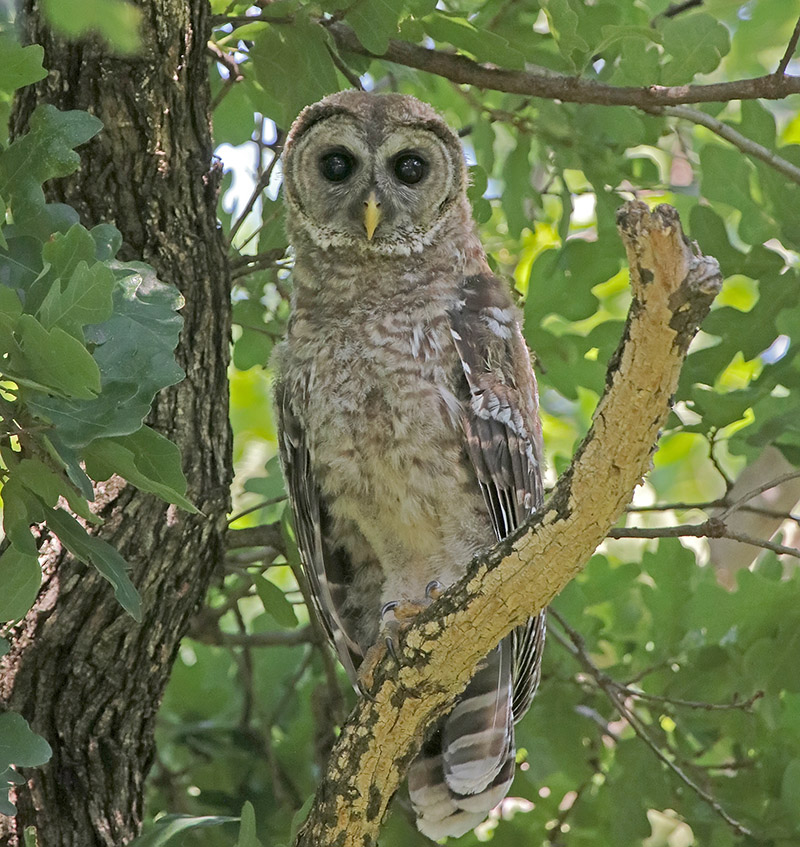
Barred Owls, a sizable species found in Oklahoma, boast a length of 21 inches and a wingspan of 42 inches. These common birds are known for their preference for deciduous and coniferous forests and woodlands throughout the state. Females look similar to males, with the main difference being that females are slightly larger. In British Columbia, where they are also found, their haunting hoots echo through the trees.
These owls are skilled hunters, preying on small mammals like mice and rabbits, as well as birds and amphibians. Their dark eyes and mottled brown and white plumage provide excellent camouflage in their wooded habitats. Barred Owls are known for their distinctive ‘Who cooks for you? Who cooks for you-all?’ hooting call, a sound that is often heard in the evenings and early mornings. Their adaptability to various habitats and their efficient hunting skills make them a fascinating species to observe in the wild.
2. Great Horned Owl

The Great Horned Owl, a prominent nocturnal species that thrives in various habitats across Oklahoma, is known for its impressive size and distinctive features. This owl, with a length of 22 inches and a wingspan of 44 inches, is one of the largest owl species in the region. When you take a closer look, you’ll notice its ear tufts and deep hooting calls that echo through the night. According to eBird data, Great Horned Owls can be found in urban areas as well, showcasing their adaptability.
These skilled predators feed on a diverse range of animals, including rodents, birds, and even larger mammals like rabbits. They are monogamous creatures, often mating for life and establishing territories where they raise their young. The Great Horned Owl’s presence in Oklahoma’s varied landscapes highlights its resilience and ability to thrive in different environments.
3. Eastern Screech-Owl
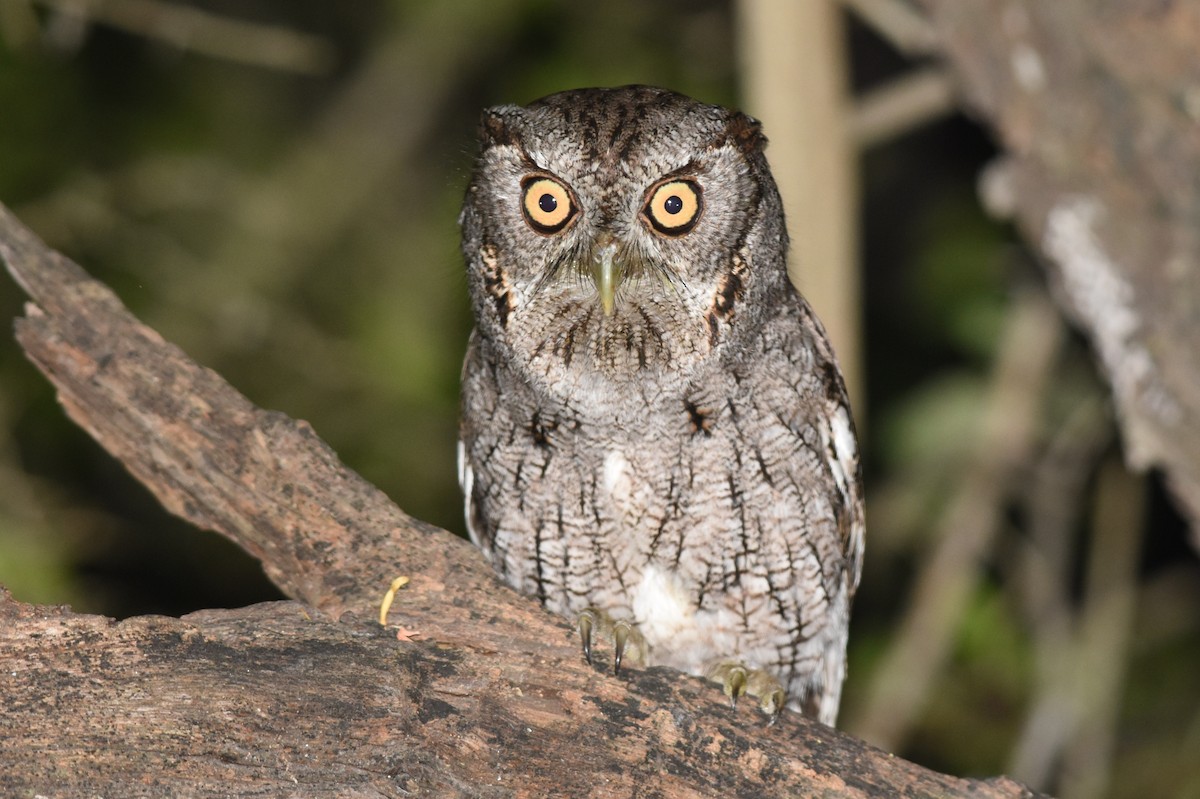
An inhabitant of Oklahoma’s diverse ecosystems, the Eastern Screech-Owl is a small yet fascinating owl species with unique characteristics. Nesting habits of Eastern Screech-Owls involve utilizing tree cavities, abandoned woodpecker holes, or man-made nest boxes. These adaptable owls are known to accept artificial nesting sites, showing resilience in urban and suburban areas. Their habitat preferences include deciduous forests, wooded swamps, and parks with mature trees, where they can roost and nest safely.
Eastern Screech-Owls are renowned for their unique vocalizations. Their calls consist of whinnies, trills, and soft hoots that create an eerie yet captivating nighttime ambiance. These vocalizations serve purposes such as territory defense, communication between mates, and locating each other in the dark.
4. Burrowing Owl

Nesting in burrows created by prairie dogs and other animals, the Burrowing Owl in Oklahoma showcases unique nesting behavior within the state’s diverse habitats. These small owls, measuring 9.5 inches long with a wingspan of 21 inches, stand out for their distinctive appearance and behavior. During the breeding season, Burrowing Owls can be found breeding in Oklahoma, emphasizing their presence in the region. Observing them in their natural habitat reveals their fascinating breeding habits and vocalizations.
Conservation efforts play a crucial role in protecting Burrowing Owls and their nesting sites in Oklahoma. Given their reliance on burrows made by other animals, preserving these habitats is essential for the species’ survival. Their ability to adapt to varying environments highlights the importance of maintaining diverse ecosystems to support their populations.
5. Short-eared Owl
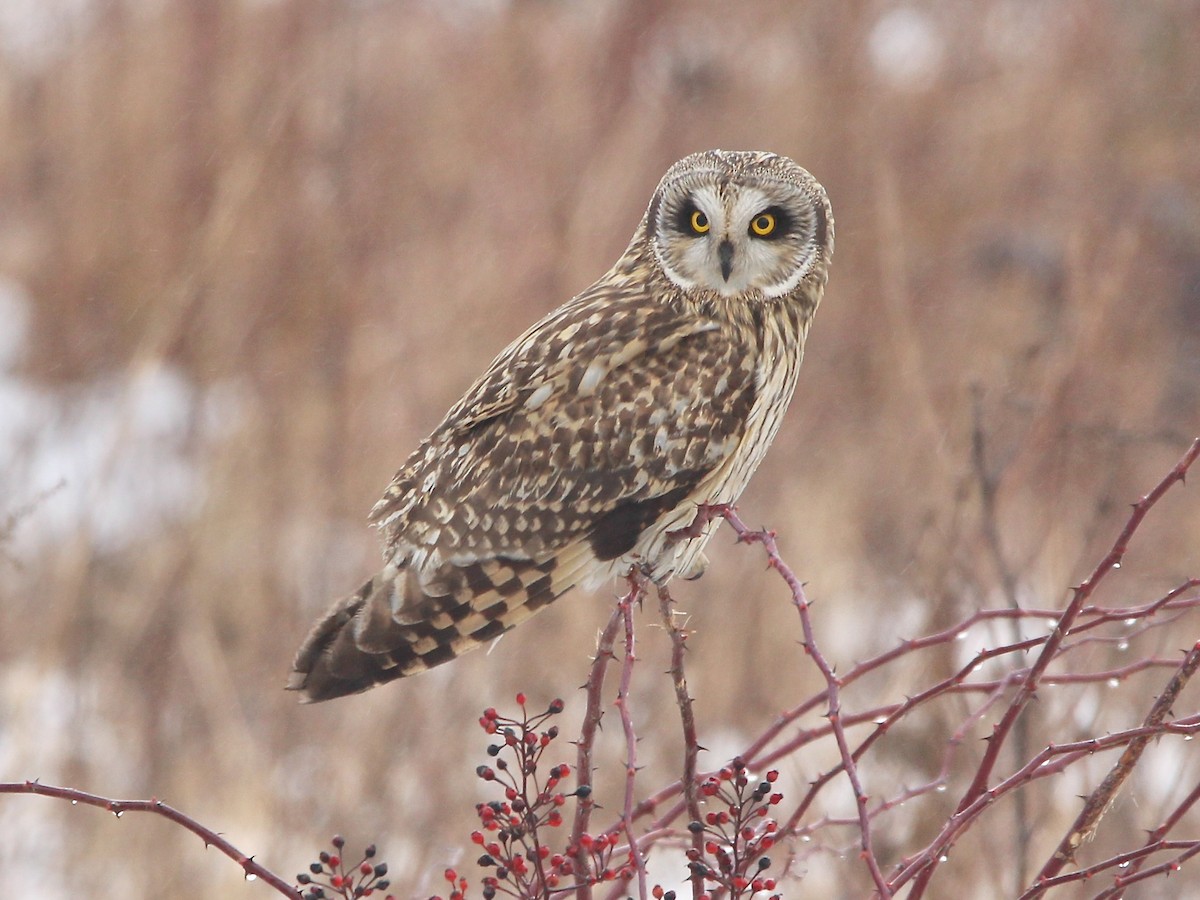
Adapting to various habitats, the Short-eared Owl in Oklahoma is recognized for its distinctive short ear tufts and ground-nesting behavior in dense vegetation. Nesting habits of the Short-eared Owl involve creating shallow scrapes on the ground in areas with thick vegetation to conceal their eggs and young. These owls exhibit agile hunting behavior, flying low over open fields during both day and night in search of prey. Their preferred hunting grounds often include grasslands, prairies, and marshes where they can find an abundance of small mammals such as voles, shrews, and mice. The Short-eared Owl’s exceptional hunting skills, combined with their ability to adapt to various environments, make them successful predators in the Oklahoma landscape. Keep an eye out in these open areas, as the Short-eared Owl’s distinctive appearance and ground-nesting behavior make them a unique and fascinating species to observe in the wild.
6. Barn Owl

The Barn Owl, commonly found in open and urban areas throughout Oklahoma, is known for its distinctive heart-shaped facial discs that aid in hunting small mammals. Measuring 16 inches in length with a 42-inch wingspan, this species is among the larger owls in the state. Barn Owls have adapted well to urban environments, where they can be observed year-round. Their unique facial discs assist in funneling sound to their ears, enhancing their hunting capabilities. Unlike other owls, Barn Owls do not hoot; instead, they emit a blood-curdling scream or hissing noise when threatened. Nesting behavior of Barn Owls involves finding quiet, secluded spots in buildings or trees to raise their young. Conservation efforts in Oklahoma focus on preserving their natural habitat and providing nesting sites in urban areas to ensure the continued presence of these fascinating birds. By safeguarding their habitats, we can help maintain healthy populations of Barn Owls in the state.
7. Western Screech-Owl
![All 9 Owls in Oklahoma [With Sounds & Pictures]](https://wildyards.com/wp-content/uploads/2022/09/western-screech-owl.jpg)
Measuring around 8.5 inches in length with a wingspan of about 20 inches, the Western Screech-Owl is a rare owl species often found in tree cavities in Oklahoma. Here are some key facts about the Western Screech-Owl:
- Nesting Behaviors: Western Screech-Owls prefer nesting in tree cavities, where they raise their young and roost during the day, camouflaged against predators.
- Trilling Calls: These owls are known for their distinctive trilling calls, especially during the breeding season in Oklahoma. The males use this vocalization to establish territory and attract mates.
- Rodent Population Control: Despite their small size, Western Screech-Owls play a significant role in controlling rodent populations in their habitats. By preying on rodents, these owls help maintain a balance in the ecosystem.
- Hunting Skills: Skilled hunters, Western Screech-Owls primarily feed on small animals like insects and rodents. Their excellent nocturnal vision and keen hearing aid them in locating and capturing prey efficiently.
Understanding these aspects of the Western Screech-Owl’s behavior sheds light on its importance in the Oklahoma ecosystem.
8. Long-eared Owl
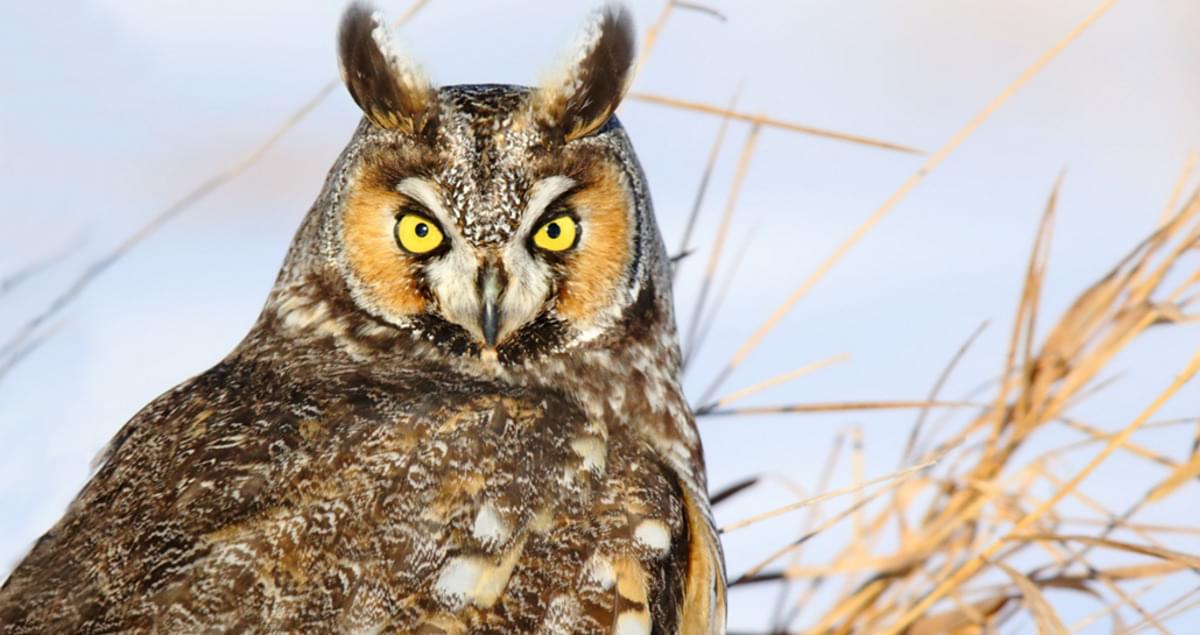
In Oklahoma, the Long-eared Owl, a rare species often found in coniferous woodlands near meadows, stands out with its distinctive long ear tufts resembling horns. These owls are known for their unique behavior of nesting in dense vegetation, often repurposing abandoned crow or raptor nests. Their habitat preference plays a critical role in their survival as they rely on the cover provided by dense vegetation for protection and nesting.
Conservation efforts for the Long-eared Owl in Oklahoma focus on preserving suitable coniferous woodland habitats near meadows where these owls thrive. Habitat loss due to deforestation and urbanization poses a significant threat to their population. By raising awareness about the importance of maintaining these specific ecosystems, conservationists aim to safeguard the Long-eared Owl’s habitat and ensure their continued presence in the region.
In terms of behavior, Long-eared Owls are efficient hunters, preying on small mammals such as voles, mice, and shrews. Their hooting calls, especially the males’ series of low, soft hoots used to attract females, are distinctive features of their communication within the species.
9. Northern Saw-whet-Owl

An elusive resident of Oklahoma’s forests, the Northern Saw-whet Owl is a rare and captivating species known for its preference for coniferous and mixed hardwood habitats. Here are some key facts about this intriguing owl:
- Habitat conservation: Due to its specific habitat requirements, habitat conservation efforts are crucial to protect the Northern Saw-whet Owl in Oklahoma.
- Nesting behavior: This owl nests in old woodpecker holes or nest boxes, underscoring the importance of providing suitable nesting sites for their reproduction and survival.
- Nocturnal hunting habits: With a diet mainly comprising small mammals, birds, and insects, the Northern Saw-whet Owl is an efficient hunter during the night, relying on its sharp talons and keen senses to locate prey.
- Size and characteristics: Measuring around 7 inches in length, the Northern Saw-whet Owl’s petite size belies its impressive hunting skills and unique adaptations for survival in its forested habitats.