

Achieve mushroom growth success with six proven methods. Start by spawning spores on compost, adding casing layers. Try log inoculation using wooden dowels on specific wood types. Utilize coffee grounds for nutrient-rich growth, inoculating within hours of brewing. Opt for woodchip beds, mastering mycelium growth techniques, and maintaining ideal conditions. Explore substrate preparation using pasteurized substrates like straw or sawdust, creating contamination-free environments. Or choose the sterile approach with nutrient-rich mediums to speed up colonization and fruiting. Elevate your mushroom cultivation with these techniques for a bountiful harvest ahead.
1. Compost Method for Mushroom Cultivation

To cultivate mushrooms using the compost method, begin by spawning spores on a nutrient-rich compost substrate. This method is ideal for home-growing mushrooms due to its simplicity and effectiveness. The compost provides essential nutrients like sugar and protein necessary for the mushrooms’ growth. After spawning the spores, it is crucial to add a casing layer to facilitate fruit body growth.
The process of harvesting mushrooms can commence approximately three weeks after the initial growth stage. During this period, it is essential to make temperature adjustments to ensure optimal conditions for mushroom development. The compost method is favored by beginners as it offers a straightforward approach to mushroom cultivation.
2. Log Method for Growing Mushrooms
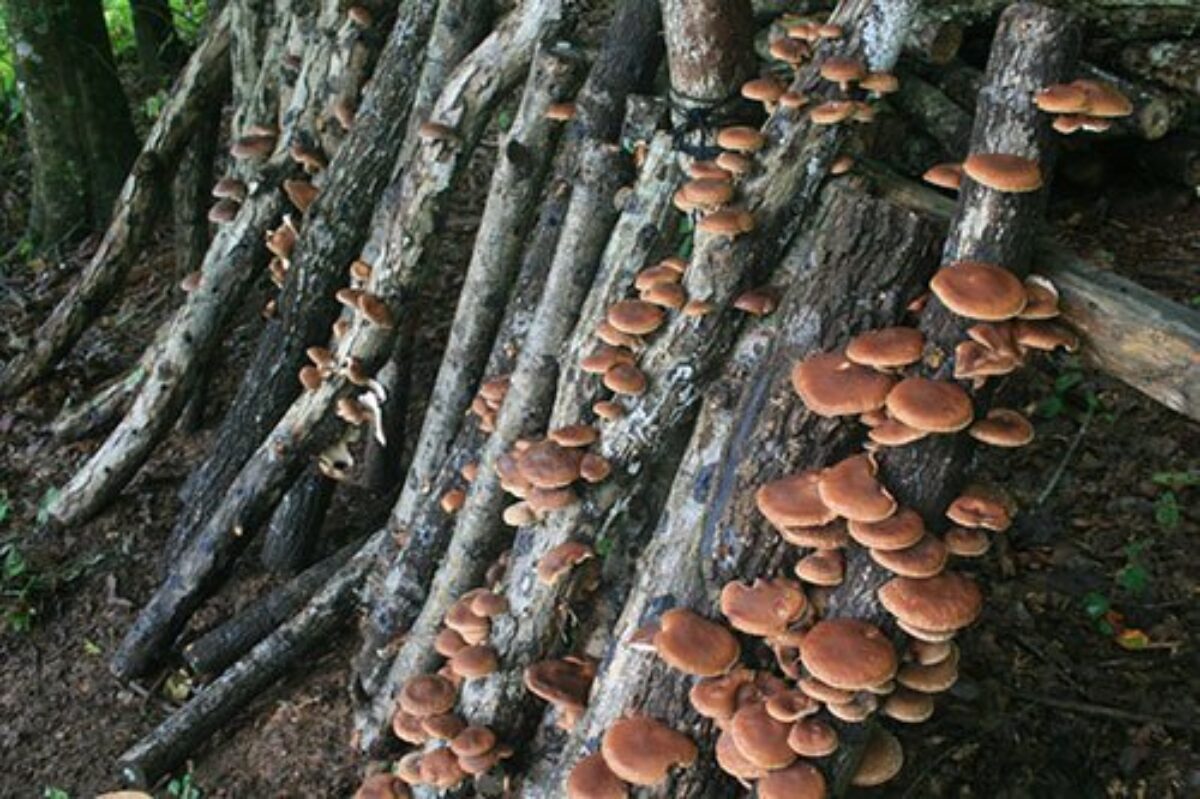
Inoculating freshly cut logs with mushroom spores using wooden dowels is a key step in the log method for growing mushrooms. Different types of mushrooms, such as shiitake, require specific types of wood to thrive. To start the process, drill holes into the logs and insert the wooden dowels inoculated with mushroom spores. Seal the holes with wax to prevent contamination and encourage successful growth.
The log method of growing mushrooms is a traditional and hands-on approach that yields long-term rewards. However, patience is crucial as it may take up to a year before mushrooms begin to fruit. This method requires ample space for the logs to be stored and cared for during the cultivation process.
| Step | Description | Importance |
|---|---|---|
| Inoculate Logs | Insert wooden dowels with mushroom spores into freshly cut logs | Essential |
| Choose Wood Type | Select appropriate wood for specific mushroom species like shiitake | Vital |
| Drill Holes | Create holes in the logs to accommodate the wooden dowels | Crucial |
| Seal with Wax | Cover the drilled holes with wax to prevent contamination and ensure growth | Important |
| Patience and Space | Results may take up to a year, requiring space and time for successful cultivation | Key factors |
3. Coffee Grounds Technique for Mushrooms

To explore the benefits of the Coffee Grounds Technique for growing mushrooms, you will learn about the nutrient-rich properties of coffee grounds that support mushroom growth. The simple setup process involves inoculating the grounds with mushroom spores and following compost guidelines for optimal conditions. Harvesting and storing your oyster mushrooms cultivated from waste coffee grounds is a sustainable and cost-effective way to enjoy fresh produce at home.
Coffee Grounds Benefits
Utilizing coffee grounds as a substrate in mushroom cultivation provides essential nutrients crucial for optimal growth. Oyster mushrooms, in particular, thrive in coffee grounds due to their rich nutrient content. When inoculating spores, timing is critical; it is recommended to introduce the spores to the coffee grounds within 24 hours of brewing for successful mushroom development.
The coffee grounds technique involves filling a bucket with used grounds and spores, following compost method guidelines to create optimal growth conditions. This method is versatile and can be adapted for various mushroom varieties, offering a sustainable approach to repurpose coffee waste for home cultivation. By recycling coffee grounds in this manner, cultivators can not only benefit from the nutrient-rich substrate but also contribute to environmental sustainability by reducing waste.
Experimenting with coffee grounds as a substrate can lead to a rewarding mushroom cultivation experience, providing a cost-effective and eco-friendly method for growing mushrooms at home.
Simple Setup Process
Using coffee grounds as a substrate for mushroom cultivation involves a straightforward setup process that can be tailored for different varieties of mushrooms. The coffee grounds method utilizes waste coffee grounds as a substrate for mushroom growth, offering a sustainable and nutrient-rich medium. When starting the process, it is crucial to inoculate the spores into the coffee grounds within 24 hours of brewing to ensure successful colonization and growth. While this technique is commonly used for oyster mushrooms, it can also be effective for other mushroom species with some adjustments.
To begin, fill a bucket with a mixture of coffee grounds and spores, following guidelines similar to the compost method to create optimal growth conditions. The coffee grounds provide essential nutrients for the mushroom caps to develop into fruiting bodies. Different mushroom growers may need to adjust the setup process slightly when transitioning from species to species to accommodate specific requirements for successful cultivation. This simple setup process using coffee grounds as a substrate offers mushroom enthusiasts a convenient and eco-friendly method for home cultivation.
Harvesting and Storage
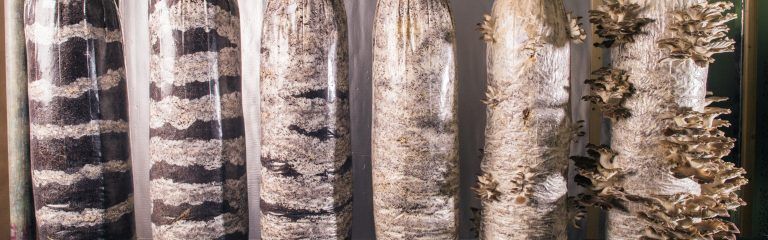
When harvesting mushrooms grown using the coffee grounds technique, look for fully opened caps with visible gills. To ensure the best quality and freshness of your harvest, follow these tips:
- Store Properly: Place harvested mushrooms in a paper bag in the refrigerator. Avoid washing them before storage as excess moisture can lead to faster spoilage.
- Check Regularly: Inspect stored mushrooms daily for any signs of spoilage, such as mold or slime, and remove any affected pieces promptly.
- Use Quickly: For optimal taste and texture, consume stored mushrooms within one week of harvesting. Freshness is key to enjoying their full flavor.
- Sustainable Practice: The use of coffee grounds as a substrate for mushroom cultivation not only provides essential nutrients for growth but also offers a sustainable and cost-effective method for home cultivation. This eco-friendly approach allows you to grow fresh produce conveniently in your own space.
4. Growing Mushrooms in Woodchip Beds
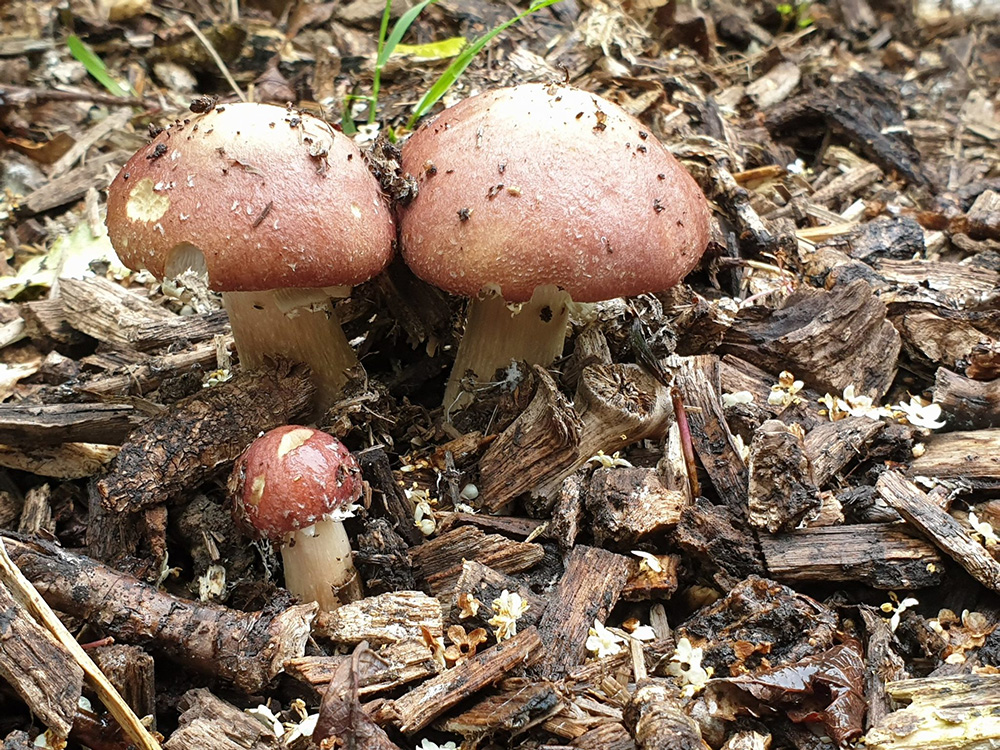
To successfully grow mushrooms in woodchip beds, you must first master the art of bed preparation techniques that provide the ideal conditions for mycelium growth. Maintaining the woodchip beds is crucial, requiring regular watering and monitoring to ensure the moisture levels and nutrients necessary for healthy mushroom development. By following proper maintenance practices, you can enjoy a sustainable and cost-effective way to cultivate fresh mushrooms in your own backyard.
Bed Preparation Techniques
Woodchip beds serve as an effective medium for cultivating mushrooms outdoors, offering a natural and nutrient-rich environment conducive to successful growth. When preparing woodchip beds for mushroom cultivation, follow these steps:
- Substrate Selection: Opt for hardwood chips as they provide essential nutrients for mushroom growth, aiding in mycelium colonization and fruiting.
- Moisture Management: Maintain proper moisture levels in the woodchip beds by regularly watering them. Mushrooms require a humid environment for optimal growth.
- Shading: Ensure the woodchip beds are placed in a shaded area to mimic the natural conditions that mushrooms thrive in. Direct sunlight can be detrimental to mushroom development.
- Monitoring: Keep a close eye on moisture levels and temperature within the woodchip beds. Consistent monitoring helps create an ideal environment for healthy mushroom growth.
Woodchip Bed Maintenance
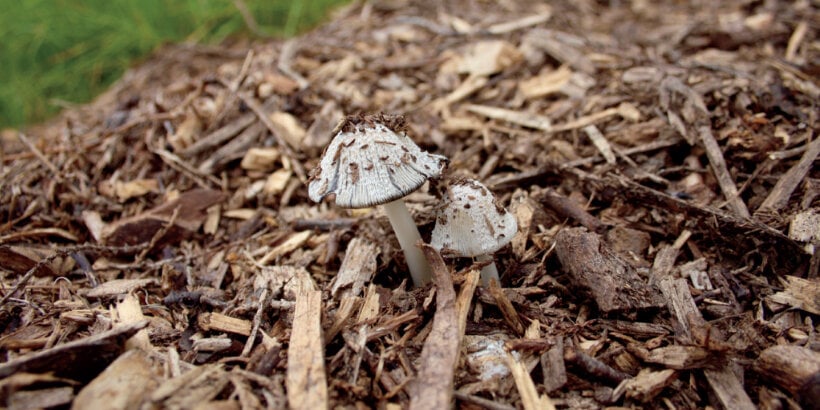
Regular maintenance of woodchip beds for growing mushrooms is crucial to ensure optimal growth conditions and successful cultivation. To maintain moisture levels, regularly check the bed’s dampness, ensuring it remains moist but not waterlogged. Proper aeration is vital to prevent mold and diseases; periodically fluffing the woodchips helps oxygenate the substrate, creating a healthy environment for mushroom growth. Turning the woodchips promotes even colonization by mycelium, aiding in the distribution of nutrients. Keep a watchful eye for pests and make necessary adjustments to the environment to deter them. Monitoring temperature and humidity levels is essential for the overall health of the woodchip bed. By following these woodchip bed maintenance practices, you can create an environment that supports robust mushroom growth and minimizes the risk of contamination. Remember, attention to detail and consistency in upkeep are key to successful mushroom cultivation in woodchip beds.
5. Pasteurized Substrate Method for Mushrooms
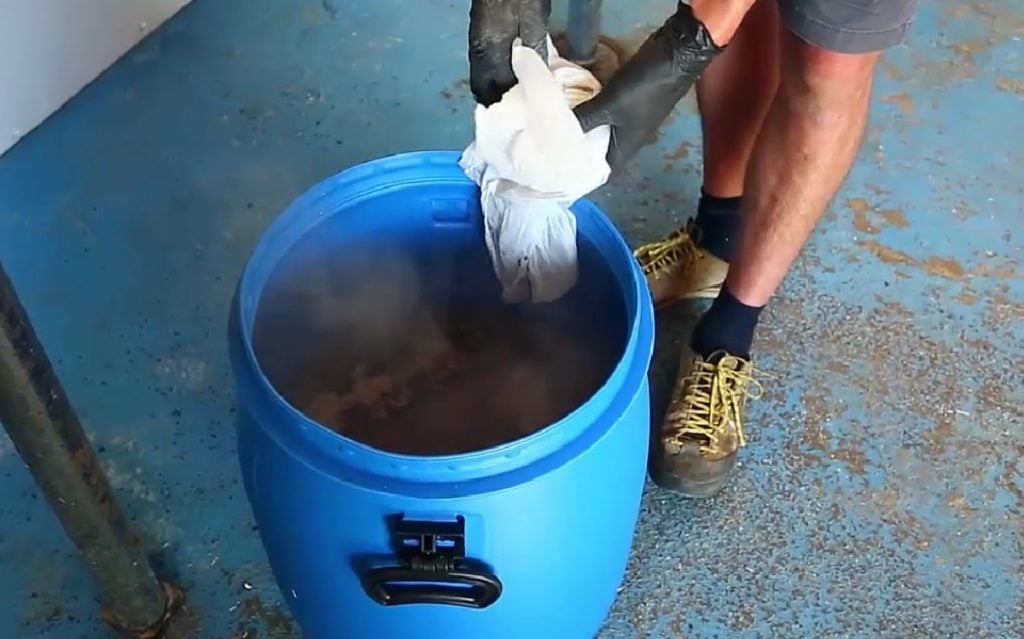
Utilizing the pasteurized substrate method is a crucial step in creating a conducive environment for mushroom mycelium to thrive and proliferate in a contamination-free setting. This method involves heat-treating substrates such as straw or sawdust pellets to eliminate competing organisms, providing a clean slate for mushroom mycelium to colonize and grow undisturbed. By pasteurizing the substrate, growers can establish optimal conditions for mushroom growth while significantly reducing the risk of contamination, ultimately increasing the likelihood of a successful harvest. Popular among cultivators of gourmet mushrooms like oyster and shiitake varieties, the pasteurized substrate method is a reliable technique for fostering healthy fungal development.
- Heat-treating substrates like straw or sawdust to eliminate competing organisms
- Providing a contamination-free environment for mushroom mycelium growth
- Establishing optimal conditions for successful mushroom cultivation
- Increasing the chances of a bountiful harvest through proper pasteurization procedures
6. Sterilized Substrate Approach for Mushroom Growth
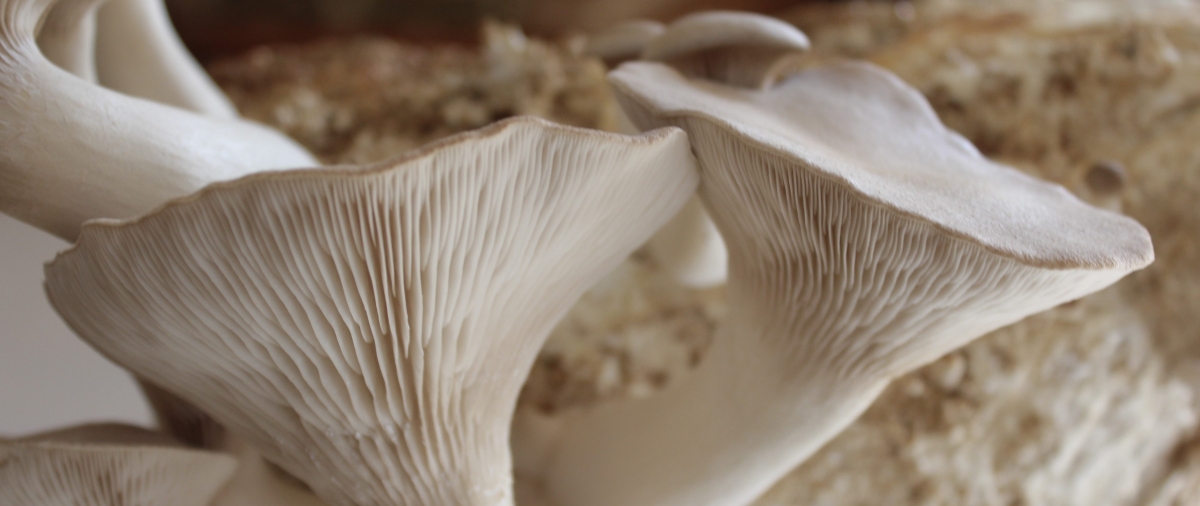
Sterilizing the substrate is a critical step in ensuring the successful cultivation of mushrooms in a controlled and contamination-free environment. The sterilized substrate approach involves utilizing a sterile, nutrient-rich growing medium such as sawdust pellets or straw. By employing this method, contamination prevention is significantly enhanced, as harmful bacteria or fungi are eliminated, promoting healthy mushroom growth. Substrate sterilization can be achieved through heat treatment or chemical sterilization methods, providing a clean slate for mushroom colonization.
Growing mushrooms on sterilized substrate offers precise control over the cultivation environment, leading to higher success rates. This level of control allows for optimized conditions that facilitate faster colonization and fruiting of mushrooms compared to non-sterilized methods. The benefits of using a sterilized substrate approach extend beyond contamination prevention, offering a pathway to more efficient and successful mushroom cultivation.