

As someone who’s new to the world of houseplants, I understand the desire to find green companions that won’t demand too much attention. Picture having a touch of nature indoors without the stress of high maintenance. But which plants fit the bill for beginners like us? Let’s explore a curated list of 18 easy-to-care-for houseplants that can transform your living space effortlessly.
1. Spider Plant

Let’s dive into the world of the Spider Plant, a perfect choice for beginners venturing into the realm of houseplants. This plant is a breeze to care for, thriving in bright light but also tolerating low light conditions, making it an adaptable option for any home.
Its low maintenance nature means it only requires weekly watering, and it’s forgiving if you occasionally forget. One of the Spider Plant’s unique features is its ability to produce “baby” plants, or pups, allowing you to easily expand your indoor garden.
Additionally, being non-toxic to pets, it’s a safe and beautiful choice for households with furry friends. Much like other resilient plants, the Spider Plant can enhance indoor air quality, contributing positively to your home environment.
With its air-purifying qualities and graceful cascading leaves, the Spider Plant is a delightful addition to any space.
2. Fiddle-leaf Fig

Curious about a houseplant that can make a bold statement in your living space? The fiddle-leaf fig is a stunning choice for those looking to add a touch of elegance to their home.
With its large, glossy leaves that can grow up to 18 inches long, this plant is a popular decorative option. To keep your fiddle-leaf fig thriving, place it in bright, indirect light and maintain consistent moisture levels in the soil.
While these plants are generally low-maintenance, they can be sensitive to environmental changes, so it’s best to find a suitable spot for them and leave them there for at least a month.
Remember to dust the leaves regularly to ensure they stay healthy and beautiful.
3. African Violet
The fiddle-leaf fig, with its striking presence and elegant foliage, is a fantastic choice for those seeking a statement plant.
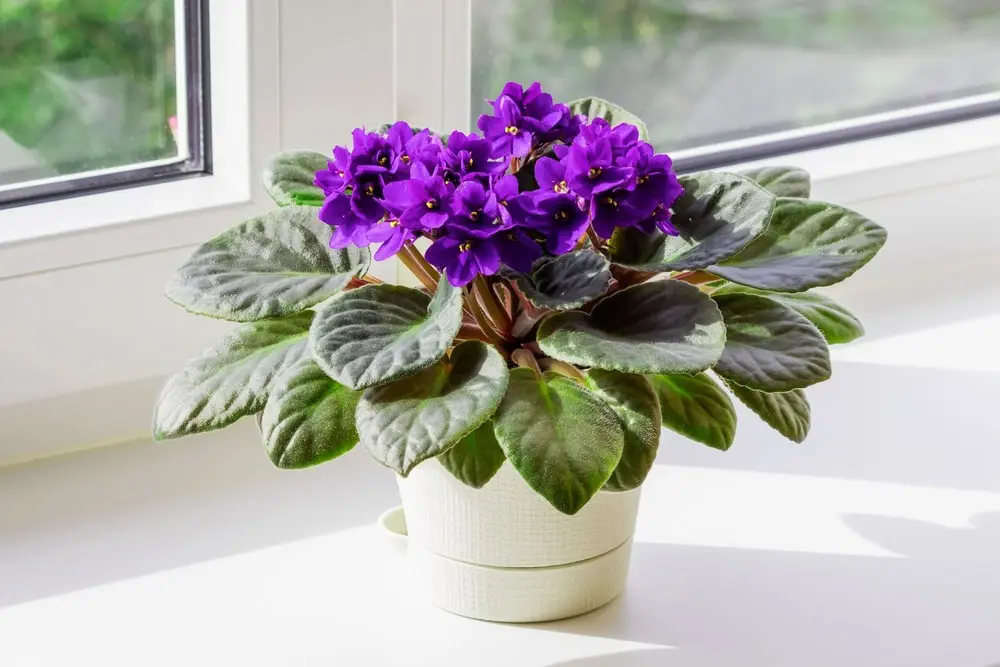
African Violets are charming plants that add a pop of color to any indoor space. To care for these beauties, place them in a spot with bright, indirect light and water them 2-3 times a month to keep the soil evenly moist.
Remember to water at the base to avoid leaf damage. Opt for well-draining potting soil to ensure the roots stay healthy.
These plants can grow to around 6-12 inches in height and are known for their long-lasting, colorful blooms. Plus, you can easily propagate new plants from leaf cuttings, expanding your plant collection effortlessly.
For those interested in exploring more about houseplant care, maintaining proper humidity and avoiding direct sunlight are crucial tips to follow.
4. Aloe Vera

A popular choice among plant enthusiasts, Aloe Vera is a versatile and low-maintenance succulent that thrives in bright, indirect sunlight. This plant is a great option for beginners as it only needs to be watered about once a month.
Originating from desert environments, Aloe Vera’s thick leaves store water, making it drought-tolerant. Beyond its easy care routine, this plant offers additional benefits. The gel inside its leaves is known for its soothing properties, making it a go-to for treating burns and skin irritations.
During warmer months, Aloe Vera can enjoy the outdoors, but during colder seasons, it should be brought inside to prevent damage.
Growing up to 2 feet tall and wide, Aloe Vera adds a striking touch to any indoor space while also helping to purify the air. Aloe Vera typically produces 1-2 new leaves annually and takes 3-4 years to reach full maturity, which makes monitoring its growth an interesting aspect of its care.
5. Jade Plant

Not just a beautiful addition to your indoor space, the Jade Plant, scientifically known as Crassula ovata, is a versatile succulent that thrives in bright light conditions.
This easy-to-care-for plant requires minimal watering, typically only once a month, as it stores water in its thick leaves, making it a perfect choice for beginners.
During the colder months, it enters a dormant period to conserve energy, which means even less frequent watering is necessary.
Jade Plants can adapt to different light levels, tolerating both bright and medium light, and can grow up to 3 feet tall.
With proper care, they’ve the potential to live for decades, offering a long-term green companion for your home.
Known for their resilience and ability to thrive in various conditions, Jade Plants aren’t just aesthetically pleasing but also bring good luck and prosperity, making them a thoughtful gift for special occasions.
6. Pony Tail Plant

Positioned near a sunny window in my home, the Pony Tail Plant, scientifically named Beaucarnea recurvata, stands out as a striking and low-maintenance addition to my indoor plant collection.
This succulent stores water in its bulbous trunk, making it drought-tolerant and perfect for beginners. Thriving in bright, direct sunlight but adaptable to indirect light, it suits various indoor environments.
The Pony Tail Plant boasts long, thin leaves that elegantly cascade from its trunk, enhancing any space.
Water sparingly, about once a month, allowing the soil to dry out completely to prevent root rot. Its hardy nature tolerates neglect, making it an excellent choice for those new to plant care or with busy schedules.
7. Schefflera Arborica
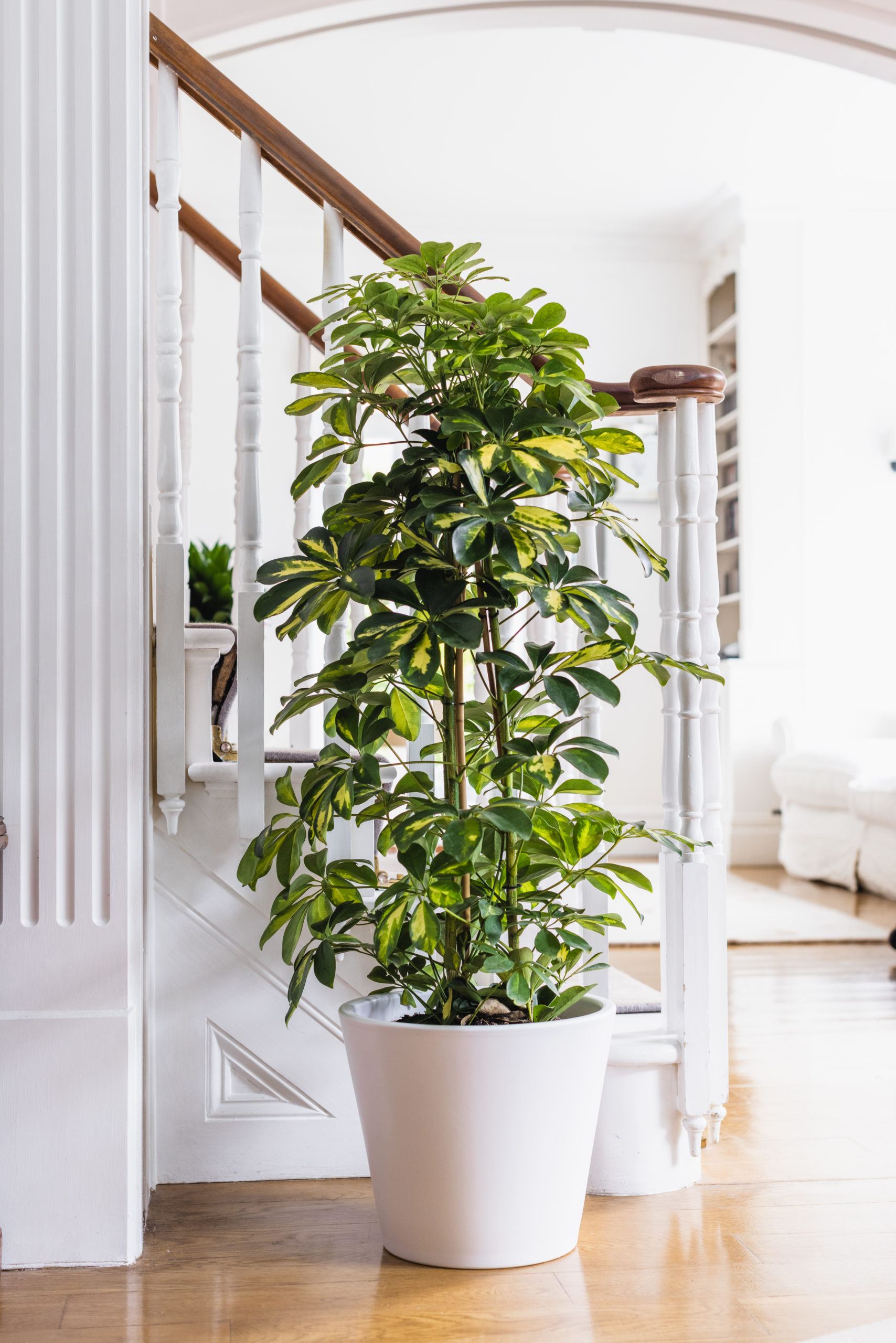
Nestled in a corner bathed in sunlight, the Schefflera Arborica, commonly referred to as the umbrella tree, thrives as a versatile and visually appealing addition to any indoor space.
This house plant is a perfect choice for beginners looking for easy care options. Here are some key points about the Schefflera Arborica:
- Thrives in bright or low light environments
- Water when the top inch of soil is dry
- Can grow up to 6 feet tall indoors
- Features glossy, palmate leaves up to 12 inches wide
- Known for its air-purifying qualities
With its low maintenance requirements and stunning appearance, the Schefflera Arborica is a delightful addition to any indoor setting.
8. Peperomia
:strip_icc()/how-to-grow-and-plant-peperomia-variegated-baby-rubber-plant-01-2f2d79952f6a4522b929e16551507e1f.jpg)
Basking in the glow of natural light, the Peperomia plant stands out as a top choice for beginners seeking a low-maintenance houseplant.
Thriving in low light conditions, this adaptable plant is perfect for plant parents looking for an easy-to-care-for option. To keep your Peperomia happy, water it in a tray to maintain moisture levels, typically every week or two depending on the humidity in your home.
With its diverse leaf shapes and colors, Peperomia adds a touch of visual interest and texture to any indoor space. This resilient plant can withstand occasional neglect and is resistant to pests, making it a hassle-free addition to your plant collection.
Plus, it contributes to cleaner indoor air, enhancing your home environment.
9. Peace Lily
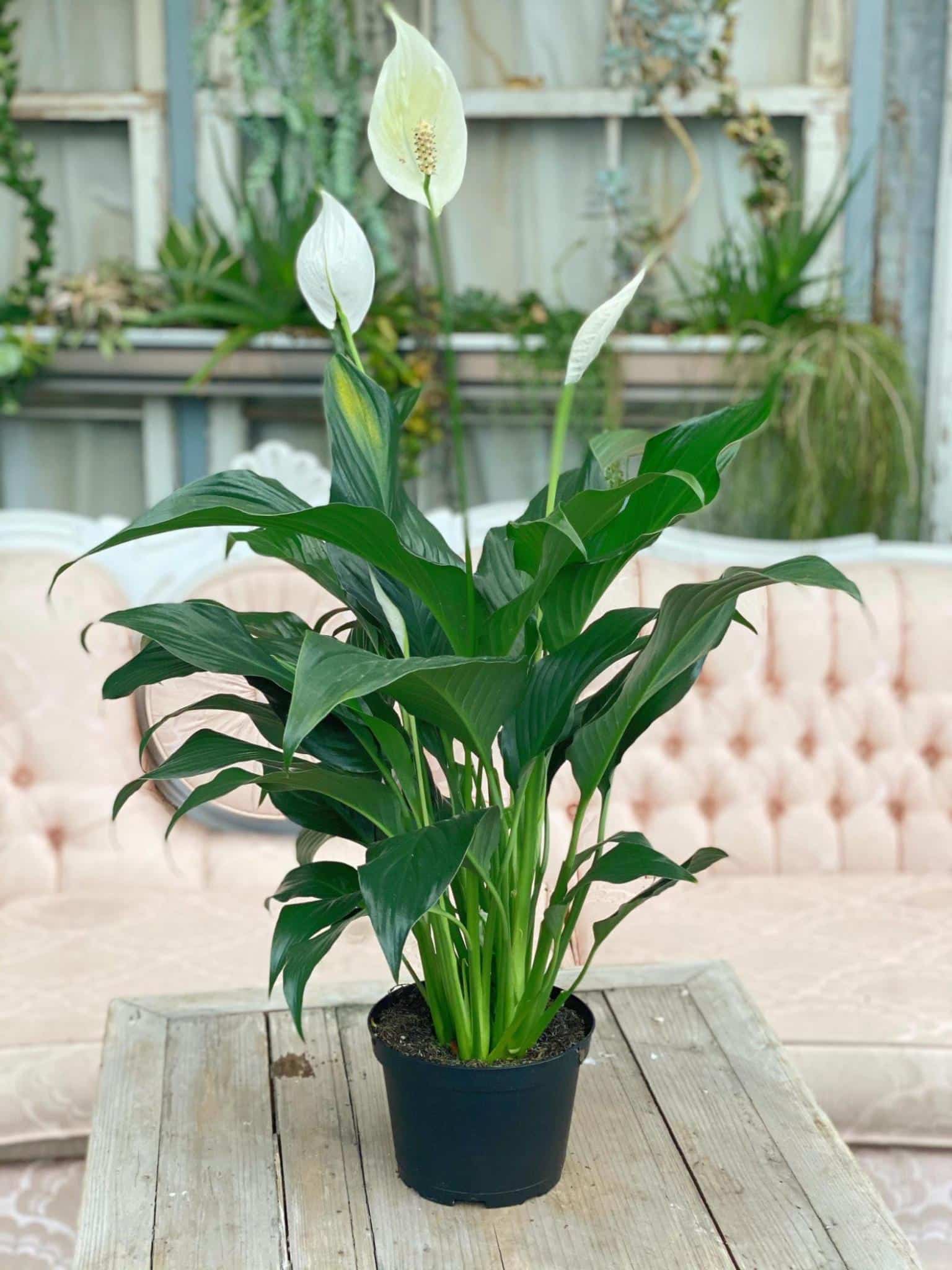
Placing a Peace Lily in your home can bring both beauty and practical benefits. This plant thrives in medium light, acting as a natural air purifier by filtering indoor pollutants.
To care for it properly, you need to water it weekly, ensuring the soil stays consistently moist but not waterlogged. The Peace Lily’s striking white flowers bloom periodically, enhancing the aesthetic of any indoor space.
While it can survive in low light conditions, brighter areas are preferable for more abundant flowering. Remember, Peace Lilies are toxic to pets if ingested, so be mindful of where you place them in homes with animals.
- Thrives in medium light conditions
- Requires weekly watering to keep soil consistently moist
- Produces striking white flowers periodically
- Tolerates low light but blooms more in brighter locations
- Toxic to pets if ingested
10. Calathea
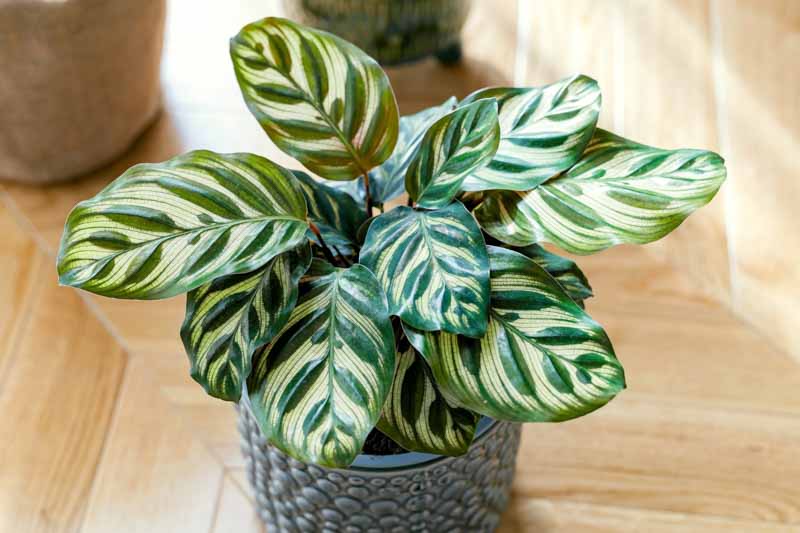
Calatheas, known for their vibrant and intricate foliage, are popular houseplants that thrive in indoor environments with medium to low light levels.
These plants require consistent moisture in their soil, making weekly watering a necessity to prevent it from drying out completely.
With their striking decorative leaves featuring unique patterns and colors, Calathea adds an aesthetic touch to any room.
It’s crucial to keep them away from direct sunlight, as they’re sensitive to bright light, which can lead to leaf burn.
In addition to their beauty, Calathea plants also naturally purify indoor air, promoting a healthier home environment.
11. Pothos

Regularly admired for its adaptability and lush greenery, Pothos, scientifically known as Epipremnum aureum, stands out as an ideal choice for novice plant enthusiasts.
This easy-to-care-for houseplant thrives in various lighting conditions and requires infrequent watering, making it one of the easiest houseplants to maintain.
- Trailing vines that can grow several feet long are perfect for hanging baskets or shelves.
- Water only when the soil is dry to the touch to prevent overwatering.
- Effective air purifier, filtering indoor toxins for improved air quality.
- Easily propagated by rooting stem cuttings in water for an affordable way to expand your plant collection.
- Adaptability to both medium and bright indirect light makes it a versatile addition to any indoor space.
12. Snake Plant
:max_bytes(150000):strip_icc()/GettyImages-1268045137-521346e9bf3243b69539e1f9a3f4ce4e.jpg)
Admiring the adaptability and low-maintenance appeal of Pothos, I now shift our focus to another standout houseplant for beginners: the Snake Plant, also known as Sansevieria.
This plant is a perfect choice for those seeking a low-light companion, thriving in both low light and bright indirect light conditions.
Requiring minimal watering every 2-6 weeks, the Snake Plant is forgiving for forgetful waterers.
Growing up to 2-3 feet tall, its upright, sword-like leaves bring a touch of architectural elegance to any indoor space.
Not only does the Snake Plant enhance your decor, but it also purifies the air by removing toxins like formaldehyde and benzene.
13. ZZ Plant

The ZZ Plant, also known as Zamioculcas Zamiifolia, is a popular choice among plant enthusiasts for its glossy, dark green leaves and remarkable adaptability to various light conditions.
- Easy-to-care-for plant for beginners
- Drought-tolerant, needing water every 4-6 weeks
- Grows to heights of 2-3 feet with upright stems
- Yellowing leaves signal possible overwatering
- Resilient and forgiving, perfect for busy individuals
The ZZ Plant’s unique architectural structure adds a touch of elegance to any indoor space.
Its ability to thrive in low light and minimal care requirements make it an ideal choice for those new to plant care or for those with hectic schedules.
14. Dracaena Marginata
:max_bytes(150000):strip_icc()/grow-dracaena-marginata-indoors-1902749-2-983c52a2805144d899408949969a5728.jpg)
Now let’s shift our focus to the Dracaena Marginata, commonly known as the Dragon Tree.
This indoor houseplant is perfect for beginners due to its easy care requirements. With its ability to thrive in medium to low light conditions, the Dracaena Marginata is a great choice for spaces with less natural light.
You’ll love its striking, slender leaves that can grow up to 3 feet tall, adding a touch of elegance to your home decor.
Remember to water this plant only when the top inch of soil is dry, generally every 2-4 weeks.
The Dracaena Marginata not only beautifies your space but also purifies the air, making it a wonderful addition to any indoor environment.
15. Cactus

Exploring the fascinating world of indoor gardening, cacti stand out as resilient and visually captivating houseplants.
- Cacti are known for their ability to store water in their fleshy tissues, making them highly drought-tolerant and ideal for low-maintenance care.
- They thrive in bright, direct sunlight, requiring at least six hours of light daily to flourish.
- Cacti should be watered only when the soil is completely dry, typically every few weeks, depending on environmental conditions.
- Using pots with drainage holes is crucial to avoid overwatering, which can cause root rot.
- With a wide variety available, cacti can suit different care levels and aesthetic preferences, bringing a touch of unique character to any indoor environment.
16. Sansevieria

As someone venturing into the realm of indoor gardening, you may find the Sansevieria, commonly known as the snake plant, to be an excellent choice for your home.
Snake plants are incredibly low-maintenance, requiring watering only every 2 to 6 weeks, depending on your home’s conditions. Their ability to thrive in various light settings, from low light to indirect sunlight, makes them adaptable to different indoor environments.
With semi-succulent leaves that store water, snake plants can endure periods of drought, making them perfect for beginners or frequent travelers. These plants can grow tall, reaching heights of 2 to 4 feet, with their upright leaves adding a visually appealing touch to your space.
17. Monstera

Regularly admired for its striking appearance, the Monstera, also known as the Swiss cheese plant, stands out with its large, uniquely patterned leaves that develop captivating splits and holes as they mature.
- Thrives in bright, indirect light, adaptable to lower light conditions.
- Can grow up to 10 feet indoors, making it a stunning focal point.
- Prefers well-draining soil and should be watered when the top inch of soil is dry.
- Allow the soil to dry significantly between waterings without harm.
- Regular dusting of leaves enhances the plant’s health and appearance.
The Monstera’s resilience and striking aesthetics make it an excellent choice for beginners looking to add an eye-catching houseplant to their indoor space.
18. Prayer Plant

Admiring the Monstera’s lush greenery and intricate leaf patterns might spark your interest in another captivating houseplant option: the Prayer Plant.
This plant, with its striking foliage that folds up at night in a prayer-like position, thrives in low light but craves humidity, making it perfect for bathrooms or kitchens.
To keep it healthy, ensure the soil stays consistently moist but not soggy.
A green thumb tip: the Prayer Plant is easy to propagate. You can share its beauty with friends by taking cuttings and placing them in water until roots develop.
Its adaptability to various indoor conditions makes it an excellent choice for beginners looking for a resilient and visually appealing houseplant.