

Discover all 15 hummingbird species in Texas. From the vibrant Ruby-throated to the elegant Black-chinned, each brings a unique charm to the skies. Explore the diverse colors, migratory behaviors, and preferred habitats of these tiny wonders. Delve into the world of Lucifer’s distinct bill shape or Allen’s fiery gorget. Witness White-eared’s striking eye stripe or Magnificent’s mesmerizing plumage. Whether in coastal scrub or mountainous regions, these hummingbirds play vital roles in pollination and ecosystems. Enrich your knowledge and appreciation of these avian gems that grace the Texan landscape with their presence.
1. Ruby-throated Hummingbird

In Texas, the Ruby-throated Hummingbird is a distinctive species known for its vibrant red throat patch on males and white throat on females. These tiny birds are the only hummingbird species that breed in eastern North America. Their breeding range spans the eastern United States and parts of Canada, with wintering grounds in Central America. Known for their exceptional agility in flight and ability to hover in place, Ruby-throated Hummingbirds primarily feed on nectar from flowers and supplement their diet with small insects for protein.
When observing these stunning creatures, it is essential to respect their natural behaviors and habitats. Adhering to a Privacy Policy of maintaining a safe distance and avoiding disruptions ensures that Ruby-throated Hummingbirds can thrive undisturbed. By providing a peaceful environment free from disturbances, you can contribute to the well-being of these remarkable birds in Texas.
2. Black-chinned Hummingbird

Characterized by a distinctive black throat patch, the Black-chinned Hummingbird is a prevalent species found in Texas. These tiny birds play a crucial role in pollination due to their diet mainly consisting of nectar from flowers and small insects.
- Nesting Habits:
- Black-chinned Hummingbirds construct small cup-shaped nests in trees or shrubs using plant fibers and soft materials like down.
- Migration Patterns:
- Their range extends from the southwestern U.S. to Central America, with Texas being an important stop along their migration route.
- Pollination Role:
- Due to their feeding habits, Black-chinned Hummingbirds help pollinate various plant species, aiding in the ecosystem’s diversity and health.
- Distinctive Features:
- Apart from their black throat patch, these hummingbirds have a metallic green back and a white belly, with males displaying a vibrant purple throat patch.
3. Anna’s Hummingbird

With a vibrant red throat and head, Anna’s Hummingbird is a common year-round resident in Texas. These stunning hummingbirds are known for their elaborate courtship displays, which include impressive aerial dives to attract mates. Anna’s Hummingbirds can adapt to diverse habitats, ranging from urban areas to coastal regions, making them a versatile species in the Lone Star State.
One remarkable adaptation of Anna’s Hummingbird is its ability to survive cold temperatures by entering a state of torpor, where their metabolic rate decreases significantly to conserve energy. This unique trait allows them to endure harsh winter conditions that would be challenging for other hummingbird species.
Furthermore, Anna’s Hummingbirds play a crucial role as pollinators for various flowering plants in Texas. By feeding on nectar and inadvertently transferring pollen from flower to flower, they contribute to the reproduction and genetic diversity of many plant species, highlighting their importance in the ecosystem.
4. Rufous Hummingbird
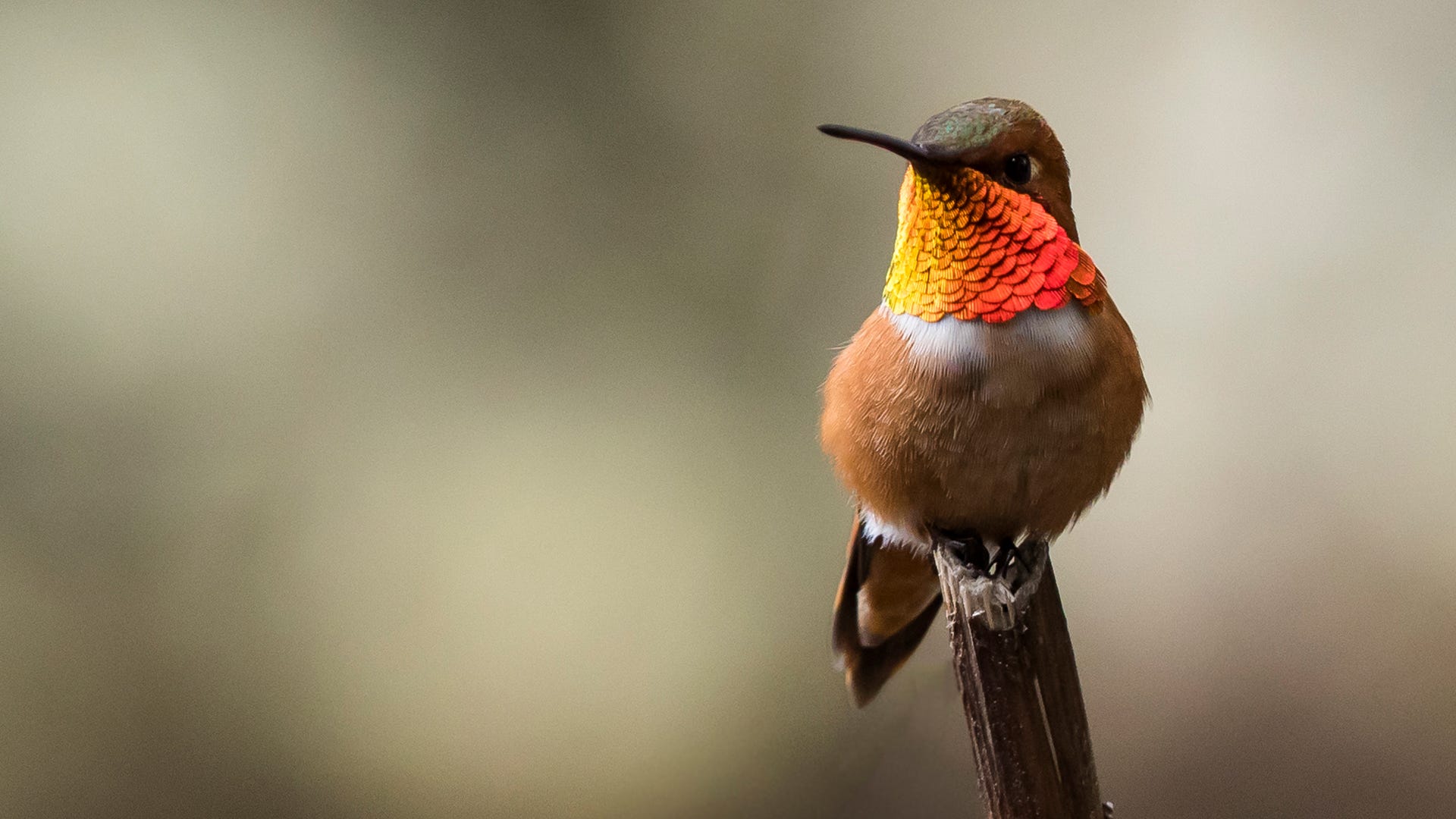
Admired for their vibrant plumage and remarkable migration patterns, Rufous Hummingbirds are a striking species often spotted in Texas during specific seasons. These hummingbirds exhibit fascinating characteristics that set them apart:
- Migration Patterns: Rufous Hummingbirds undertake one of the longest migration routes among hummingbird species, traveling up to 3,900 miles from Alaska to Mexico. Texas serves as a crucial stopover during their journey.
- Aggressive Behavior: Known for their feisty nature, Rufous Hummingbirds display aggressive behavior, even challenging larger birds to protect their feeding territories.
- Habitat Preferences: These tiny birds are attracted to nectar-rich flowers and feeders, making gardens and wooded areas with blooming plants ideal habitats for their stay in Texas.
- Seasonal Presence: Rufous Hummingbirds are commonly observed in Texas during their spring and fall migrations, providing bird enthusiasts with the opportunity to witness their stunning colors and impressive aerial displays.
5. Calliope Hummingbird

The Calliope Hummingbird, North America’s smallest breeding bird, is a striking species known for its vibrant magenta streak on the throat of males. These tiny birds, measuring only 3 inches in length, primarily nest in the mountains of the western United States and migrate to Mexico for the winter. During flight, Calliope Hummingbirds emit a unique high-pitched buzzing sound, setting them apart from other hummingbird species. Their winter migration patterns play a crucial role in pollinating various flowers along their route.
| Calliope Hummingbird | |
|---|---|
| Nesting Habits | Mountainous regions of western USA |
| Unique Vocalizations | High-pitched buzzing sound during flight |
| Winter Migration Patterns | Migrate to Mexico for the winter |
6. Broad-tailed Hummingbird

Inhabiting mountainous regions such as the Rocky Mountains and Sierra Nevada, the Broad-tailed Hummingbird is characterized by its medium size, metallic green back, and vibrant rose-pink throat patch.
- Migration patterns:
- Broad-tailed Hummingbirds are migratory, traveling to Mexico and Central America for the winter months.
- Nesting behaviors:
- These hummingbirds have a unique nesting behavior, often choosing coniferous forests for breeding grounds.
- They commonly nest in trees like spruce and fir.
- Habitat preferences:
- Broad-tailed Hummingbirds show a preference for mountainous regions, where they can find the coniferous forests they favor.
- They thrive in areas with abundant nectar sources and suitable trees for nesting.
These fascinating birds exhibit remarkable behaviors in their quest for survival, from their long migratory journeys to their specific choices in nesting sites and habitats.
7. Buff-bellied Hummingbird
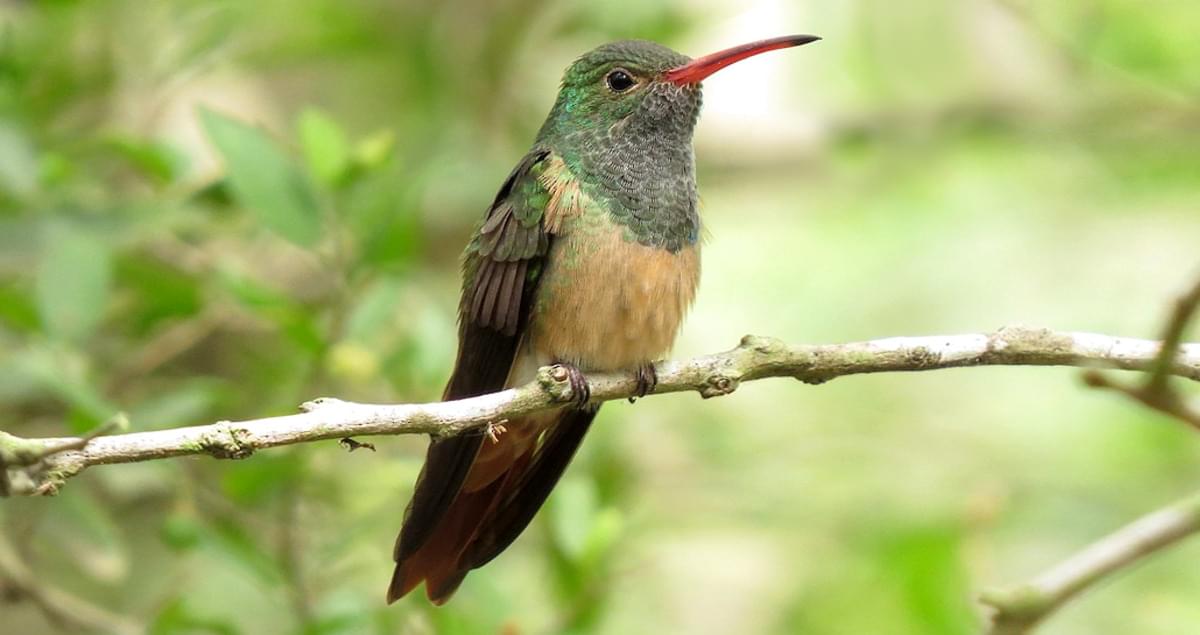
With a vibrant green back and a distinctive buff-colored belly, the Buff-bellied Hummingbird is a medium-sized species commonly observed in southern Texas, particularly along the Gulf Coast. These hummingbirds have unique nesting habits, often choosing well-concealed locations such as dense shrubs or trees to build their small, cup-shaped nests using plant fibers, moss, and spider silk.
When it comes to migration patterns, Buff-bellied Hummingbirds are known to be partially migratory, with some individuals moving south to Mexico during the winter months. Despite this migration, many Buff-bellied Hummingbirds remain in Texas year-round, drawn to the region’s temperate climate and abundant food sources.
In terms of feeding preferences, these hummingbirds primarily feed on nectar from a variety of flowers, supplementing their diet with small insects and spiders for protein. Their territorial behavior often leads them to fiercely defend feeding areas, creating a dynamic and competitive environment for these colorful avian creatures.
| Nesting Habits | Migration Patterns | Feeding Preferences |
|---|---|---|
| Concealed locations | Partially migratory | Nectar, insects, spiders |
8. Lucifer Hummingbird
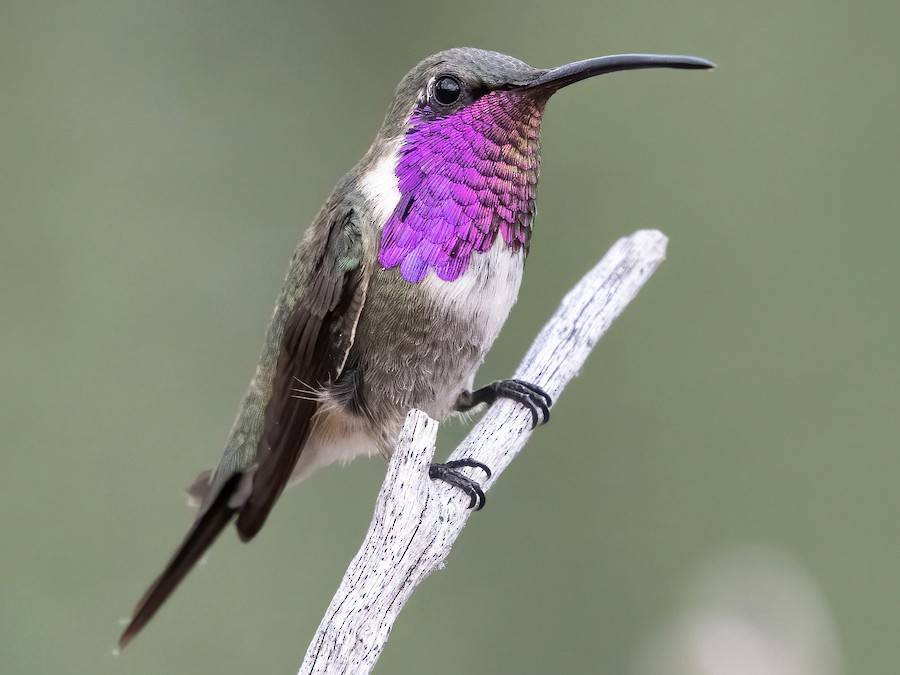
How does the Lucifer Hummingbird’s distinctive appearance set it apart from other hummingbird species in the southwestern United States and northern Mexico? The Lucifer Hummingbird stands out with its glossy green upperparts and vibrant purple crown, making it easily recognizable among its counterparts. Here are some key points about this captivating species:
- Habitat preferences: Lucifer Hummingbirds prefer arid and desert environments, particularly areas with mesquite trees and flowering shrubs that provide ample food sources.
- Courtship displays: During courtship, males perform impressive aerial displays to attract females. These displays often involve steep dives and loud wing noises to showcase their agility and strength.
- Migration patterns: Lucifer Hummingbirds are known to be partially migratory, with some individuals moving to lower elevations or more favorable habitats during the winter months. However, some populations may stay in their breeding areas year-round.
The male Lucifer Hummingbird’s long, slightly curved bill and deeply forked tail further contribute to its unique beauty, making it a sought-after sight for birdwatchers in the region.
9. Allen’s Hummingbird
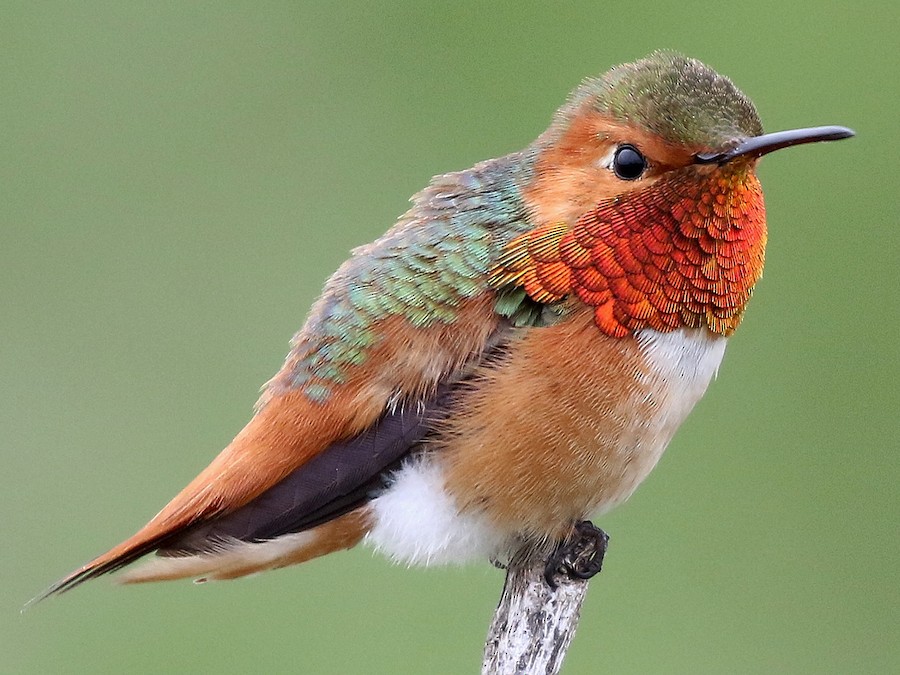
The Allen’s Hummingbird, a small species known for its vibrant orange-red gorgets, is commonly found along the Pacific Coast of the United States. These tiny birds exhibit striking colors on their throats, with males displaying the brilliant hues during breeding season to attract mates.
Breeding habitats for Allen’s Hummingbirds typically include coastal scrub, gardens, and woodlands along the western seaboard. They are known to migrate south to Mexico during the winter months, where they seek out suitable environments for feeding and resting.
During courtship, Allen’s Hummingbirds showcase acrobatic displays to impress potential partners. These performances often involve intricate flight patterns, including steep dives and U-shaped flights, showcasing their agility and skill in the air.
In addition to their colorful gorgets and acrobatic courtship displays, Allen’s Hummingbirds are also recognized by the distinctive buzzing sound created by their rapid wingbeats as they move from flower to flower in search of nectar.
10. White-eared Hummingbird
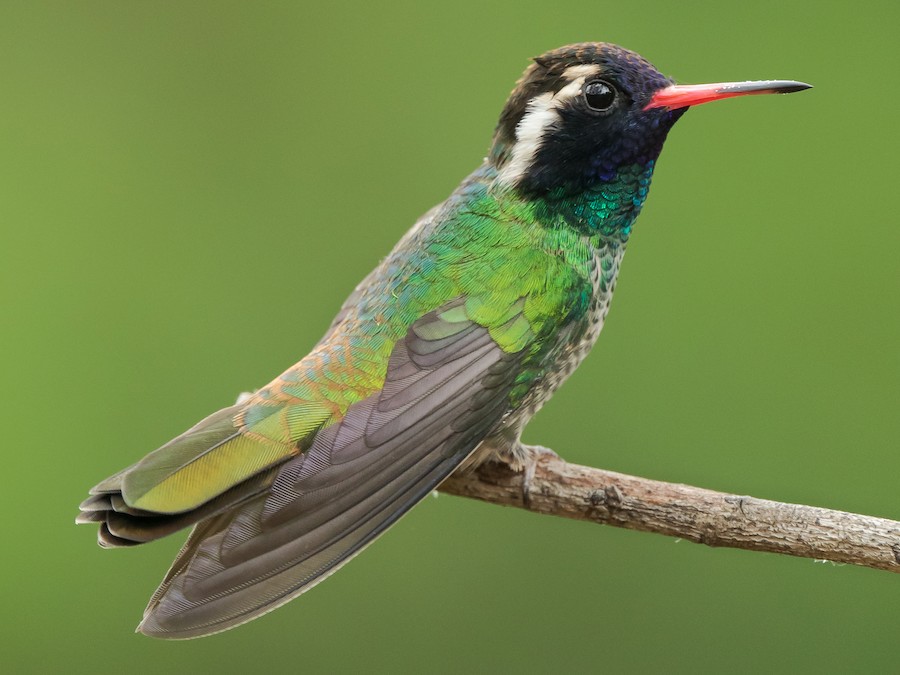
Inhabiting high-altitude pine-oak forests, the White-eared Hummingbird is a medium-sized species distinguished by a striking white stripe behind its eye. This vibrant hummingbird species showcases unique behaviors and characteristics:
- White-eared Hummingbird Habitat: The White-eared Hummingbird prefers the high-altitude pine-oak forests of Mexico, occasionally venturing into Texas near the border. These specific habitats provide the necessary resources for nesting, feeding, and breeding.
- Unique Behaviors: Known for its iridescent plumage, the White-eared Hummingbird exhibits agile flight patterns, allowing it to hover effortlessly while feeding on nectar from various flowers. Their distinctive white stripe behind the eye adds to their allure.
- Conservation Efforts: Due to habitat loss and potential threats from climate change, conservation efforts are crucial to protect the White-eared Hummingbird’s fragile ecosystems. Preserving the high-altitude pine-oak forests is essential for the long-term survival of this species.
11. Violet-crowned Hummingbird
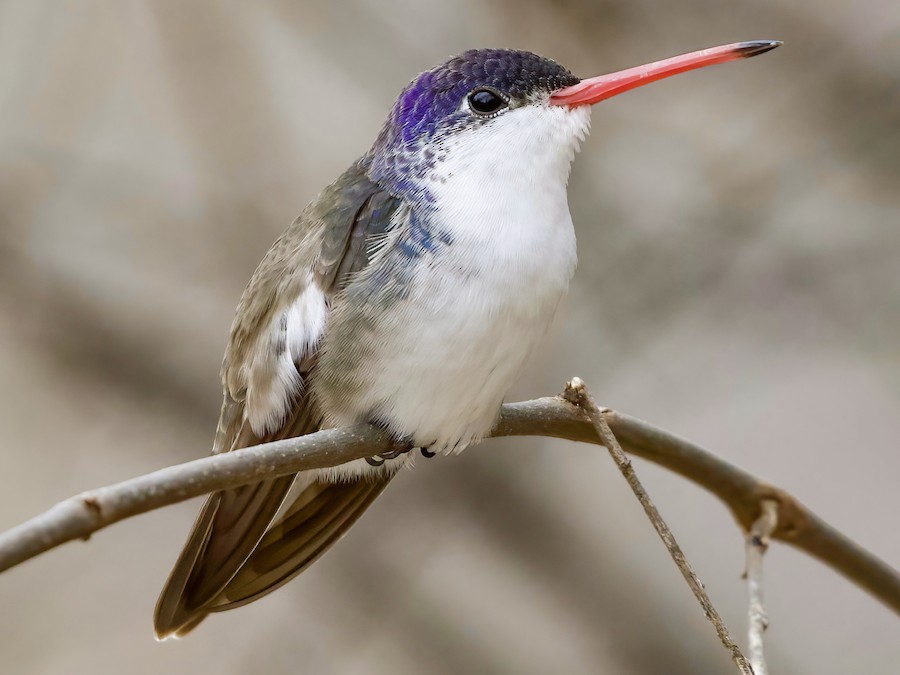
Rarely encountered in Texas but more commonly sighted in Arizona and New Mexico, the Violet-crowned Hummingbird (Amazilia violiceps) showcases a distinctive violet crown and throat, complemented by a green back and white underparts. This species prefers habitats such as oak woodlands, canyons, and desert scrub areas. During migration, birdwatchers in Texas may spot this beautiful hummingbird, attracted by the nectar of flowers and the opportunity to catch insects in flight.
Regarding nesting, the Violet-crowned Hummingbird constructs its nest using plant fibers and spider silk, camouflaging it with lichens and moss for added protection. Conservation efforts are crucial as this species faces challenges due to habitat loss and climate change. Population trends indicate a need for monitoring and protection of their essential habitats to ensure their survival.
Unique behaviors of the Violet-crowned Hummingbird include agile flight patterns and distinct vocalizations, which play a role in communication and territorial defense. Observing these behaviors in the wild provides valuable insights into the life of this captivating hummingbird species.
12. Blue-throated Hummingbird
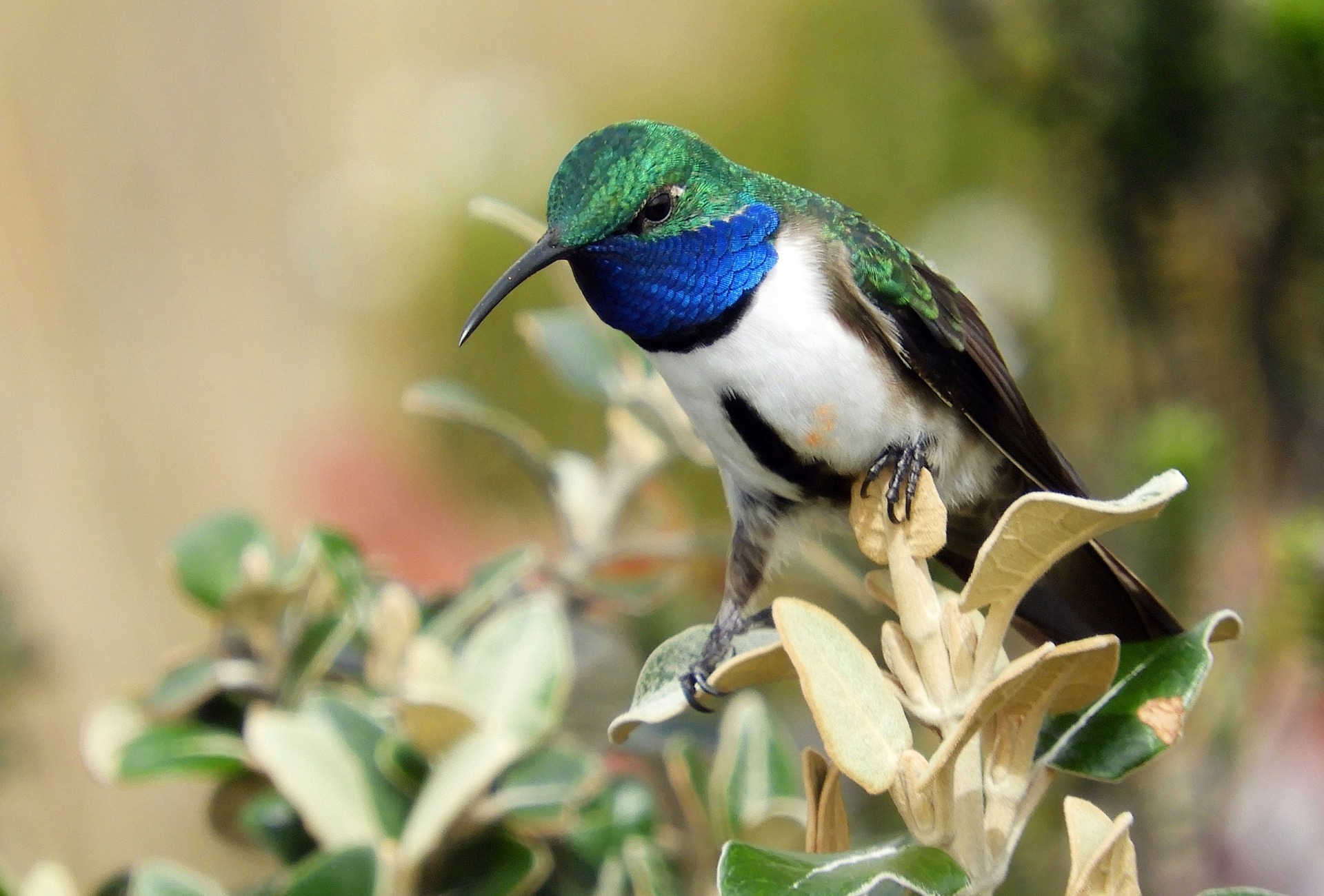
With its vibrant blue throat and distinctive green and white body, the Blue-throated Hummingbird stands out as one of the largest hummingbird species commonly found in Texas. These fascinating creatures have specific migration patterns, nesting habits, and are the focus of conservation efforts. Here are some key facts about the Blue-throated Hummingbird:
- Migration Patterns: Blue-throated Hummingbirds are known to migrate seasonally, moving from their breeding grounds in the southwestern United States to wintering areas in Mexico and Central America.
- Nesting Habits: These hummingbirds typically build their nests in tall trees or shrubs, using plant fibers, moss, and spider silk to construct them. The female cares for the eggs and young alone.
- Conservation Efforts: Due to habitat loss and climate change, conservation efforts are crucial to protect the Blue-throated Hummingbird. Initiatives focus on preserving their habitats, promoting sustainable land use, and raising awareness about the importance of these birds in ecosystems.
13. Magnificent Hummingbird

The Magnificent Hummingbird, known for its vibrant green and blue plumage, is a large and striking species commonly found in the mountainous regions of western Mexico and southwestern United States, including Texas. Nesting habits of the Magnificent Hummingbird involve the female constructing a cup-shaped nest using plant fibers, down, and spider silk, often placed on a horizontal tree branch. Migratory patterns of this species are remarkable, with individuals embarking on long-distance journeys to Mexico and Central America during the winter months and returning to their breeding grounds in the spring, showcasing their resilience and adaptability.
Habitat conservation is crucial for the Magnificent Hummingbird’s survival, as it relies on pine-oak forests and montane cloud forests for foraging and breeding. Deforestation and climate change threaten these habitats, underscoring the need for continued efforts to protect and restore these environments. By safeguarding their habitats, we can ensure the continued presence of these magnificent hummingbirds in Texas and beyond.
14. Green Violet-ear Hummingbird
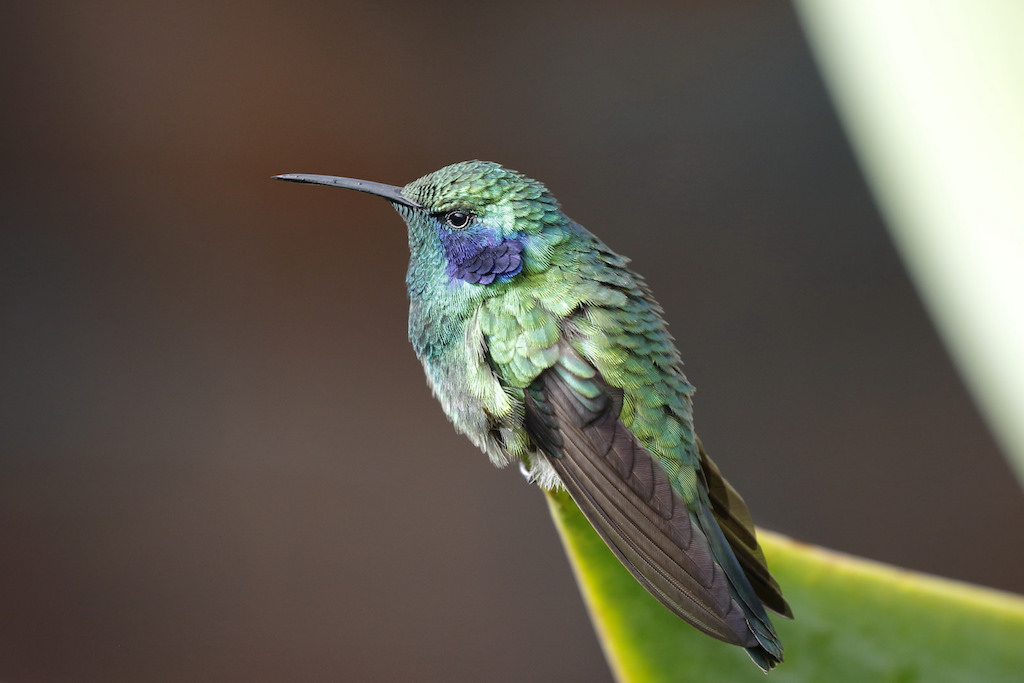
The Green Violet-ear Hummingbird, a striking species with vibrant green plumage accented by a distinctive violet patch on its ear coverts, is a rare visitor to Texas, typically found in Central and South America.
- Migration patterns, habitat preferences
- Green Violet-ear Hummingbirds prefer high-altitude montane forests and are often spotted near flowering plants during their migratory journeys.
- Breeding behavior, nesting habits
- These hummingbirds exhibit solitary breeding behavior, with females constructing cup-shaped nests made of plant fibers and down, typically placed on tree branches for protection.
- Conservation status, population trends
- Due to habitat loss and potential threats from climate change, the conservation status of the Green Violet-ear Hummingbird is of concern, with efforts needed to monitor and protect their populations in their native regions.
Observing a Green Violet-ear Hummingbird in Texas provides a unique and exciting opportunity to witness this uncommon species in a region where it is rarely seen.
15. Plain-capped Starthroat

A striking large hummingbird species commonly seen in Texas during migration, the Plain-capped Starthroat displays a distinct white stripe on its crown along with a dark throat and green body. These birds follow specific migration patterns that lead them to Texas, where they can be observed in open habitats such as grasslands and scrublands. Plain-capped Starthroats prefer these environments for foraging, where they primarily feed on nectar from flowers. Their diet is supplemented with insects, providing them with the necessary protein for their energetic needs. When foraging, these hummingbirds exhibit swift and direct flight patterns, allowing them to efficiently collect nectar and insects. By understanding their habitat preferences and foraging behavior, birdwatchers in Texas can increase their chances of spotting the Plain-capped Starthroat during migration seasons.