

For the best soil mixture in your raised vegetable garden beds, blend sterilized compost, garden mix, and topsoil. Enhance with organic amendments for vital nutrients and soil quality. Boost nutrient content with peat moss and vermiculite. Improve soil texture using perlite, coconut coir, and worm castings. Additionally, consider integrating inorganic amendments. Mix perlite for aeration and moisture balance, utilize manure for nutrient enrichment, and apply worm castings for microbial activity. This balanced approach promotes robust plant growth and sustainability. Choose your soil enhancers wisely for a thriving vegetable garden.
Importance of Soil Quality
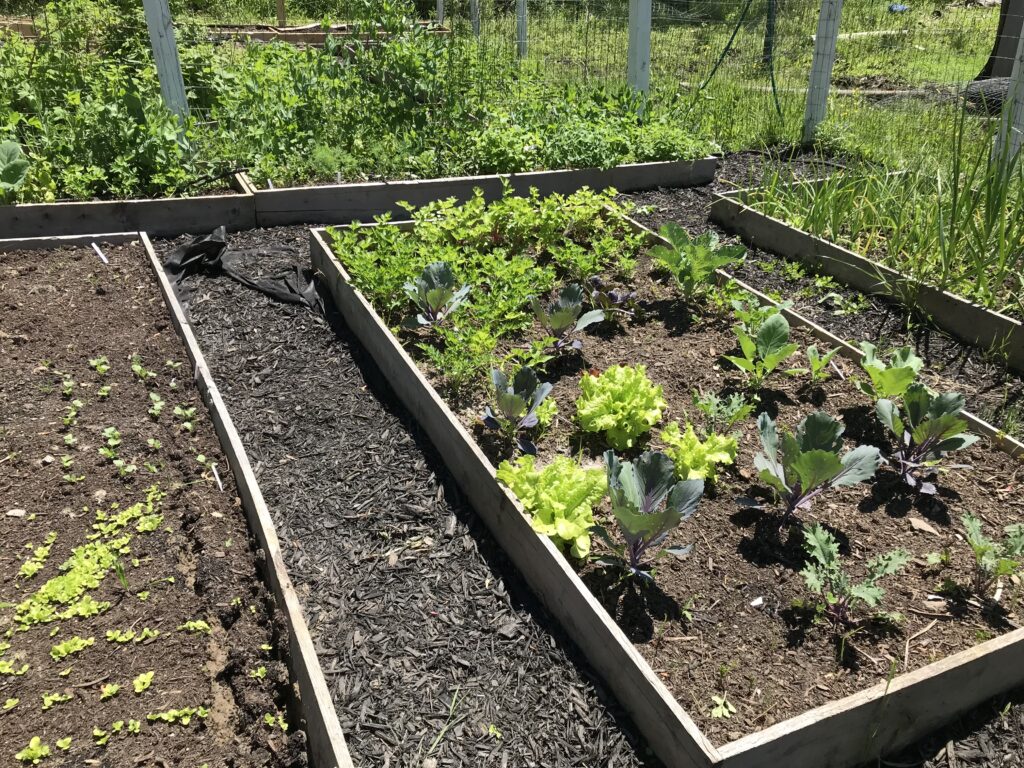
The soil quality in raised vegetable garden beds plays a pivotal role in ensuring the optimal growth and development of plants. Healthy soil in raised beds is essential for promoting robust root development, which is crucial for overall plant growth. A balanced soil blend provides the necessary nutrients, proper aeration, water retention, and optimal pH levels for vegetables to thrive.
Plants rely on the soil for anchorage, water, and nutrient uptake through their roots. In raised bed gardens, the quality of the soil directly impacts the health and productivity of the plants. A well-maintained and nutrient-rich soil blend supports the plants in achieving their full potential by providing all the necessary elements for growth.
To sustain healthy soil quality in raised vegetable garden beds, regular soil testing and maintenance are imperative. Monitoring pH levels, nutrient content, and ensuring proper drainage are vital for maintaining an environment where plants can flourish. By prioritizing soil health, you set the foundation for a successful and bountiful harvest in your raised bed gardens.
Sterilized Compost Benefits

Sterilized compost offers significant benefits for maintaining the cleanliness and health of raised bed soil in vegetable gardens. By using sterilized compost, you can effectively prevent the introduction of weed seeds and pathogens into your raised beds. These unwanted intruders can lead to competition for nutrients and also increase the risk of plant diseases. Sterilization processes kill off harmful organisms present in the compost, ensuring a clean and safe environment for your plants to grow.
Incorporating sterilized compost into your raised bed soil provides a nutrient-rich foundation that supports optimal plant growth. The absence of weed seeds in sterilized compost reduces the likelihood of weed infestations, allowing your vegetables to thrive without competition. Additionally, the elimination of pathogens through sterilization minimizes the chances of plant diseases affecting your garden. Overall, using sterilized compost in your raised beds promotes a healthy and productive growing environment for your vegetables.
Incorporating Garden Mix

When incorporating Garden Mix into raised vegetable garden beds, consider using a well-balanced pre-mixed soil blend containing topsoil, compost, and other organic matter. This soil mix for raised beds provides essential nutrients from the soil and organic matter necessary for the healthy growth of vegetables. By adding compost to the mix, you enhance the soil’s fertility, ensuring that your plants receive a rich source of nutrients. The organic matter in Garden Mix aids in retaining moisture, promoting proper drainage, and improving aeration in the raised bed soil. These factors are crucial for creating an optimal environment for your vegetables to thrive. Utilizing Garden Mix saves time and effort in preparing the raised bed soil, offering a convenient solution for gardeners looking to establish a fertile growing space efficiently. Incorporating Garden Mix is a practical way to guarantee a balanced and nutrient-rich soil mixture for your raised vegetable garden beds.
Adding Top Soil
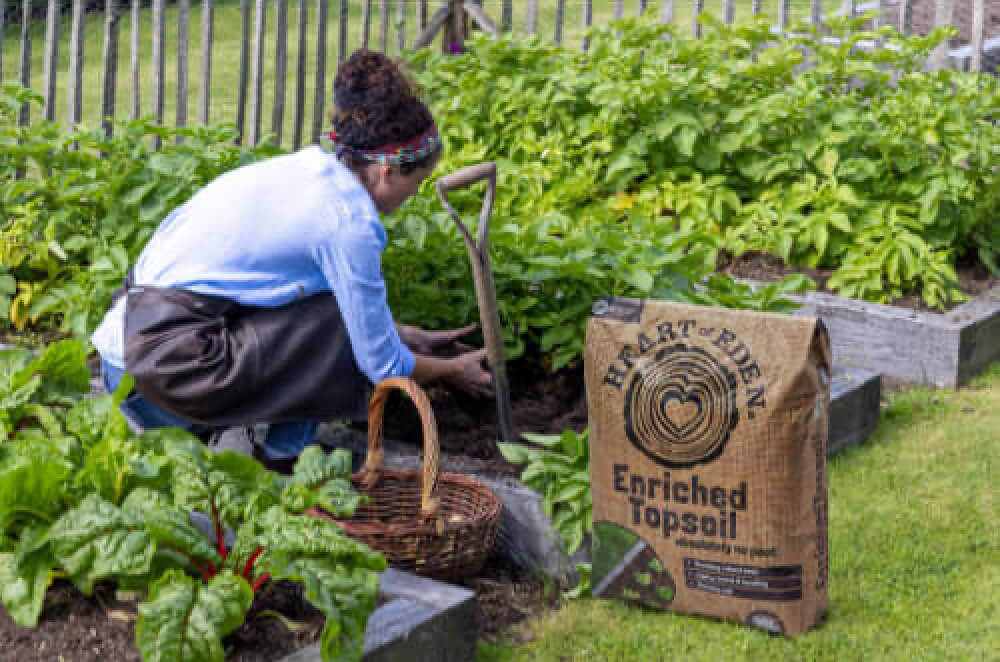
Incorporating topsoil into your raised vegetable garden bed mixture provides essential nutrients and structural support for optimal plant growth. When adding topsoil to your raised beds, it is crucial to choose high-quality topsoil that is rich in nutrients and suitable for your region. Here is a practical breakdown of topsoil and its role in your raised garden beds:
| Topsoil Characteristics | Benefits in Raised Beds |
|---|---|
| Rich in essential nutrients | Provides necessary elements for plant growth |
| Good structure | Offers stability and aeration for roots |
| Regional suitability | Ensures plants receive adequate support |
| Nutrient-dense | Boosts overall soil fertility |
Topsoil forms the foundation of a successful soil mixture for raised garden beds, contributing significantly to the overall health and productivity of your plants. When adding topsoil, aim for a balance in the soil mix to meet the specific soil needs of your vegetables and create an ideal growing environment.
Using Organic Amendments

To enhance the nutrient content and overall health of the soil in your raised vegetable garden beds, consider incorporating organic amendments such as compost, worm castings, and manure. Compost, a well-balanced organic matter, not only enriches the soil with essential nutrients but also improves soil structure, water retention, and nutrient availability crucial for optimal plant growth in raised beds. Worm castings, rich in beneficial microbes and enzymes, play a vital role in promoting healthy root development and enhancing nutrient uptake by your vegetable plants. Additionally, incorporating manure into the soil of raised beds increases the organic matter content, thereby boosting soil fertility and overall plant productivity. By adding these organic amendments, you create a balanced and nutrient-rich soil environment that supports the growth of healthy and productive vegetables in your raised garden beds. Remember, the key is to maintain a harmonious ecosystem within your soil to ensure bountiful harvests.
Benefits of Inorganic Amendments

Using inorganic amendments in your raised vegetable garden beds provides several key benefits for optimizing soil conditions and promoting plant growth. Perlite, a volcanic glass, enhances soil aeration by creating tiny air pockets that allow roots to access oxygen more easily. This improved oxygen availability can lead to healthier root systems and overall plant vitality. Additionally, inorganic amendments like perlite do not decompose over time, aiding in maintaining the soil structure and preventing compaction.
Vermiculite, a mineral that expands when heated, is another valuable inorganic amendment for raised bed gardening. It helps retain moisture in the soil, ensuring that plant roots have a steady water supply for growth and development. Furthermore, incorporating inorganic materials such as pumice or sand can enhance drainage in your raised bed soil, preventing waterlogging and promoting healthy root growth. By adjusting the soil texture and improving overall soil quality, inorganic amendments play a crucial role in creating an ideal growing environment for your vegetables.
Enhancing Soil Texture
How can you enhance the soil texture in your raised vegetable garden beds for optimal plant growth and development? To create an ideal soil mix for raised beds, consider adding vermiculite to increase aeration and water retention, essential for healthy root development. Additionally, incorporating perlite aids in improving drainage and prevents soil compaction, providing optimal growing conditions for vegetables. Mixing coconut coir into the soil blend helps retain moisture, serving as a sustainable alternative to peat moss. Including compost in the soil mix not only boosts fertility but also introduces beneficial microorganisms, fostering a rich soil ecosystem crucial for vegetable growth. Lastly, adding worm castings enriches the raised bed soil with essential nutrients and beneficial microbes, promoting robust plant growth in your vegetable garden. By filling your raised beds with this well-balanced soil mixture, you make it easier for plants to thrive, meeting the essential root needs for a successful harvest.
Improving Soil Structure
Enhance the soil structure in your raised vegetable garden beds by incorporating a balanced mix of organic matter, aerating materials, and water-retaining components. Improving the soil structure is crucial for promoting root development, water retention, and nutrient uptake in your vegetable gardens.
- Organic Matter: Adding compost and worm castings enhances soil structure by increasing microbial activity and nutrient availability.
- Aerating Materials: Mixing in perlite or vermiculite helps prevent soil compaction, allowing roots to access oxygen and nutrients more efficiently.
- Water-Retaining Components: Incorporating sand or coconut coir improves water drainage and retention, ensuring plants receive adequate moisture without becoming waterlogged.
- Balanced Soil Mixture: Create an ideal soil structure by combining clay, silt, sand, and organic matter in the right proportions to support healthy root growth and overall plant vitality.
Boosting Nutrient Content

To optimize the nutrient content of your raised vegetable garden beds, consider incorporating various organic materials and supplements that enhance plant growth and soil quality. When setting up a new raised garden bed, mixing peat moss into the soil can significantly boost its nutrient content. Peat moss not only enriches the soil with essential nutrients but also improves water retention, supporting healthy plant growth. Additionally, vermiculite, known for its ability to improve soil aeration and nutrient content, is a valuable additive for your raised bed. This mineral helps create a fertile environment that promotes strong root development and overall plant health. By incorporating peat moss and vermiculite into your soil mixture, you can ensure that your plants receive the necessary nutrients to thrive in your raised garden bed. Remember, a well-balanced soil mix is key to providing the ideal growing conditions for your vegetables.
Mixing in Perlite
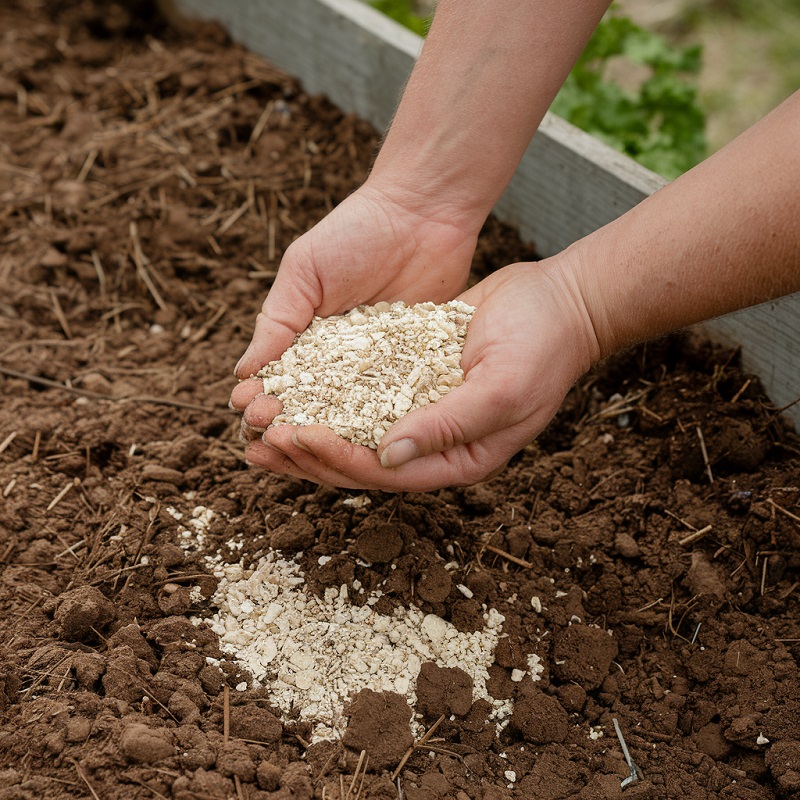
Incorporating perlite into your raised vegetable garden bed soil mixture enhances aeration and drainage, promoting healthier plant growth. Perlite, a lightweight volcanic glass, is known for its ability to improve soil structure by increasing aeration and enhancing drainage. Here are some key points to consider when mixing perlite into your raised bed soil:
- Perlite aids in preventing soil compaction, allowing roots to grow more freely.
- The addition of perlite helps balance moisture retention and drainage, creating an optimal environment for plant roots.
- A recommended ratio is 1 part perlite to 4 parts soil to achieve the best aeration benefits.
- The use of perlite in your raised garden bed soil mix can significantly contribute to healthier plant development by reducing the risk of waterlogging and ensuring adequate oxygen levels for root respiration.

Utilizing Manure
Utilize manure as an organic fertilizer to enrich the nutrient content of your raised vegetable garden bed soil mixture. Manure, whether from cows, horses, or chickens, is a valuable source of nutrients like nitrogen, phosphorus, and potassium crucial for plant growth. When properly composted, manure also helps reduce the presence of harmful pathogens and weed seeds in the soil, making it a safe and effective choice for your garden.
Incorporating manure into your raised garden bed soil can significantly improve its structure by enhancing water retention and promoting better root development. Moreover, manure introduces beneficial microbes into the soil, fostering a healthy soil ecosystem that supports plant growth. These microbes aid in breaking down organic matter, releasing essential nutrients, and increasing the soil’s overall fertility.
Worm Castings for Soil Enhancement
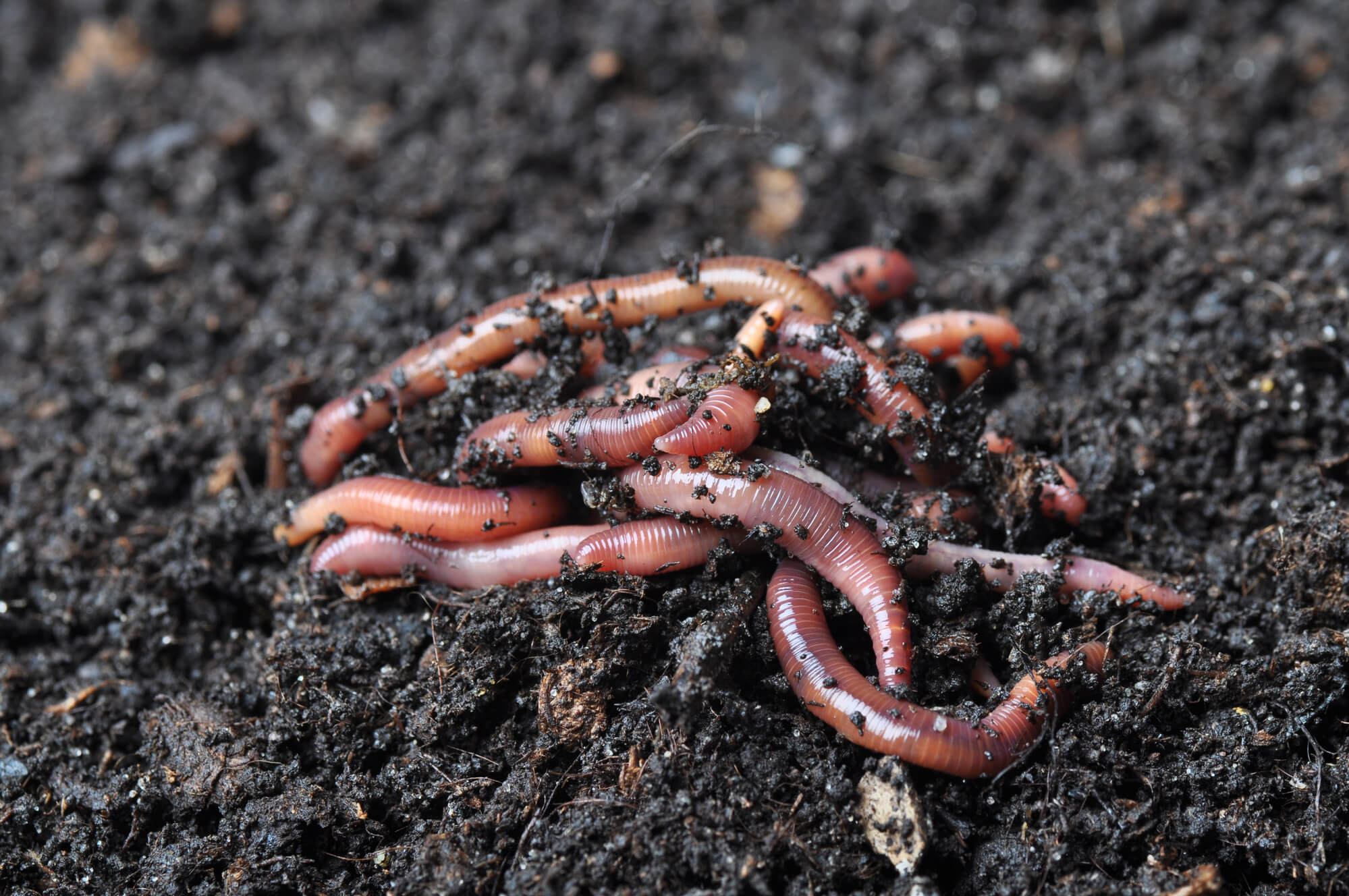
Enhance the nutrient content and soil structure of your raised vegetable garden beds by incorporating nutrient-rich worm castings. Worm castings are a valuable addition to your raised bed garden soil, providing a range of benefits for your plants. Here’s why you should consider using worm castings:
- Nutrient-Rich: Worm castings contain essential nutrients like nitrogen, phosphorus, and potassium, vital for healthy plant growth.
- Soil Structure: These organic amendments help improve soil structure, enhancing water retention and soil aeration in your new soil mix.
- Microbial Activity: Incorporating worm castings boosts microbial activity in the soil, aiding in better nutrient uptake by plants.
- Slow-Release Fertilizer: Acting as a natural slow-release fertilizer, worm castings provide a continuous supply of nutrients to your plants over time.