

Discover Michigan’s woodpecker variety! From the dainty Downy with striking black and white plumes to the vibrant Red-headed Woodpecker, your birdwatching ventures will be diverse. Witness the grandeur of the largest, the Pileated Woodpecker, in mature forests. The Northern Flicker charms with its medium size and bright yellow underparts. Navigate the cold evergreen forests for the striking Black-backed Woodpecker. But wait, there are even more woodpecker species in Michigan to uncover, each with fascinating attributes and distinct habitats waiting to be explored.
1. Downy Woodpecker

The Downy Woodpecker, the smallest woodpecker species in Michigan, is known for its distinctive black and white patterned plumage. These woodpeckers, with a length ranging from 5.5 to 6.7 inches, are easily recognizable due to their unique coloration. Male Downy Woodpeckers also feature a small red patch on the back of their heads, adding a splash of color to their monochromatic appearance. Found year-round in Michigan, these birds are commonly sighted in urban areas and open woodlands.
With a wingspan of 9.8 to 11.8 inches, the Downy Woodpecker is skilled at foraging for insects hidden beneath tree bark. Their adaptability to different habitats and small size contribute to their prevalence in Michigan’s diverse ecosystems. Whether drumming on trees in search of food or flitting through branches, the Downy Woodpecker’s presence adds charm to the natural landscape of Michigan.
2. Red-headed Woodpecker
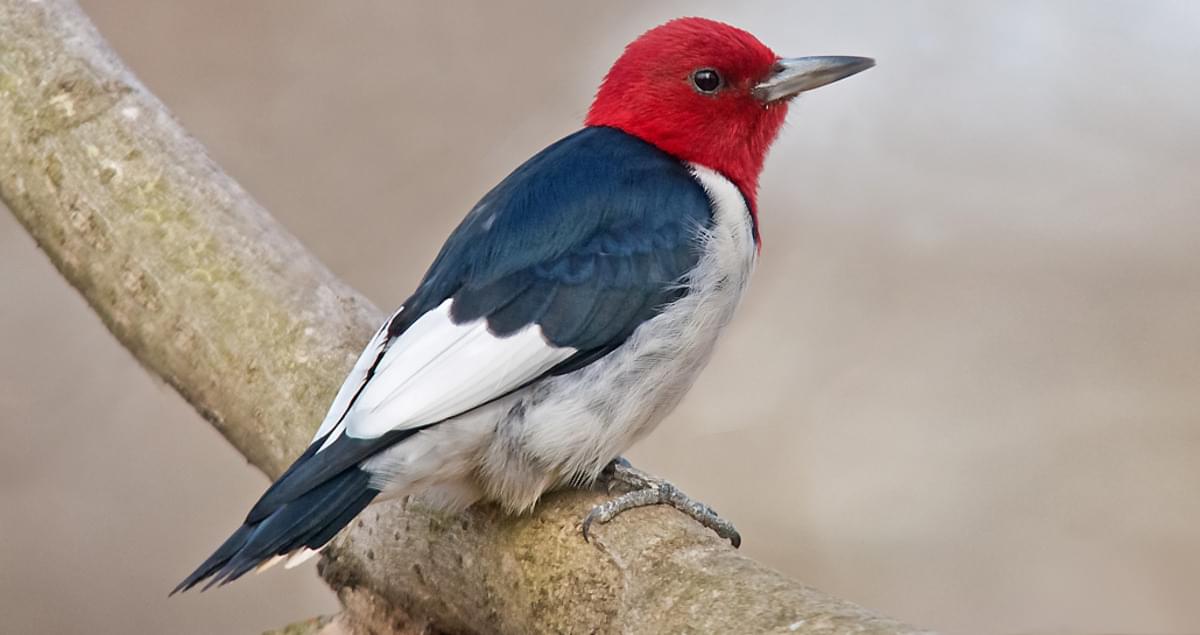
With a vibrant red head and striking black and white body, the Red-headed Woodpecker in Michigan stands out as a captivating sight in its preferred grassy savannas and lowland forests. These woodpeckers boast a wingspan ranging from 35 to 43 cm and a body length of 19 to 23 cm. Weighing between 56 to 91 grams, they can live up to 9 years in the wild. The Red-headed Woodpeckers are renowned for their unique coloration, featuring a completely red head that contrasts sharply with their black and white plumage.
Unfortunately, these stunning birds are facing a decline in population, necessitating conservation efforts to protect their habitats. Observing a Red-headed Woodpecker in Michigan is a special experience due to their eye-catching appearance and specific habitat requirements. To ensure the continued presence of these beautiful woodpeckers in Michigan’s ecosystems, it is crucial to focus on conservation practices that safeguard their habitats and address the factors contributing to their diminishing numbers.
3. Pileated Woodpecker

Inhabiting Michigan’s mature forests, the Pileated Woodpecker is known for being the largest species of woodpecker in the state. With its impressive size ranging from 15.8 to 19.3 inches, this woodpecker boasts a striking appearance characterized by predominantly black plumage, white facial stripes, and a vibrant red crest atop its head. These majestic birds prefer mature forests abundant with large trees, where they carve out deep, rectangular nest cavities for shelter and breeding.
The Pileated Woodpecker’s presence in Michigan is often announced by its loud and resonant drumming, echoing through the wooded habitats as they forage for insects hidden within tree bark. Their distribution spans across the state, making sightings possible in various wooded areas. Below is a table summarizing key characteristics of the Pileated Woodpecker:
| Characteristic | Description |
|---|---|
| Size | 15.8-19.3 inches |
| Plumage | Mostly black with white stripes and red crest |
| Habitat | Mature forests with large trees |
4. Northern Flicker
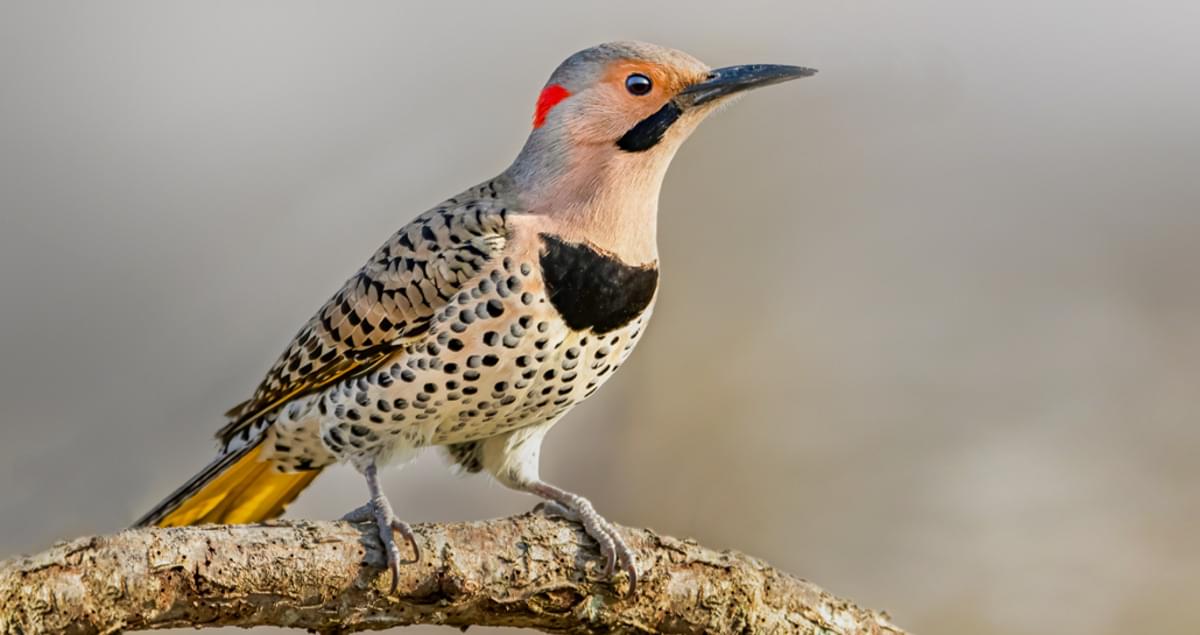
A medium-sized woodpecker found in Michigan, the Northern Flicker boasts distinctive bright yellow underwings and tails that make it easily recognizable in various habitats. With a wingspan ranging from 42 to 51 cm, these woodpeckers are commonly spotted in open woodlands, parks, and urban areas across Michigan. One of the key identifying features of the Northern Flicker is the unique spotted pattern displayed on its undersides. This pattern sets them apart from other woodpecker species found in the region. Northern Flickers are also known for their vocalizations, emitting a loud ringing call that echoes through the trees in which they reside. Their adaptability to diverse environments makes them a common sight for birdwatchers and nature enthusiasts alike. Next time you find yourself exploring wooded areas or parks in Michigan, keep an eye out for the striking yellow underwings of the Northern Flicker as it forages for insects and communicates with its distinct calls.
5. Black-backed Woodpecker
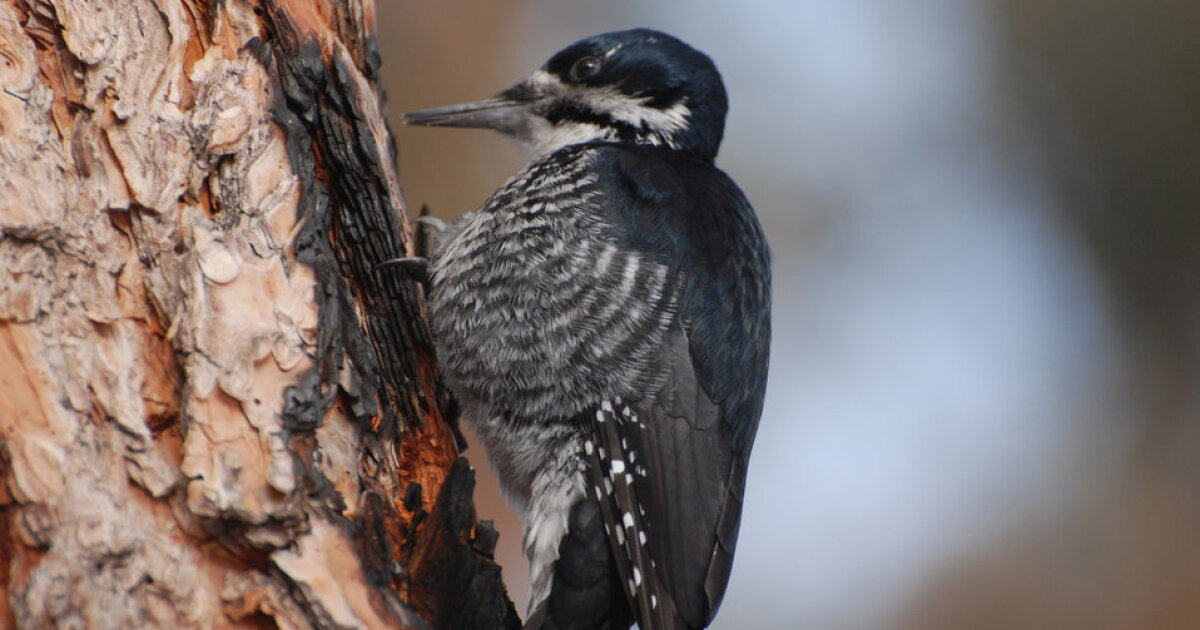
The Black-backed Woodpecker, a species known for its distinctive solid black back, broad white stripe, and bright yellow patch, is a fascinating woodpecker found in Michigan. Measuring about 9.1 inches in length, with a wingspan ranging from 15.8 to 16.5 inches and weighing between 61 to 88 grams, these birds are notable for their unique physical characteristics. They are particularly drawn to cold evergreen forests, especially those that have experienced recent burns within the last eight years. Black-backed Woodpeckers are considered habitat specialists, focusing on areas with an abundance of wood-boring beetles. Males of this species can be easily identified by the bright yellow patch on the top of their heads. These woodpeckers play a crucial role in ecosystem management by targeting wood-boring beetles in burned areas, contributing to forest health and regeneration.
6. Red-bellied Woodpecker
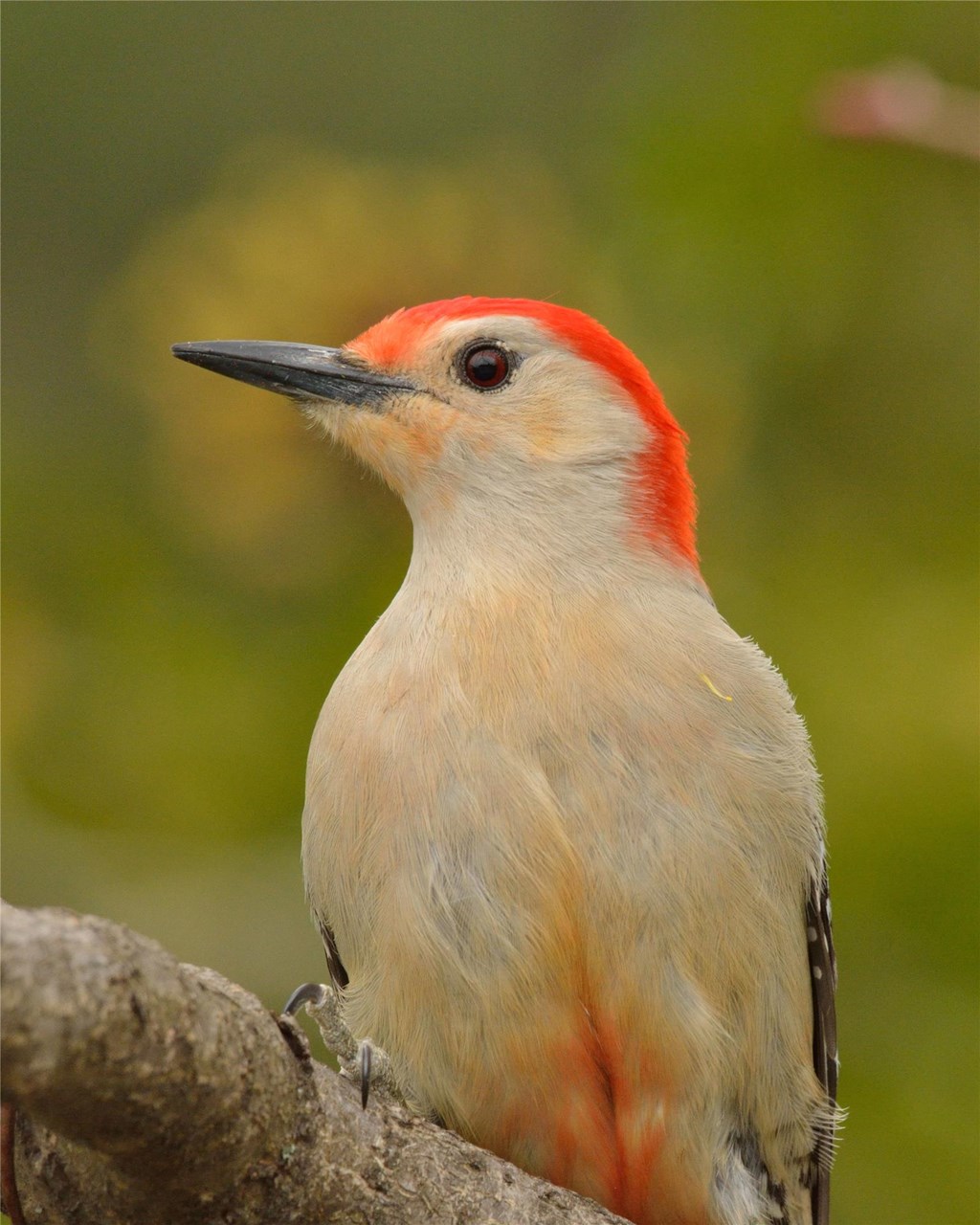
One notable woodpecker species found in Michigan, characterized by its pale red chest and bellies, is the Red-bellied Woodpecker. These birds are common in Michigan woodlands and are year-round residents in the state. Here are some key features that make the Red-bellied Woodpecker stand out:
- Easily Identified: The Red-bellied Woodpecker is easily recognized by its striking pale red chest and bellies.
- Dominant at Feeders: These woodpeckers are known to be dominant at feeders, often outcompeting other species.
- Long Tongue: Red-bellied Woodpeckers have a long tongue, which is perfect for reaching deep into crevices to extract insects.
- Wingspan and Length: They have a wingspan ranging from 33-42 cm and a length of 23-27 cm.
- Weight and Lifespan: Weighing between 56-91 g, these birds can live up to 12 years, showcasing their resilience in the Michigan habitat.
7. Hairy Woodpecker
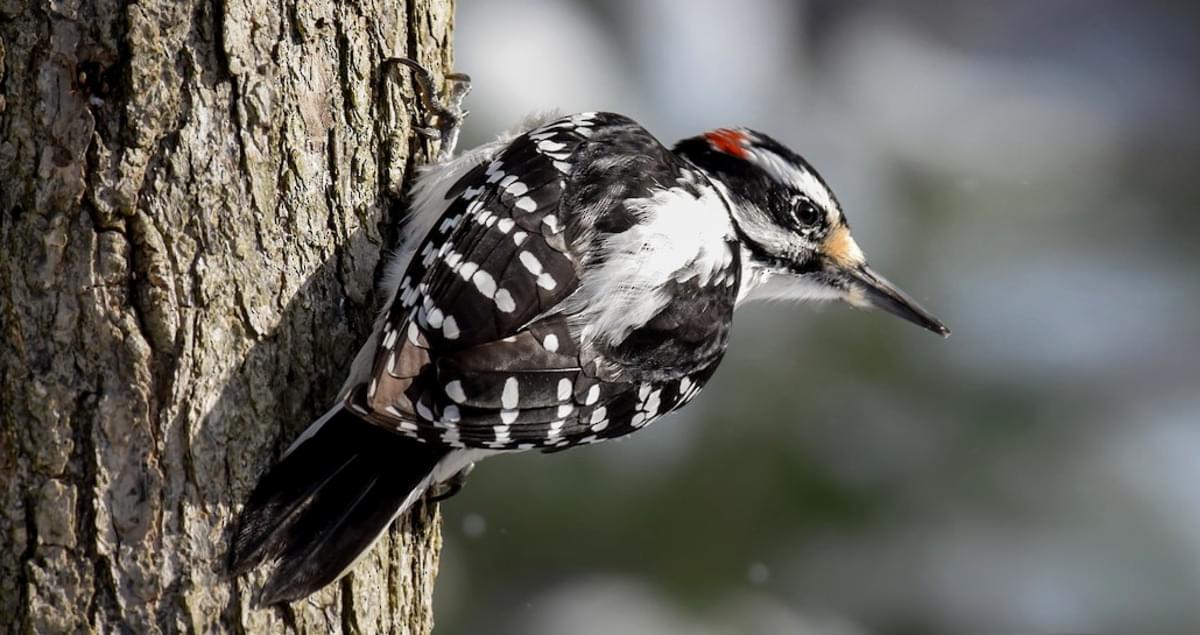
Easily distinguished from the Red-bellied Woodpecker by its larger size and distinct black and white plumage, the Hairy Woodpecker is a common sight in Michigan’s mature forests and suburban areas. Males sport a vibrant red patch on the back of their heads, setting them apart from the similar Downy Woodpecker. These medium-sized woodpeckers are equipped with a chisel-like beak, ideal for excavating insects and larvae from tree bark.
In Michigan, you can attract Hairy Woodpeckers to your yard by setting up suet feeders filled with sunflower seeds. Observing these birds in your backyard can offer a glimpse into their natural behaviors as they forage for food and communicate through their distinctive drumming sounds. Keep an eye out for these striking woodpeckers as they move gracefully through the trees, adding a touch of elegance to Michigan’s diverse bird population.
8. Yellow-bellied Sapsucker

Yellow-bellied Sapsuckers can be identified by their medium size, white belly, and distinctive yellowish-white shoulder patch. These migratory birds are known for creating sap wells in trees like maples and birches to feed on sap and insects. Their black and white striped face, along with a red crown, adds to their distinctive appearance in the wild. Despite their vibrant coloring, Yellow-bellied Sapsuckers are rarely seen visiting bird feeders, preferring to forage in trees. Here are some key features of the Yellow-bellied Sapsucker:
- Medium-sized woodpecker
- White belly
- Yellow shoulder patch
- Black and white striped face
- Red crown
Observing these unique characteristics can help birdwatchers spot the Yellow-bellied Sapsucker in its natural habitat.