

Discover the six hummingbird species in Wisconsin. From the vibrant Ruby-throated with its intricate nests to the territorial Rufous with exceptional agility. The delicate Calliope, smallest in North America, migrates through Wisconsin’s meadows. Rare Black-chinned, with purple iridescence, favors red flowers, displaying impressive courtship dives. Spot the Anna’s, green with a pink throat, a West Coast resident sometimes seen in Wisconsin. The metallic Broad-tailed, rare visitor, pollinates local flora. Each species brings unique colors, feeding habits, and migration routes to Wisconsin’s avian tapestry.
1. Ruby-throated Hummingbird

The Ruby-throated Hummingbird, as the most prevalent hummingbird species in Wisconsin, exhibits distinct physical characteristics and behaviors that distinguish it from other avian species in the region. Male Ruby-throated Hummingbirds boast a vibrant red throat patch, while females sport a whitish throat, aiding in gender identification. These tiny birds breed in Wisconsin during the summer months, building intricate cup-shaped nests using plant fibers and downy materials. To sustain their high-energy lifestyle, Ruby-throated Hummingbirds primarily feed on nectar from flowers, using their specialized long, slender bills and extendable, tube-like tongues. In addition to flower nectar, they readily visit sugar water feeders, especially during migration or when natural nectar sources are scarce. This behavior offers bird enthusiasts an opportunity to attract and observe these fascinating creatures up close. As fall approaches, Ruby-throated Hummingbirds embark on a remarkable migration journey across the Gulf of Mexico to reach their wintering grounds in Central America, showcasing their remarkable endurance and navigation abilities.
2. Rufous Hummingbird

Occasionally seen in Wisconsin during migration, the Rufous Hummingbird, a common Hummingbird species from the west, displays unique physical traits and behaviors distinguishing it from other hummingbirds. Recognized for its vibrant orange-red plumage and flashy gorget, this tiny bird embarks on an extensive migration journey from the Pacific Northwest down to Mexico. Rufous Hummingbirds are notably territorial and aggressive, often driving away competing hummers through aerial chases. Their exceptional aerial skills and rapid wingbeats contribute to their agility and effectiveness in defending their territory. These birds showcase remarkable endurance and determination during their long migratory flights, showcasing their resilience in traversing vast distances. The Rufous Hummingbird’s distinct appearance and assertive nature make it a fascinating species to observe, especially during their transient visits to Wisconsin, adding a splash of color and energy to the region’s hummingbird population.
3. Calliope Hummingbird
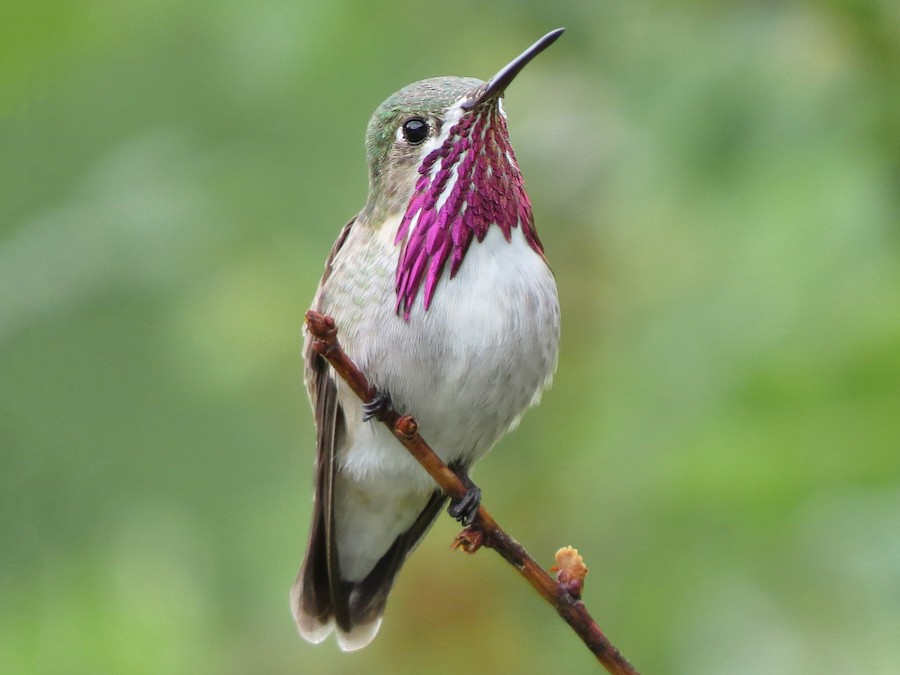
With its diminutive size and unique breeding range, the Calliope Hummingbird captivates bird enthusiasts with its distinct characteristics and migratory patterns. The Calliope Hummingbird is the smallest breeding bird in North America, known for its iridescent gorget feathers and distinctive humming sound in flight. These tiny birds have a migratory range that includes the western United States and parts of Canada. Calliope Hummingbirds thrive in habitats such as mountain meadows, open woodlands, and gardens with nectar-producing flowers, where they can feed on the sugary nectar that fuels their high-energy lifestyle. Birdwatchers in Wisconsin may catch a glimpse of these remarkable birds during their migration periods through the state.
| Calliope Hummingbird Facts | |
|---|---|
| Size | Smallest in NA |
| Range | Western US, Canada |
| Habitat | Mountain meadows, |
| Open woodlands, | |
| Nectar gardens |
4. Black-chinned Hummingbird
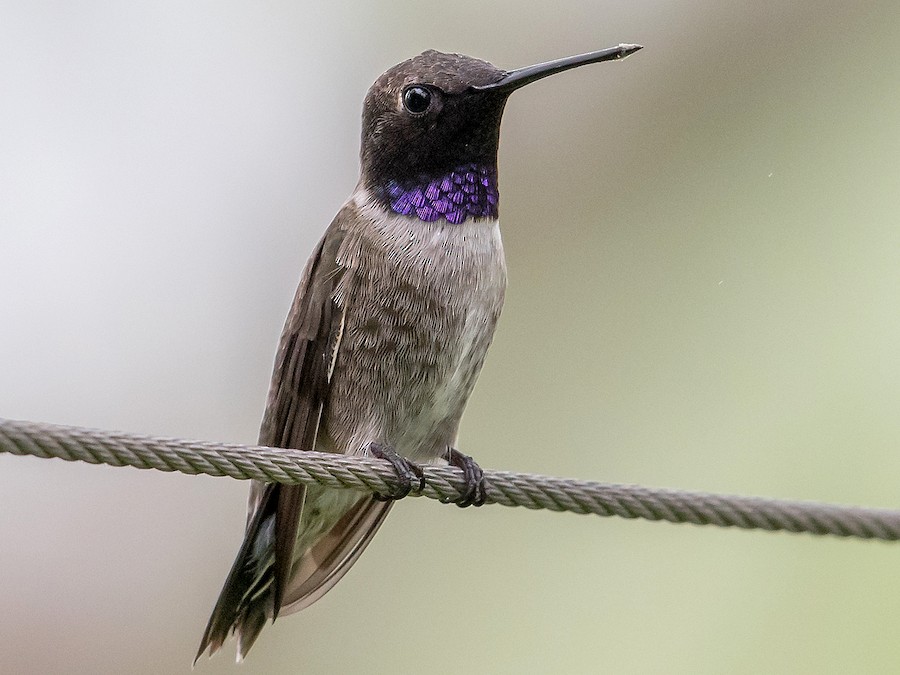
How could birdwatchers in Wisconsin identify the rare Black-chinned Hummingbird during migration seasons? The Black-chinned Hummingbird, a unique visitor to Wisconsin from the western United States, can be recognized by its black chin and throat, complemented by iridescent purple feathers on its head and a vibrant green back. To attract these hummingbirds, consider having hummingbird feeders filled with sugar water, as they feed on nectar from flowers and artificial feeders. Planting red flowers like bee balm, cardinal flower, or penstemon can also help in drawing their attention due to their preference for brightly colored blooms. During courtship displays, male Black-chinned Hummingbirds engage in impressive aerial dives while producing loud popping sounds with their wings to attract females. Keep a keen eye out for these remarkable behaviors and physical characteristics during migration seasons to catch a glimpse of this rare and captivating hummingbird species in Wisconsin.
5. Anna’s Hummingbird

Anna’s Hummingbirds, known for their vibrant green coloration and iridescent pink throat patches, are not native to Wisconsin but have been occasionally spotted in the state. These hummingbirds, primarily found on the West Coast of the United States and into Mexico, are year-round residents in many parts of their range. The presence of Anna’s Hummingbirds in Wisconsin is considered rare and may be attributed to migration patterns or unusual weather conditions.
These striking birds are known for their territorial behavior, often fiercely defending feeding sources. Anna’s Hummingbirds primarily feed on nectar from flowers and sugar water from feeders. Their diet is supplemented with small insects and spiders for essential proteins.
The unique iridescent pink throat patch, called a gorget, is more prominent in males, used to attract mates and establish dominance. Their vibrant green feathers also play a role in courtship displays and camouflaging within their lush habitats. Despite their occasional sightings in Wisconsin, Anna’s Hummingbirds remain a captivating and beautiful addition to the state’s avian diversity.
6. Broad-tailed Hummingbird

The Broad-tailed Hummingbird, distinguished by its metallic green back and rose-red throat patch in males, is a rare visitor to Wisconsin, typically found in the western United States. This stunning hummingbird, known for its high-altitude habitats in mountainous regions like the Rockies, is a treasure for birdwatchers in Wisconsin during migration seasons.
- Hummingbird Central: The Broad-tailed Hummingbird plays a crucial role in the ecosystem, serving as a pollinator for various flowers and plants.
- Attract Hummingbirds: To attract these delightful visitors to your garden, consider planting tubular red flowers like bee balm, penstemon, or salvia, which are among their favorites.
- Conservation Efforts: Due to habitat loss and climate change, conservation efforts are essential to protect the Broad-tailed Hummingbird and ensure their continued presence in Wisconsin.
Keep your eyes peeled for this rare gem of a hummingbird, and you may just be lucky enough to catch a glimpse of its iridescent beauty in the Badger State.