

Discover the 7 woodpecker species in Pennsylvania! Encounter the Downy, Hairy, Northern Flicker, Pileated, Red-bellied, Yellow-bellied Sapsucker, and Red-headed Woodpeckers. Witness the Downy’s black and white elegance, the Hairy’s drumming prowess, and the Northern Flicker’s ground-foraging habits. Behold the Pileated’s majestic red crest and the Red-bellied’s vibrant plumage, alongside the Yellow-bellied Sapsucker’s striking markings and the Red-headed’s unique appearance. Each contributes uniquely to the state’s ecosystems and birdwatching opportunities.
1. Downy Woodpecker
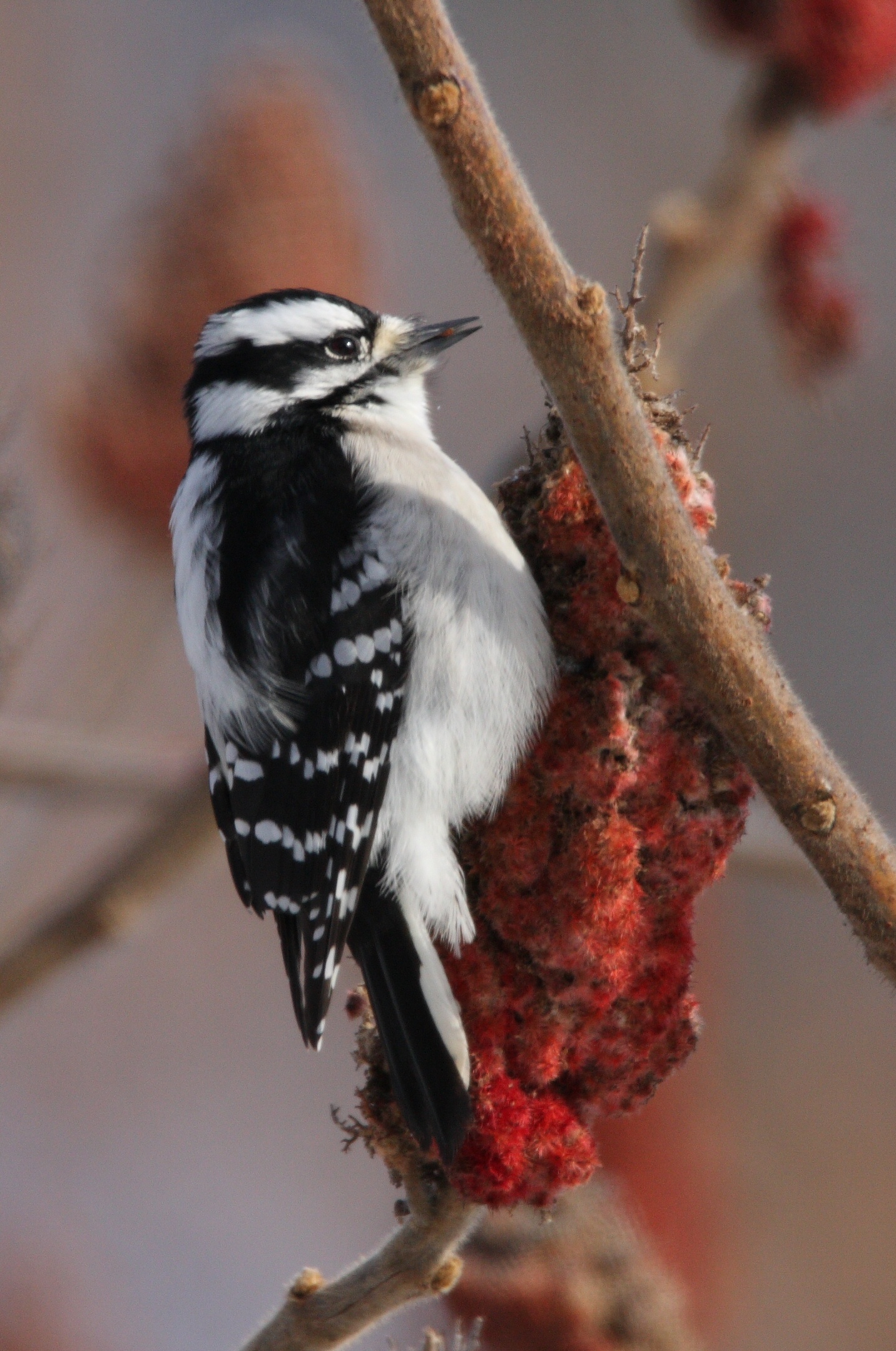
The Downy Woodpecker, the smallest woodpecker species in North America, is easily recognizable by its striking black and white plumage. These birds showcase a white belly, a black-and-white striped head, and sport a small red patch on males, adding a touch of color to their monochrome appearance. Found throughout North America, including specific populations in Pennsylvania, Downy Woodpeckers are versatile birds that inhabit various environments, from woodlands to suburban backyards. Their compact size, measuring about 6-7 inches in length, allows them to navigate easily among branches in search of food.
In Pennsylvania, these woodpeckers are commonly drawn to backyard feeders stocked with suet, seeds, and peanuts. Their adaptable nature and distinct appearance make them a favorite among birdwatchers. When observing these fascinating creatures in the wild, keep an eye out for their agile movements as they peck at trees in search of insects or foraging for seeds and nuts.
2. Hairy Woodpecker

With its larger size and distinctive black and white plumage, the Hairy Woodpecker is a notable species found in various habitats across Pennsylvania. Here are some key facts about the Hairy Woodpecker:
- Size and Appearance: The Hairy Woodpecker measures about 9-10 inches in length, making it larger than the Downy Woodpecker. It has a striking black and white plumage, with a white underside and black wings adorned with white spots.
- Feeding Habits: These woodpeckers play a crucial role in pest control as they primarily feed on insects, tree sap, and berries. Their foraging behavior helps regulate insect populations, benefiting the ecosystem.
- Behavior: Hairy Woodpeckers are known for their drumming behavior on trees. This activity serves multiple purposes, including communication with other woodpeckers and establishing territories within their habitat.
3. Northern Flicker
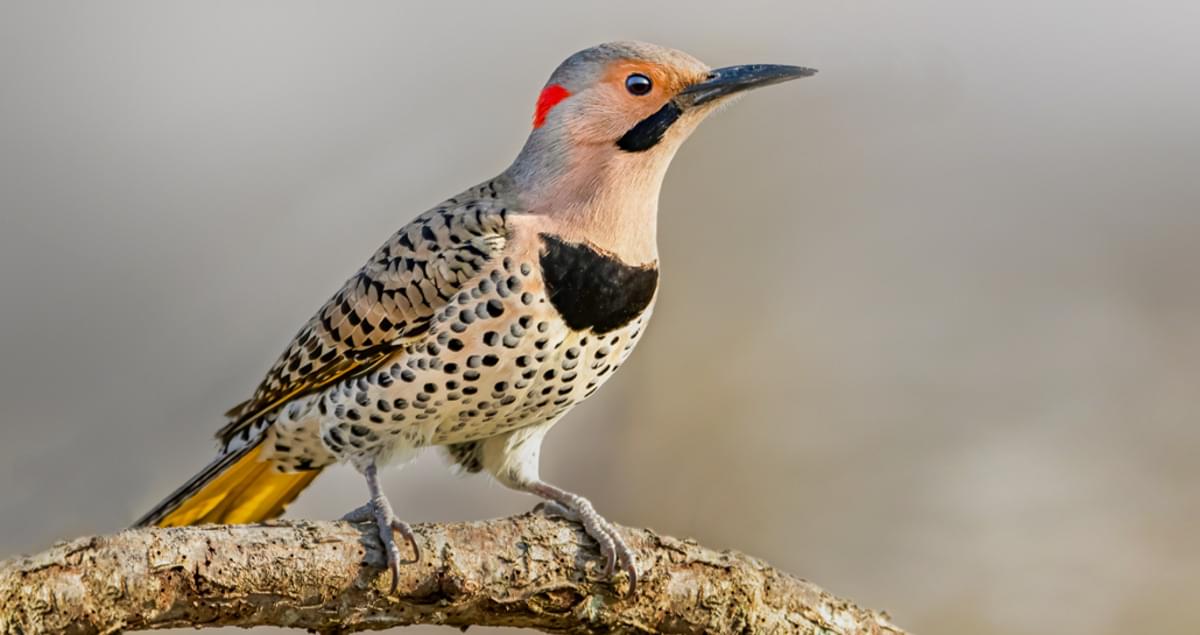
Resembling an American Robin in size, the Northern Flicker is a ground-foraging woodpecker species often seen in various habitats across Pennsylvania. Identified by its distinctive markings, including a brown back, spotted belly, and black crescent on the chest, the Northern Flicker is a common sight in open woodlands, suburban areas, and forest edges in Pennsylvania. These birds are known for their ‘flicker’ flight pattern and loud calls that echo through the trees. Northern Flickers play a crucial role in controlling insect infestations by foraging on the ground for ants, beetles, and other insects.
One of the most striking features of the Northern Flicker is its yellow feathers under the wings and tail, adding a vibrant splash of color to its appearance. This bird species is also known to drum on trees as a means of communication, attracting mates, and establishing territory boundaries. Keep an eye out for the Northern Flicker’s unique behaviors and markings when exploring the woodlands of Pennsylvania.
4. Pileated Woodpecker

A distinctive feature of Pileated Woodpeckers in Pennsylvania is their large size and striking red crest atop their heads. These large woodpeckers are year-round residents in Pennsylvania, favoring forested habitats with an abundance of mature trees. Here are three key points about the Pileated Woodpecker:
- Foraging Technique: Pileated Woodpeckers are adept at foraging by chiseling large holes in trees to access their preferred prey, which includes beetle larvae and carpenter ants. Their strong bills and powerful drumming help them extract insects from the wood with precision.
- Ecological Role: By creating cavities in trees through their drilling activities, Pileated Woodpeckers provide nesting opportunities for other cavity-nesting birds and contribute to the overall biodiversity of forest ecosystems.
- Contribution to Forest Health: Recognizable by their distinctive rolling, laughing call, Pileated Woodpeckers play a crucial role in maintaining forest diversity and health by controlling insect populations and shaping the structure of wooded areas.
5. Red-bellied Woodpecker

The Red-bellied Woodpecker, commonly found in woodlands, parks, and suburbs throughout Pennsylvania, is easily recognizable by its striking red plumage on the crown and nape, contrary to its name suggesting a red belly. These medium-sized woodpeckers boast a black and white striped back that aids in camouflaging within the trees where they forage for food. Their omnivorous diet consists of insects, fruits, nuts, and seeds, making them adaptable to various environments.
In addition to their distinctive appearance, Red-bellied Woodpeckers are known for their aggressive behavior, especially at feeders where they may assert dominance over other bird species. Their vocalizations include a loud, rolling ‘churr’ call that resonates through the woodlands and parks they inhabit. These woodpeckers play a vital role in controlling insect populations and dispersing seeds, contributing to the ecosystem’s balance. Spotting a Red-bellied Woodpecker in Pennsylvania is always a treat for birdwatchers, offering a glimpse into the fascinating behavior of these vibrant feathered creatures.
6. Yellow-bellied Sapsucker

Yellow-bellied Sapsuckers, unlike Red-bellied Woodpeckers, are known for their unique feeding habits and distinctive black and white markings. These medium-sized woodpeckers sport a striking red throat and forehead, setting them apart in the northeastern forests of the United States. Here are some fascinating facts about Yellow-bellied Sapsuckers:
- Sap Wells: Yellow-bellied Sapsuckers create shallow holes in tree bark to feed on sap, providing a vital food source for insects and even attracting hummingbirds with the sweet liquid.
- Winter Migration: While breeding in the northern forests, these woodpeckers undertake a winter migration to the southeastern United States, including Pennsylvania, where they can be spotted year-round.
- Drumming Sounds: Their drumming sounds are distinctive, being irregular and faster than other woodpeckers, often heard echoing through the forests during the breeding season.
These woodpeckers play an essential role in their ecosystem by creating sap wells that benefit various wildlife and plant species, showcasing the importance of their distinctive markings and feeding habits.
7. Red-headed Woodpecker

Sporting a vibrant red head and distinctive black and white plumage, the Red-headed Woodpecker in Pennsylvania is a striking sight in its preferred habitats. Unfortunately, this woodpecker species has faced a population decline in Pennsylvania primarily due to habitat loss. Red-headed Woodpeckers are known for their unique food storage behavior, where they stash food in crevices or tree bark for later consumption. Their shrill call resonates through open woodlands and savannas where they thrive.
To showcase some interesting aspects of the Red-headed Woodpecker, let’s take a look at the table below:
| Traits | Description |
|---|---|
| Appearance | Large red head with striking black and white plumage |
| Behavior | Stores food in crevices or tree bark for later consumption |
| Vocalization | Recognizable shrill call echoing through their preferred habitats |
| Conservation Status | Efforts are crucial to protect and preserve the declining population in Pennsylvania |
Conservation initiatives are vital to safeguard the Red-headed Woodpecker population and ensure their continued presence in Pennsylvania’s ecosystems.