

Discover the array of woodpeckers in Indiana: the small yet striking Downy and sizable Hairy Woodpeckers. Observe the vibrant Northern Flicker with its vivid colors and unique behaviors. Encounter the commanding Pileated Woodpecker with its impressive size and striking red crest. Marvel at the red-headed Red-bellied Woodpecker, common in both woodlands and urban areas. Additionally, look out for the Yellow-bellied Sapsucker and the elusive Red-headed Woodpecker. Each species adds its distinctive flair to Indiana’s avian world, inviting you to explore further into the beauty and diversity of these fascinating woodpeckers.
Downy Woodpecker

With a distinctive black-and-white checkered pattern on their back, Downy Woodpeckers in Indiana are relatively small but striking birds known for their drumming behavior and feeding habits. These common woodpeckers display a contrast of black and white plumage, with males featuring a small red spot on the back of their heads that is absent in females. In suburban areas across Indiana, these woodpeckers can often be spotted foraging for their primary food source of insects, berries, and seeds in various habitats such as parks, orchards, and even cemeteries.
The Downy Woodpecker’s adaptability to human-altered landscapes, including the presence of bird feeders offering suet or sunflower seeds, has contributed to their thriving population in Indiana. However, challenges like habitat loss due to urbanization and deforestation highlight the importance of conservation efforts to safeguard the future of these charismatic birds in the state.
Hairy Woodpecker
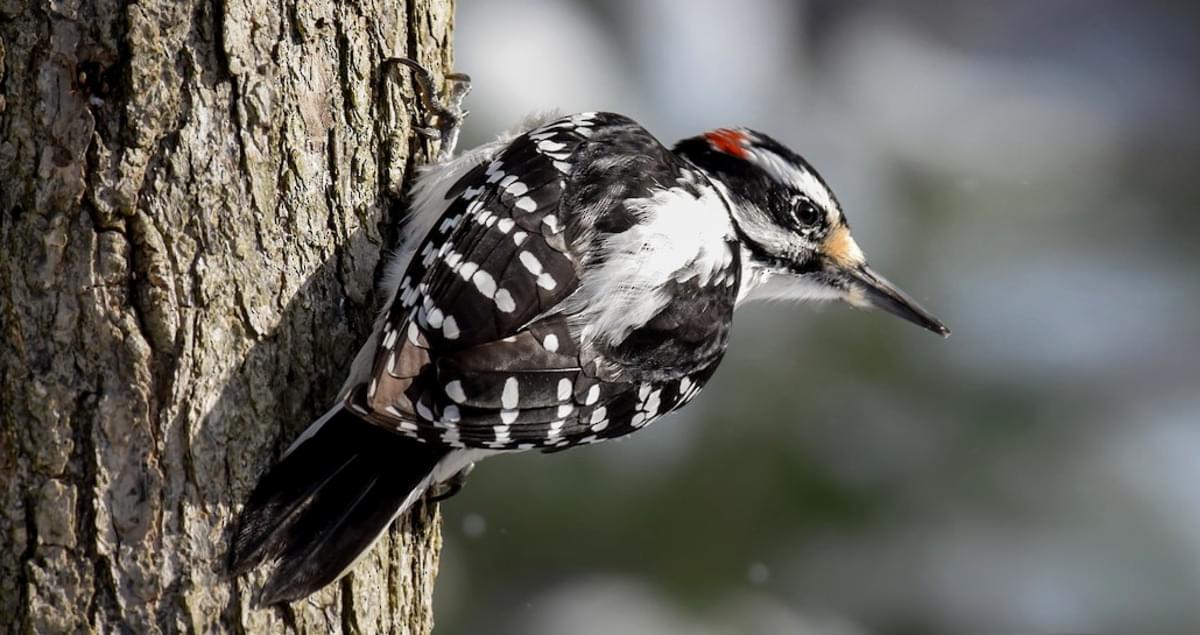
The Hairy Woodpecker, a medium-sized woodpecker species, is characterized by its distinctive black and white plumage. Male Hairy Woodpeckers sport a red patch on the back of their heads, aiding in easy identification. These woodpeckers primarily forage for wood-boring insects in various habitats such as mature forests, suburban backyards, and urban parks. They are versatile in their habitat selection, also frequenting swamps, orchards, and cemeteries. One of the notable behaviors of the Hairy Woodpecker is its drumming behavior. This drumming, created by rapid pecking on trees, serves as a means of communication and territory establishment among individuals. The adaptability of the Hairy Woodpecker to urban and suburban environments has made it a common sight in human-altered landscapes. Keep an eye out for these striking woodpeckers with their vivid plumage and distinctive red markings as they navigate their diverse habitats in search of their favorite insect prey.
Northern Flicker

In Indiana, the Northern Flicker, resembling the size of an American Robin but distinguished by its black bib and spotted belly markings, stands out as a captivating woodpecker species to observe. Here are some intriguing facts about Northern Flickers:
- Distinctive Appearance: Northern Flickers boast a unique look with their black bib, spotted belly markings, red on the back of the head, and vibrant yellow feathers, with males showcasing a striking black mustache stripe.
- Foraging Habits: These woodpeckers are often spotted foraging for ants and beetles on the forest floor, using their slightly curved bill to probe the ground for tasty treats.
- Habitat Preference: Northern Flickers prefer semi-open habitats like parks, where they can easily find food and suitable nesting spots, making them a common sight in Indiana’s woodlands.
- Colorful and Active: Their distinctive coloration and active foraging behavior make Northern Flickers a delightful woodpecker species to observe in the wild, adding vibrancy to Indiana’s birdwatching experiences.
Pileated Woodpecker
Roaming through the mature forests of Indiana with a red crest atop its head, the Pileated Woodpecker commands attention with its distinctive appearance and loud drumming calls. This large woodpecker species, known scientifically as Dryocopus pileatus, is a remarkable sight with its black body, white stripes on the face and neck, and that eye-catching scarlet crest. Pileated Woodpeckers, with a wingspan of up to 29 inches, are primarily found in mature forests where they can feast on carpenter ants and beetle larvae, contributing to the balance of the forest ecosystem. Conservation efforts play a crucial role in safeguarding Pileated Woodpecker populations by preserving their preferred forest habitats.
| Pileated Woodpecker Facts | Details |
|---|---|
| Scientific Name | Dryocopus pileatus |
| Habitat | Mature forests of Indiana |
| Diet | Carpenter ants, beetle larvae |
| Conservation Status | Important for forest conservation |
Red-bellied Woodpecker

With its tannish gray face and distinctive red head, the Red-bellied Woodpecker, scientifically known as Melanerpes carolinus, is a striking sight in the woodlands and urban areas of Indiana. Here are some interesting facts about these vibrant woodpeckers:
- Size: Red-bellied Woodpeckers measure around 9.25 inches in length, boasting a wingspan of 16 inches.
- Distinctive Features: They are easily identified by their tannish gray face, red head, and white underside.
- Habitat: These woodpeckers are commonly found in both woodlands and urban areas throughout Indiana.
- Markings: One of the key features of Red-bellied Woodpeckers is the zebra-like barring on their backs, adding to their unique appearance.
Observing a Red-bellied Woodpecker in action, with its vivid red head contrasting against the greenery of the woodlands or the urban backdrop, is a delightful experience for birdwatchers and nature enthusiasts alike.
Yellow-bellied Sapsucker
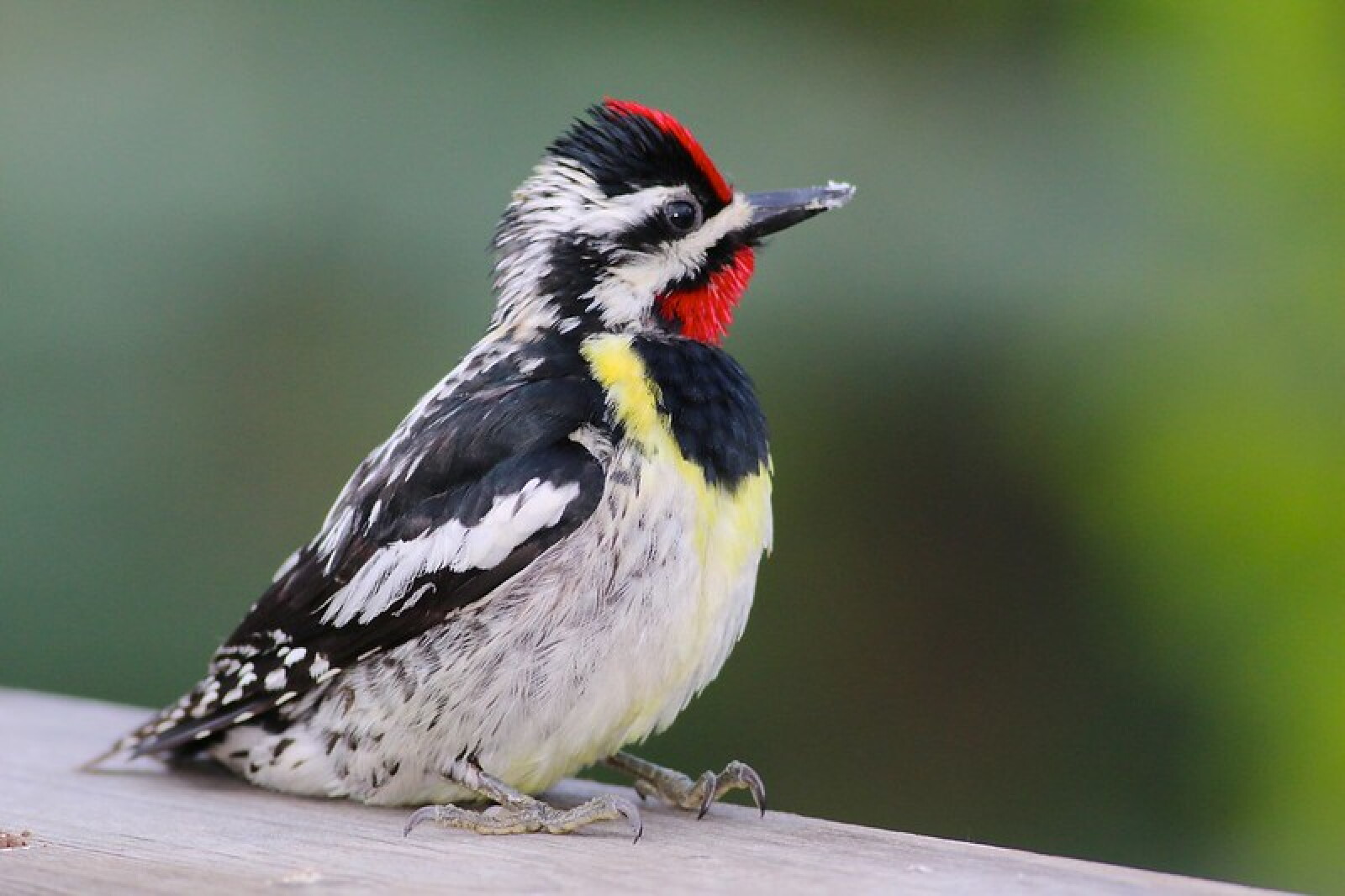
The Yellow-bellied Sapsucker, with its striking black and white backside markings and prominent white shoulder patch, is a distinctive woodpecker species found in Indiana. These medium-sized woodpeckers exhibit a unique red crown atop their heads and a face adorned with striped black and white patterns. Preferring to breed in the northern forests, Yellow-bellied Sapsuckers migrate to Indiana during winter, where they seek out young deciduous forests rich in sap-producing trees. Their fascinating behavior includes creating sap wells in trees by drilling small holes to feed on the sugary sap and insects attracted to it. This behavior not only sustains them but also benefits other bird species and insects. Observing these woodpeckers in action can be a visually captivating experience due to their distinctive coloration and intriguing foraging habits. With their striking appearance and interesting habits, Yellow-bellied Sapsuckers are a noteworthy addition to Indiana’s diverse woodpecker population.
7. Red-headed Woodpecker
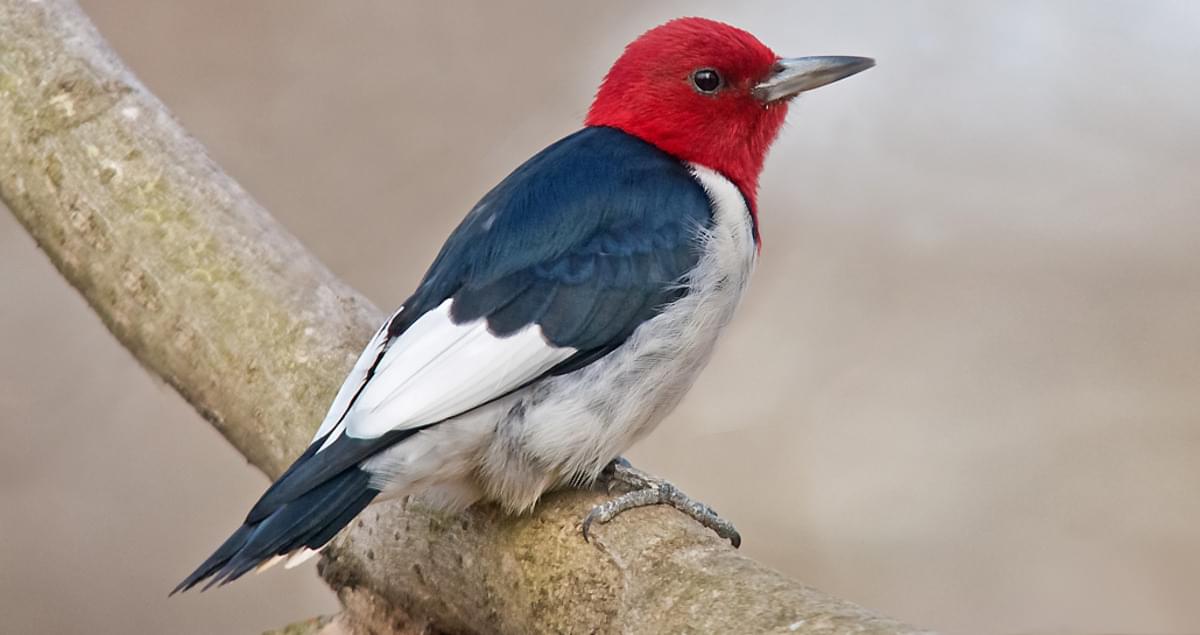
Recognized for their vibrant red heads and bills, Red-headed Woodpeckers in Indiana stand out with their distinctive coloring. Here are some key facts about these striking woodpeckers:
- Habitat Loss: The Red-headed Woodpecker population in Indiana has been declining due to habitat loss, underscoring the need for conservation efforts to protect their natural environment.
- Diet Preference: These woodpeckers primarily feed on beechnuts found in the vast beech forests of Indiana, relying on this food source for their sustenance.
- Nesting Needs: Red-headed Woodpeckers depend on dead trees in old-growth habitats to create nesting cavities, emphasizing the importance of preserving these mature forest ecosystems.
- Conservation Concern: The decline in Red-headed Woodpecker numbers poses a significant conservation concern, as these birds with their large red heads play a crucial role in the ecological balance of Indiana. Protecting their habitats is essential to ensuring their continued presence in the state’s biodiversity.