

Discover the 11 woodpecker species in Washington. Red-breasted Sapsuckers thrive in Turnbull National Wildlife Refuge. Downy Woodpeckers excel in Skagit Wildlife Area. Hairy Woodpeckers flaunt black and white plumage at Discovery Park. Watch Northern Flickers at Grays Harbor National Wildlife Refuge. Pileated Woodpeckers with their red crests can be found in Olympic National Park. Encounter White-headed Woodpeckers measuring 8.3 to 9.1 inches. Lewis’s Woodpeckers boasting a 10-year lifespan frequent Mount Rainier National Park. American Three-toed Woodpeckers showcase their unique structure in coniferous forests. Black-backed Woodpeckers carve cavities for wildlife. There’s more to learn about these fascinating woodpeckers in Washington.
1. Red-breasted Sapsucker
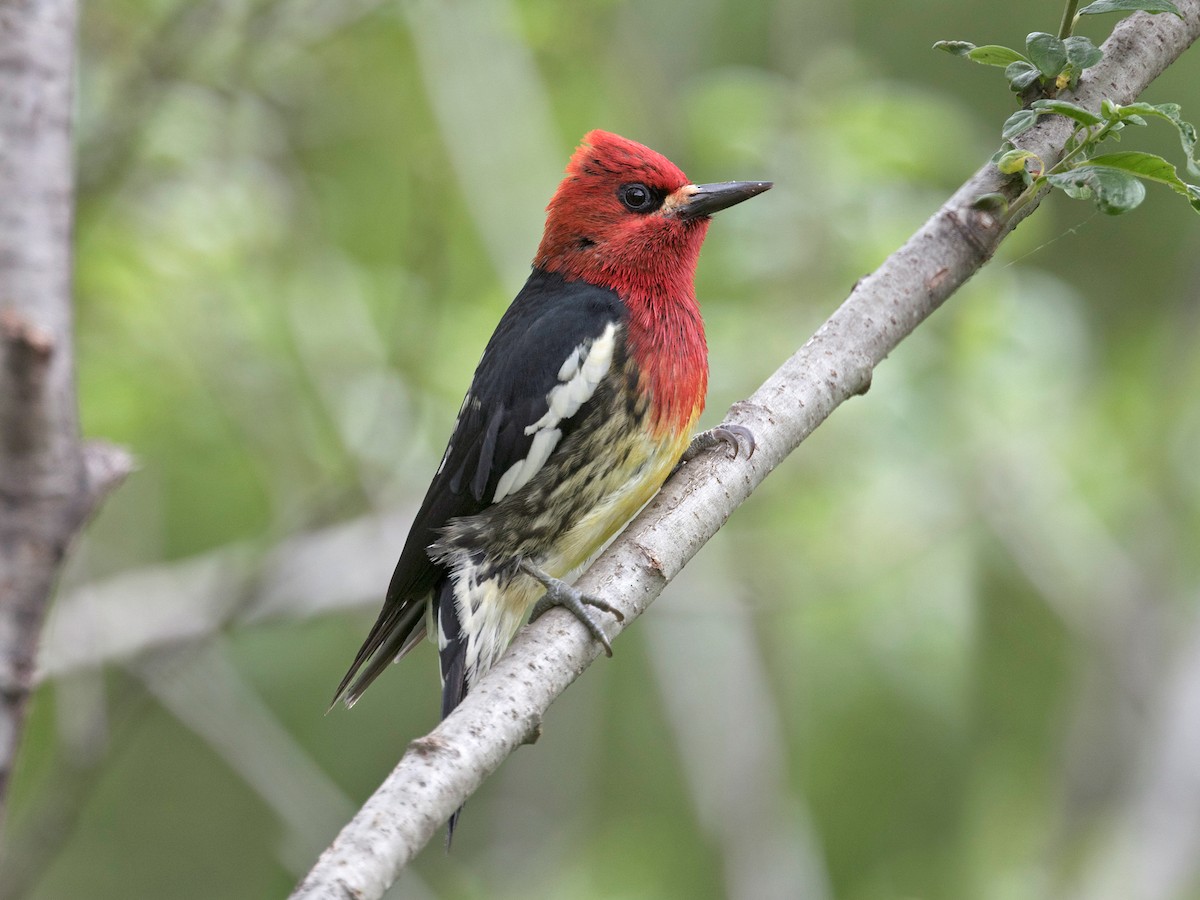
If you’re a bird enthusiast in Washington, you may be interested in learning about the Red-breasted Sapsucker, a distinctive woodpecker species found in the state. These striking woodpeckers, scientifically known as Sphyrapicus ruber, boast a vibrant red breast that sets them apart from other avian species. Measuring between 7.1 to 8.3 inches (18 to 21 cm) in size and weighing 1.5 to 1.9 ounces (42 to 54 g), Red-breasted Sapsuckers also sport a wingspan of 13 to 15 inches (33 to 38 cm).
In Washington state, these woodpeckers often make their homes in areas like Turnbull National Wildlife Refuge, Skagit Wildlife Area, and Discovery Park. With an average lifespan of 5 years, although some individuals have been known to live up to 8 years, these birds bring both beauty and vitality to the diverse bird population of Washington. Keep an eye out for the Red-breasted Sapsucker’s distinctive appearance and unique behaviors when exploring birding hotspots in the state.
2. Downy Woodpecker

Explore the world of the Downy Woodpecker, a fascinating species that can be found in various locations across Washington state, including Skagit Wildlife Area, Discovery Park, and Dungeness National Wildlife Refuge. The Downy Woodpecker, scientifically known as Dryobates pubescens, boasts a striking black and white plumage that distinguishes it from other woodpeckers. Measuring between 5.5 to 6.7 inches (14 to 17 cm) in size and weighing around 0.7 to 1 ounce (21 to 28 g), these small woodpeckers have a wingspan ranging from 9.8 to 11.8 inches (25 to 30 cm).
In Washington, spotting these black and white beauties can be a delightful experience, especially in wooded areas where they forage for insects or visit backyard feeders. With an average lifespan of 2 years and a maximum recorded lifespan of 11 years, the Downy Woodpecker’s presence adds charm to the diverse birdlife in the state. Be on the lookout for these agile and charismatic woodpeckers during your nature walks or birdwatching adventures in Washington.
3. Hairy Woodpecker
The Hairy Woodpecker, known scientifically as Dryobates villosus, inhabits various regions of Washington state and can live up to 15 years. This woodpecker species, ranging from 7.1 to 10.2 inches (18 to 26 cm) in size, weighs between 1.4 to 3.4 ounces (40 to 95 g) and has a wingspan of 13 to 16.1 inches (33 to 41 cm), providing them with a relatively wide wingspan for their size.
- Physical Characteristics
- The Hairy Woodpecker can reach sizes between 7.1 to 10.2 inches (18 to 26 cm).
- Weighing from 1.4 to 3.4 ounces (40 to 95 g), they fall into a moderate weight range.
- With a wingspan of 13 to 16.1 inches (33 to 41 cm), they possess a relatively wide wingspan for their size.
The Hairy Woodpecker is recognized for its distinctive black and white plumage, with black bars on their white outer tail feathers. If you’re keen on observing these beautiful woodpeckers, keep an eye out for them in locations like Discovery Park, Olympic National Park, and Mount Rainier National Park in Washington.
4. Northern Flicker

The Northern Flicker, scientifically recognized as Colaptes auratus, boasts an impressive average lifespan of 9 years, with records showing a maximum longevity of 12 years. These woodpeckers, known for their distinctive red crescent on the nape, play a vital role in maintaining forest health by controlling insect populations. Here is a table detailing some key characteristics of the Northern Flicker:
| Characteristic | Measurement |
|---|---|
| Average Lifespan | 9 years |
| Maximum Lifespan | 12 years |
| Size | 11 to 12.2 inches |
| Weight | 3.9 to 5.6 ounces |
| Wingspan | 16.5 to 20.1 inches |
| Habitat | Grays Harbor National Wildlife Refuge, Wenas Wildlife Area, Mount Rainier National Park |
| Role | Indicator species for forest health |
Northern Flickers are not only beautiful to observe but are also essential for the ecosystem, making them a valuable species in the forests of Washington.
5. Pileated Woodpecker
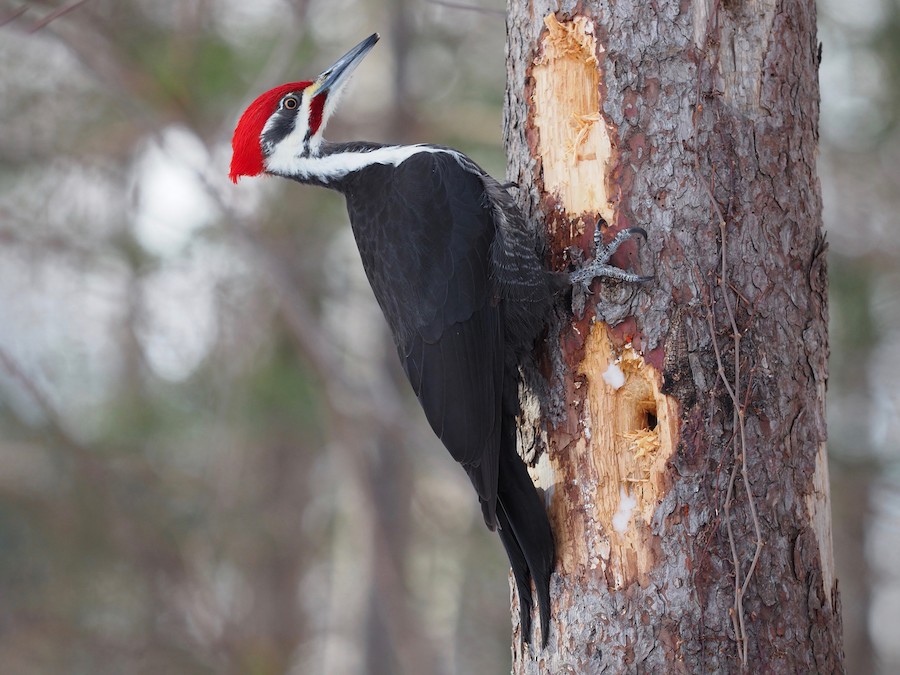
Pileated Woodpeckers, recognized scientifically as Dryocopus pileatus, are prominent members of the woodpecker species in Washington, known for their impressive size and distinctive red crest.
- Large size: Measuring between 15.8 to 19.3 inches long, these woodpeckers are among the largest in Washington.
- Striking appearance: Sporting a black body with a vibrant red crest on their heads, Pileated Woodpeckers are easily recognizable in their habitat.
- Habitat and behavior: These woodpeckers can be spotted in forested areas of Olympic National Park, Mount Rainier National Park, and Turnbull National Wildlife Refuge. They are known for their loud drumming sounds and unique calls, often excavating large rectangular holes in search of insects and setting up nests in decaying trees.
Observing the Pileated Woodpecker’s black body and vibrant red crest as it forages for food or communicates with its distinctive calls in the Washington forests can be a remarkable experience.
6. Red-naped Sapsucker
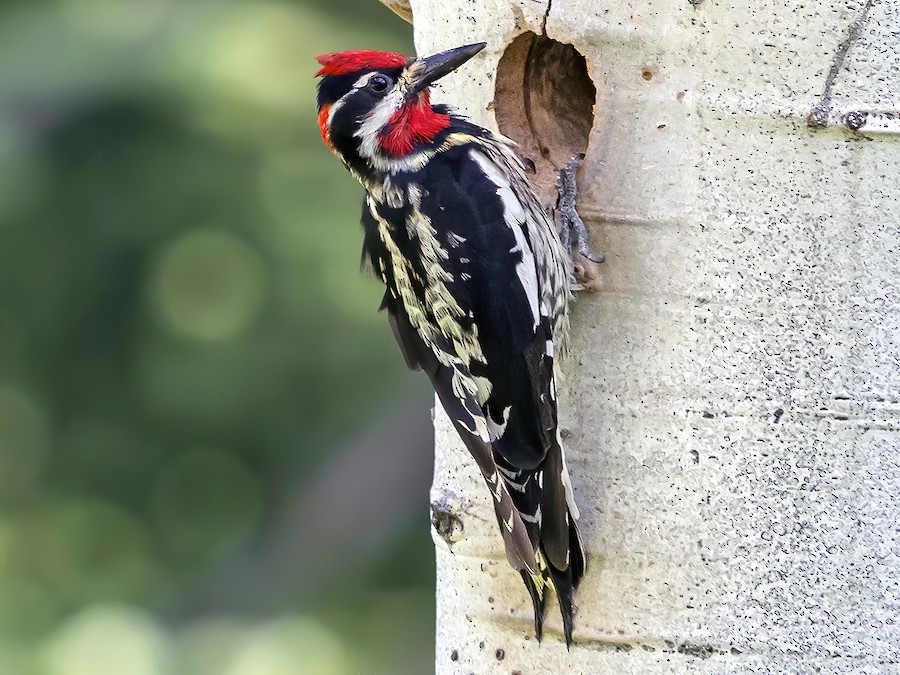
Inhabiting the forests of Washington state, the Red-naped Sapsucker is a distinctive woodpecker species known for its unique red nape patch and black and white facial markings. This species, scientifically referred to as Sphyrapicus nuchalis, measures approximately 7.5 to 8.3 inches (19 to 21 cm) in size and weighs around 1.6 to 1.9 ounces (44 to 55 g). With an average lifespan of about 2 years and a maximum recorded lifespan of 4 years, the Red-naped Sapsucker is recognized for its preference for tree sap, insects, and fruits in its diet. These woodpeckers are also characterized by their special drumming and calls that echo through the Washington state forests.
| Feature | Description |
|---|---|
| Scientific Name | Sphyrapicus nuchalis |
| Size | 7.5 to 8.3 inches (19 to 21 cm) |
| Weight | 1.6 to 1.9 ounces (44 to 55 g) |
| Lifespan | Average of 2 years, maximum of 4 years |
| Diet | Tree sap, insects, fruits |
7. Williamson’s Sapsucker
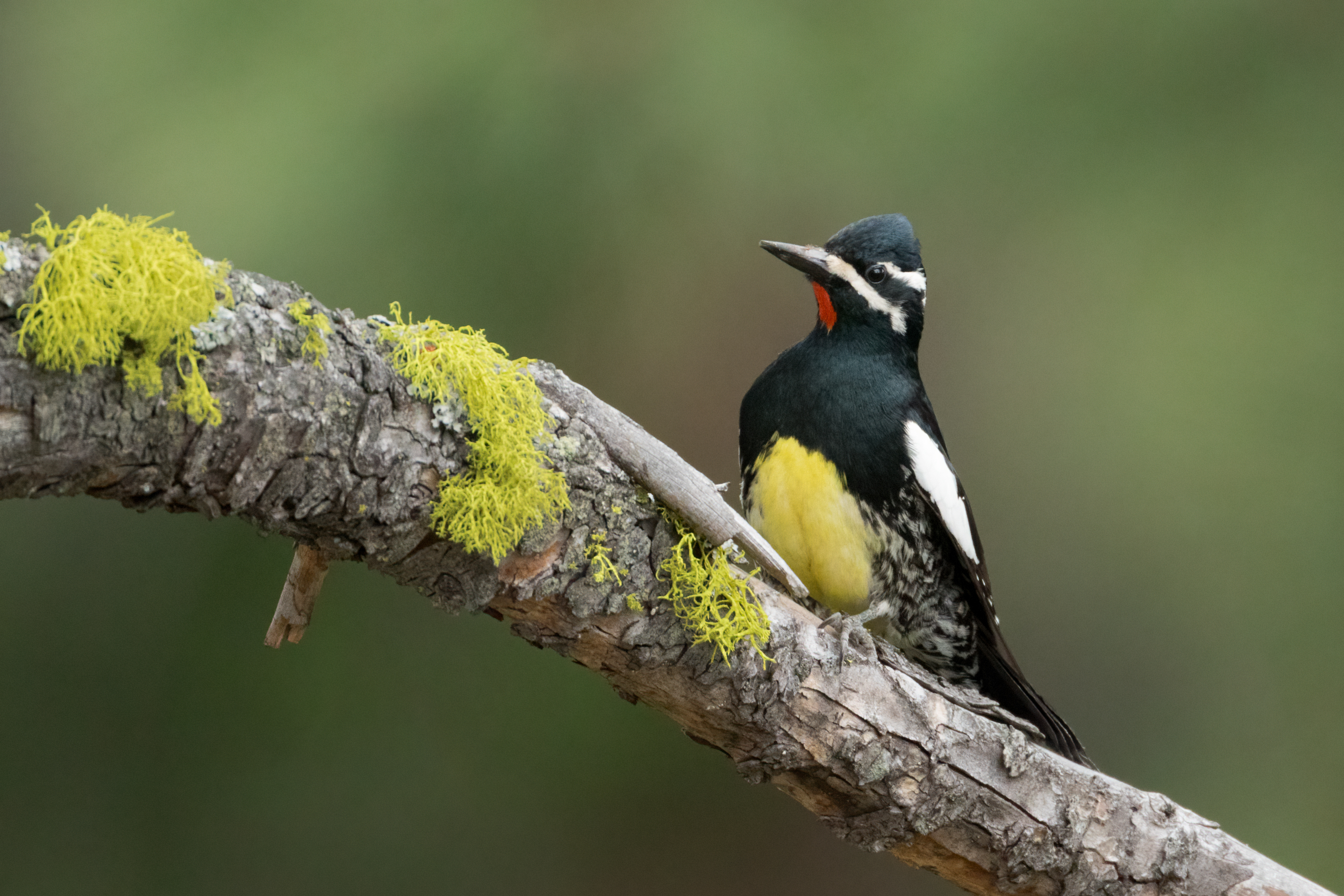
With its striking black and white plumage, the Williamson’s Sapsucker stands out among the woodpecker species found in Washington state. This woodpecker species, scientifically known as Sphyrapicus thyroideus, boasts an average lifespan of 3 years, reaching a maximum of 6 years in the wild. Measuring between 8.3 to 9.8 inches (21 to 25 cm) in length and weighing around 1.6 to 1.9 ounces (44 to 55 g), Williamson’s Sapsucker showcases a wingspan of approximately 17 inches (43 cm), adding to its unique appearance.
- Distinctive Plumage: The black and white coloration of Williamson’s Sapsucker sets it apart from other woodpecker species.
- Habitat Specificity: These woodpeckers are found in specialized habitats within Washington, showcasing unique nesting behaviors.
- Conservation Importance: Conservation efforts are essential for preserving Williamson’s Sapsucker populations and their unique habitats in the state.
8. White-headed Woodpecker
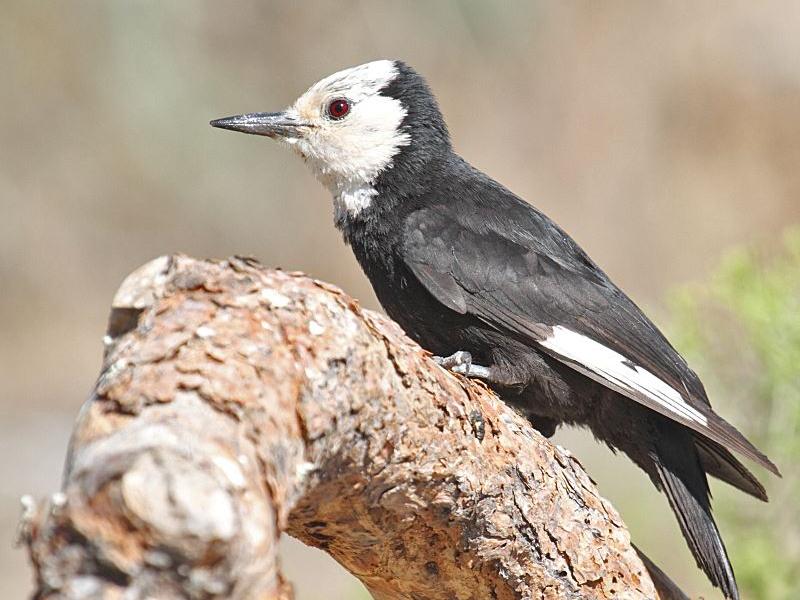
The White-headed Woodpecker, known scientifically as Dryobates albolarvatus, is a distinctive woodpecker species commonly found in specific regions of Washington state. This woodpecker species, with its striking white head contrasting with a black body, is a sight to behold. One of its notable features is the red nape patch, adding a pop of color to its appearance. White-headed Woodpeckers are relatively small, measuring between 8.3 to 9.1 inches (21 to 23 cm) and weighing 1.9 to 2.3 ounces (55 to 65 grams). They have an average wingspan of around 16.9 inches (43 cm).
Below is a table summarizing key facts about the White-headed Woodpecker:
| Characteristic | Measurement |
|---|---|
| Scientific Name | Dryobates albolarvatus |
| Average Lifespan | 3 years |
| Size | 8.3 to 9.1 inches (21 to 23 cm) |
| Weight | 1.9 to 2.3 ounces (55 to 65 grams) |
| Wingspan | Around 16.9 inches (43 cm) |
9. Lewis’s Woodpecker
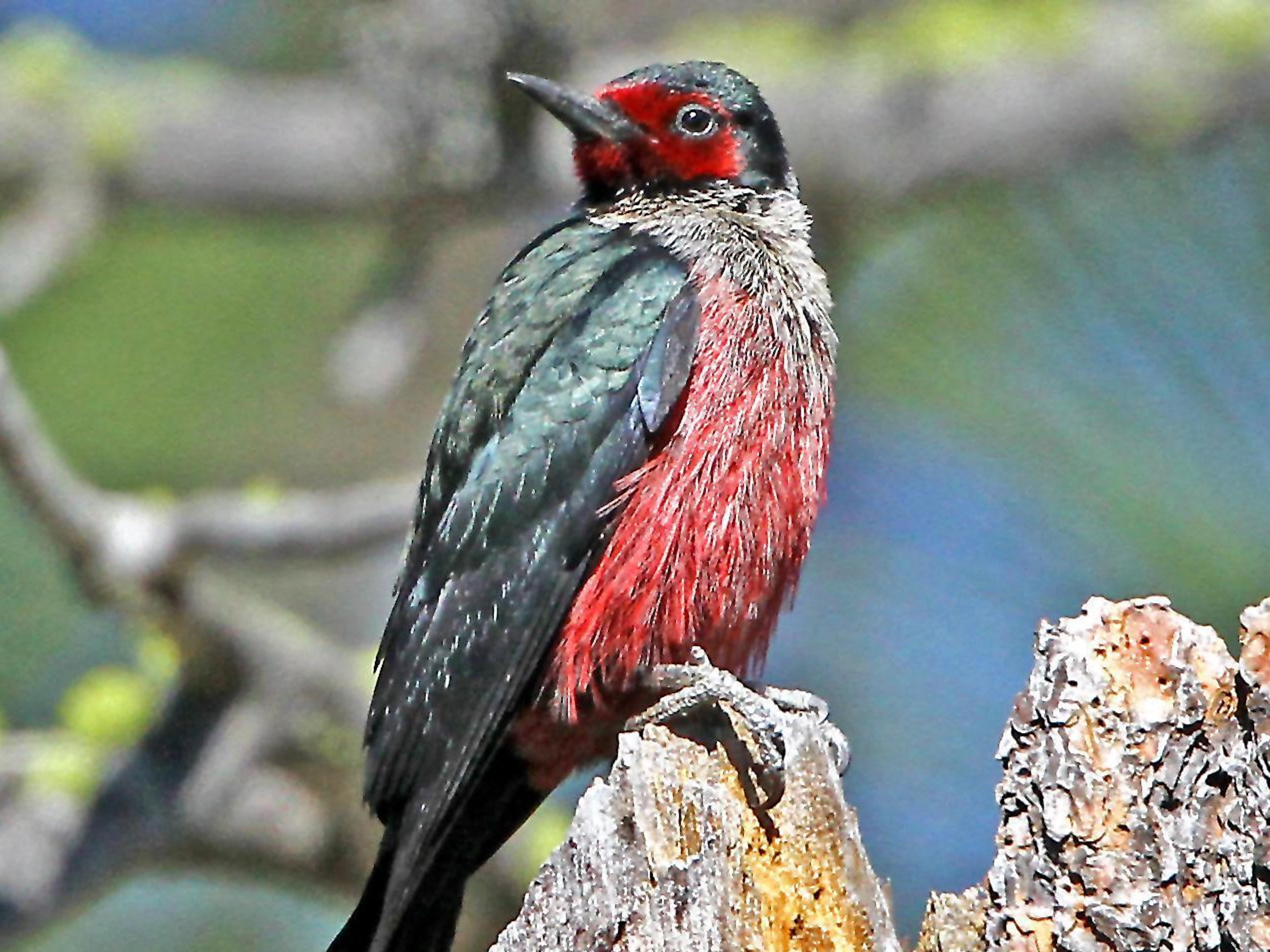
Lewis’s Woodpecker, scientifically known as Melanerpes lewis, is a distinctive species found in specific regions of Washington state, known for its unique characteristics and ecological significance.
- Lewis’s Woodpecker, with an average lifespan of 10 years, plays a vital role in maintaining ecosystem balance.
- Measuring between 10.2 to 11 inches (26 to 28 cm) in size, this woodpecker weighs 3.1 to 4.9 ounces (88 to 138 g) and boasts a wingspan of 19.3 to 20.5 inches (49 to 52 cm).
- Known for their unique nesting habits and diet preferences, Lewis’s Woodpeckers are a conservation priority species, necessitating habitat protection and preservation efforts to ensure their survival in Washington.
Conservation efforts for Lewis’s Woodpeckers focus on safeguarding their habitats, which are often threatened by deforestation and urban development. By preserving the woodlands where they reside, implementing sustainable forestry practices, and raising awareness about the importance of these birds, conservationists aim to secure a future for this unique woodpecker species in Washington state.
10. American Three-toed Woodpecker
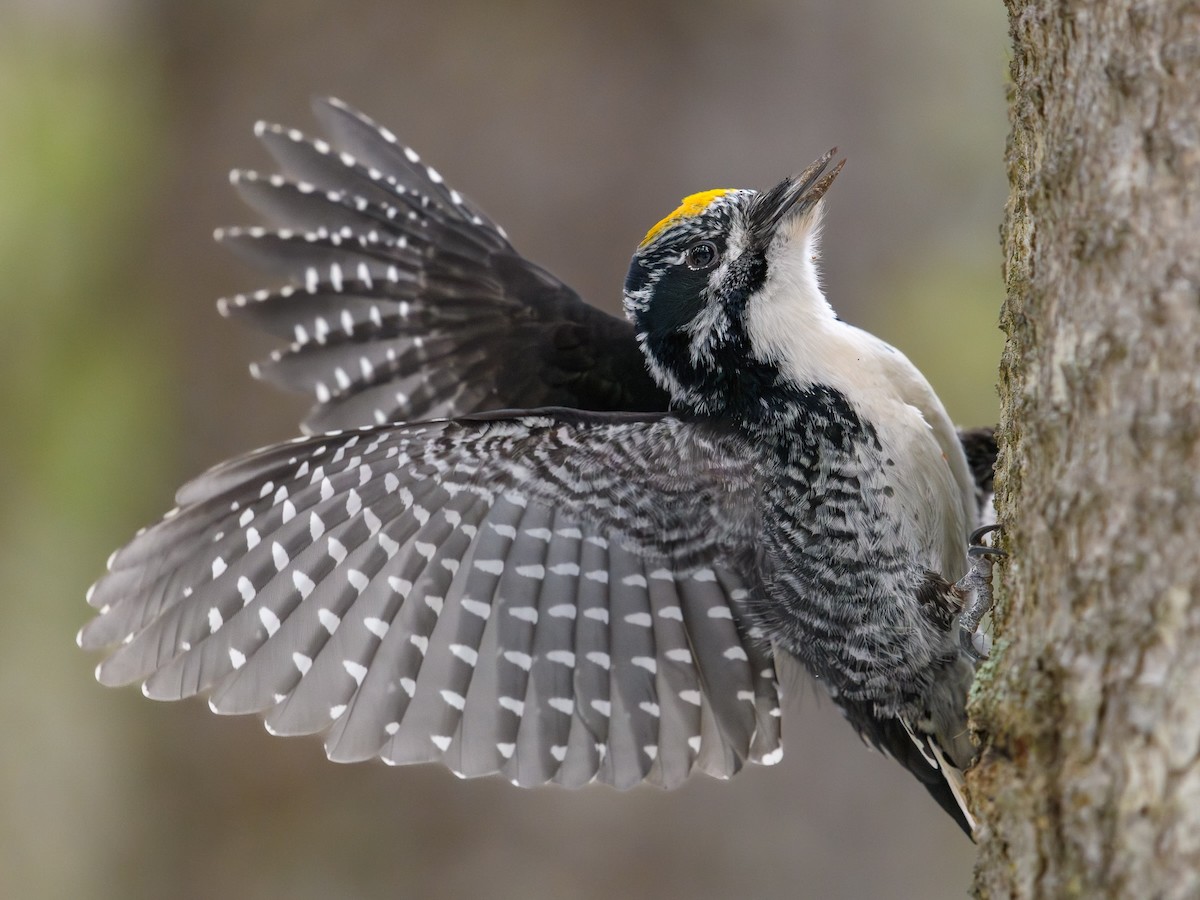
In the woodlands of Washington state, the American Three-toed Woodpecker, known scientifically as Picoides dorsalis, thrives as a medium-sized species distinguished by its unique three-toed feature. These woodpeckers measure 8.3 to 9.1 inches (21 to 23 cm) in size, weighing 1.6 to 2.4 ounces (44.8 to 67.9 g) with a wingspan of 14.6 to 15.3 inches (37 to 39 cm). They are known for their striking black and white plumage. American Three-toed Woodpeckers primarily feed on insects and are commonly found in coniferous forests with dead or dying trees, their preferred foraging grounds.
| Feature | Description |
|---|---|
| Scientific Name | Picoides dorsalis |
| Size | 8.3 to 9.1 inches (21 to 23 cm) |
| Weight | 1.6 to 2.4 ounces (44.8 to 67.9 g) |
These woodpeckers’ unique three-toed characteristic sets them apart from other woodpecker species, making them a fascinating sight to observe in the rich woodlands of Washington state.
11. Black-backed Woodpecker
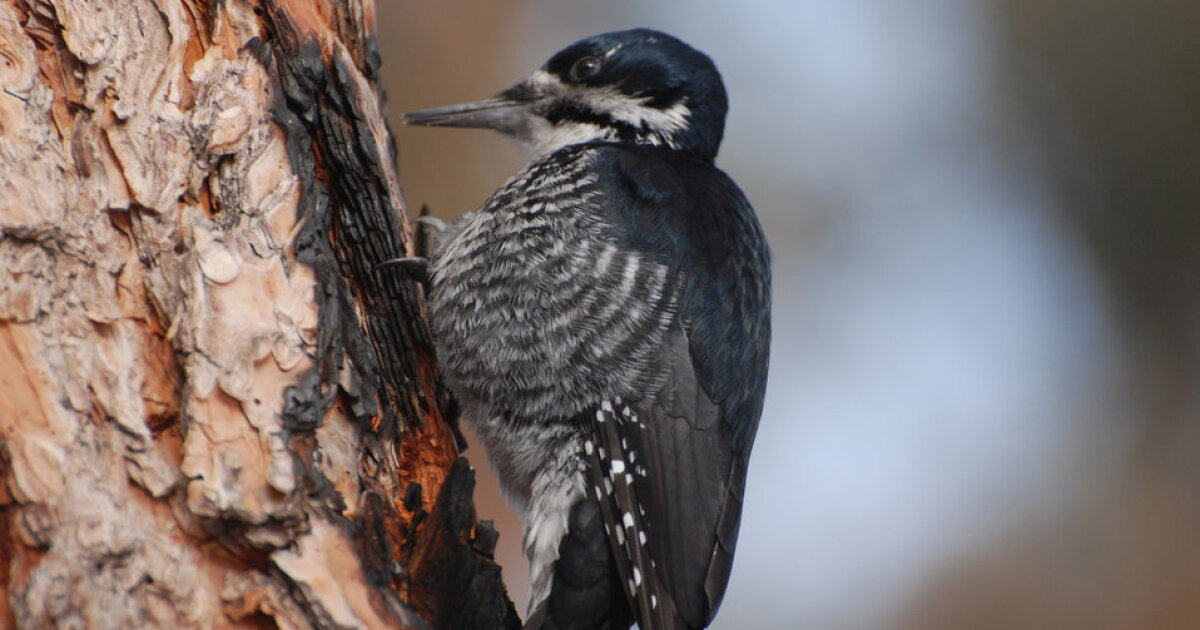
Moving on from the American Three-toed Woodpecker, let’s now focus on the Black-backed Woodpecker, a species known for its dark appearance and distinctive calls in the forests of Washington state. The Black-backed Woodpecker (Picoides arcticus) is an average of 9.1 inches in size and weighs between 2.1 to 3.1 ounces. With a wingspan ranging from 15.8 to 16.5 inches, this woodpecker plays a crucial role in forest ecosystems by creating cavities for other wildlife. Its diet primarily consists of wood-boring insects, showcasing its importance in controlling insect populations.
- Unique nesting habits
- Diet primarily consists of wood-boring insects
- Conservation status as a species of concern
Conservation efforts are essential to protect the Black-backed Woodpecker’s habitat and ensure its continued presence in Washington’s forests. By safeguarding the specific habitats where this woodpecker thrives, we can contribute to the preservation of this remarkable species and the biodiversity of Washington’s woodpecker population.