

Explore the 15 woodpecker species in California, such as the striking Pileated Woodpecker with its vibrant red crest and the enchanting White-headed Woodpecker known for its distinct white head and black back. These woodpeckers exhibit fascinating behaviors like drumming for communication and nesting in tree cavities for protection. Observation of these birds in diverse habitats can offer insights into ecosystem health and conservation efforts. Each woodpecker species thrives in specific environments, showcasing the importance of preserving their habitats. Their unique adaptations and foraging techniques make them essential components of California’s biodiversity.
1. Downy Woodpecker
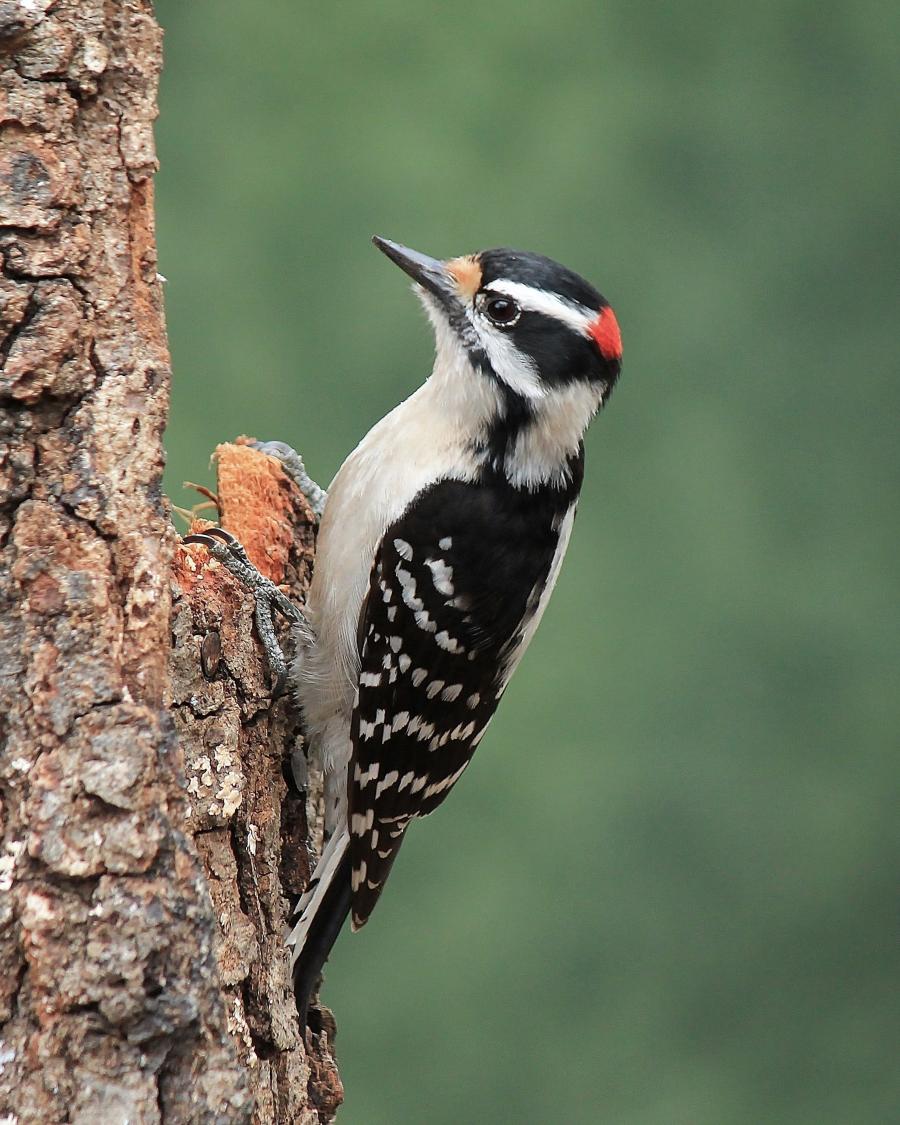
Measuring around 6-7 inches in length, the Downy Woodpecker is the smallest woodpecker species found in California. This striking bird displays a black and white plumage, with distinctive black spots adorning its white outer tail feathers. Its range spans across North America, including California, where it inhabits a variety of environments such as forests, parks, and suburban areas.
Feeding primarily on insects, seeds, and berries, the Downy Woodpecker utilizes its robust bill to drill into wood in search of sustenance. This behavior also serves a crucial role in communication and territory establishment. These woodpeckers are renowned for their drumming behavior, producing rhythmic patterns on trees to signal their presence and defend their territories against potential intruders. Despite its diminutive size, the Downy Woodpecker plays a significant ecological role in California’s diverse avian community, alongside other woodpecker species like the Acorn Woodpecker and Nuttall’s Woodpecker.
2. Hairy Woodpecker

The Hairy Woodpecker, a larger woodpecker species than the Downy Woodpecker, is distinguishable by its solid black back and white underparts, commonly encountered across various habitats in California. When it comes to nesting habits, Hairy Woodpeckers often excavate cavities in dead trees or branches to create their nests. These nests are lined with wood chips and other soft materials to provide a comfortable environment for their eggs and young.
In terms of feeding behavior, the Hairy Woodpecker primarily preys on insects like beetles, ants, and caterpillars found beneath the bark of trees. They also feed on tree sap and seeds, using their strong bills to drill into the wood. Additionally, these woodpeckers are known for their distinctive vocalizations and communication methods. They produce loud drumming sounds on trees to mark their territory and attract mates, creating a rhythmic pattern that is unique to each individual. This behavior plays a crucial role in establishing hierarchies and boundaries within their habitat.
3. Northern Flicker
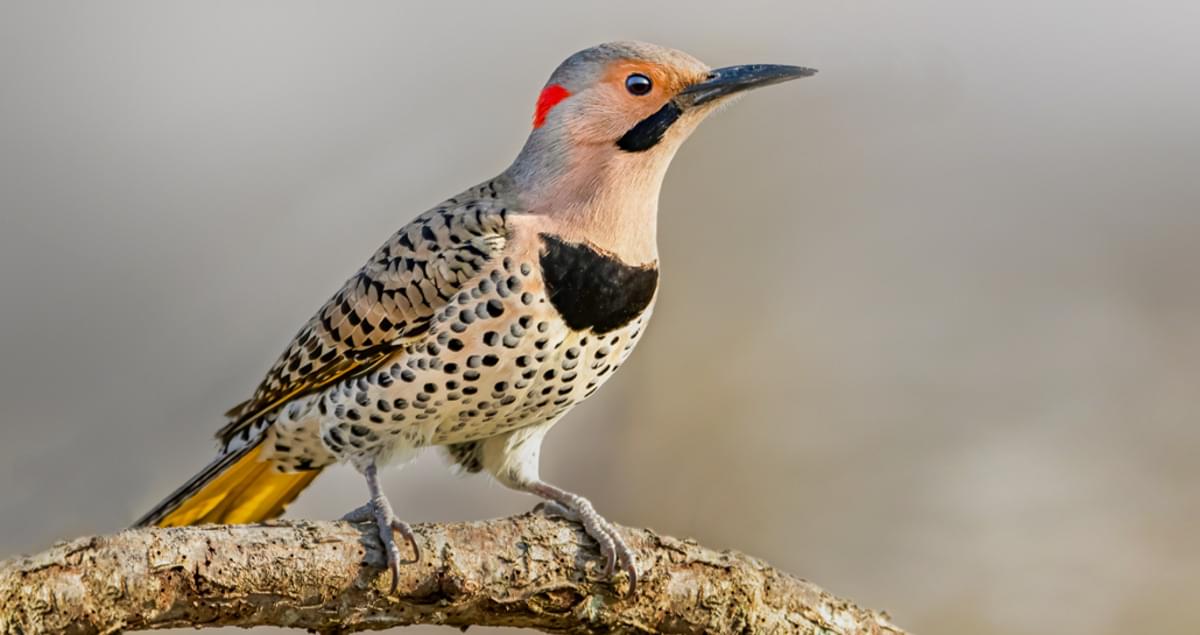
A large woodpecker species distinctive for its unique coloration and ground-feeding habits is the Northern Flicker, commonly found in California. Habitat preferences of the Northern Flicker include open woodlands, forest edges, and suburban areas with scattered trees. These woodpeckers are often observed foraging on the ground for ants, beetles, and other insects, using their slightly curved bill to probe the soil. Their feeding behavior is characterized by hopping on the ground and occasionally perching on low branches. Northern Flickers also consume fruits and seeds, adding variety to their diet.
Breeding habits of Northern Flickers involve excavating cavities in dead trees or sometimes using nest boxes. They lay about 5-8 glossy white eggs, which are then incubated by both parents. The young are fed regurgitated food by the adults until they fledge. During the breeding season, Northern Flickers are known for their territorial drumming, a series of rapid knocks on resonant surfaces to establish and defend their breeding territory.
4. Pileated Woodpecker
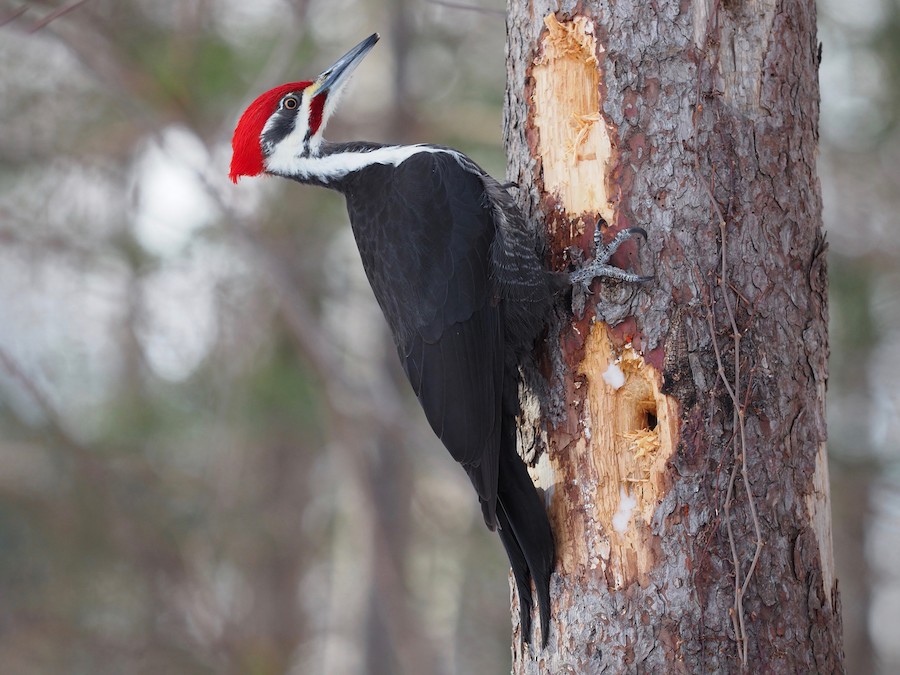
With vibrant red crests atop their heads and striking black and white plumage, Pileated Woodpeckers stand out as the largest woodpecker species in California, typically measuring around 16-19 inches in length. Here are some interesting facts about these impressive birds:
- Habitat preferences: Pileated Woodpeckers are commonly found in mature forests with large trees, where they can excavate deep, rectangular holes for nesting and foraging. They prefer habitats with ample dead wood for foraging and drumming activities.
- Foraging behavior: These woodpeckers primarily feed on insects, especially carpenter ants and wood-boring beetle larvae. They use their powerful bills to strip away chunks of bark and excavate deep into trees to find their prey.
- Vocalizations and communication: Pileated Woodpeckers are known for their loud, resonant drumming sounds, which serve as a means of communication to establish territories and attract mates. They also have a distinct, loud call that resonates through the forest.
5. Lewiss Woodpecker

Pileated Woodpeckers, with their striking red crests and large size, represent a stark contrast to the unique appearance of Lewiss Woodpeckers. Lewiss Woodpeckers are easily distinguishable by their pink belly and dark green iridescent back. These woodpeckers prefer to inhabit open woodlands and oak savannas in California, showcasing a preference for these specific ecosystems. One of the remarkable skills of Lewiss Woodpeckers is their adeptness at catching insects in mid-air, displaying impressive aerial hunting abilities. They are also known for their habit of storing food in tree crevices for later consumption. When it comes to nesting, Lewiss Woodpeckers are cavity nesters, often choosing old woodpecker or flicker holes as their preferred nesting sites. Their range spans across the central and northern regions of California, reaching into Oregon and Washington, where they contribute to the diverse avian fauna of the area.
6. Red-naped Sapsucker

The Red-naped Sapsucker, a woodpecker species found in California, is distinguished by the red patch on the nape of its neck. Here are some key characteristics of this fascinating bird:
- Sap Well Creation: Red-naped Sapsuckers exhibit a unique behavior of creating sap wells on trees. They peck small holes in the bark to access the tree’s sap. This behavior not only provides them with a food source but also attracts insects, which they feed on.
- Drumming Sounds: During the breeding season, these woodpeckers are known for their distinct drumming sounds. The rhythmic tapping on trees serves as a way to establish territories and attract mates. The drumming can be heard echoing through the forests where they reside.
- Distinctive Red Patch: One of the most striking features of the Red-naped Sapsucker is the vibrant red patch on the back of its neck. This red marking contrasts sharply with the bird’s black and white striped face, making it easily recognizable among other woodpecker species.
7. Williamsons Sapsucker
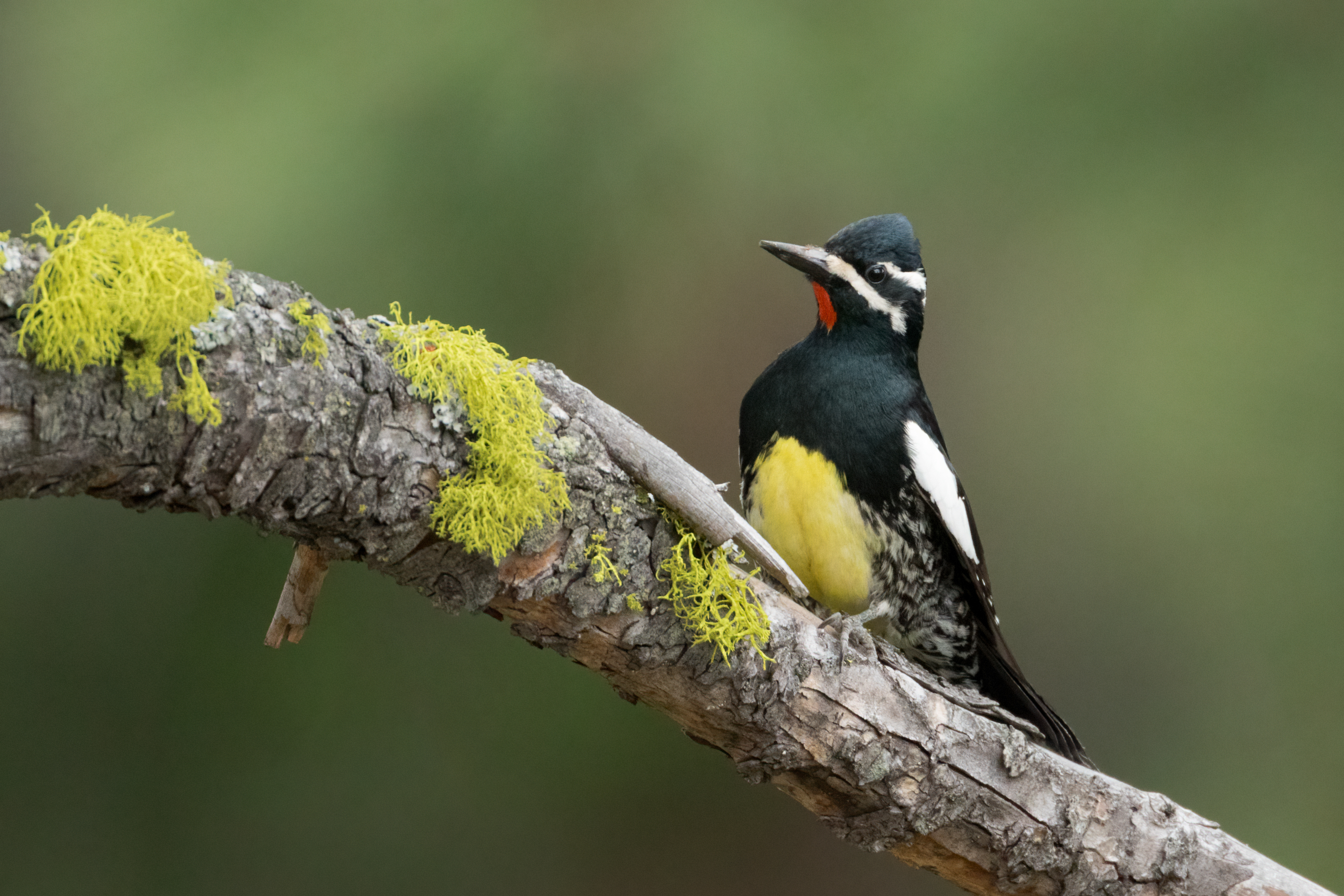
The Williamsons Sapsucker, a medium-sized woodpecker species found in western North America including parts of California, is characterized by its unique black and white plumage pattern and distinctive red throat patch in males and yellow throat patch in females. These striking birds have a length ranging from 20 to 24 cm and a wingspan between 38 and 41 cm. Primarily inhabiting coniferous forests, they are known for their distinct drumming sounds used for communication and territorial establishment.
Conservation efforts are crucial for the protection of Williamsons Sapsuckers due to habitat loss and potential threats to their populations. Their unique plumage patterns make them a sought-after sight for bird enthusiasts and researchers alike. The red throat patch in males and yellow throat patch in females serve as key identification markers in the wild. By studying their behaviors, including their drumming sounds, researchers can gain insights into their ecological roles and aid in conservation strategies to safeguard these captivating woodpeckers for future generations.
8. Black-backed Woodpecker
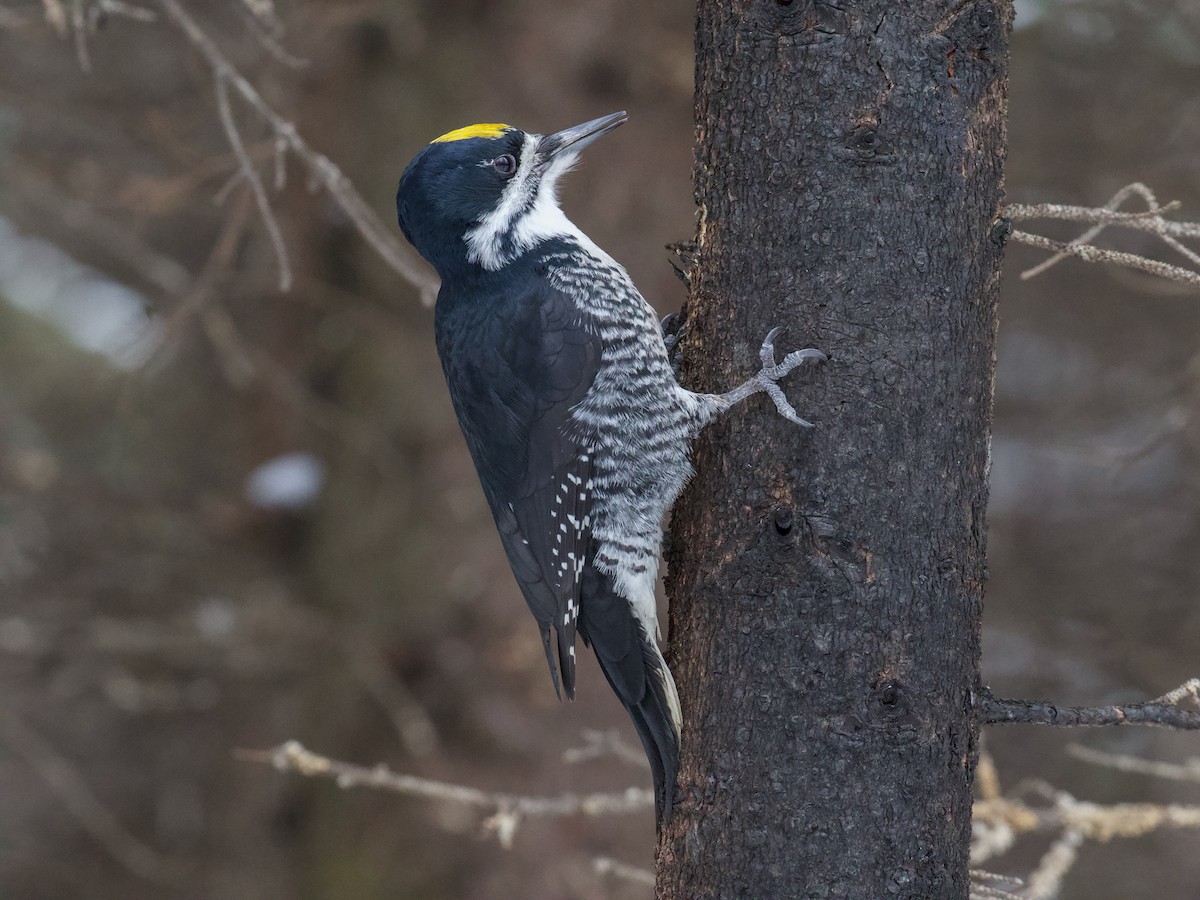
With its distinctive black and white plumage, the Black-backed Woodpecker stands out as a notable species found in coniferous forests, particularly in areas with recent burn or beetle-infested trees. Here are three key aspects of the Black-backed Woodpecker for you to consider:
- Nesting Behaviors: Black-backed Woodpeckers excavate their nest cavities in dead trees, typically choosing trees with softer wood that is easier to chisel through. They line their nests with wood chips and create a comfortable environment for their eggs and young.
- Habitat Preferences: These woodpeckers have a strong preference for burned or beetle-infested forests due to the higher abundance of their preferred food sources in these habitats. They are often found in recently disturbed areas where they can forage efficiently.
- Conservation Efforts: Conservation efforts for the Black-backed Woodpecker focus on maintaining and promoting forest disturbances like wildfires and insect outbreaks that create suitable habitat for these birds. Monitoring populations and protecting critical habitat areas are essential strategies for ensuring the survival of this species in the long term.
9. Ladder-backed Woodpecker
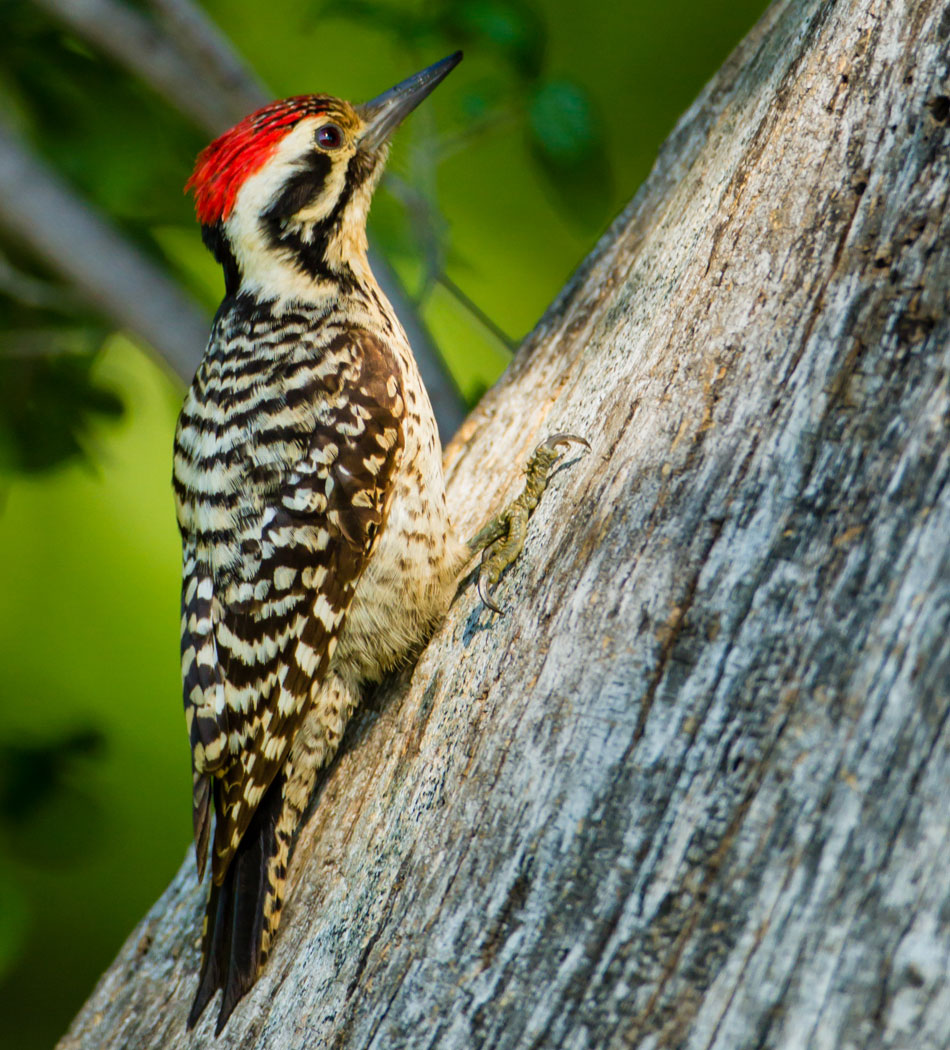
Often found in arid and semi-arid regions of California, the Ladder-backed Woodpecker showcases a distinctive black and white ladder-like pattern on its back. This woodpecker species exhibits specific habitat preferences, favoring desert environments with mesquite and cactus. Their smaller size, typically measuring around 6-7 inches in length, allows them to navigate these arid landscapes with ease.
When it comes to feeding behavior, Ladder-backed Woodpeckers are skilled climbers, using their sharp beaks to peck and probe into tree bark for insects. Their foraging techniques are adapted to extract insects hidden within the bark of trees, a behavior that showcases their efficiency in locating food sources in their preferred desert habitats.
In terms of nesting habits, Ladder-backed Woodpeckers typically excavate cavities in saguaro cacti or mesquite trees to create their nests. These nesting sites provide the woodpeckers with shelter and protection as they raise their young in the arid surroundings of California.
10. Red-breasted Sapsucker
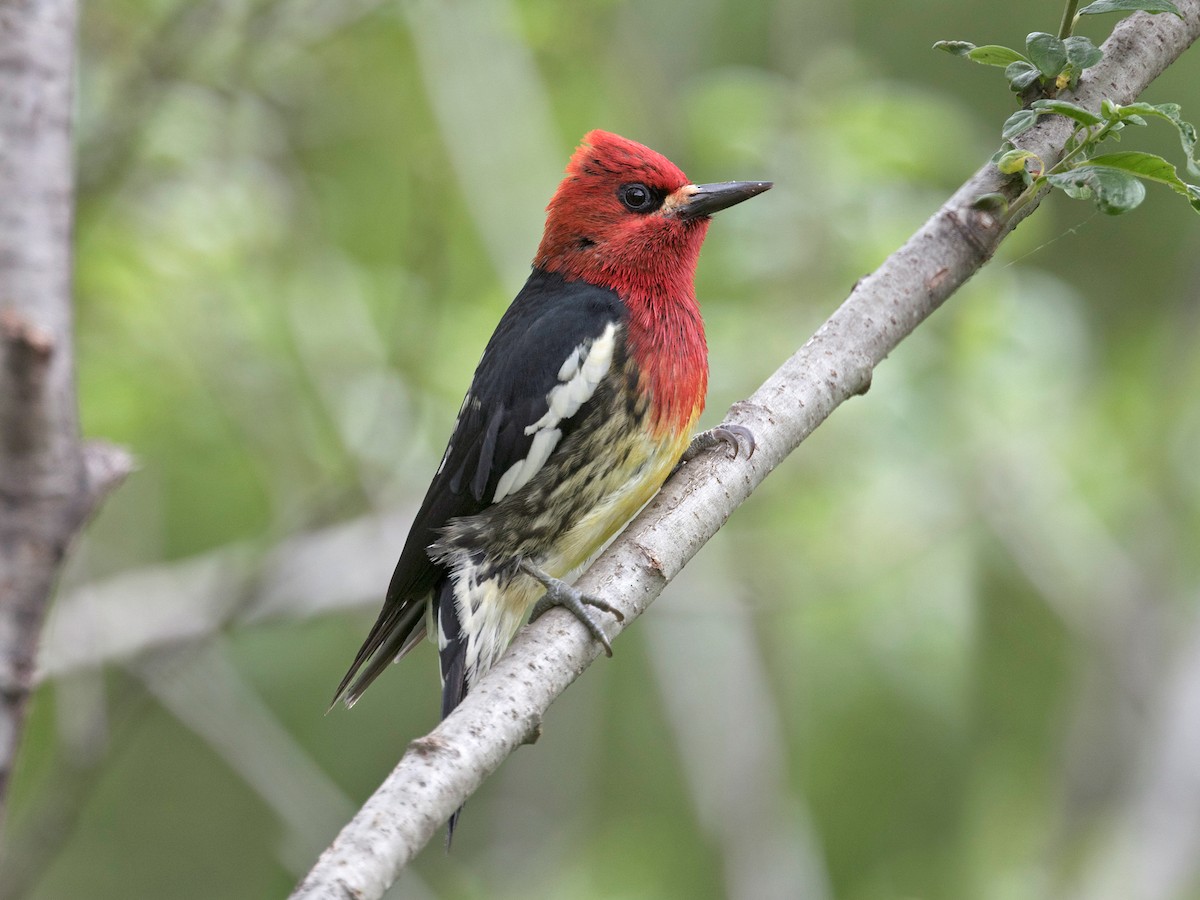
Inhabiting coniferous forests and mixed woodlands across California, the Red-breasted Sapsucker is a medium-sized woodpecker distinguished by its vibrant red head and breast. Here are some fascinating aspects of the Red-breasted Sapsucker:
- Sap Well Creation, Feeding Behavior: Red-breasted Sapsuckers have a unique feeding behavior where they create small, shallow holes called sap wells on tree trunks. These wells allow sap to flow out, which the woodpeckers then consume along with any insects attracted to it.
- Range Map Distribution, Habitat Preferences: The range map of the Red-breasted Sapsucker showcases their presence in various parts of California, including coastal areas and mountain regions. They prefer habitats with coniferous trees and mixed woodlands where they can find suitable trees for sap well creation.
- Vocalizations, Communication Methods: These woodpeckers possess a distinctive call that resembles a high-pitched mewing or whining noise. They use these vocalizations not only for communication within their species but also to establish territories and attract mates.
11. Acorn Woodpecker
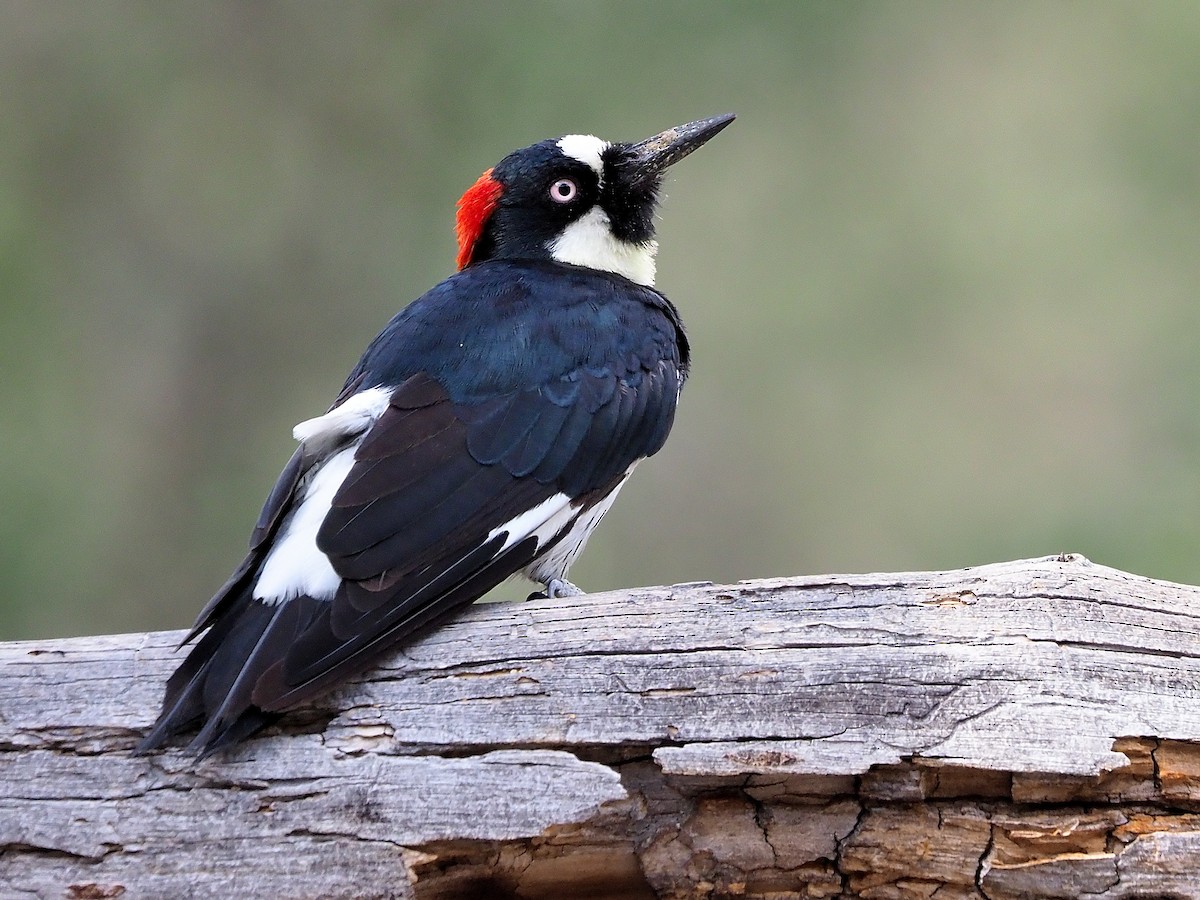
The Acorn Woodpecker’s presence is closely tied to the diversity of oak species within its habitat. These woodpeckers are known for their unique nesting habits, creating communal granaries where they store acorns in specially designed holes in trees. This behavior is essential for their survival during times of food scarcity. When it comes to foraging behavior, Acorn Woodpeckers have a varied diet that includes insects, fruits, and nuts, with a particular focus on acorns. Their social dynamics are fascinating, as they live in complex family groups with a strict hierarchy. These groups work together to defend territories and resources, displaying cooperative breeding behaviors. Here is a closer look at the nesting habits, foraging behavior, and social dynamics of the Acorn Woodpecker:
| Nesting Habits | Foraging Behavior | Social Dynamics |
|---|---|---|
| Communal granaries | Varied diet | Complex family groups |
| Specialized holes | Focus on acorns | Hierarchy within groups |
| Essential for food storage | Insects, fruits, nuts | Cooperative breeding behaviors |
12. White-headed Woodpecker
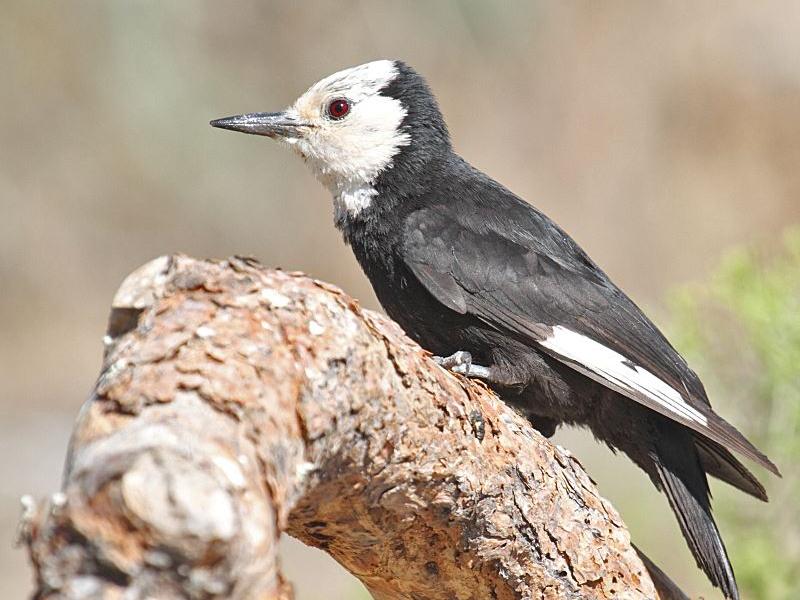
White-headed Woodpeckers, medium-sized woodpeckers with distinctive black and white markings, are commonly found in pine forests across the western United States, including California. Here are some key points about these fascinating woodpeckers:
- Conservation Efforts
White-headed Woodpeckers are considered a species of conservation concern due to habitat loss and fragmentation. Efforts such as forest management practices that maintain suitable pine forest habitats are crucial for their conservation.
- Habitat Preferences
These woodpeckers have a strong preference for mature pine forests with open canopies where they can find an abundance of pine cones and insects. Snags (standing dead trees) are essential for their foraging and nesting behaviors.
- Breeding Behavior
White-headed Woodpeckers are known for their unique breeding behavior, including excavating cavities in dead trees for nesting. They typically lay 4-5 eggs, and both parents share the responsibilities of incubating the eggs and feeding the young.
13. Gilded Flicker

Found in California, the Gilded Flicker, a subspecies of the Northern Flicker, displays a distinctive yellow or golden coloration on its undersides and underwings. These woodpeckers exhibit unique physical characteristics such as a barred black back, a spotted breast, and a red crescent on the nape. Their breeding habits involve excavating cavities in saguaro cacti or tall trees, where they lay their eggs. Gilded Flickers prefer habitats such as desert regions and open woodlands, where they can find suitable nesting sites and forage for insects, fruits, and seeds. Their drumming sounds, a series of rapid and rhythmic knocks, are prominent during the mating season, serving as a means of communication and territorial display. Observing these woodpeckers in their natural habitat reveals a fascinating blend of coloration, behavior, and ecological adaptation that contributes to the biodiversity of California’s avifauna.
14. Gila Woodpecker

With a medium size ranging from 8.3 to 11.0 inches, the Gila Woodpecker showcases distinctive features including a black and white barred back, a red cap on its head, and a pale yellow belly. Here are some key aspects of the Gila Woodpecker:
- Nesting Habits: Gila Woodpeckers excavate their nests in saguaro cacti, mesquite trees, or even human-made structures like telephone poles. These nests provide protection from predators and harsh weather conditions.
- Vocalizations: Gila Woodpeckers are known for their various vocalizations, including calls that are used for attracting mates, defending territories, and communicating with their young. Their calls range from loud, rhythmic drumming to softer, more melodic tones.
- Range Expansion: While traditionally found in the southwestern United States, Gila Woodpeckers have been observed expanding their range northward into new territories. This expansion could be attributed to changing environmental conditions or adaptations to human-altered landscapes.
15. Nuttalls Woodpecker
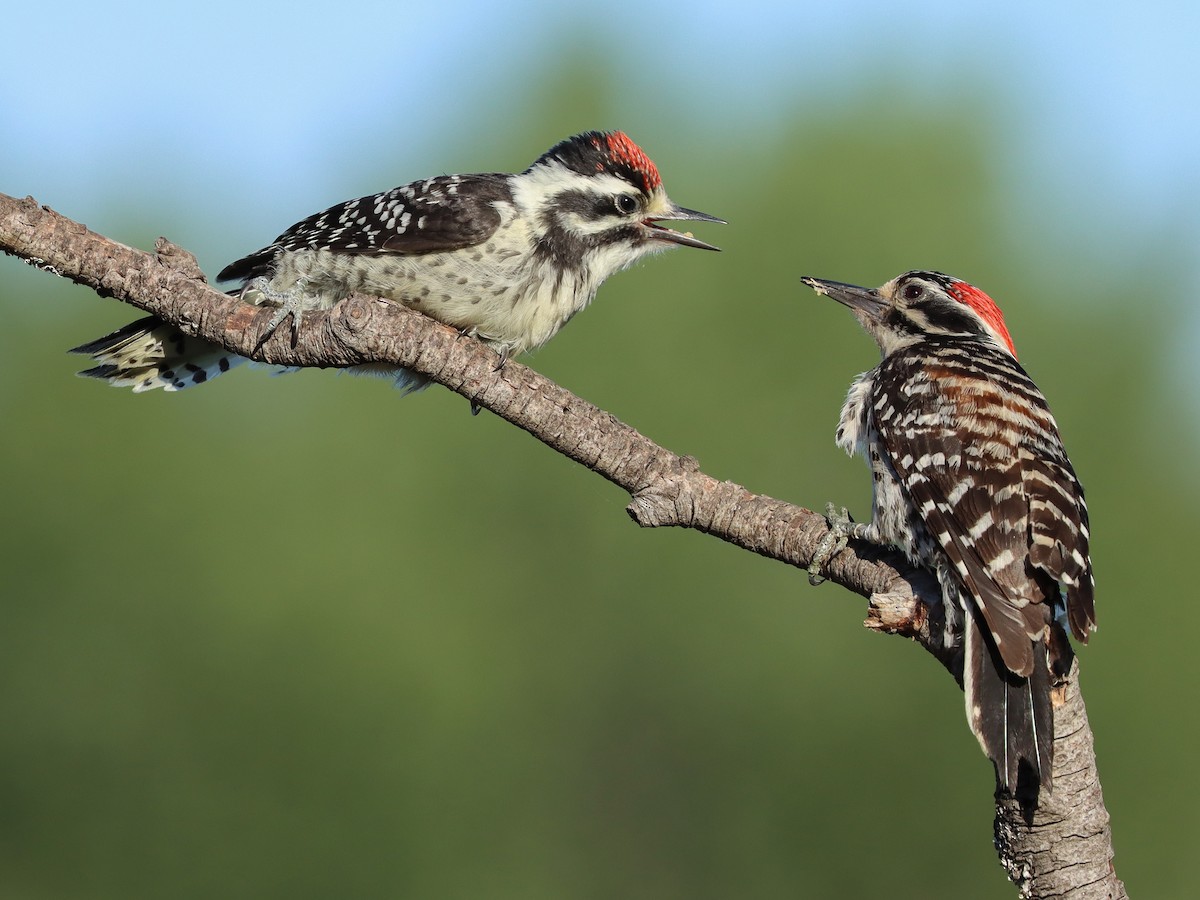
A common woodpecker species found in various locations in Southern California, Nuttall’s Woodpecker displays distinctive features and plays a significant role in the local ecosystem. These birds are known for their distinct drumming sounds, mainly utilized for communicating with other woodpeckers and establishing territories. Nuttall’s Woodpeckers prefer habitats consisting of oak woodlands, chaparral, and riparian areas. Their conservation is essential due to habitat loss caused by urbanization and deforestation. Efforts to protect Nuttall’s Woodpeckers include preserving and restoring their natural habitats, promoting awareness among the local community about the significance of these birds, and monitoring their populations to ensure their long-term survival. By engaging in these conservation practices, individuals can contribute to safeguarding the population of Nuttall’s Woodpeckers in Southern California. The distinctive behaviors, habitat preferences, and conservation efforts surrounding Nuttall’s Woodpeckers underscore the importance of preserving these iconic woodpeckers in the region.