

Hummingbirds do indeed return to the same place every year. They possess exceptional memory, allowing them to remember specific locations for nesting and feeding. This behavior, known as site fidelity, is common in species like Ruby-throated, Rufous, and Allens hummingbirds. By returning to familiar sites, they save energy and capitalize on known food sources and habitat conditions. This consistent pattern of return is crucial for their breeding success and overall reproductive fitness. Their ability to navigate and establish territories through this return showcases the importance of familiar surroundings. These fascinating behaviors ensure their survival and success.
Reasons for Hummingbird Return

Hummingbirds return to the same place every year primarily due to their exceptional memory of food sources and nesting sites. This behavior, known as site fidelity, is particularly strong in species such as the Ruby-throated hummingbird, Rufous hummingbird, and Allens hummingbird. These tiny creatures are able to remember specific locations and often revisit yards and feeders where they had successful foraging experiences in the past. Interestingly, some individual hummingbirds demonstrate an even more remarkable feat by returning annually to the very place where they hatched. This highlights their spatial memory skills, indicating a deep-rooted connection to their birthplace. Young hummingbirds, in particular, exhibit this behavior by returning to the area where they were raised, showcasing their ability to navigate and remember familiar surroundings. Overall, the remarkable memory capabilities of hummingbirds play a crucial role in their annual return to specific locations, ensuring their survival and reproductive success.
Benefits of Familiar Nesting Sites
Returning to familiar nesting sites offers hummingbirds significant advantages in terms of efficiency, security, and reproductive success. Familiarity with nesting sites reduces the time and energy needed to search for suitable locations. It also provides a sense of security, lowering stress levels during the breeding season. By returning to the same place yearly, hummingbirds can take advantage of known food sources and optimal habitat conditions. Research indicates that hummingbirds exhibit site fidelity, often revisiting the same nesting sites for multiple years. This behavior can lead to increased breeding success and overall reproductive fitness for hummingbird populations.
- Reducing time and energy needed for location search
- Providing a sense of security and lowering stress levels
- Capitalizing on known food sources and optimal habitat conditions
- Demonstrating site fidelity by revisiting nesting sites
- Increasing breeding success and reproductive fitness
Navigation and Feeding Advantages
Due to their exceptional memory of food sources and nesting sites, hummingbirds exhibit remarkable navigation and feeding advantages when returning to familiar territories annually. Their ability to remember specific locations, such as feeders or flowers where they found food in the past, plays a crucial role in their migration patterns. Young hummingbirds, often returning to where they were hatched, contribute to this behavior by revisiting the same areas each year. Research indicates that banding studies confirm their tendency to follow familiar migration routes and return to stopover points on similar dates annually. This strong spatial memory enables hummingbirds to navigate back to locations with abundant nectar sources, ensuring their return to familiar territories.
| Advantages of Hummingbirds’ Navigation and Feeding | |
|---|---|
| 1. Spatial Memory | Enhances ability to locate food sources |
| 2. Migration Patterns | Follow familiar routes annually |
| 3. Return to Nesting Sites | Young birds revisit hatching locations |
| 4. Consistent Stopover Points | Return to same locations each year |
| 5. Efficient Feeding Behavior | Remember specific feeder locations |

Territory Establishment Through Return
Establishing territories through repeated returns to familiar areas is a key behavior observed in hummingbirds. This behavior is crucial for their survival and reproductive success. Here are some key points to understand how hummingbirds establish territories through return:
- Site Fidelity: Hummingbirds exhibit a strong sense of site fidelity, returning to the same location annually for nesting and feeding.
- Male Territory Claim: Male hummingbirds typically return first to claim and defend their territory before females and juveniles arrive.
- Juvenile Instinct: Juveniles also show a strong instinct for familiar surroundings, often returning to the same area where they were hatched.
- Consistent Return: Banding research has confirmed the consistent return of hummingbirds to specific locations, highlighting their attachment to familiar sites.
- Importance of Familiar Surroundings: Familiarity with good food sources and nesting sites plays a significant role in hummingbirds’ decision to return to the same place each year.
Understanding these aspects of territory establishment sheds light on the intricate behaviors of hummingbirds in maintaining their habitats.
Passing Knowledge to Offspring
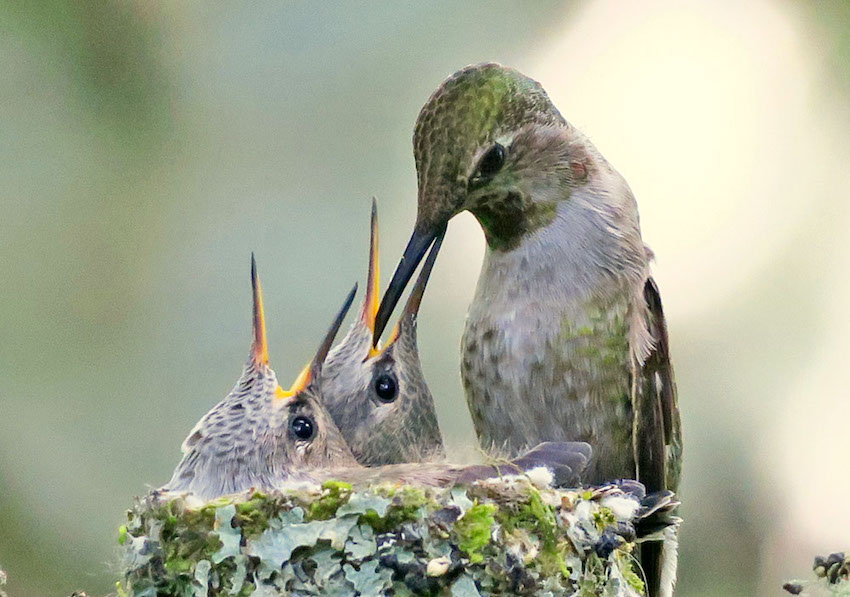
Through the transmission of migration routes and feeding locations, hummingbirds pass crucial knowledge to their offspring, ensuring a continuation of specific habitat use patterns. This passing of knowledge is vital for the young hummingbirds to navigate their environment effectively and return to familiar territories each year. Banding studies have shown that hummingbirds exhibit a remarkable memory for the specific locations where they were hatched, guiding them back to these areas. The young birds learn feeding spots and migration routes from observing their parents, establishing a sense of site fidelity. Research indicates that certain hummingbird species display a strong inclination towards returning to the same location annually, indicating a learned behavior rather than random chance. By passing down the instinct to return to the same place each year, hummingbirds guarantee the perpetuation of their habitat use traditions from one generation to the next, ensuring the continuity of their species in specific areas.
Sense of Safety and Security
For hummingbirds, returning to the same place every year provides a sense of safety and security essential for their breeding success and survival. This behavior is crucial for their survival and reproductive efforts. Here are some key points to consider:
- Site Fidelity: Research indicates that many hummingbirds exhibit site fidelity, returning to familiar locations year after year.
- Abundant Resources: Factors such as abundant food sources in familiar territories contribute to hummingbirds’ decision to return to the same place.
- Spatial Memory: Hummingbirds possess strong spatial memory, allowing them to navigate back to previous nesting sites with precision.
- Maximizing Breeding Success: By returning to known locations, hummingbirds can maximize their breeding success by selecting optimal nesting sites.
- Survival Advantage: The familiarity and safety of returning to the same place every year provide hummingbirds with a survival advantage, ensuring they can thrive in their environment.