

Explore Texas’ 14 woodpecker species, from the striking Red-headed with bright red head and white breast to the elusive Lewiss with dark red-purple face. Each woodpecker thrives in specific habitats and showcases unique behaviors like the Acorn’s acorn-storing obsession. Conservation status varies, with some species facing declining populations due to habitat loss. Witness the Pileated, the largest with a 29-inch wingspan, or the tiny Downy at about 6.75 inches long. Discover their intricate world and magnificent presence in Texas.
1. Red-headed Woodpecker
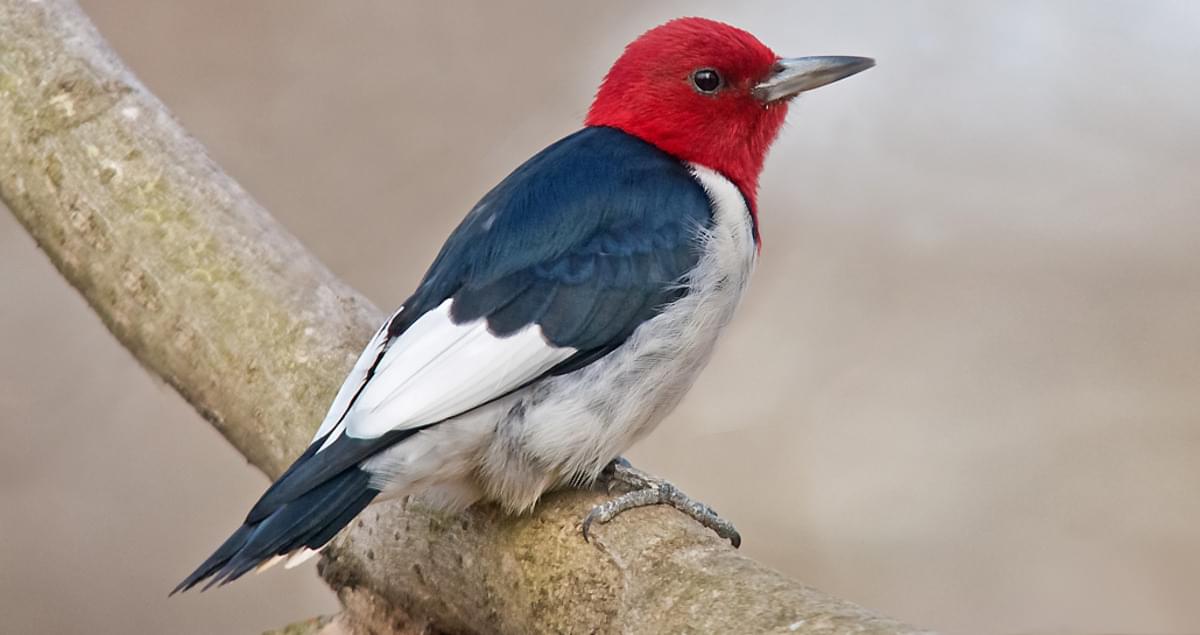
The Red-headed Woodpecker, easily identified by its solid bright red head and white breast and belly, is a striking bird species known for its aggressive nest defense behaviors. These woodpeckers exhibit a unique combination of colors, with their vibrant red heads contrasting sharply against their pristine white underparts. Their nesting habits are marked by territoriality and fierceness when protecting their young against potential threats.
Unfortunately, the Red-headed Woodpecker population has experienced a significant decline across the United States and specifically in Texas since 1966. One of the primary reasons for this decline is the loss of suitable nesting habitat. These birds prefer older trees in open stands, which are becoming increasingly scarce due to deforestation and urban development. As a result, the Red-headed Woodpecker faces challenges in finding appropriate locations to build nests and raise their offspring, contributing to their diminishing numbers in the wild. Efforts to conserve and restore their preferred habitats are crucial for the preservation of this iconic woodpecker species.
2. Pileated Woodpecker

With a wingspan measuring 29 inches, the Pileated Woodpecker is the largest woodpecker species found in Texas. These striking birds boast a vibrant red crest, a distinct white line on their necks, and predominantly black plumage accented by white underwings. Pileated Woodpeckers thrive in mature Texas forests rich in large trees, which provide ideal nesting and foraging grounds. While they are rare in urban areas, these woodpeckers can be spotted in forests with abundant dead trees and snags, where they contribute significantly to forest ecosystems. Their unmistakable drumming sound echoes through the trees as they excavate cavities, creating homes for themselves and benefiting a multitude of other wildlife species. Observing Pileated Woodpeckers in their natural habitat offers a glimpse into the intricate balance they uphold within the Texas forest ecosystems.
3. Downy Woodpecker

How does the Downy Woodpecker’s size compare to that of the Pileated Woodpecker in Texas? The Downy Woodpecker is significantly smaller than the Pileated Woodpecker, measuring about 6.75 inches in length with a wingspan of 12 inches. This woodpecker species showcases a striking black and white plumage, with males flaunting a small red patch on their heads. Preferring wooded habitats, the Downy Woodpecker thrives in various environments across Texas, from forests to urban areas. You can easily spot these woodpeckers drumming on trees as they search for insects. Their rhythmic drumming sounds serve both a territorial and a courtship purpose. Despite their small size, Downy Woodpeckers are resilient and adaptable birds, making them a common sight for birdwatchers and nature enthusiasts in the Lone Star State.
4. Northern Flicker
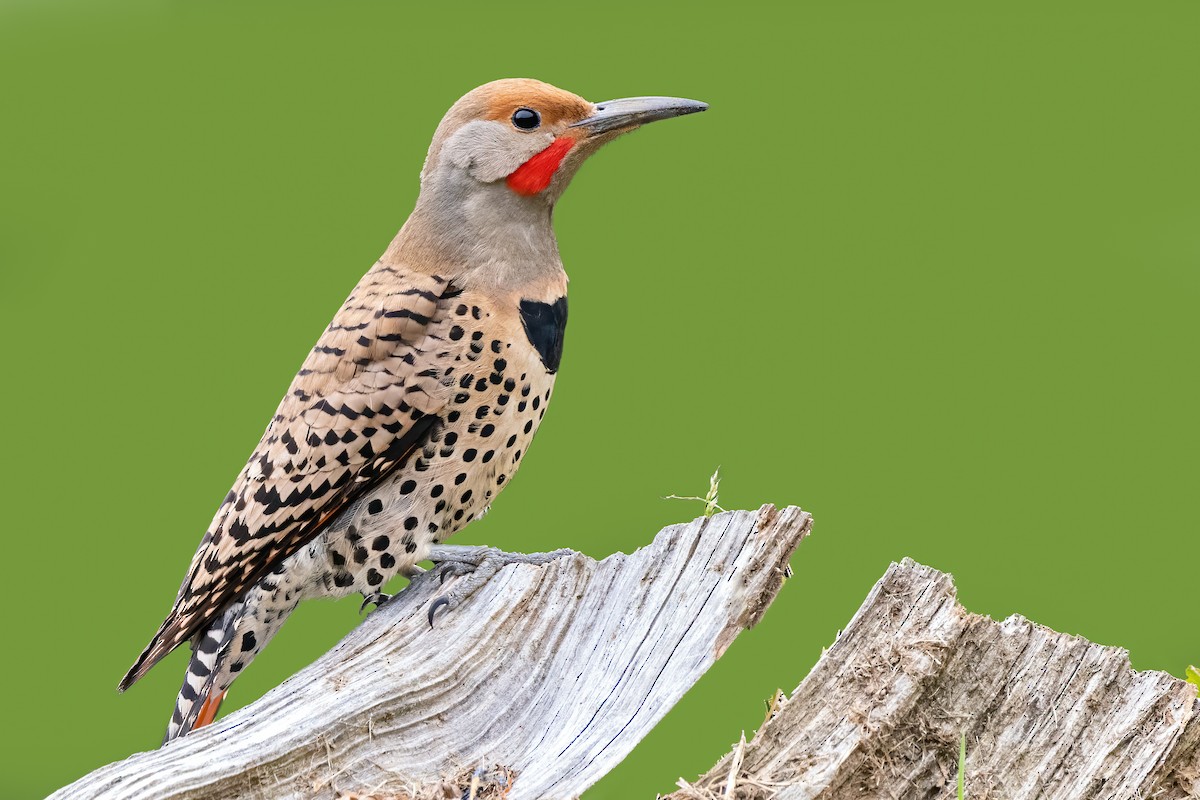
Comparing the Downy Woodpecker’s smaller size to the Pileated Woodpecker in Texas, the Northern Flicker stands out as a large woodpecker species with a distinctive appearance and foraging behavior. The Northern Flicker showcases a striking gray head and a pink-brown face, setting it apart from other woodpeckers in the region. This impressive bird is commonly observed foraging on the ground for insects, particularly ants, utilizing its specialized beak to probe and extract prey from the soil. Its preferred habitat includes open woodlands and forest edges, making northern Texas an ideal location for spotting these magnificent birds.
One of the unique characteristics of the Northern Flicker is its distinctive flight pattern, which includes a conspicuous white rump patch that is easily noticeable in the air. Additionally, these woodpeckers are known for their rhythmic drumming on trees, a behavior used to communicate with other flickers and establish their territory within the habitat. The Northern Flicker’s size, coloring, and foraging habits make it a remarkable addition to the diverse woodpecker population in Texas.
5. Golden-fronted Woodpecker
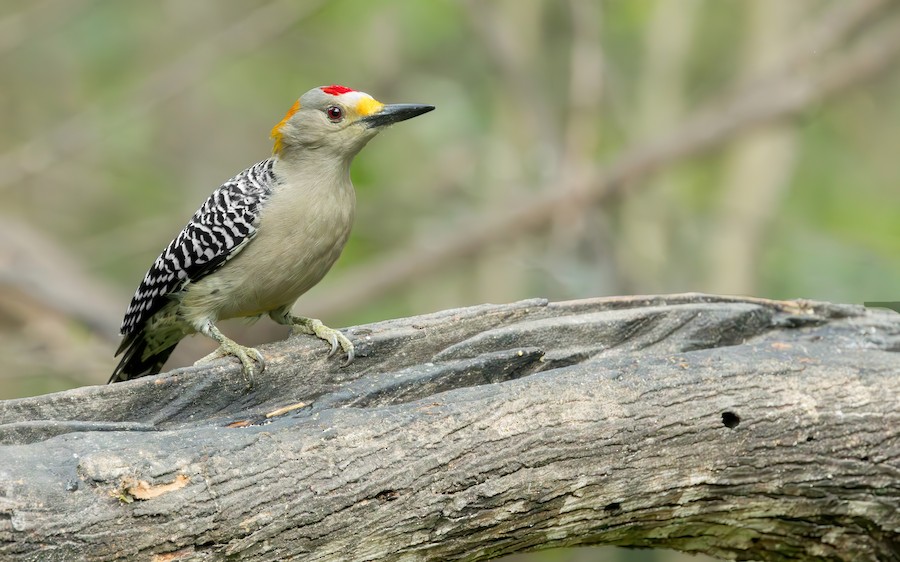
The Golden-fronted Woodpecker, a prominent species in Texas, is easily recognized by the distinctive yellow-orange patch on the back of its neck. This woodpecker species, prevalent in western Texas, boasts a striking appearance with males sporting a red patch atop their heads. The golden-fronted woodpecker’s unique markings make it a standout bird in the region, catching the eye of birdwatchers and nature enthusiasts alike.
These woodpeckers are known to frequent suet feeders, attracted by the high-energy food source they provide. Their distinctive appearance, coupled with their preference for suet feeders, makes them a delightful sight for bird lovers in Texas. Keep an eye out for these colorful woodpeckers in the western parts of the state, where they are most commonly found.
6. Red-bellied Woodpecker
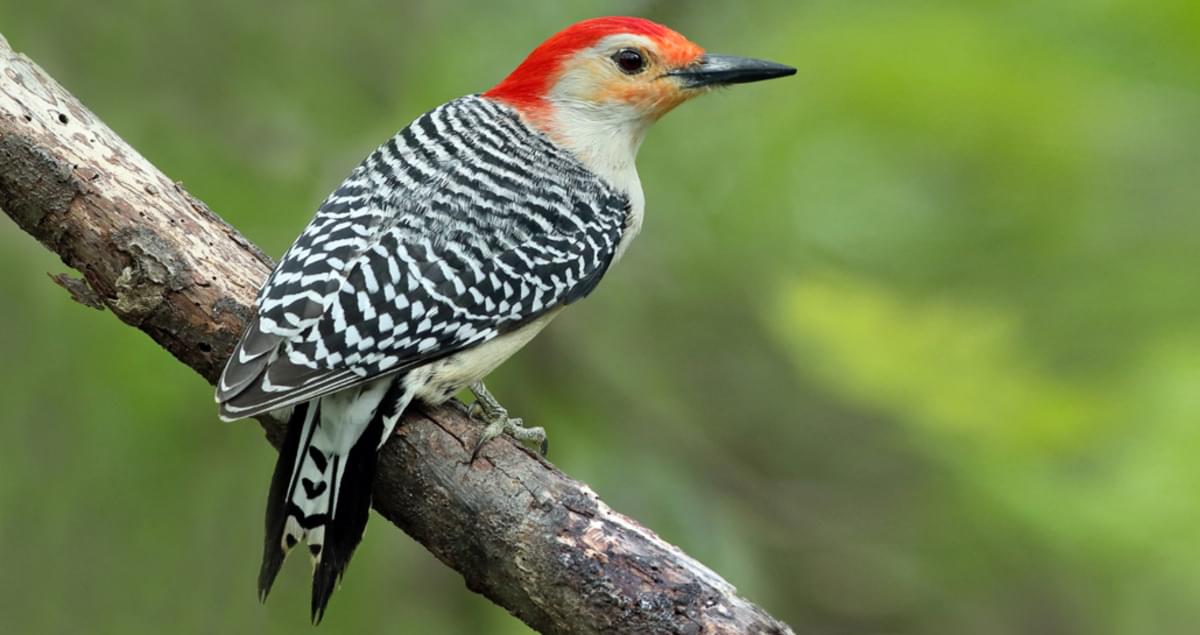
The Red-bellied Woodpecker, commonly found in eastern Texas, displays solid red on the back of its neck and a distinctive red crown on males. This woodpecker species can often be spotted in wooded areas near water sources, where they forage for insects and nuts. Here are some interesting facts about Red-bellied Woodpeckers:
- Distinctive Features: Males showcase a vibrant red crown, while both males and females have solid red on the back of their necks.
- Camouflage Adaptation: Their zebra-like black and white barring on the back and wings aids in blending seamlessly into wooded environments.
- Backyard Visitors: Red-bellied Woodpeckers are known to frequent backyard bird feeders, especially those offering suet, making them a delight to observe up close.
These vocal and visually striking birds bring a touch of color and activity to backyard habitats, adding to the natural beauty of the Texas landscape.
7. Acorn Woodpecker

With their clownish facial markings and unique acorn-caching behavior, Acorn Woodpeckers stand out as distinctive bird species inhabiting far west Texas. These social birds are easily recognizable by their black, white, and pale yellow plumage, creating a striking appearance. One of the most fascinating behaviors of Acorn Woodpeckers is their obsession with storing acorns in granary trees. This behavior involves drilling holes in tree bark and filling them with acorns, creating a communal food storage system for the group.
| Acorn Woodpeckers | |
|---|---|
| *Color* | Black, white, pale yellow |
| *Habitat* | Far west Texas |
| *Behavior* | Caching acorns in granary trees |
| *Social Structure* | Live in groups, vocalize with each other |
Their unique appearance and intriguing habits make them a fascinating species to observe in the wild. Acorn Woodpeckers’ distinctive features and behaviors set them apart from other woodpecker species, adding to the rich biodiversity of Texas.
8. Ladder-backed Woodpecker

Characterized by a distinctive zebra pattern on its back and wings, the Ladder-backed Woodpecker is a prominent woodpecker species in Texas. These woodpeckers are commonly found in the arid zones of the western two-thirds of Texas. Here are some interesting facts about the Ladder-backed Woodpecker:
- Distinctive Appearance: The zebra-like pattern on their back and wings sets them apart from other woodpecker species.
- Acrobatic Foraging: These agile birds are known for their acrobatic foraging behavior on trees, skillfully maneuvering to find insects hidden in the bark.
- Habitat Preference: Ladder-backed Woodpeckers are often heard in the quiet arid zones of Texas, where their distinct call echoes through the landscape.
Observing a Ladder-backed Woodpecker in its natural habitat can be a rewarding experience, especially in the unique arid regions of Texas where these birds thrive.
9. Hairy Woodpecker

In contrast to the Ladder-backed Woodpecker’s zebra-like pattern, the Hairy Woodpecker in Texas features a distinctive white vertical patch on its back. This small to medium-sized woodpecker, commonly found in far eastern Texas, prefers wooded habitats with mature trees. The Hairy Woodpecker, with its black and white plumage and unique markings, stands out in the lush greenery of its range. One key feature that helps in distinguishing the Hairy Woodpecker from its similar-looking counterpart, the Downy Woodpecker, is its longer and heavier bill.
To further understand the distinguishing features of the Hairy Woodpecker, let’s take a closer look at the comparison table below:
| Feature | Hairy Woodpecker |
|---|---|
| Size | Small to medium |
| Plumage | Black and white |
| White patch | Vertical on back |
| Bill | Longer and heavier |
| Preferred habitat | Wooded areas |
10. Yellow-bellied Sapsucker

The Yellow-bellied Sapsucker, a medium-sized woodpecker with distinctive black and white plumage, is known for its unique feeding habits and migratory patterns. These woodpeckers have a striking appearance, with males boasting a red crown and throat that complement their yellow bellies. Here are some fascinating facts about the Yellow-bellied Sapsucker:
- Yellow-bellied Sapsuckers are migratory birds, breeding in northern forests and migrating to the southern United States for winter.
- They create sap wells in trees by drilling small holes in the bark, allowing sap to flow out. These wells attract insects that the sapsuckers feed on.
- Known for their drumming sounds, Yellow-bellied Sapsuckers use this rhythmic tapping on resonant surfaces to communicate and establish territories in wooded areas with a mix of deciduous and coniferous trees.
Observing a Yellow-bellied Sapsucker in action can provide insight into the fascinating behavior of these woodpeckers and their vital role within their ecosystems.
11. Red-cockaded Woodpecker
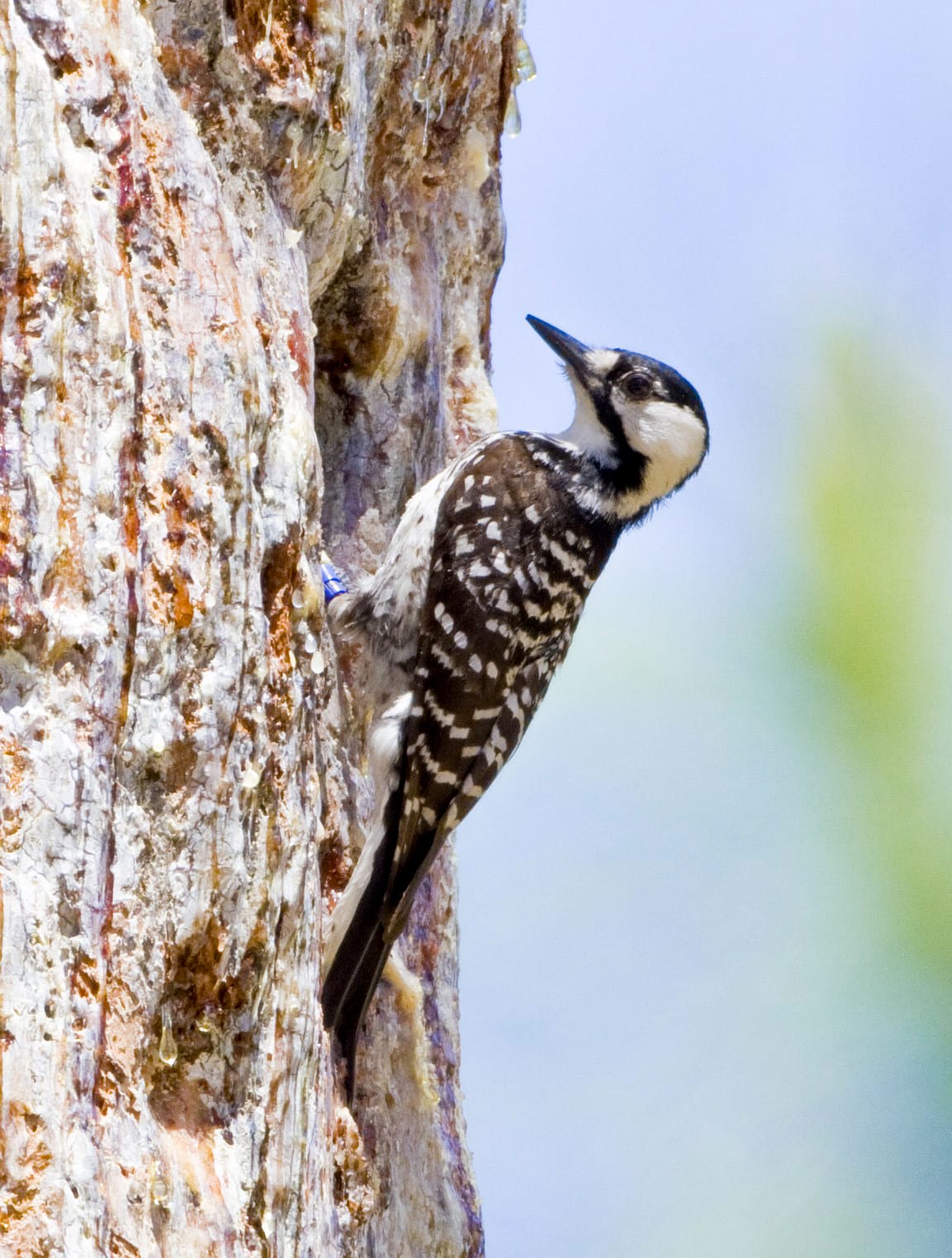
Endemic to southeast Texas, the Red-cockaded Woodpecker is a species known for its unique cooperative breeding behavior and specific habitat requirements. This endangered woodpecker species can be identified by its solid white cheek and black and white plumage. Red-cockaded Woodpeckers are mainly found in mature Longleaf Pine savannas, where they rely on old-growth pine forests for nesting and foraging. One of the most fascinating aspects of their behavior is their cooperative breeding system, where groups of birds work together to raise offspring, enhancing their chances of survival.
To highlight the key characteristics of the Red-cockaded Woodpecker, the table below provides a summary:
| Characteristic | Description |
|---|---|
| Plumage | Black and white coloration |
| Cheek Color | Solid white cheek |
| Habitat | Mature Longleaf Pine savannas |
| Breeding System | Unique cooperative breeding behavior |
| Conservation Status | Endangered species due to habitat loss and population decline |
Conservation efforts are crucial in protecting and restoring the habitat of these remarkable woodpeckers to ensure their survival in the face of ongoing threats.
12. Red-naped Sapsucker

A medium-sized woodpecker species known for its distinctive red patch on the nape of its neck is the Red-naped Sapsucker found in western North America. This bird, with its striking black and white plumage, is a fascinating sight to behold in the woodlands of Texas.
- Red-naped Sapsuckers are skilled at creating shallow holes in trees to feed on sap and insects, a behavior that sets them apart from other woodpecker species.
- Their breeding range encompasses parts of the western United States, including the diverse landscapes of Texas, where they find suitable habitats for nesting and foraging.
- These woodpeckers display a preference for coniferous forests and mixed woodlands, where they can thrive and fulfill their ecological roles as important members of the avian community.
Observing the Red-naped Sapsucker in the wild can provide a unique glimpse into the world of woodpeckers and their specialized behaviors in the diverse ecosystem of Texas.
13. Lewiss Woodpecker
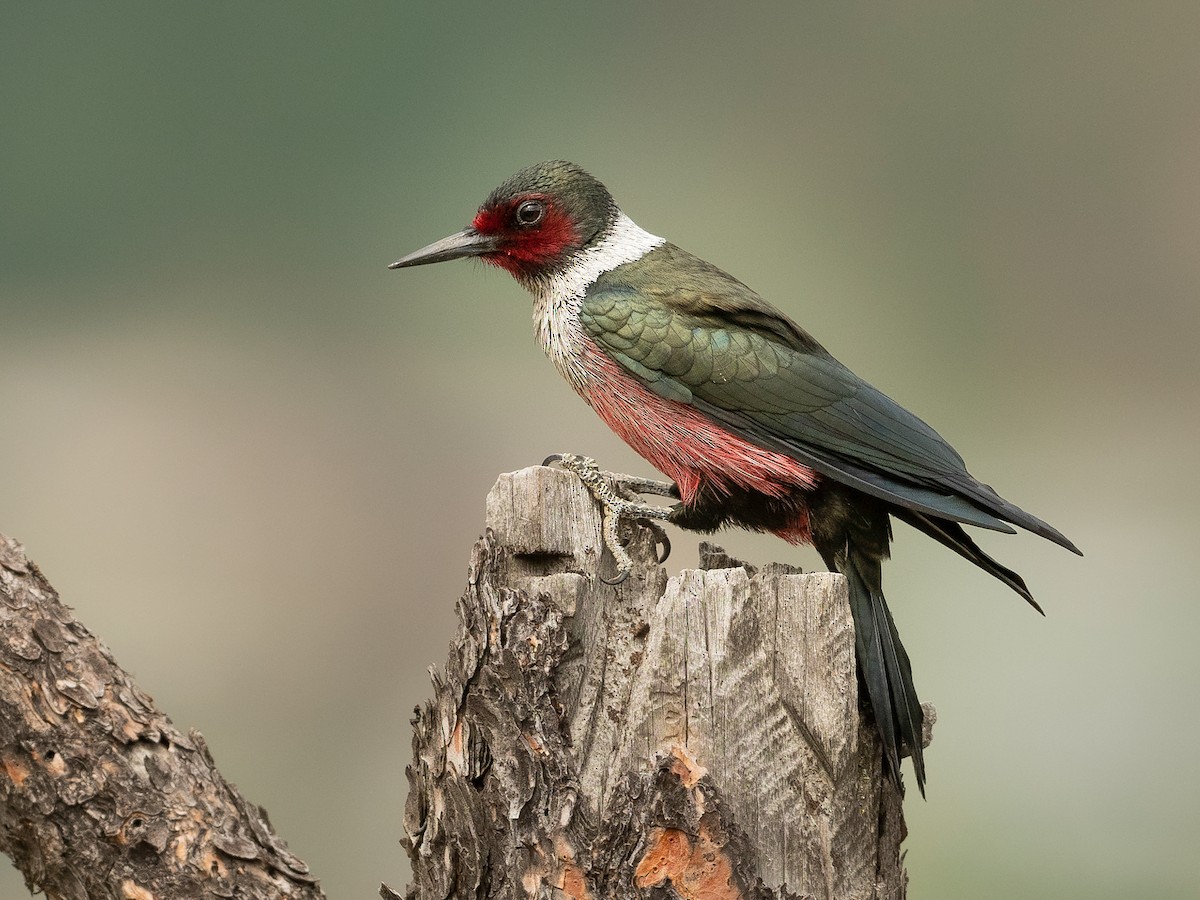
Thriving in the large mountain ranges of the western U.S., Lewiss Woodpecker features a distinct dark red-purple face and dark green back. This woodpecker stands out with its unique habitat preferences, occasionally gracing Texas with its rare sightings. When fortunate enough to spot a Lewiss Woodpecker in Texas, birdwatchers are treated to a special sight, as this species is not commonly seen in the state. Its dark red-purple face and dark green back make it easily distinguishable from other woodpeckers in the region.
Lewiss Woodpeckers are known for their preference for open pine forests and oak woodlands, where they can find suitable nesting sites and forage for insects. While they may not be a permanent resident of Texas, their occasional visits add to the state’s diverse bird population. Keep an eye out for these striking woodpeckers during migration seasons, as catching a glimpse of a Lewiss Woodpecker can be a rewarding experience for bird enthusiasts looking to expand their avian sightings repertoire.
14. Williamsons Sapsucker

Williamsons Sapsucker, a striking woodpecker species measuring 9 inches in length with a wingspan of 17 inches, displays distinctive black and white barring on its back and wings. This unique coloration sets it apart from other woodpeckers found in wooded habitats across Texas. Here are some key points about the Williamsons Sapsucker:
- Males sport a black body with two white facial lines, a red throat, and a yellow belly, while females exhibit a pale brownish head with white barring on the back and wings.
- This woodpecker’s preference for wooded environments offers birdwatchers a chance to spot its vibrant markings in specific regions of Texas.
- While not as common as some other woodpecker species in the state, the presence of the Williamsons Sapsucker adds to the diverse array of woodpeckers that call Texas home, making it a prized sighting for bird enthusiasts.