

To attract deer without baiting, consider setting up mineral stumps, mast trees, and food plots to provide natural nutrition. Establish mock scrapes and utilize scents strategically to draw deer ethically. Create a habitat that mimics a deer-friendly environment with dense vegetation and natural scrapes, enhancing the natural appeal. Implement rubbing posts in key areas frequented by deer to encourage territorial marking. By incorporating these habitat enhancements and attraction techniques, you can ethically and effectively attract deer without relying on baiting practices. A variety of methods are available to enhance your deer attraction efforts.
Mineral Stumps

Mineral stumps offer deer a highly nutritious and safe food source, attracting them with rich nutrients and protected sprouts. These sprouts, shielded from contaminated soil, provide a healthy and enticing option for deer seeking sustenance. The root system of mineral stumps contains a wealth of essential nutrients that deer find irresistible, drawing them to these specific locations. By setting up mineral stumps in strategic areas, you can effectively lure deer, creating opportunities for observation and photography.
Moreover, mineral stumps present a lower risk of prion contamination compared to alternative attractants like bait piles, making them a more ethically sound choice for conservationists and wildlife enthusiasts. Providing deer with a reliable source of nutritious food without compromising their health or introducing harmful elements into their diet is a responsible and sustainable way to interact with wildlife. Mineral stumps not only benefit deer but also offer a unique insight into their dietary preferences and behaviors, making them a valuable addition to any wildlife management strategy.
Mast Trees

Mast trees, such as oak and beech, attract deer with their highly nutritious acorns and nuts, serving as preferred feeding areas for these animals. These trees produce acorns with a high fat content, making them a valuable food source for deer seeking energy, especially during the fall when acorns are abundant. The nutritional value of acorns and nuts from mast trees plays a crucial role in attracting deer to specific areas, including mature bucks known to frequent these feeding sites. By planting or locating mast trees on your property, you can enhance deer attraction and provide a natural food source for the local deer population.
| Benefits of Mast Trees for Attracting Deer |
|---|
| Highly Nutritious Acorns and Nuts |
| Preferred Feeding Areas for Deer |
| High Fat Content for Energy |
| Attraction of Mature Bucks |
| Natural Food Source for Deer Population |
Food Plots

Strategically planting food plots on your property can effectively attract deer without resorting to baiting practices. When considering food plots to enhance deer movement, keep in mind the following:
- Legal Alternative: Food plots serve as legal alternatives to baiting, allowing you to attract deer within the regulations.
- Increased Deer Activity: Strategic planting of food plots can significantly increase deer activity on your property, providing ample viewing opportunities.
- Enhanced Daylight Movement: Properly placing food plots near bedding areas can enhance daylight deer movement, increasing your chances of spotting them during the day.
- Funneling Deer: Food plots come in various shapes and sizes, offering the opportunity to funnel deer through specific areas, aiding in observation and hunting strategies.
- Insights through Monitoring: Utilizing trail cameras to monitor food plots can provide valuable insights into deer behavior, helping you adjust your strategies accordingly.
Mock Scrapes

When considering ways to enhance deer movement on your property beyond food plots, exploring the use of mock scrapes can provide valuable insights into deer behavior and aid in your hunting strategy. Mock scrapes are effective tools for inventorying bucks and monitoring deer activity without resorting to baiting. To minimize potential risks associated with natural deer urine in creating mock scrapes, using synthetic deer lures is a safer alternative. By strategically situating trail cameras near mock scrapes, you can capture high-quality photos of deer, helping you understand deer movement patterns and behavior. This ethical approach not only attracts deer but also allows for responsible surveillance of your hunting property. Below is a table summarizing the key points related to mock scrapes:
| Key Points |
|---|
| Effective deer attraction |
| Synthetic deer lures |
| Monitoring deer activity |
| Trail cameras |
| Tracking movement patterns |
Fertilized Ground

Enhancing the nutritional value of plants through fertilization can effectively attract deer to specific areas on your property. Deer are naturally drawn to areas with fertilized ground due to the increased nutritional content in plants, providing them with enhanced taste and vital nutrients. By strategically fertilizing vegetation in frequented areas, you can influence deer feeding choices and lure them to desired locations for observation or hunting purposes. This method not only benefits the deer by providing them with a richer diet but also enhances the overall plant quality, making it a win-win situation for both parties involved.
- Fertilized ground attracts deer due to increased nutritional value in plants.
- Deer are drawn to areas with fertilized vegetation for enhanced taste and nutrition.
- Using fertilizer on natural plants can influence deer feeding choices.
- Strategic fertilization in frequented areas can lure deer to desired locations.
- Enhance the quality and taste of plants by using fertilizer for deer attraction.
Calling
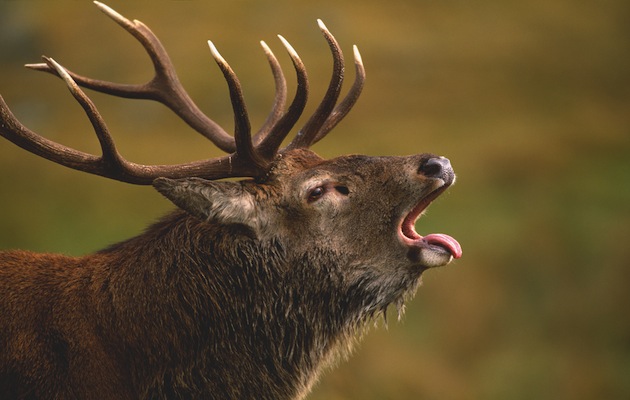
Mastering the art of deer calling demands a deep understanding of vocalizations to effectively attract whitetails. When it comes to calling, subtlety can be key. Rattling can be successful if done sparingly, varying the duration, sound, and volume to mimic natural deer interactions. Observing how deer react to your calls is crucial for fine-tuning your tactics. Adjusting the rhythm and intensity of your rattling can significantly impact the success of your deer calling endeavors.
Decoying

Properly positioning decoys is essential for effectively attracting deer without baiting, ensuring they mimic natural deer behavior. When decoying, consider the following:
- Strategic Placement: Decoys should be set up in clear view of deer travel routes, ensuring they are within shooting range.
- Realistic Posture: Ensure the decoy’s posture accurately reflects natural deer behavior to avoid spooking deer.
- Use of Scent: Implementing deer scent around the decoy can enhance its realism and attract deer from a distance.
- Avoiding Common Mistakes: Handling decoys with gloves to minimize human scent, positioning them properly, and avoiding placement in feed fields during less active times are crucial.
- Proximity to Tree Stands: Placing decoys closer to tree stands or blinds can increase the chances of luring deer within range for a shot opportunity.
When decoying, always prioritize ethical practices, respect wildlife, and adjust your tactics based on deer reactions for a successful non-baiting attraction method.
Funnels and Pinch Points

When considering non-baiting methods for attracting deer, understanding the significance of funnels and pinch points in directing deer movement is crucial. Funnels and pinch points are natural formations that channel deer into specific areas, influencing their travel patterns. By identifying and positioning yourself on the downwind sides of these features, you increase your chances of encountering deer while hunting. Deer are naturally drawn to these areas due to the cover they provide and their role in deer movement dynamics. To maximize hunting success, strategically placing stands or blinds near funnels and pinch points can improve shot opportunities and increase the likelihood of deer sightings. By leveraging these natural land features, hunters can ethically enhance their hunting experiences and increase their chances of success without relying on baiting methods. Understanding the behavior of deer in relation to funnels and pinch points is a key aspect of effective stand placement for hunting purposes.
Horizontal Rubbing Posts

Deer are naturally drawn to horizontal rubbing posts for scent marking and communication purposes. When setting up these rubbing posts, it is crucial to consider the following:
- Proper Placement: Position the rubbing posts at the right height and in locations where deer frequent to attract their attention.
- Deer Scents: Using natural or synthetic deer scents can help initiate deer activity around the rubbing posts by piquing their curiosity.
- Secure Anchoring: Ensure that the rubbing posts are securely anchored to the ground to withstand deer rubbing against them.
- Strategic Positioning: Place the rubbing posts strategically in areas where deer are likely to pass by frequently to increase their effectiveness.
- Attracting Deer: Deer tend to gravitate towards well-placed rubbing posts due to their natural instinct for communication and marking territory.
Create a Jungle
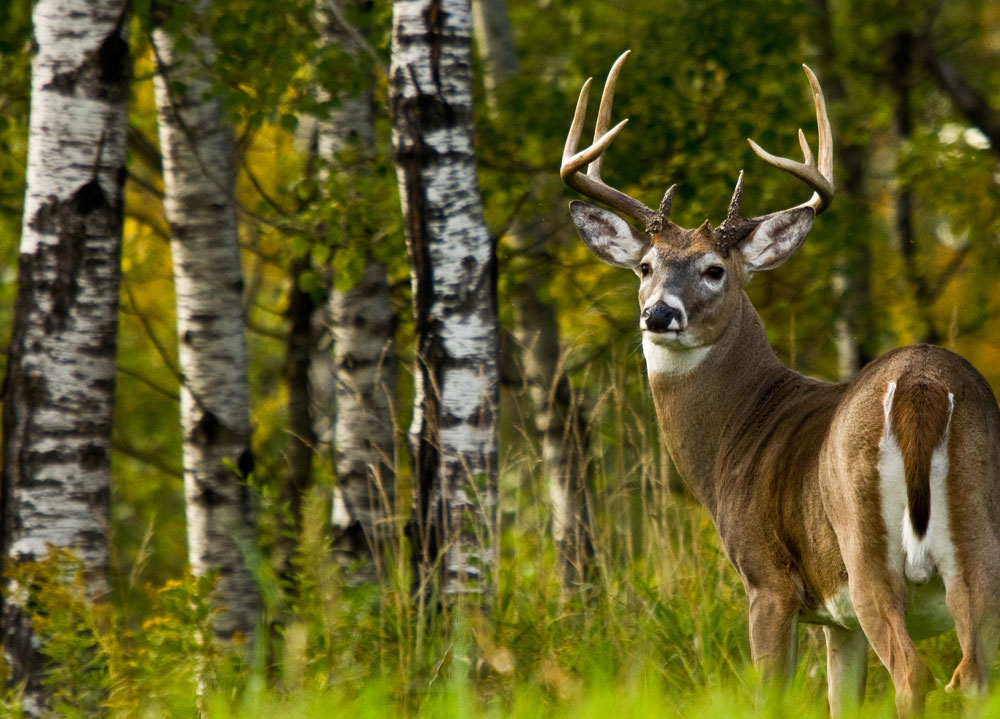
Enhancing your property with dense vegetation can effectively attract deer seeking security and seclusion in their environment. Deer are drawn to areas with thick cover as it provides a sense of safety, especially for mature bucks during hunting seasons. By creating a jungle of dense cover through methods like discing, controlled burns, and timber thinning, you can make your property more appealing to deer. These areas not only offer security but also act as havens with quality food sources, influencing deer feeding choices and increasing their daytime presence.
Deer are naturally inclined towards locations that provide both security and abundant food sources while minimizing hunting pressure. Developing dense cover strategically in your hunting grounds can significantly impact deer behavior, making them more likely to frequent your property. This tactic not only benefits the deer population but also enhances the hunting experience by attracting deer seeking shelter and security within the dense vegetation.
Natural Scrapes
Developing natural scrapes on your property can provide valuable insights into deer behavior and enhance your hunting success. Natural scrapes are essential communication tools for deer, serving as markers for territory and hierarchy. Here are some key points to consider when it comes to natural scrapes:
- Signs of Activity: Natural scrapes can indicate recent deer activity in an area, helping you understand where deer frequently visit.
- Behavioral Insights: Observing natural scrapes can offer valuable insights into deer behavior, such as rutting behavior and dominance displays.
- Hunting Hotspots: Hunting near natural scrapes can increase the likelihood of encountering deer, especially during the rutting season.
- Mock Scrapes: Creating mock scrapes mimicking natural ones can attract deer to specific locations, providing opportunities for monitoring deer movement.
- Ethical Considerations: When utilizing natural scrapes and mock scrapes, ensure that your hunting practices align with ethical standards, respecting the natural behaviors of deer.

Scents
Utilizing scents is a strategic method for attracting deer without resorting to baiting practices, offering hunters a non-invasive approach to lure deer to specific locations. Natural deer urine or synthetic options are commonly used to entice deer. Hanging wicks soaked in these scents or employing scent drags with deer attractants can pique deer curiosity and draw them closer. In areas where natural scents are restricted, synthetic urines serve as viable alternatives to attract deer effectively. Aerosol scents, particularly those with food-based smells, have shown to be successful in luring deer to specific areas for observation or hunting purposes. Hunters should be mindful of ethical considerations when using scents to attract deer, ensuring that their methods align with responsible and sustainable hunting practices. By incorporating scents into their hunting strategies, hunters can engage with deer in a non-intrusive manner, fostering a more natural interaction between humans and wildlife.