
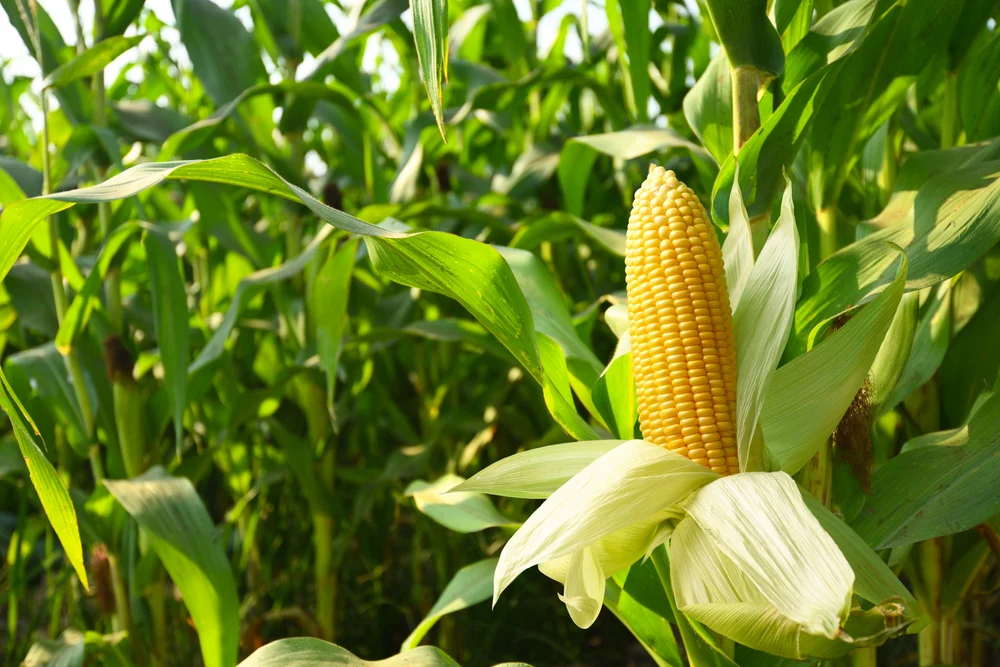
Corn is indeed man-made, stemming from ancient farmers’ selective breeding of teosinte. Over millennia, humans transformed teosinte into the diverse modern corn varieties we have today. By carefully choosing desirable traits like kernel size and taste, early growers shaped corn to meet agricultural and human needs. This deliberate intervention in corn’s evolution has led to the development of specialized types like popcorn and sweet corn, tailored for specific purposes. The long history of selective breeding and genetic alterations highlights the significant role humans have played in creating the corn we know today. Further insights into this fascinating process await.
Ancient Corn Breeding Techniques
Ancient corn breeders frequently employed selective breeding techniques to rapidly alter the appearance of corn varieties. By carefully selecting and breeding corn plants with desired traits, early farmers were able to introduce significant changes in a relatively short period. Selective breeding played a crucial role in the development of diverse corn varieties, allowing ancient corn breeders to adapt the crop to various environments and purposes. Through this method, traits such as kernel size, color, and overall plant structure were modified to meet the specific needs of different agricultural communities.
The success of selective breeding in corn showcases the remarkable ingenuity and knowledge possessed by early agricultural societies. By manipulating the genetic makeup of corn through selective breeding, ancient farmers were able to create a wide array of corn varieties that suited their unique requirements. This rapid evolution of corn underlines the profound impact that human intervention has had on shaping the appearance and characteristics of this essential crop.
Teosinte Vs. Maize Evolution
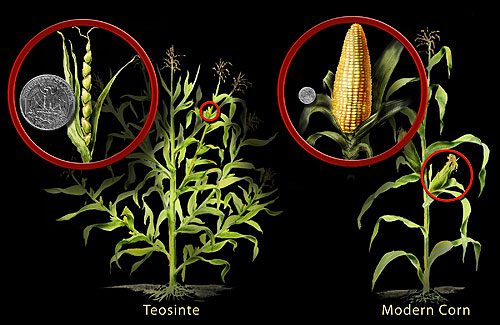
Approximately 9,000 years ago, maize emerged from its wild ancestor teosinte in southern Mexico through a process of evolutionary divergence. Teosinte, the precursor to maize, exhibits significant differences from modern maize despite their shared genetic ancestry. Teosinte’s small, hard kernels are encased in tough outer shells, contrasting with the larger, softer kernels of maize. Genetic studies have revealed that teosinte and maize possess similar DNA at the chromosome level, enabling them to naturally hybridize. However, the evolution of maize from teosinte involved crucial genetic changes. Around 5 key genes have been identified that contribute to the distinctive features seen in maize compared to teosinte. Notably, even small alterations to single genes during the early stages of maize domestication had substantial impacts, leading to the development of diverse modern maize varieties. The evolution of maize encompassed the interaction of thousands of genes with minor effects, culminating in the extensive array of corn varieties cultivated globally for various purposes.
Role of Selective Breeding
Selective breeding has been instrumental in the transformation of teosinte into modern corn varieties, shaping the desirable traits of size, taste, and yield over thousands of years. Ancient corn breeders engaged in selective breeding to enhance specific characteristics, such as kernel size, sweetness, and productivity. By carefully choosing which plants to cross-pollinate based on these traits, they accelerated the evolution of corn into the diverse range of varieties we have today.
Selective breeding allowed for rapid changes in corn appearance and adaptability. Through this process, corn varieties adapted to various environments and human needs, leading to the development of specialized types like popcorn, sweet corn, and flint corn. Over time, the continuous selection of desirable traits has resulted in corn varieties that are vastly different from their teosinte ancestors.
The ongoing practice of selective breeding for specific traits has led to the creation of modern corn varieties that exhibit a wide array of characteristics, each tailored to meet different agricultural, culinary, and industrial requirements. The intricate and deliberate process of breeding has been crucial in the domestication and evolution of corn as a staple crop in many parts of the world.
Genetic Transformation of Corn
Corn has undergone significant genetic transformation, shaping its characteristics through deliberate breeding practices. Ancient civilizations utilized various breeding techniques to selectively breed corn, leading to the evolution of its appearance and traits over time. The intentional selection of desirable characteristics in corn plants by ancient corn breeders allowed for the development of diverse varieties with different agricultural uses. This genetic transformation laid the groundwork for modern corn agriculture and breeding practices, enabling further advancements in corn cultivation.
- Ancient civilizations employed selective breeding techniques to shape corn’s traits.
- Intentional selection of desirable characteristics in corn plants led to diverse varieties.
- Genetic transformation of corn enabled the development of corn with different agricultural uses.
- Modern corn agriculture and breeding practices have evolved from the genetic transformation initiated by ancient corn breeders.
Diverse Corn Varieties
Diverse corn varieties cultivated by indigenous North Americans include northern flints and southern dents. These varieties exhibit distinct characteristics such as kernel hardness, color, and shape, reflecting the diverse environments in which they were developed. Northern flints, known for their hard outer layer and high resilience, are well-suited for cooler climates, while southern dents, with their soft endosperm and higher sugar content, thrive in warmer regions.
Over time, hybrid corn varieties have become predominant in commercial agriculture, offering improved yields and disease resistance. The introduction of hybrid corn in the early 1900s revolutionized corn production by combining desirable traits from different varieties. This led to the development of high-performing hybrids like those from Pioneer Hi-Bred, such as the 3780 and 3732 hybrids in the 1970s, which further boosted productivity. While these modern hybrids have largely replaced traditional corn varieties, the genetic diversity of indigenous corn varieties remains crucial for breeding programs seeking to enhance corn’s resilience and adaptability to changing environmental conditions.
Impact on Yield and Nutrition
The advancements in breeding techniques for corn have had a profound impact on both yield potential and nutritional quality. Selective breeding has significantly increased the yield potential of corn, with modern varieties surpassing ancestral teosinte in productivity. Simultaneously, corn has been enriched with essential nutrients like vitamin A and protein, enhancing its nutritional value for consumers. Furthermore, efforts in selective breeding have resulted in the development of corn varieties with improved disease resistance, thereby reducing the dependence on chemical pesticides and promoting sustainable agricultural practices. Additionally, modern corn varieties bred for specific traits such as drought tolerance and pest resistance have enabled farmers to adapt to changing environmental conditions, ensuring stable yields even in challenging circumstances.
- Selective breeding has increased corn yield potential.
- Corn has been enriched with essential nutrients like vitamin A and protein.
- Improved disease resistance in corn varieties due to selective breeding.
- Adaptation to changing environmental conditions through breeding for specific traits like drought tolerance and pest resistance.
Resilience Through Breeding
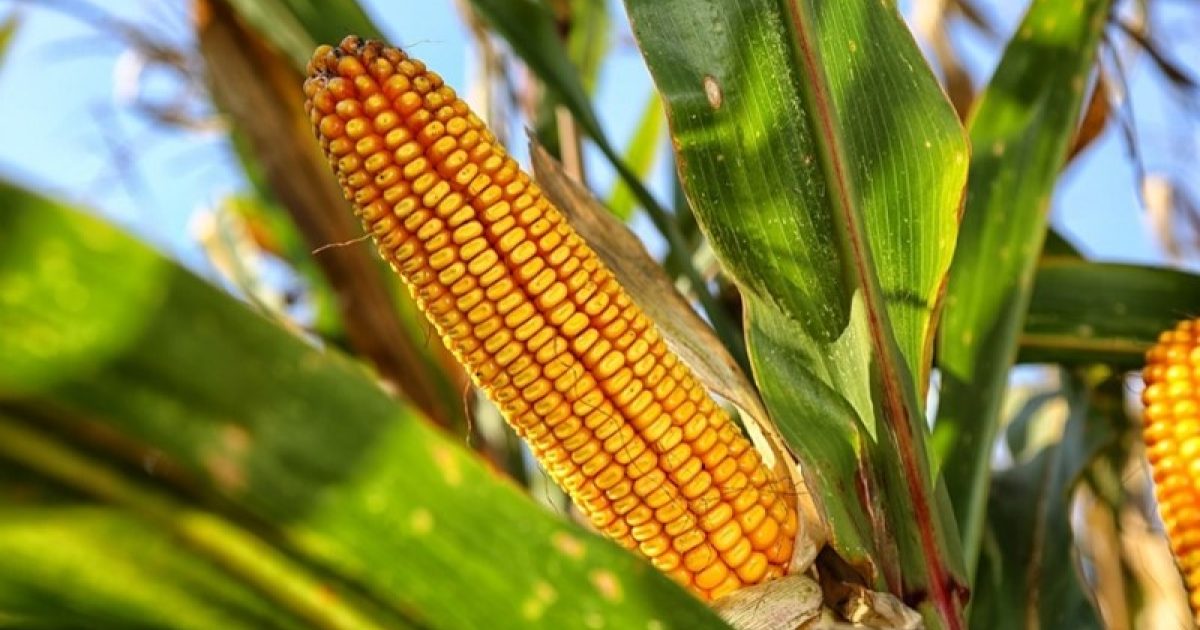
Selective breeding techniques have played a pivotal role in enhancing the resilience of modern corn varieties, particularly in terms of their ability to withstand environmental stressors and challenges. By carefully selecting traits such as yield, disease resistance, and adaptability, breeders have been able to develop corn varieties that exhibit increased resilience to various adverse conditions. Through targeted breeding programs, corn has evolved to cope with factors like drought, pests, and diseases, making it more robust and adaptable.
The genetic diversity resulting from selective breeding efforts has further contributed to enhancing corn’s resilience. This diversity allows modern corn varieties to thrive in diverse climates and soil conditions, ensuring their ability to adapt to changing environments. The resilience of these varieties stands as a testament to the success of decades of selective breeding, highlighting the effectiveness of this method in developing crops that can withstand the challenges posed by a dynamic and unpredictable environment.
Corn’s Adaptation to Climates
Through deliberate breeding efforts, corn has successfully adapted to a wide spectrum of climates, ranging from temperate to tropical regions. Selective breeding has played a crucial role in enhancing corn’s ability to thrive in diverse environmental conditions. The adaptation of corn to various climates can be attributed to the following:
- Diverse Environmental Conditions: Selective breeding has allowed corn to flourish in both arid and humid climates, showcasing the crop’s versatility in different settings.
- Temperature Resilience: Corn varieties have been specifically bred to withstand temperature fluctuations, enabling the crop to endure both extreme heat and cold spells.
- Drought Tolerance: Adaptations in corn genetics have equipped the crop with the ability to withstand periods of drought, ensuring its survival in regions prone to water scarcity.
- Soil Diversity: Through human intervention and genetic selection, corn has been tailored to grow successfully in various soil types and elevations, demonstrating its adaptability to different soil conditions globally.
Soil Conditions and Corn Breeding
In the realm of corn breeding, soil conditions play a pivotal role in shaping the development and success of different corn varieties. Soil characteristics significantly influence corn breeding outcomes by impacting nutrient availability, water retention, and overall plant health. Breeders meticulously select and develop corn varieties tailored to thrive in specific soil types, such as sandy, loamy, or clay soils. Factors like soil pH levels, drainage capacity, and organic matter content are carefully considered during the corn breeding process to ensure optimal growth and productivity.
Soil testing is a crucial tool used in corn breeding programs to assess the need for amendments like lime or fertilizers, which help create ideal conditions for corn cultivation. By understanding soil variations and requirements, breeders can tailor corn varieties that can adapt and perform well in diverse agricultural settings. The integration of soil science into the corn breeding process enhances the ability to develop resilient and high-yielding corn varieties suited to various soil conditions.
Selective Breeding Over Millennia
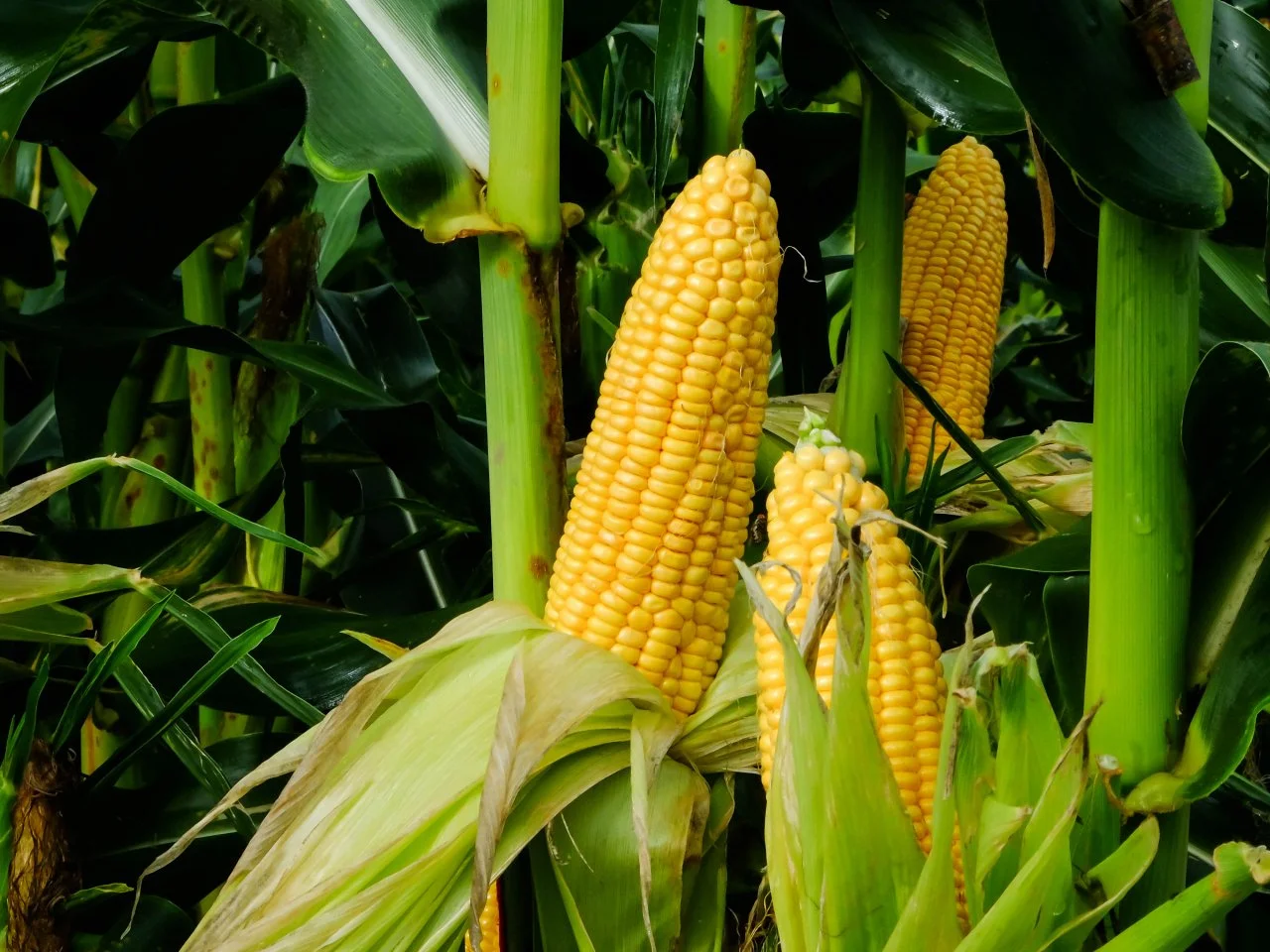
Ancient farmers meticulously honed the characteristics of corn through deliberate breeding practices spanning millennia. Selective breeding over this vast timescale led to the rapid alteration of corn’s appearance and traits, shaping it into the staple crop we recognize today. Through the careful selection of desirable traits, ancient corn breeders significantly transformed the wild grass teosinte into the cultivated maize we now rely on globally. This gradual process of selective breeding allowed for the enhancement of desirable characteristics such as larger kernels, increased yield, and adaptability to various climates and soil conditions.
- Ancient farmers selectively bred corn over millennia.
- The deliberate breeding practices rapidly altered corn’s appearance and traits.
- Teosinte, a wild grass, was transformed into modern maize through selective breeding.
- Desired characteristics like larger kernels and increased adaptability were enhanced through selective breeding practices.
Human Intervention in Corn Evolution
Human intervention through selective breeding and technological advancements has significantly influenced the evolution of modern corn. The domestication of corn by ancient farmers led to the cultivation of specific varieties like northern flints and southern dents. This deliberate selection of desirable traits laid the foundation for the development of the diverse range of corn varieties we have today. Moreover, the advent of hybrid corn in the early 1900s marked a pivotal moment in corn evolution, transforming U.S. corn production and yielding continuous improvements.
| Aspects of Human Intervention in Corn Evolution | Details | Impact |
|---|---|---|
| Selective Breeding | Ancient farmers cultivated specific corn varieties | Shaped the genetic diversity of modern corn |
| Hybrid Corn Development | Introduction of hybrid corn in the early 1900s | Revolutionized U.S. corn production and boosted yields |
| Technological Advancements | Adoption of mechanization and synthetic fertilizers | Enhanced corn production efficiency and overall yields |
Selective Breeding in Staple Crops
Selective breeding in staple crops such as corn involves the deliberate selection of desirable traits to enhance crop characteristics and adaptability. Ancient farmers practiced selective breeding in corn, aiming to improve traits like size, taste, and adaptability to different environments. This process of intentional selection led to the evolution of corn varieties that better served human needs and environmental conditions. Through generations of selective breeding, corn varieties have been tailored to exhibit specific traits that are beneficial for agriculture and food production.
- Selective breeding in staple crops like corn enhances desirable traits.
- Ancient farmers selectively bred corn to improve size, taste, and adaptability.
- Evolution of corn varieties through selective breeding meets human needs and environmental conditions.
- Modern corn varieties have improved characteristics due to selective breeding practices.