
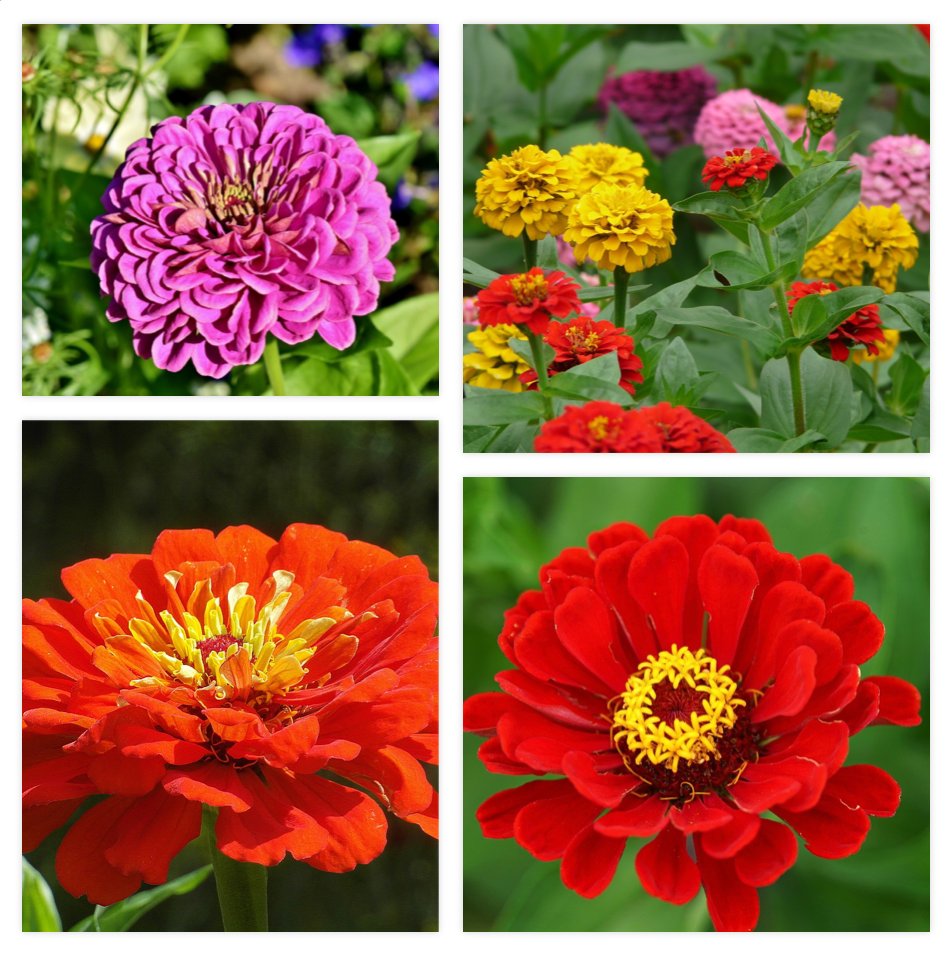
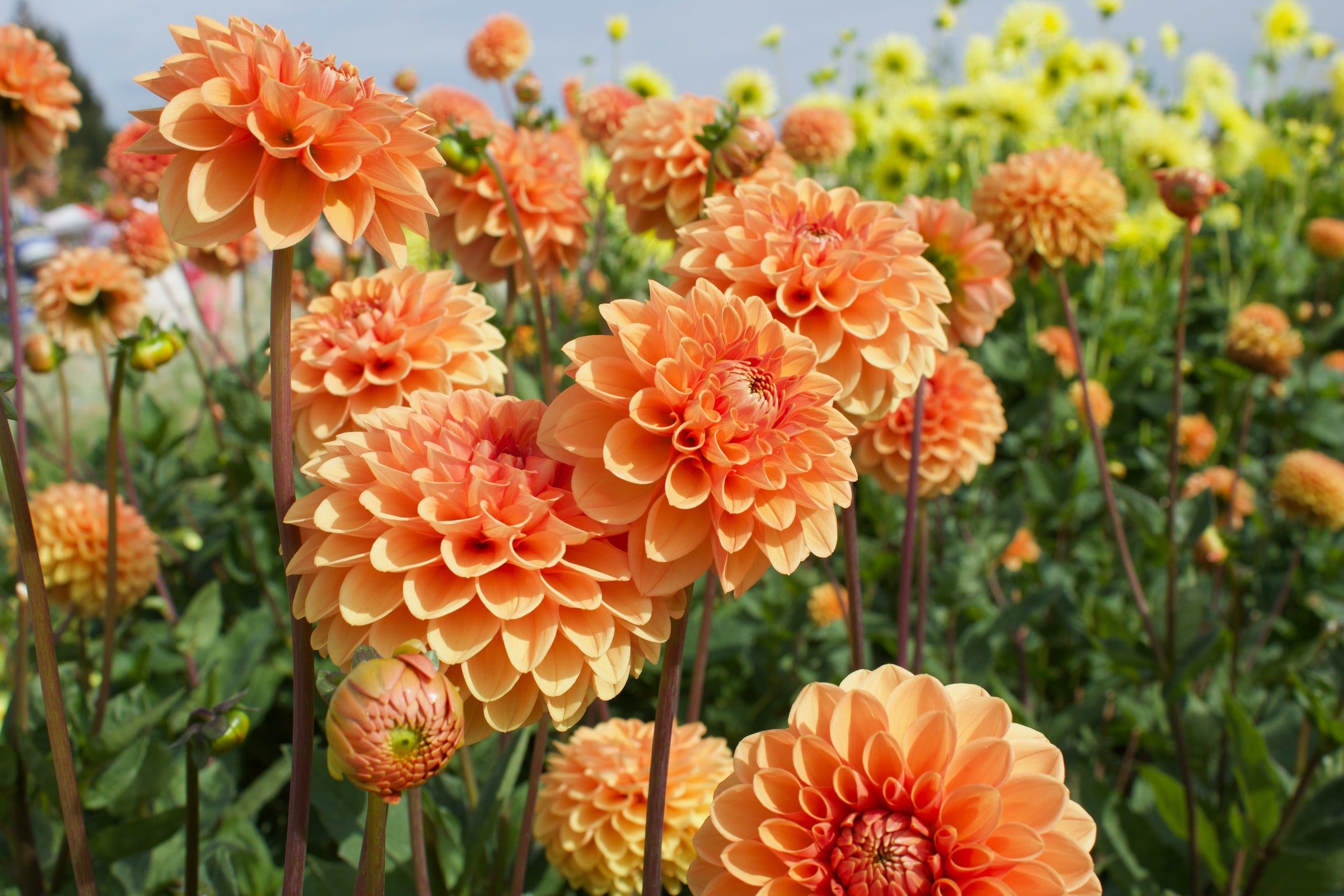
When differentiating dahlias and zinnias, you’ll notice variations in growth, planting, flower sizes, leaf shapes, and blooming periods. Dahlias develop from tubers and bloom with large, striking flowers, while zinnias grow from seeds yearly, showcasing smaller, daisy-like blooms. Dahlia leaves are broad and lush, creating a full appearance, whereas zinnia leaves are slender and light green, offering an airy quality. Dahlias bloom from summer to fall, zinnias from late spring to frost, each adding unique charm to garden landscapes. Understanding these differences enhances your gardening choices.
Growth Patterns
Dahlias and Zinnias exhibit distinct growth patterns based on their propagation methods. Zinnias, annual plants, germinate from seeds, requiring replanting each year. These vibrant flowers boast slender stems and bloom continuously throughout the growing season. In contrast, Dahlias grow from tubers, which are underground storage structures rich in nutrients essential for their development. The tuberous roots of Dahlias enable them to store energy during dormancy, facilitating their resurgence in the following spring when planted. Zinnias, on the other hand, rely on seeds for their growth, showcasing a more delicate and slender structure compared to the robust tubers of Dahlias. This disparity in propagation methods directly impacts the growth patterns of these two popular garden flowers, with Zinnias thriving from seed to bloom each year and Dahlias flourishing through the cyclical rejuvenation of their tuberous roots.
Planting Methods
When planting Zinnias, seeds are typically sown directly into the garden soil after the danger of frost has passed. This method of direct sowing is a key difference from Dahlias, which are usually planted from tubers in the spring post-last frost. Dahlias require specific storage conditions during winter to ensure successful replanting in the following season, contrasting with the straightforward process of sowing Zinnia seeds in the desired location. Both planting methods, however, demand careful attention to timing and environmental factors for optimal growth. The similarities lie in the need for suitable soil conditions, adequate sunlight, and proper watering for both Dahlias and Zinnias to thrive. Despite these shared requirements, the distinction in planting techniques showcases the versatility of Zinnias, offering gardeners a convenient and efficient way to introduce these vibrant flowers into their garden landscapes.
Flower Sizes
The comparison of Dahlia and Zinnia flowers extends to their sizes, with Dahlia blooms often exceeding 10 inches wide, contrasting with Zinnias which typically range from 1 to 6 inches in width. Dahlias, renowned for their grandeur, showcase impressive sizes that make them stand out in floral arrangements. In contrast, Zinnias offer smaller, daisy-like blooms that exude charm and versatility in various garden settings. The substantial difference in size between Dahlias and Zinnias significantly influences their visual impact and potential uses in garden design. Gardeners seeking to make a bold statement or create focal points may opt for the strikingly large Dahlias, while those aiming for delicate arrangements or seeking to add a touch of whimsy might find the moderate size of Zinnias more fitting. Understanding the distinct sizes of these flowers can aid gardeners in selecting the ideal blooms to complement their design visions effectively.
Leaf Shapes
Comparing the leaf shapes of Dahlia and Zinnia plants reveals distinct differences in size, color, and overall appearance. Dahlia leaves are known for their larger size and lush texture, typically displaying a deep green coloration. These leaves can grow up to 12 inches in length, contributing to the plant’s bushy and full-bodied aesthetic. On the other hand, Zinnia leaves are slender and lance-shaped, featuring a lighter shade of green. With an average length of about 4 inches, Zinnia leaves impart an airy and delicate look to the plant.
The variations in leaf shapes between Dahlias and Zinnias highlight their unique characteristics in garden landscapes. While Dahlia leaves offer a bold and substantial presence, Zinnia leaves provide a more delicate and graceful appearance. These distinctions in leaf morphology play a significant role in defining the visual appeal of both plants, adding to the overall charm and diversity of garden settings.
Blooming Seasons
Dahlias and Zinnias exhibit distinct blooming patterns that contribute to their seasonal appeal in garden landscapes. Dahlias bloom from summer to fall, providing late-season color with their large, showy flowers. Their blooming period extends through the end of the growing season, adding a burst of color when many other plants are starting to fade. On the other hand, Zinnias bloom from late spring until frost, offering a more extended period of vibrant colors throughout the summer months. Zinnias are known for their ability to reseed easily, ensuring continuous blooms until the arrival of frost. In comparison, while Dahlias have a longer blooming period than Zinnias, they require lifting in colder climates for overwintering. Zinnias, being annuals, need to be replanted each year to grace the garden with their colorful blooms. Both plants bring unique blooming characteristics to garden landscapes, catering to different seasonal preferences and gardening needs.
Ideal Growing Conditions
For optimal growth and flowering, providing full sun exposure is essential for zinnias. These vibrant flowers thrive in direct sunlight, requiring at least 6 to 8 hours of sun each day. In contrast, dahlias also benefit from sunlight but can tolerate partial shade, making them somewhat more versatile in terms of light requirements.
When it comes to soil conditions, dahlias necessitate well-drained soil to prevent waterlogging and root rot. On the other hand, zinnias are less demanding in this aspect and can adapt to various soil types, showcasing their resilience in different gardening environments.
Understanding the similarities between dahlias and zinnias’ maintenance requirements is crucial for successful cultivation. While dahlias require regular deadheading to stimulate continuous blooming, zinnias, due to their ability to thrive in diverse climates, offer a more straightforward maintenance routine.

Maintenance Requirements
Understanding the distinct maintenance requirements for both dahlias and zinnias is key to successfully cultivating these flowering plants. When considering the maintenance needs of dahlias and zinnias, there are several crucial factors to keep in mind:
- Staking: Dahlias may require staking for support due to their tall growth and heavy blooms, while zinnias typically do not need additional support due to their more compact size.
- Deadheading: Regular deadheading is essential for both dahlias and zinnias to encourage continuous blooming. Dahlias, however, may need more frequent deadheading to maintain their blooming cycle.
- Winter Storage: Unlike zinnias, which are annual plants grown from seeds each year, dahlias require specific winter storage conditions in colder climates to protect their tubers for the following growing season.
Considering these maintenance requirements can help you achieve the amazing effect of vibrant blooms in your garden and start the conversation on how to care for these beautiful plants effectively.
Pest and Disease Resistance
When considering the pest and disease resistance of dahlias and zinnias, it is evident that zinnias exhibit high resilience to common issues, while dahlias may require more diligent care due to susceptibility to specific pests and diseases. Zinnias are known for their amazing effect of being highly resistant to most common pests and diseases, making them a low-maintenance option for gardeners. They rarely face issues in this regard, providing a hassle-free choice for those seeking resilient plants in their gardens. On the other hand, dahlias are susceptible to powdery mildew and earwigs, necessitating vigilant monitoring and care. Good air circulation is crucial for dahlias to prevent disease, whereas zinnias typically thrive without the need for such specific conditions. Moreover, dahlias demand careful attention to prevent rot from overly wet soil, contrasting with zinnias, which are generally hardy and robust against common problems.
Landscape Uses
Dahlias and zinnias serve distinct roles in landscaping due to their specific characteristics and aesthetic appeal. When considering the landscape uses of dahlias vs. zinnias, it’s important to understand how each plant can enhance different areas of your garden:
- Dahlias as Focal Points: Dahlias are often favored for formal garden designs where they can stand out as focal points due to their large, showy blooms and variety of colors. Placing dahlias strategically can add elegance and sophistication to your landscape.
- Zinnias for Colorful Borders: Zinnias are commonly used in mass groupings along garden borders to create a burst of vibrant color. Their diverse range of hues and long-lasting blooms make them ideal for adding a pop of color to any garden space.
- Dahlias in Floral Arrangements: With their elegant blooms and sturdy stems, dahlias are a top choice for floral arrangements, especially for special occasions. Their beauty and versatility make them a favorite among florists and floral enthusiasts alike.