
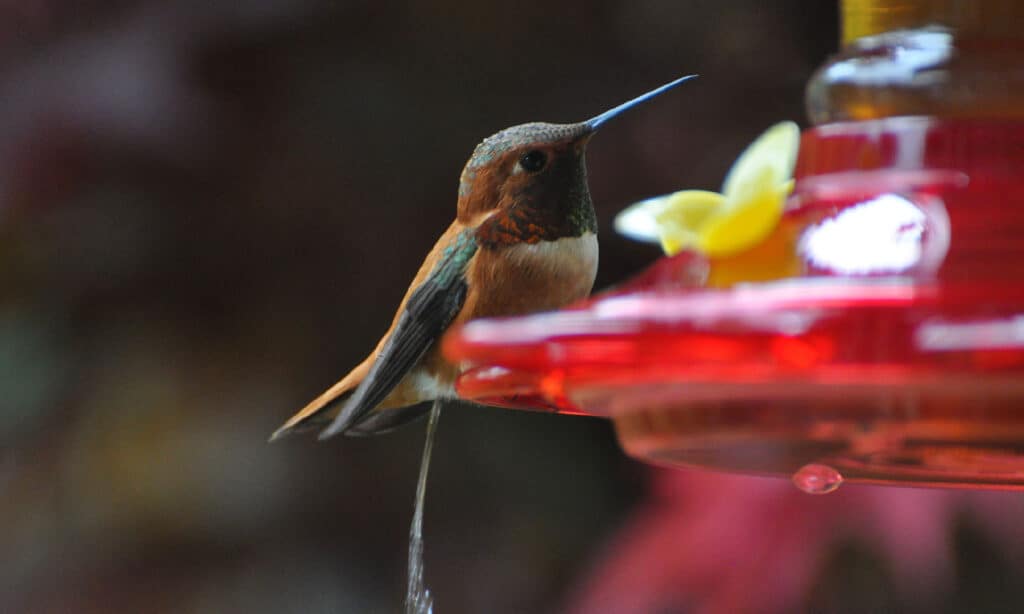
Yes, hummingbirds definitely poop around feeders. Their high feeding rate and metabolism lead to frequent excretion, occurring every 20 minutes. These tiny birds, enjoying nectar, insects, and pollen, produce primarily liquid waste with occasional solid components. The color of their waste can even be influenced by their diet. You’ll often find a mixture of solid and liquid waste near feeders, a natural process due to their hovering flight. To delve deeper into the behavior and importance of cleaning feeders for a healthy environment, explore the factors influencing pooping behavior and utilizing hummingbird waste for garden benefits.
Frequency of Hummingbird Waste
Hummingbirds excrete waste frequently, with some individuals expelling it every 20 minutes due to their high feeding rate. This rapid turnover is a direct result of the energy demands of their hovering flight and high metabolic rate. When feeding, hummingbirds actually consume nectar, tree sap, insects, and pollen, leading to a diet rich in water content. Consequently, their waste is primarily liquid, often clear and watery, occasionally containing small blackish-brown solid components. Interestingly, the color of their waste can be influenced by the food they consume, especially if feeders contain red food coloring. Therefore, it is crucial to use clear sugar water in feeders to avoid altering the color of their waste. To manage and minimize hummingbird waste around feeding areas, maintaining clean feeders and avoiding placing seating directly below them can be effective strategies. By understanding the frequency and composition of hummingbird waste, you can better appreciate these fascinating creatures’ unique biology and feeding habits.
Composition of Hummingbird Waste
The composition of hummingbird waste consists of a mixture of solid and liquid components expelled from the cloaca. This waste is a combination of feces and urine, with the urine containing urea due to the hummingbirds’ water-rich diet. Typically, hummingbird waste is primarily liquid and watery, occasionally containing small amounts of blackish-brown solid waste. It is important to note that the presence of red food coloring in feeders can alter the color of hummingbird waste, making it advisable to avoid using such dyes. Hummingbirds, belonging to various species, produce waste that is often excreted in-flight or near feeders. Therefore, regular cleaning of feeders is crucial to maintain a hygienic environment and prevent potential health issues for these remarkable avian creatures. Understanding the composition of hummingbird waste underscores the importance of proper feeder maintenance to ensure the well-being of these tiny, vibrant birds.
Importance of Cleaning Feeders
Regularly cleaning feeders is essential to maintain a hygienic environment and safeguard the health of hummingbirds. Cleaning benefits include preventing the buildup of waste around feeding areas, which can attract harmful bacteria and parasites. Uncleaned feeders pose a risk of disease transmission among hummingbirds, emphasizing the importance of feeder maintenance. By ensuring feeders are properly cleaned, the risk of diseases that could affect the hummingbird population is significantly reduced. Disease prevention is crucial in maintaining a healthy environment for hummingbirds to feed in. A clean feeding area not only promotes the overall well-being of hummingbirds but also contributes to their safety. Therefore, it is imperative to regularly clean and maintain feeders to provide a safe and disease-free environment for these delicate creatures. Prioritizing feeder cleanliness is a key aspect of responsible hummingbird feeding practices.
Behavior Around Feeders
Managing waste around feeding areas is a crucial aspect of understanding hummingbirds’ behavior around feeders. These tiny birds exhibit fascinating feeding habits, often frequenting feeders multiple times an hour. Due to their rapid metabolism, hummingbirds may excrete waste near feeders, a natural process usually done in-flight. Besides feeding, observing their roosting behavior is equally intriguing. Hummingbirds are known to perch near feeders, especially during non-feeding hours, showcasing their agility and territorial tendencies.
When it comes to nesting preferences, hummingbirds are selective. They tend to choose secluded spots away from heavy human activity, including feeder areas. However, the presence of feeders nearby can provide them with a reliable food source during the nesting period. Consequently, managing waste around feeding areas is crucial to ensure a clean environment for both the hummingbirds and your garden. By understanding their behavior around feeders, we can create a harmonious space that benefits both these remarkable birds and the surrounding ecosystem.
Impact on Garden Growth
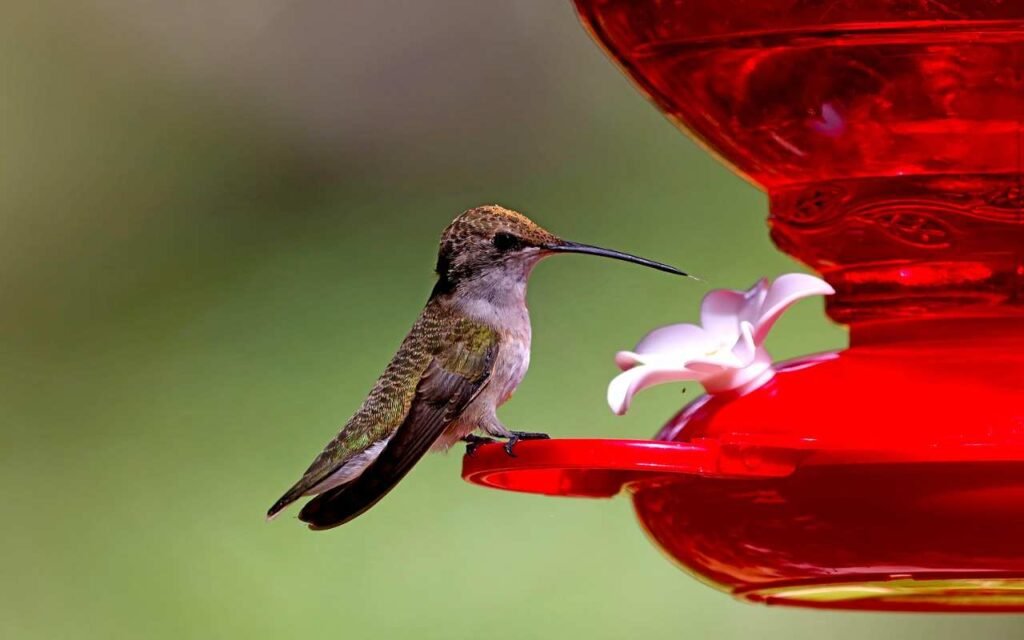
Hummingbird waste around feeders can significantly impact the growth of your garden due to its nutrient-rich composition. When hummingbirds deposit their waste near feeders, they are contributing to soil enrichment through the deposition of essential nutrients. This natural fertilizer aids in promoting plant growth and overall garden health by replenishing vital elements necessary for robust vegetation. The waste serves as a form of nutrient cycling, where the nutrients from the waste are broken down and made available to plants, enhancing their development.
Effective waste management is crucial to minimize any potential environmental impact and maximize the garden benefits. Regular cleaning of feeders is recommended to prevent excessive waste accumulation in the garden area. While hummingbirds tend to avoid soiling their nests, directing waste away from nesting sites, occasional clean-up around feeders may be necessary to maintain a tidy garden environment. By understanding the positive impact of hummingbird waste on soil enrichment, you can harness this natural process to cultivate a flourishing garden ecosystem.
Characteristics of Hummingbird Poop
Characterized by its clear and watery consistency, hummingbird waste is a combination of feces and urine excreted as semi-solid waste from the cloaca. The waste is primarily transparent, with occasional dark solid components visible. Interestingly, the presence of red food coloring in feeders can alter the color of hummingbird waste, leading to variations in appearance. Due to their rapid metabolism and frequent feeding habits, hummingbirds excrete waste approximately every 20 minutes, resulting in a consistent presence of waste around feeding areas. To manage this, regular cleaning of feeders is crucial. Cleaning techniques involve using a mild detergent solution to wash feeders thoroughly, ensuring the removal of any waste residue. Additionally, scrubbing feeders with a small brush can help eliminate stubborn waste marks. By maintaining a clean feeding environment, you can effectively minimize the impact of hummingbird waste around your feeders.
Excretion Patterns of Hummingbirds
The excretion patterns of hummingbirds reflect their rapid metabolism and frequent feeding habits, resulting in waste production approximately every 20 minutes. Here are some key points to consider:
- Waste Disposal: Hummingbirds excrete waste containing both solid feces and liquid urine, a consequence of their high water intake and the absence of a urinary bladder.
- Feeding Habits: Their waste is primarily clear and watery, occasionally with dark solid components, influenced by their nectar-rich diet and rapid digestive system.
- Environmental Impact: The red coloring often used in feeders can alter the color of their waste, underscoring the importance of natural food sources for both their health and ecosystem balance.
- Fertilizing Effect: Hummingbird waste acts as a natural fertilizer, enhancing garden growth and soil vitality, showcasing the symbiotic relationship between these tiny birds and the environment.
Where Hummingbirds Poop
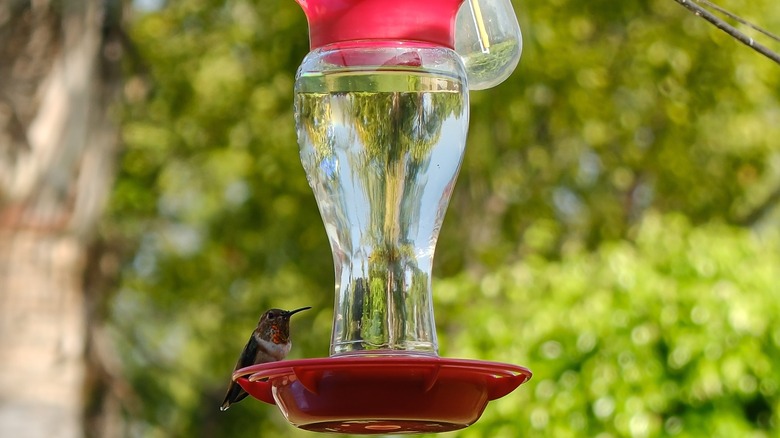
In understanding the excretion patterns of hummingbirds and their feeding behaviors, it becomes evident that the locations where these tiny birds choose to poop play a significant role in their ecosystem interactions. Hummingbirds exhibit precise behaviors when it comes to their excretion habits. Despite being known to poop near feeders and food sources due to their frequent feeding behavior, they generally avoid defecating in their nests. This behavior aligns with their nesting habits, as keeping the nest clean is crucial for the well-being of their offspring.
When not feeding or nesting, hummingbirds seek out roosting locations where they rest and conserve energy. Interestingly, these locations are typically free of their waste. The avoidance of defecation in roosting areas suggests that hummingbirds have a certain level of awareness and selectivity when it comes to where they release waste. Understanding these patterns can provide insights into the intricate behaviors of these fascinating creatures and their environmental impact.
Hygiene Tips for Bird Feeders
Regular maintenance of bird feeders is crucial to ensure a clean and hygienic environment for visiting hummingbirds. Here are some hygiene tips for your bird feeders:
- Feeder Placement: Position your feeders away from seating areas to minimize the mess caused by hummingbird waste. This simple adjustment can help keep your outdoor space cleaner.
- Cleaning Routine: Establish a regular cleaning schedule for your feeders to prevent waste buildup. Use a solution of mild soap and water to scrub the feeders thoroughly, then rinse them well before refilling.
- Waste Disposal: Dispose of waste properly by cleaning the area around the feeders regularly. Hummingbird waste, being rich in nutrients, can benefit your garden as a natural fertilizer when appropriately managed.
- Attracting, Deterring Behavior: By maintaining a clean feeding environment, you can attract hummingbirds while deterring unwanted pests or predators that may be drawn to the waste. Proper hygiene practices will create a welcoming space for these beautiful birds.
Managing Waste Around Feeders
Position your feeders strategically to minimize waste accumulation and optimize the management of waste around hummingbird feeders. Effective waste disposal is crucial for maintaining feeder hygiene and cleanliness. Regularly cleaning your feeders not only prevents waste buildup but also ensures the health of visiting hummingbirds. Placing feeders away from seating areas can help prevent unwanted waste on surfaces. It’s important to remember that hummingbird waste contains nutrients that can act as a natural fertilizer, benefiting your garden or yard.
To maintain cleanliness, consider using feeders with removable parts for easy cleaning. Clean the feeders with warm water and mild soap, ensuring all residue is removed. Additionally, placing feeders in easily accessible areas can facilitate regular cleaning routines. Managing waste around feeders contributes to a healthier environment for both hummingbirds and your outdoor space. By implementing proper waste disposal practices and prioritizing feeder hygiene, you can enjoy the beauty of hummingbirds while minimizing waste-related issues.
Hummingbird Waste Management
Effective management of hummingbird waste is essential for maintaining feeder hygiene and optimizing the health of visiting hummingbirds. To ensure proper waste management, consider the following:
- Waste Disposal: Hummingbirds excrete waste while in-flight, often near feeders. Cleaning feeders regularly is crucial to prevent waste buildup and maintain a clean feeding area.
- Cleaning Routine: Establish a regular cleaning routine for feeders to remove any accumulated waste and prevent bacterial growth. Use mild soap and water to clean feeders thoroughly.
- Habitat Maintenance: Avoid placing seating areas directly under feeders to minimize the chance of getting pooped on by hummingbirds. Keep the surrounding habitat clean to discourage pests and ensure a healthy environment for the birds.
- Natural Fertilizer: Hummingbird waste can act as a natural fertilizer, benefiting garden growth and soil health. Embrace the ecological benefits of hummingbird waste while managing it effectively around feeders.
Factors Influencing Pooping Behavior
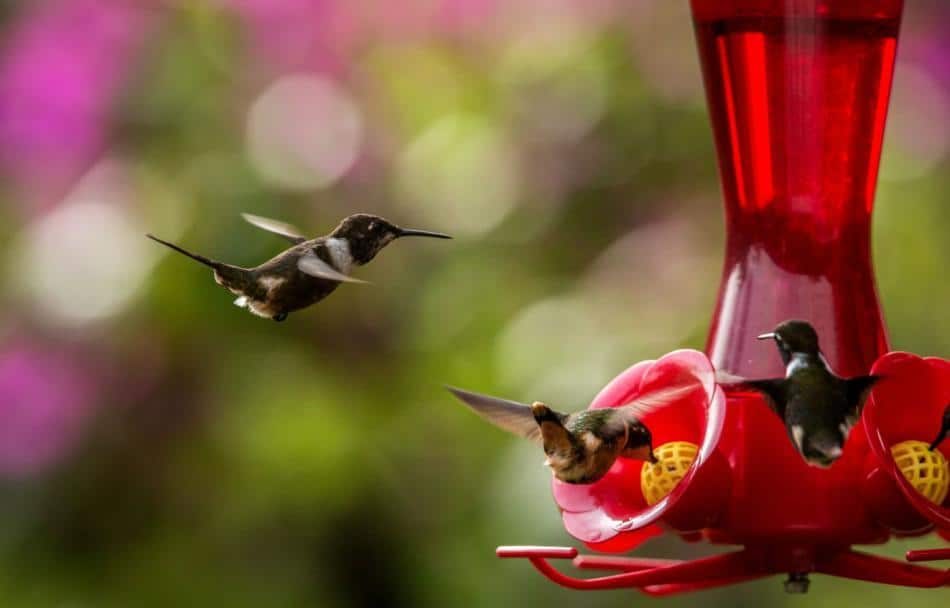
Hummingbirds exhibit distinct pooping behavior influenced by their feeding patterns and interactions with feeders and food sources. Their pooping habits are closely tied to their frequent feeding behavior, often resulting in waste distribution near feeders and food sources. The waste they excrete is primarily clear and watery, occasionally accompanied by blackish-brown solid waste. Environmental factors such as the red coloring in feeders can affect the color of their waste, though it poses no harm. To manage hummingbird waste effectively, it is recommended to maintain regular cleaning routines for feeders and avoid placing seating directly under them. These practices not only aid in waste prevention but also contribute to maintaining a clean environment. Interestingly, hummingbird waste acts as a natural fertilizer, benefiting garden growth and soil health. Understanding the factors influencing their pooping behavior is essential for creating a harmonious coexistence between hummingbirds and their surroundings.
Utilizing Hummingbird Waste
When considering the ecological impact of hummingbird waste, it becomes evident that their excretions can serve as a valuable natural resource. Here are some ways you can make the most of this resource:
- Waste utilization, garden benefits: Hummingbird waste is rich in nitrogen, a crucial nutrient for plant growth. By utilizing their waste in your garden, you can enhance soil fertility and promote healthier plant growth.
- Waste collection, composting options: Collecting hummingbird waste can be done by placing a tray or container under feeding areas. Combine this waste with other organic materials in a compost pile to create nutrient-rich compost for your garden.
- Waste analysis, nutrient content: Analyzing hummingbird waste can provide insights into its nutrient content. Understanding the composition of their waste can help you tailor its usage in your garden for optimal plant nutrition.
- Minimizing Messes Around Feeders: To avoid excessive waste accumulation, ensure you clean feeders regularly to maintain a clean feeding environment for these beautiful birds.
Minimizing Messes Around Feeders
To maintain cleanliness around hummingbird feeders, regular cleaning is essential to prevent waste accumulation in the feeding area. Waste prevention is crucial in reducing messes around feeders. By staying proactive with cleaning routines, you can minimize the buildup of hummingbird waste and ensure a tidy environment for both the birds and your surroundings. Additionally, implementing strategies like avoiding placing seating directly under feeders can help in mess reduction, as it decreases the chances of coming into contact with hummingbird waste. Keeping the feeding area clean not only contributes to a more pleasant experience but also promotes area cleanliness, making it more inviting for the hummingbirds and other wildlife.
Remember that while hummingbirds may occasionally leave waste around the feeders, it can also serve as a natural fertilizer. This waste, when properly managed, can help replenish nutrients in the soil, benefiting the surrounding plants and contributing to garden growth and health. By balancing waste prevention with the natural benefits it offers, you can maintain a harmonious environment around your hummingbird feeders.