
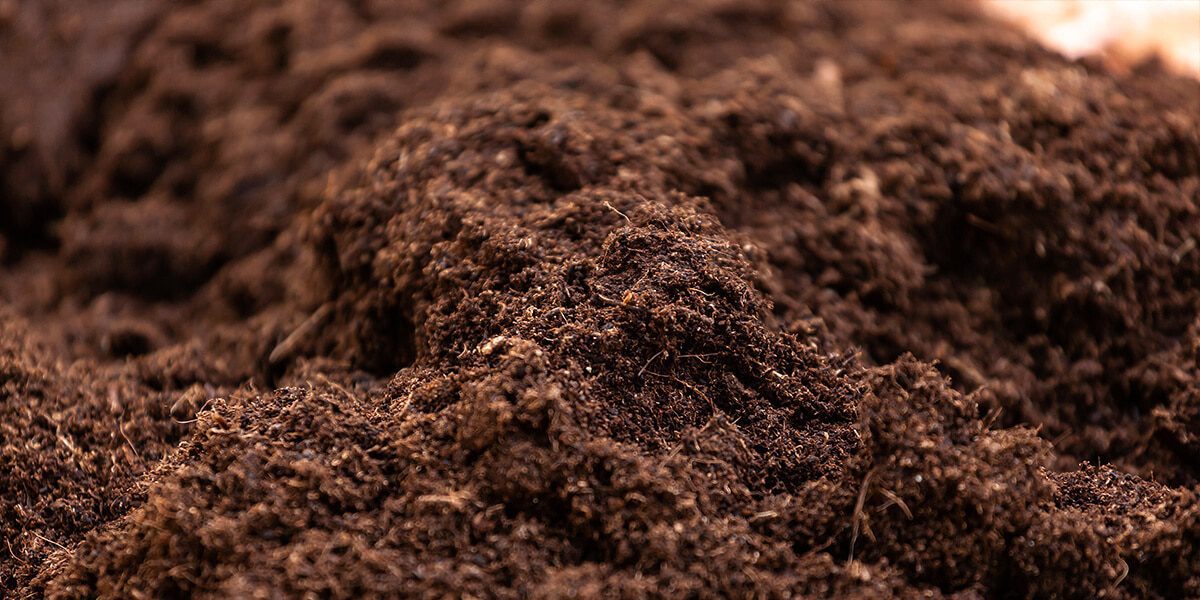
To grow healthier grass fast using garden soil, ensure it’s rich in organic matter and balanced pH levels. Good drainage is vital to prevent waterlogging and boost root health. Conduct soil tests to determine composition and needs. Choose the right grass seed for your climate and amend the soil accordingly. Follow proper seeding, feeding, and watering techniques for optimal growth. For in-depth tips on soil preparation, grass selection, and maintenance practices, explore the detailed research provided. Your path to a lush lawn awaits with these expert strategies.
Soil Composition for Grass Growth
Organic matter content plays a pivotal role in the soil composition necessary for fostering healthy grass growth. The presence of organic matter in soil provides essential nutrients and promotes microbial activity, aiding in the breakdown of organic materials to release nutrients for grass uptake. Moreover, organic matter enhances soil structure, improving aeration and water retention, which are vital for optimal grass growth.
Soil texture is another critical factor in the soil composition for grass growth. The texture influences water retention and drainage capabilities, directly impacting the availability of water and oxygen to grass roots. Additionally, soil pH levels play a crucial role in nutrient availability for grass. Maintaining the right pH level ensures that essential nutrients are accessible to the grass, supporting its growth and development.
To achieve a balanced nutrient profile, supplements may be necessary to address any deficiencies in the soil. Ensuring proper soil drainage is equally important in the soil composition for grass growth. Adequate drainage helps prevent waterlogging, which can lead to root suffocation and hinder grass development.
Importance of Soil Drainage for Grass
Good soil drainage is crucial for maintaining healthy grass growth. It prevents waterlogging, which can harm root systems and cause diseases. By ensuring proper drainage, you promote optimal root development and nutrient absorption in your grass plants.
Soil Drainage Basics
Proper soil drainage plays a critical role in fostering healthy grass growth by preventing waterlogging and root rot. Effective soil drainage management is key to maintaining optimal soil moisture levels, which directly impact root development, nutrient absorption, and overall soil health for thriving grass. Inadequate drainage can result in nutrient leaching, diminished oxygen availability for grass roots, and increased soil compaction, all of which hinder grass growth.
- Preventing Waterlogging: Proper drainage prevents excess water accumulation, avoiding waterlogged conditions that suffocate grass roots.
- Enhancing Root Development: Well-draining soil promotes strong root systems, facilitating efficient water and nutrient uptake by the grass.
- Improving Nutrient Absorption: Adequate soil drainage ensures nutrients are available to the grass roots, supporting healthy growth and vigor.
Understanding soil drainage basics is crucial for creating an environment where grass can flourish by accessing essential resources for its development.
Enhancing Grass Health
Effective soil drainage plays a crucial role in ensuring the health and vitality of grass by preventing waterlogged conditions that can harm root systems. Inadequate soil drainage can lead to poor nutrient absorption, hindering healthy grass development. Well-draining soil is essential as it promotes oxygen circulation to roots, aiding in robust grass growth. Compacted soil poses a significant issue by impeding water drainage, causing runoff problems, and limiting the grass’s growth potential. Implementing proper grading techniques is key to enhancing soil drainage, preventing the accumulation of standing water that can damage grass roots. By addressing soil drainage issues and ensuring proper water flow, you can significantly improve the overall health and resilience of your grass. Healthy soil drainage not only fosters optimal conditions for grass roots but also plays a vital role in maximizing the grass’s growth potential and overall vitality.
Preventing Waterlogging Issues
Soil drainage significantly impacts the health and growth of grass, with waterlogging issues posing a threat to the vitality of your lawn. Proper soil drainage is essential for preventing waterlogging, ensuring that excess water does not accumulate around grass roots. Factors such as soil composition play a crucial role in determining the soil’s drainage capabilities. Compacted soil can impede water movement, leading to waterlogging and hampering grass growth. Good soil drainage prevents water pooling, which can suffocate grass roots, inhibit nutrient uptake, and make the grass more susceptible to diseases. Adequate soil drainage is vital for maintaining optimal soil moisture levels, providing the right balance to support healthy grass growth. Improving soil drainage through proper grading and amendments can help prevent waterlogging issues, promoting better water movement and ensuring the success of your lawn.
- Soil drainage is crucial for preventing waterlogging.
- Compacted soil can hinder water movement.
- Good drainage prevents water accumulation around roots.

Balancing Ph Levels for Grass Health
Achieving the ideal pH range of 6 to 7.5 is crucial for optimizing the health of your grass by balancing soil acidity or alkalinity. Soil testing plays a vital role in determining the current pH level, which directly impacts nutrient availability to the grass roots. When the soil pH is too acidic or alkaline, essential nutrients may become locked up and unavailable to the grass, hindering its growth potential. By ensuring the pH balance is within the recommended range, you promote efficient nutrient uptake by the grass roots, leading to lush and vigorous growth of your lawn.
Maintaining proper pH levels in the soil is not just about immediate results; it is also essential for the long-term sustainability of your grass. Consistently keeping the pH within the optimal range supports overall grass health and resilience against environmental stressors. Regular soil testing and adjustments to the pH balance as needed are key practices for achieving a vibrant and enduring lawn.
Testing Soil Quality for Grass
To ensure optimal grass growth, start by conducting a thorough soil test to assess nutrient deficiencies and pH levels. Implementing precise soil analysis methods can provide crucial insights into the soil’s texture and composition. By examining these factors, you can determine the necessary soil amendments for successful grass development.
Soil Ph Testing
Testing the pH of your garden soil is a critical step in evaluating its suitability for growing healthy grass. The acidity or alkalinity levels of the soil can significantly impact the growth and vitality of your grass. Optimal pH levels for grass typically range from 6 to 7.5, ensuring that essential nutrients are readily available for uptake by the grass roots. Soil pH testing provides valuable insights into the soil’s nutrient availability, which directly affects the health of your grass. Adjusting pH levels based on soil testing results can enhance nutrient uptake by the grass, promoting better overall plant health and robust growth.
- Proper soil pH testing reveals acidity or alkalinity levels.
- Optimal pH levels for grass growth fall between 6 to 7.5.
- Soil testing results help determine the availability of essential nutrients for grass.
Nutrient Analysis Methods
Conducting nutrient analysis methods is essential for evaluating the soil quality required for healthy grass growth. Through soil testing, you can pinpoint specific nutrient deficiencies that may hinder optimal grass development. Additionally, soil testing offers insights into crucial factors such as pH levels, drainage capabilities, and water retention capacity, all of which significantly influence grass health. To conduct a thorough analysis, gather soil samples from different areas of your garden to ensure a comprehensive assessment of the soil quality. Utilize soil testing kits or seek professional laboratory services to accurately determine the nutrient composition of your soil. Based on the results obtained from the analysis, you can then make informed decisions regarding soil amendments to address any deficiencies and create an environment conducive to robust grass growth. By prioritizing nutrient analysis methods, you pave the way for a healthier, more vibrant lawn.
Soil Texture Examination
Evaluate the soil texture of your garden to determine its suitability for growing healthy grass by identifying whether it is sandy, loamy, or clayey. Soil texture examination is crucial as it affects water retention, drainage, and nutrient availability for your grass. Here are some key points to consider:
- Sandy Soil: Sandy soil feels gritty, drains quickly, and has low water retention, which may require more frequent watering for your grass.
- Loamy Soil: Loamy soil is a balance of sand, silt, and clay, providing good drainage and water retention, making it ideal for most grass types.
- Clayey Soil: Clayey soil feels sticky, drains poorly, and retains water excessively, potentially leading to waterlogging issues for your grass.
To determine the soil texture, you can perform the ribbon test by squeezing a moist soil sample between your fingers to check how it forms a ribbon. Understanding your soil texture will help you choose appropriate grass varieties and improve soil quality for a lush lawn.
Choosing the Right Grass Seed
To select the appropriate grass seed for your lawn, consider the climate and temperature conditions of your region. For areas with temperature variations, cool-season grasses like fescue, bluegrass, and ryegrass are ideal. In warmer regions, opt for warm-season grasses such as Bermuda grass, zoysia grass, or St. Augustine grass. Scotts® Turf Builder® offers a range of premium grass seed options tailored to specific lawn types. If you’re looking for fast growth, consider Scotts® Turf Builder Rapid Grass Sun & Shade Mix® which promotes grass that grows twice as fast.
Before planting new grass seed, ensure you remove existing grass, weeds, and rocks from the area. Proper soil preparation is crucial for successful grass growth. Different grass seed varieties require different soil conditions, so it’s essential to prepare the soil according to the grass type you choose. By selecting the right grass seed and preparing the soil adequately, you can establish a healthy lawn that thrives in your specific climate.
Steps for Preparing Garden Soil
Assess the pH levels, nutrient balance, and organic matter content of your garden soil through a comprehensive soil test before proceeding with any amendments or planting. Once you have the results, follow these steps to prepare your garden soil effectively:
- Amend Soil: Adjust pH levels, add organic matter, and address any nutrient deficiencies based on the soil test results.
- Clear Planting Area: Remove weeds and obstacles from the planting area to ensure optimal grass growth.
- Aerate Soil: Improve oxygen flow and water absorption by aerating the soil before planting.
To ensure even grass growth, it is crucial to have a level soil surface. Amend the soil with organic matter or fertilizers as needed to create a uniform base for your grass. By taking these steps to prepare your garden soil properly, you can set the foundation for a healthy lawn and promote the growth of lush, vibrant grass.

Seeding and Feeding Grass Properly
For optimal grass growth, ensure to fertilize immediately after planting to encourage rapid thickening of the grass. Proper seeding and feeding techniques play a crucial role in fostering healthy grass growth. Utilizing a spreader for efficient application of grass seed and fertilizer can significantly aid in achieving thicker grass. Scotts® Turf Builder® Starter® Food for New Grass is a recommended product known for promoting thicker grass development.
To help you understand the importance of seeding and feeding grass properly, here is a table summarizing key techniques:
| Grass Seed | Proper Seeding | Feeding Techniques |
|---|---|---|
| Choose high-quality | Follow manufacturer’s | Use recommended |
| suitable for your | instructions for | fertilizer for new |
| specific region | seeding depth and rate | grass growth |
Watering Techniques for Grass Growth
Daily watering of newly planted grass is essential during the initial 10 days to facilitate germination and promote healthy growth. To ensure proper hydration and support healthy grass growth, follow these watering techniques:
- Water grass daily: Make sure to water your grass daily for the first 10 days after planting, providing moisture both in the morning and at night to promote germination effectively.
- Proper hydration: Ensure the water penetrates the soil deeply to reach the grass roots, promoting proper hydration and supporting the growth of strong, healthy grass.
- Consistent watering: Maintain a consistent watering schedule to help new grass seedlings establish themselves and thrive, especially in hot summer conditions, fostering a lush, green lawn.
Maintenance Tips for Healthy Grass
Ensure consistent and thorough watering practices to maintain the health and vitality of your grass. Regular watering is essential, especially during the early stages of growth, to establish a strong root structure. It is crucial to water deeply and infrequently to encourage deep root growth and ensure the soil is well-drained to prevent waterlogging, which can lead to root rot.
To promote optimal grass health, commit to proper maintenance practices. Minimize foot traffic on the lawn to protect emerging seedlings and newly laid sod. Avoid walking on wet soil to prevent compaction and stress on the grass roots. Additionally, implement regular mowing schedules and adjust them as needed to maintain a green lawn without causing damage to the grass blades.
Furthermore, prioritize weed control and pest monitoring as part of your lawn maintenance routine. By staying proactive in caring for your grass, you can ensure a lush and healthy lawn for years to come.