
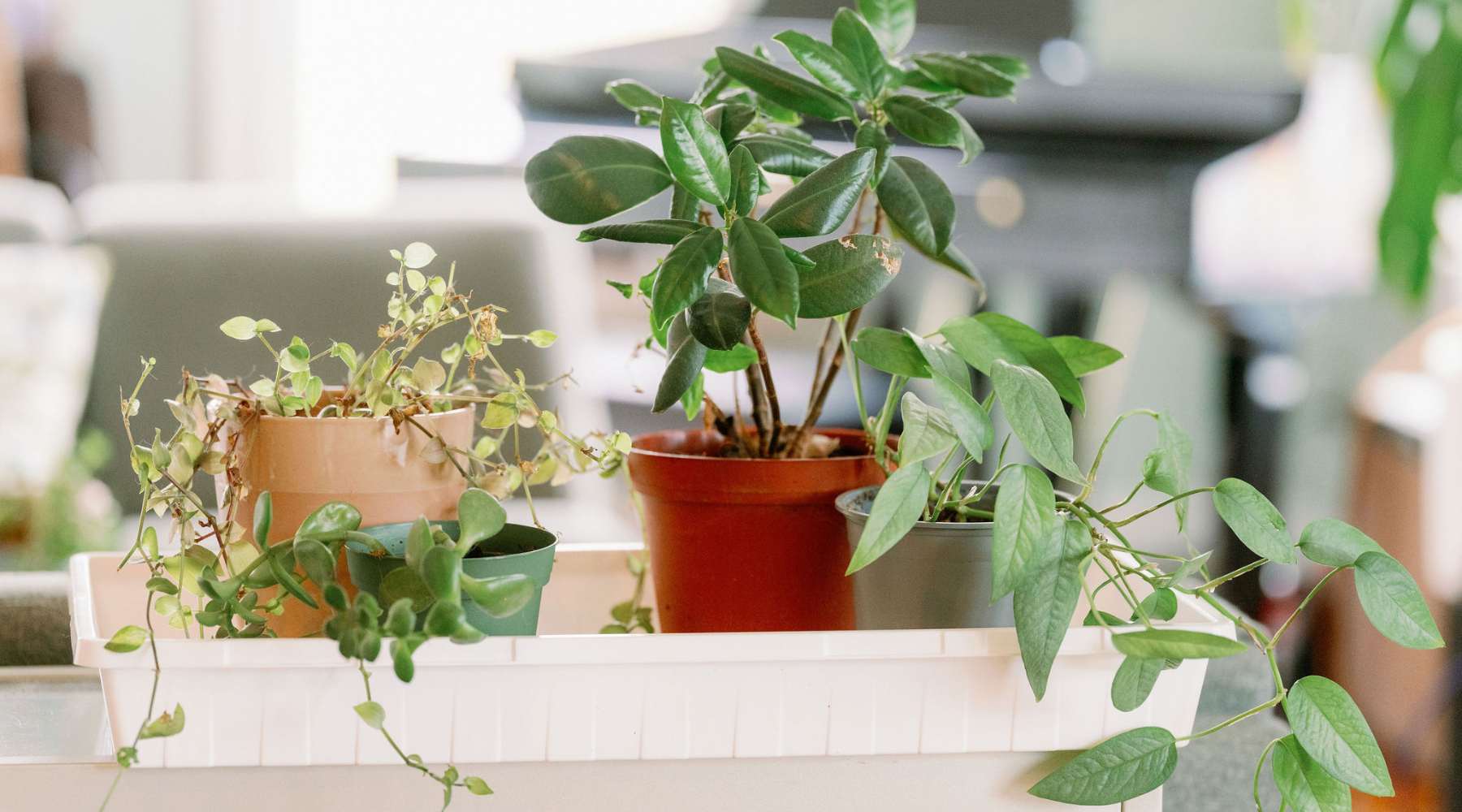
To determine how long to bottom water plants, consider factors like plant type, size, and soil composition. Smaller plants need shorter soaking periods, while larger ones may require up to an hour. Succulents need less time compared to tropical plants like ferns. Watch for signs of proper hydration like moist soil, new growth, and vibrant leaves. Prevent overwatering by monitoring soil moisture and adjusting soaking time accordingly. Remember, precision is crucial for plant health and growth. Understanding these aspects will help you master the art of bottom watering effectively.
Factors to Consider Before Bottom Watering
Before bottom watering your plants, assess several key factors to ensure proper hydration and growth. Water is essential for plant health, and bottom watering can be an effective method to deliver moisture directly to the roots. When considering bottom watering, take into account the type of plants you have. Some plants may require longer soaking times to absorb an adequate amount of water. Additionally, check the soil type as different compositions can affect the rate at which water is absorbed. The size of your plants is also crucial to monitor, as larger plants may need more time to fully hydrate. Environmental factors such as temperature and humidity levels play a role in how quickly plants take in water, so it’s essential to adjust soaking times accordingly. Remember, if the soil still appears dry on top after bottom watering, extend the soaking time to ensure proper hydration for your plants.
Determining the Right Soaking Time
To determine the right soaking time for bottom watering your plants, assess factors such as plant size and soil moisture level. The soaking time can vary between 15 minutes to an hour, depending on these key factors. Smaller plants typically require a shorter soaking time, around 15-30 minutes, while larger plants may need up to an hour for adequate hydration. Before soaking, check the soil moisture by feeling the top layer to ensure proper hydration. After soaking, monitor how the soil feels to adjust the soaking time accordingly. It is crucial to avoid overwatering or underwatering by observing how your plants respond to the watering method. Consistent monitoring of plant health and soil moisture levels will help you determine the ideal soaking time for effective bottom watering. By paying attention to these details, you can ensure that your plants receive the right amount of water without causing any harm.
Adjusting Soaking Time for Different Plants
Different plants require specific soaking times when bottom watering to ensure they receive adequate hydration. Succulents and cacti, known for their ability to store water, typically need only 10-15 minutes of soaking to prevent overhydration. On the other hand, tropical plants such as ferns and calatheas thrive with longer soaking periods, around 30-40 minutes, due to their higher moisture requirements. Larger plants, characterized by extensive root systems, may necessitate up to an hour of soaking to reach all roots effectively.
To adjust soaking times for different plant types, consider factors like the plant’s size, water needs, and soil type. By tailoring the soaking duration based on these variables, you can ensure that each plant receives the appropriate amount of water without causing waterlogging or dehydration. Remember, the goal is to provide adequate hydration while preventing water-related issues that can harm your plants. By understanding the specific requirements of each plant type, you can optimize the bottom watering process for healthier and thriving plants.
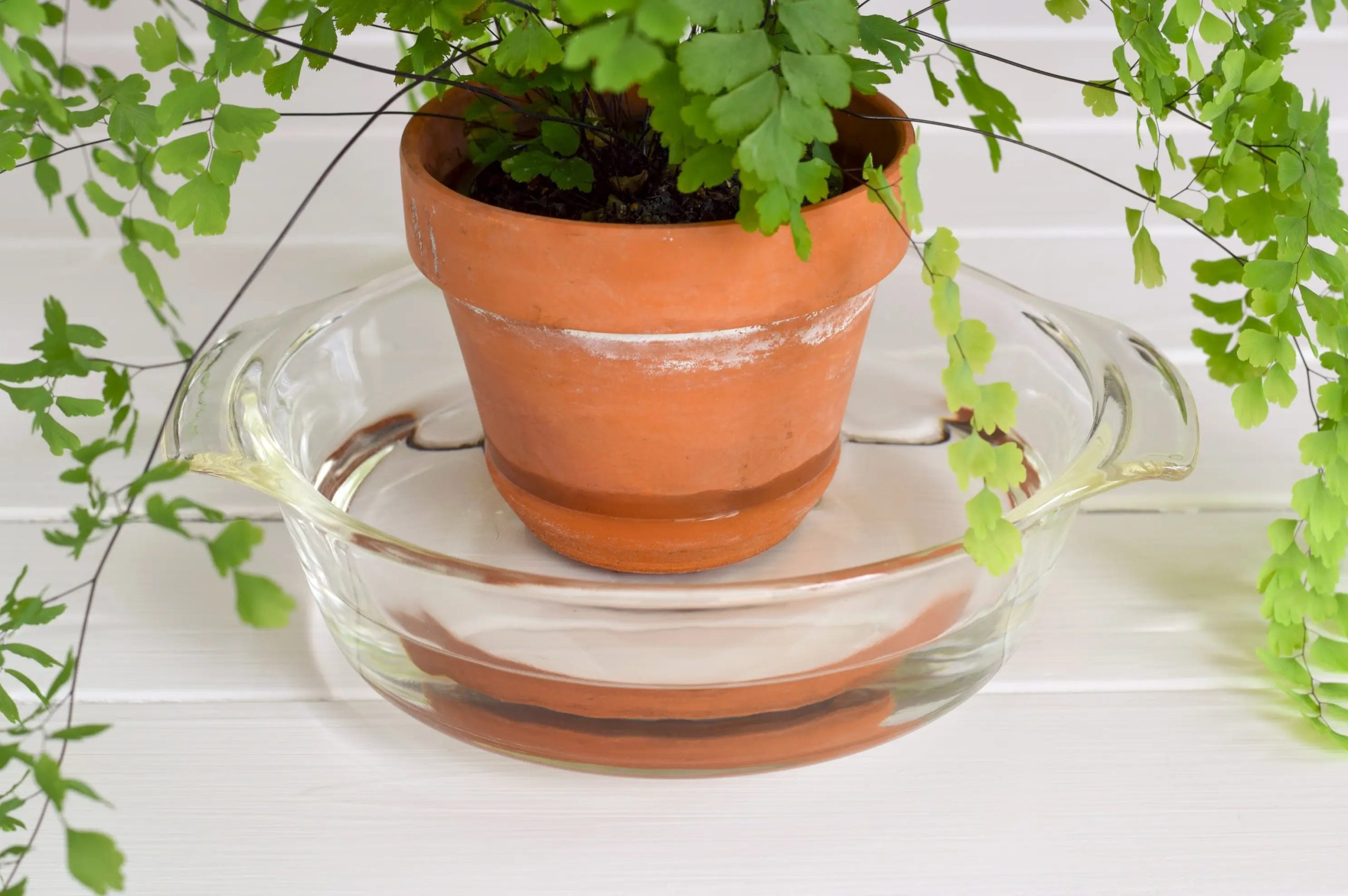
Signs of Proper Hydration
Monitoring the soil moisture level and observing plant growth indicators are crucial steps in determining the proper hydration of your plants. To ensure your plants are adequately hydrated, check the moisture level at the soil surface. Properly hydrated plants will exhibit moist soil around the roots. Healthy plants that are receiving the right amount of water will display signs of new growth and vibrant leaves. Additionally, keep an eye out for a decrease in water level at the bottom of the container, indicating that your plant is absorbing the water it needs. Regularly monitoring your plant’s health and vitality will help you spot the signs of proper hydration. Remember, hydrated plants are characterized by their lush appearance, vigorous growth, and overall well-being. By staying attentive to these key indicators, you can maintain a thriving garden filled with healthy, hydrated plants.
Preventing Overwatering Through Monitoring
Check the water level in the container regularly to prevent overwatering and maintain optimal hydration levels for your plants. Monitoring the water level is crucial in preventing overwatering and ensuring your plants thrive. Here are some key tips to help you prevent overwatering through monitoring:
- Check Soil Moisture: Feel the soil’s top layer to determine if your plants need watering, ensuring you avoid overwatering.
- Avoid Waterlogging: Do not leave your plants in water for extended periods as it can lead to waterlogging and harm your plants.
- Adjust Soaking Time: Tailor the soaking time based on your plant’s size and water absorption rate to prevent overhydration.
- Observe Plant Response: Pay attention to how your plants respond to bottom watering to adjust your watering practices accordingly, ensuring they receive the right amount of water without being overwatered.