
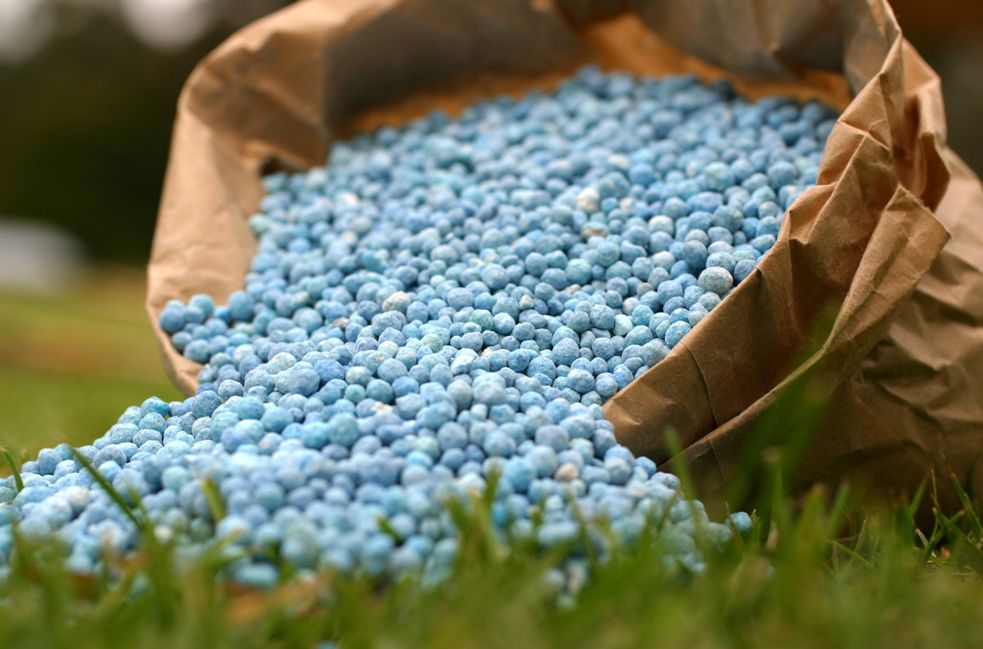
Fast-release fertilizers typically show visible effects within a week after application, demonstrating immediate impact on your lawn’s growth. Slow-release fertilizers, on the other hand, exhibit gradual improvement over 3-10 weeks, providing sustained benefits. Factors such as soil moisture, temperature, and grass type influence the timeline of fertilizer effectiveness. Understanding optimal grass fertilization timing is crucial for maximizing results. Adequate watering post-fertilization enhances nutrient absorption and promotes growth. Monitoring grass growth progress post-application helps in adjusting future treatments for healthier lawns. Learn more about factors influencing fertilizer effectiveness and how to optimize your lawn care routine.
Quick-Release Fertilizers Timeline
Quick-release fertilizers typically demonstrate their effectiveness within a week or less after application. When applied to grass, these fertilizers provide a rapid influx of nutrients that the grass can absorb quickly, especially nitrogen, which can be taken up within 15-20 hours under optimal conditions. The fast-acting nature of quick-release fertilizers stimulates immediate growth in the grass, offering an instant boost of essential nutrients. Due to this quick response time, you can observe visible results shortly after application, making quick-release fertilizers ideal for providing a swift enhancement to your lawn during periods of active growth.
Slow-Release Fertilizers Duration
Slow-release fertilizers, in contrast to their fast-acting counterparts, exhibit a longer timeframe for gradual improvement in your lawn, typically spanning 3-10 weeks. These fertilizers are designed to provide sustained nourishment to your lawn over an extended period. Some varieties can even last for months or up to a year, ensuring that your lawn receives consistent growth. The duration of slow-release fertilizer effectiveness is influenced by factors such as temperature, moisture levels, and microbial activity in the soil. By delivering nutrients at a steady rate, slow-release fertilizers support optimal growth and health for your lawn. Consulting with experts in lawn care can help you determine the best application method for slow-release fertilizers tailored to your lawn’s specific needs.
| Duration (Weeks) | Sustained Nourishment | Optimal Growth |
|---|---|---|
| 3-10 | Yes | Yes |
Factors Affecting Fertilizer Effectiveness
Factors such as soil moisture, temperature, and grass type play a significant role in determining the effectiveness of fertilizers. To understand how these factors impact the efficacy of fertilizers, consider the following:
- Nutrients It Needs: The type of fertilizer used must align with the specific nutrients required by the grass for optimal growth and health.
- Soil Conditions: The condition of the soil, including its pH levels and nutrient content, can affect how well the grass absorbs the fertilizer.
- Growing Conditions: Factors like sunlight exposure, water availability, and air circulation can influence how quickly the grass blades respond to the fertilizer.
- Fast-Release Fertilizer: Fast-release fertilizers work swiftly, providing nutrients to the grass in about a week or less. However, their effects may not be long-lasting compared to slow-release alternatives. Understanding these factors is crucial for determining how long it will take for fertilizers to work effectively on your lawn.
Soil Moisture Impact on Fertilizers
You must understand that soil moisture plays a critical role in the effectiveness of fertilizers. When soil is adequately moist, it aids in the absorption of nutrients from fertilizers by the grass roots. Remember to water the soil after applying granular fertilizers to ensure proper dissolution and nutrient delivery.
Soil Moisture Importance
Soil moisture plays a critical role in activating fertilizers and facilitating the efficient delivery of nutrients to the roots of grass. Adequate soil moisture levels are essential for the optimal performance of different types of fertilizers. Here are some key points to consider regarding the importance of soil moisture in the effectiveness of fertilizers:
- Granular fertilizers rely on sufficient soil moisture to dissolve and release nutrients for grass uptake.
- Consistent soil moisture levels are crucial for the proper functioning of slow-release fertilizers, ensuring a steady nutrient supply to promote healthy growth.
- Watering grass plugs immediately after fertilization can help kickstart the activation of fertilizers, leading to rapid growth and expansion.
- Maintaining adequate soil moisture in the initial weeks post-fertilization can significantly enhance the efficacy of the treatment, fostering robust grass growth.
Understanding and managing soil moisture levels are fundamental in harnessing the full potential of fertilizers for nurturing vibrant and lush grass.
Fertilizer Absorption Rates
Effective fertilizer absorption rates are directly influenced by the level of moisture present in the soil, impacting the nutrient delivery to grass roots. Granular fertilizers, commonly used for lawn care, require adequate watering to dissolve and penetrate the soil, ensuring the essential nutrients reach the grass. Slow-release fertilizers, designed to provide nutrients over an extended period, rely on consistent soil moisture to work efficiently, supporting optimal growth. When incorporating grass plugs into your lawn, watering immediately after planting is crucial to activate the fertilizers and stimulate rapid growth and spread. Moreover, maintaining soil moisture in the initial two weeks post-fertilization can significantly enhance the health and development of grass plugs, aiding in the establishment of a lush and vibrant lawn. By understanding the relationship between soil moisture and fertilizer absorption rates, you can promote healthier grass growth and ensure the nutrients are effectively utilized by your lawn.
Watering After Fertilizing
Activating fertilizers through proper watering post-application is essential to facilitate nutrient absorption and support healthy grass growth. Ensuring adequate soil moisture levels is crucial for maximizing the effectiveness of fertilizers, especially for slow-release varieties. When watering after fertilizing, consider these key factors:
- Soil Moisture: Proper watering helps dissolve granular treatments into the soil, enhancing nutrient absorption by grass roots.
- Nutrient Absorption: Consistent soil moisture levels are necessary for slow-release fertilizers to work steadily, promoting long-term grass growth.
- Grass Plugs: Watering grass plugs immediately after planting is vital to activate fertilizers and stimulate rapid growth.
- Growth Promotion: Maintaining soil moisture for the first two weeks post-fertilizing encourages rapid growth and spreading of grass plugs, establishing a healthy lawn.

Temperature Influence on Fertilizers
The influence of temperature on fertilizers can significantly impact their efficacy, particularly during colder periods such as winter. Low temperatures, especially below 8°C, can slow down grass growth, affecting how quickly fertilizers work. In winter, fertilizers may take weeks to exhibit visible results due to reduced metabolic activity in grass. The frozen ground further delays the activation of fertilizers, prolonging the time it takes for them to work effectively. Warm-season grasses are particularly affected by the slow growth during winter, which can hinder the absorption and utilization of nutrients from fertilizers. Winter Green Fertilizer can help enhance the color of winter grass during mild spells, compensating for the sluggish growth. Understanding the impact of temperature on fertilizers is crucial for adjusting application rates and timing to optimize their effectiveness, especially in challenging conditions like low temperatures and frozen ground.
Optimal Grass Fertilization Timing
To achieve the best results from your grass fertilization efforts, understanding the optimal timing for application is crucial. Factors such as soil temperature, moisture levels, and grass growth stage can significantly affect the effectiveness of the fertilizer. By monitoring the progress of your grass post-fertilization, you can adjust your future treatments for maximum growth and health benefits.
Timing for Best Results
For optimal grass fertilization timing, consider the specific nutrient requirements of your lawn and the ideal application schedule. To achieve the best results, it’s essential to understand how long it will take for the applied lawn fertilizer to provide nutrients to the grass. Here are some key points to keep in mind:
- Fast-release fertilizers: These typically start working within 1-2 days of application, providing a quick boost of nutrients to the grass.
- Slow-release fertilizers: They may take 2-7 days to show visible effects on the grass, offering a more gradual and sustained nutrient release.
- Slow-release organic fertilizers: These might require 2-6 weeks to fully start working and nourishing the lawn, but they provide long-lasting benefits.
- Nutrient composition: Essential nutrients like nitrogen, phosphorus, and potassium play a crucial role in the effectiveness of the treatment, so ensure your fertilizer contains these elements in the right proportions for your grass’s needs. Timing and frequency of fertilization treatments are vital for maintaining optimal lawn health and promoting sustained growth.
Factors Affecting Effectiveness
Considering the various factors that impact the effectiveness of grass fertilizers, it is crucial to understand how soil moisture, temperature, and grass type can influence the timing and results of your fertilization efforts. The type of fertilizer you choose also plays a significant role in how long it takes to see results in your lawn. Slow-release fertilizers, for instance, may take 3-10 weeks to demonstrate gradual improvement in grass health due to their extended nutrient release mechanism. On the other hand, fast-release fertilizers typically stimulate growth in about a week or less after application. Liquid fertilizers act swiftly, greening the lawn in days and lasting around 4 weeks, while granular fertilizers release nutrients within 7-10 days, providing essential nourishment for grass growth. Understanding these factors can help you choose the right type of fertilizer and optimize the timing for the best results in your lawn.
| Type of Fertilizer | Time to Show Improvement |
|---|---|
| Slow-release | 3-10 weeks |
| Fast-release | About a week |
| Liquid | Days to green, 4 weeks |
Monitoring Growth Progress
Understanding the progression of grass growth post-fertilization serves as a key indicator for determining the optimal timing of grass fertilization efforts. Monitoring grass growth progress is crucial in evaluating the effectiveness of the applied fertilizers. By observing the grass growth closely, you can make informed decisions to optimize your lawn care routine. Here are some key points to consider:
- Fast-release fertilizers typically kick in within 1-2 days, showing rapid grass growth results.
- Slow-release fertilizers may take 2-7 days to exhibit effects, providing a gradual nutrient supply for sustained growth.
- Slow-release organic fertilizers like NutriPod® might require 2-6 weeks to start working, but offer long-lasting benefits.
- Understanding the reaction time of different fertilizers is essential for fine-tuning your lawn care practices, leading to healthier and greener grass.