
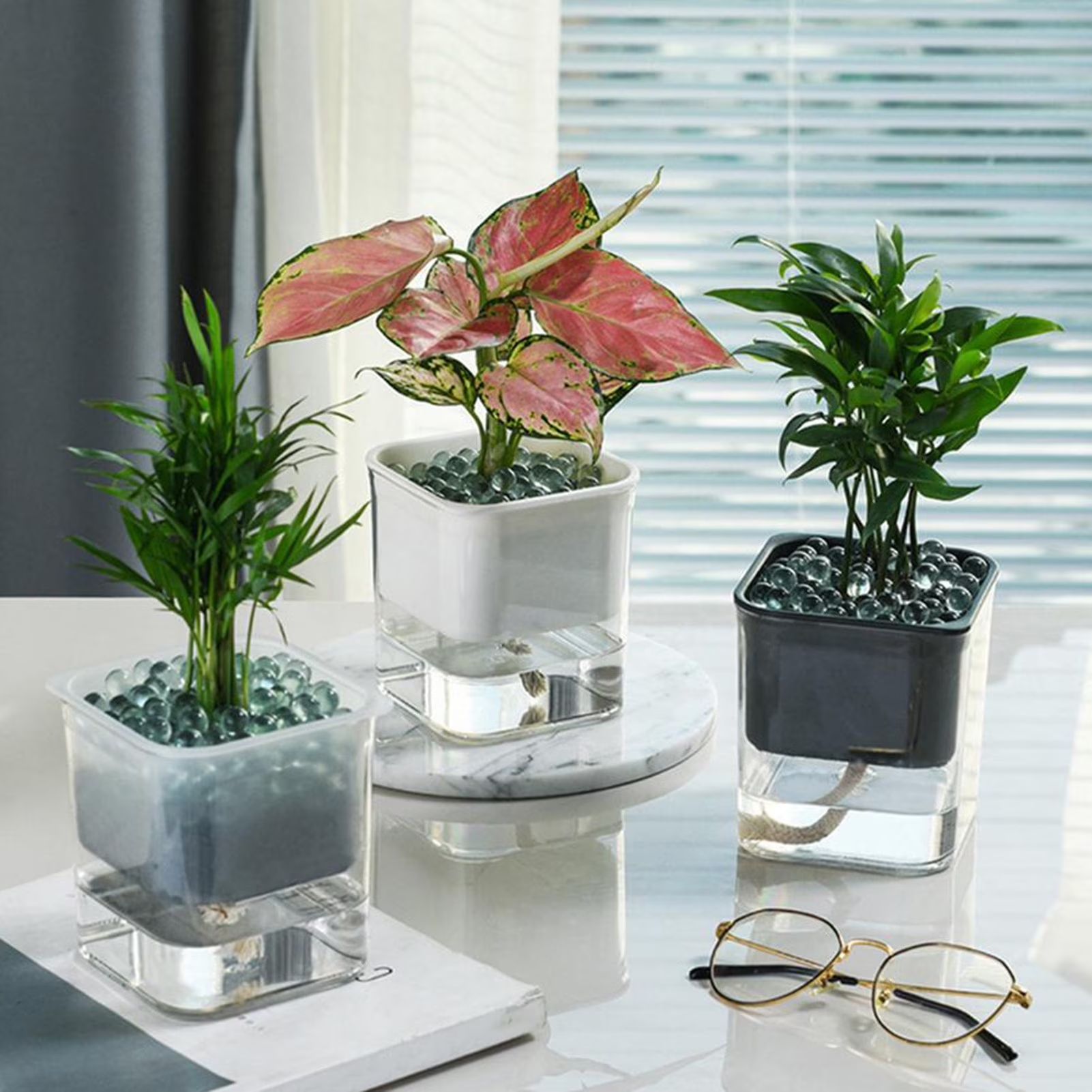
For efficient plant hydration, try using a bottom watering system. It supports healthy root growth, prevents overwatering, and reduces the risk of fungal diseases. This system is easy to use and maintains optimal soil moisture levels for your plants. By following simple setup steps and monitoring water absorption, you can ensure your plants thrive. Keep in mind that different plants have varying water needs, so adjusting watering frequency is key. The bottom watering technique is effective and practical, offering a seamless way to keep your plants healthy.
Benefits of Bottom Watering System
The Bottom Watering System offers several key benefits that contribute to the overall health and vitality of your plants. By delivering water directly to the roots, this system promotes efficient absorption, ensuring that your plants receive the hydration they need without the risk of overwatering. This method also helps prevent fungal diseases that can arise from wet foliage, maintaining the health of your plants.
Additionally, bottom watering encourages deeper root growth, which in turn leads to stronger and more resilient plants. The roots are encouraged to grow downwards in search of water, creating a robust root system that supports the overall health and stability of your plants. This system is particularly ideal for use in self-watering planters and containers, as it helps maintain optimal moisture levels for your plants to thrive. Overall, bottom watering is a practical and effective way to ensure that your plants receive the water they need for healthy growth and development.
How Bottom Watering Works
To properly understand how the bottom watering system works, you need to grasp the fundamental principle of water absorption by plant roots. When utilizing this automatic watering system, plants are placed in a tray or container filled with water. Through capillary action, the roots absorb moisture from the bottom up. This method not only prevents overwatering by allowing plants to take up water as needed but also promotes healthier root growth. By encouraging roots to grow downward in search of water, bottom watering strengthens the plant’s root system. Furthermore, this efficient watering technique reduces water waste and minimizes the risk of fungal diseases on foliage. Plants with sensitive leaves or those prone to root rot particularly benefit from bottom watering. Embracing this method can lead to robust root development, ensuring your plants thrive and flourish.
Ideal Plants for Bottom Watering
Certain plants thrive with bottom watering, like African violets, peace lilies, and ferns, which require consistent moisture levels for optimal growth. These plants benefit from the controlled watering method as it prevents water from splashing on delicate foliage, promoting overall plant health. Understanding which plants are ideal for bottom watering ensures proper root development and successful growth in your indoor garden.
Plant Selection Tips
Consider selecting plants such as succulents, cacti, herbs, and shallow-rooted vegetables for optimal performance in a bottom watering system. These plants are well-suited for bottom watering due to their ability to efficiently absorb water and thrive in drier conditions. When choosing plants for your bottom watering system, keep in mind their water absorption needs and root structures to ensure they benefit from this watering method. Here are some plant selection tips to help you make the most of your bottom watering system:
- Opt for succulents and cacti that store water in their fleshy leaves and stems.
- Choose herbs like rosemary, thyme, and mint that prefer slightly drier soil conditions.
- Consider shallow-rooted vegetables such as lettuce, radishes, and green onions for successful bottom watering.
- African violets, peace lilies, and spider plants are excellent choices for bottom watering due to their root structures.
- Select plants with moderate to high water needs to maximize the benefits of bottom watering for healthy growth and development.
Watering Frequency Guidelines
For ideal plants suited to bottom watering, understanding the watering frequency guidelines is crucial to promote healthy growth and development. Different plants have varying water requirements, and bottom watering can help ensure they receive the right amount of water. Below is a table outlining general watering frequency guidelines for some common plants that thrive with bottom watering:
| Plant | Watering Frequency |
|---|---|
| African Violets | Once a week |
| Ferns | Every 4-5 days |
| Peace Lilies | Every 1-2 weeks |
| Spider Plants | Every 1-2 weeks |
| Pothos | Every 1-2 weeks |
When bottom watering these plants, it’s essential to control the flow of water to prevent overwatering. Ensure the soil absorbs the water gradually, allowing the roots to take up moisture effectively. By following these watering guidelines and managing the flow of water, you can promote healthy growth and thriving plants.
Setting Up the Watering Tray
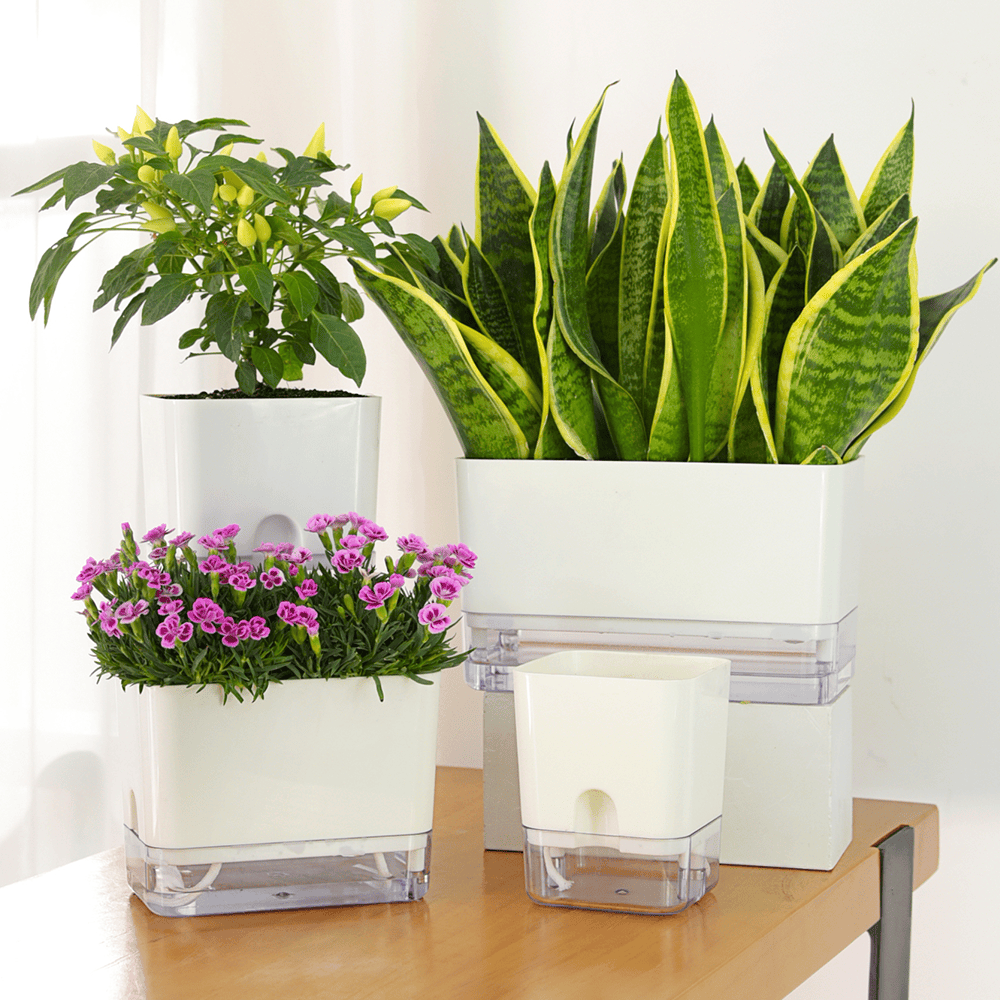
Position the watering tray beneath the plant container to facilitate the absorption of water from the bottom up. Ensure the tray is deep enough to hold an adequate amount of water for proper hydration. Check the tray regularly to refill with water when needed to maintain consistent moisture levels. Adjust the frequency of refilling based on the plant’s water requirements and environmental conditions. Monitor plant health and growth to determine if the bottom watering system is effectively meeting their hydration needs.
- Adequately deep tray for proper hydration.
- Regularly check and refill to maintain consistent moisture levels.
- Adjust refill frequency based on plant’s needs.
- Monitor plant health to evaluate hydration effectiveness.
- Position tray for optimal water absorption.
Monitoring Water Absorption
To monitor water absorption effectively in your plants, observe the soil’s moisture level and overall plant health. One practical way to gauge water absorption is by checking the bottom of the pots for water level indicators. These indicators can show how much water has been absorbed by the soil. Additionally, using a soil moisture meter can provide precise insights into water penetration and absorption rates. By tracking these metrics, you can adjust your watering frequency accordingly. If the soil is slow to absorb water, you may need to water less frequently to prevent overwatering. On the other hand, if the soil quickly absorbs water, you may need to water more often to ensure your plants stay hydrated. Remember to always ensure proper drainage in your pots to prevent waterlogging, as this can hinder optimal water absorption and lead to root rot.
Preventing Overwatering
Bottom watering systems effectively prevent overwatering by facilitating root-driven water absorption, thereby mitigating the risk of waterlogged soil and associated plant ailments. The irrigation system ensures that water flows directly to the roots, allowing plants to take up only the necessary amount of moisture. This method helps in regulating water intake, reducing the likelihood of root rot and other water-related diseases. By promoting water absorption through the roots, bottom watering systems contribute to healthier plant growth. Consistent soil moisture levels are maintained without the surface accumulation of excess water, further preventing overwatering issues. Particularly beneficial for plants with delicate leaves or those susceptible to fungal problems triggered by moisture on foliage, bottom watering serves as a practical and efficient solution for maintaining optimal soil hydration levels.
- Facilitates root-driven water absorption
- Regulates water intake effectively
- Prevents water-related plant diseases
- Maintains consistent soil moisture levels
- Ideal for plants with sensitive leaves or prone to fungal issues
Maintenance Tips for the System
To ensure the optimal functioning of your bottom watering system, remember to clean the system regularly to prevent clogs and blockages. Monitor the water level in the reservoir to ensure it meets the plants’ needs without causing waterlogging. These simple maintenance tasks will help your system operate efficiently and keep your plants healthy.
System Cleaning Tips
Regularly cleaning the water reservoir and pump is essential to prevent clogs and maintain optimal performance in your bottom watering system. To keep your system running smoothly, follow these system cleaning tips:
- Use mild soap and water to clean the tubing and drip tips to remove any dirt or residue.
- Flush the system with clean water periodically to prevent mineral buildup and blockages.
- Inspect the system for any signs of algae growth and clean it thoroughly to avoid contamination.
- Ensure all components are thoroughly dry before reassembling the system to prevent mold growth.
- Regular maintenance and cleaning will help ensure a healthy and efficient bottom watering system for your plants. Remember, a clean system is a happy system, providing your plants with the best care possible.
Water Level Monitoring
Monitor the water level in the reservoir regularly to ensure optimal hydration for your plants in the bottom watering system. Utilize the water level indicator or mark on the container to gauge when a refill is necessary. When the water level drops below the recommended threshold for ideal plant growth, promptly refill the reservoir with water. It is crucial to adjust the watering frequency according to the specific water requirements of your plants and the surrounding environmental conditions. By maintaining a consistent water level, you can prevent the risks of overwatering or underwatering your plants within the bottom watering system. Remember that monitoring the water level is essential for the health and growth of your plants, as it directly impacts their hydration and overall well-being. Stay vigilant in checking and maintaining the water level to support thriving plant growth in your bottom watering system.
:max_bytes(150000):strip_icc()/GettyImages-1369314041-f25ecb763cac4cf2a11a5c132e415c1d.jpg)
Troubleshooting Common Issues
Inspect the tubing and drip tips for clogs or blockages that could impact the water flow in the bottom watering system. Make sure to check the following:
- Check for Clogs: Clear any debris or mineral buildup in the drip line to ensure a smooth water flow.
- Verify Water Pressure: Ensure the water pressure is adequate for the system to function correctly.
- Adjust Flow Rate: Gradually adjust the drip flow rate to prevent over or underwatering of plants.
- Inspect for Leaks: Regularly monitor the system for leaks or loose connections that could result in water wastage.
- Calibrate Controller Settings: Calibrate the settings on the controller to cater to the specific watering needs of different plants in the system.
Conclusion and Final Thoughts
In conclusion, the bottom watering system offers a practical and efficient solution for maintaining optimal soil moisture levels in indoor plants. The system’s design allows for accurate water volume control, catering to the specific needs of different plants. Its compatibility with most beverage bottles makes setup and use straightforward. Users benefit from the automatic regulation of soil moisture, ensuring plants receive the right amount of water without the risk of overwatering. The control valve’s drip speed adjustment feature enables customizable watering options, giving users flexibility in their plant care routine. Additionally, the system’s ease of assembly and lack of complex installation requirements make it a convenient choice for plant enthusiasts of all levels. For those living in areas with extreme heat conditions, the pressure regulator in the system ensures that plants receive consistent hydration even during hot weather, further enhancing the system’s reliability and practicality.