
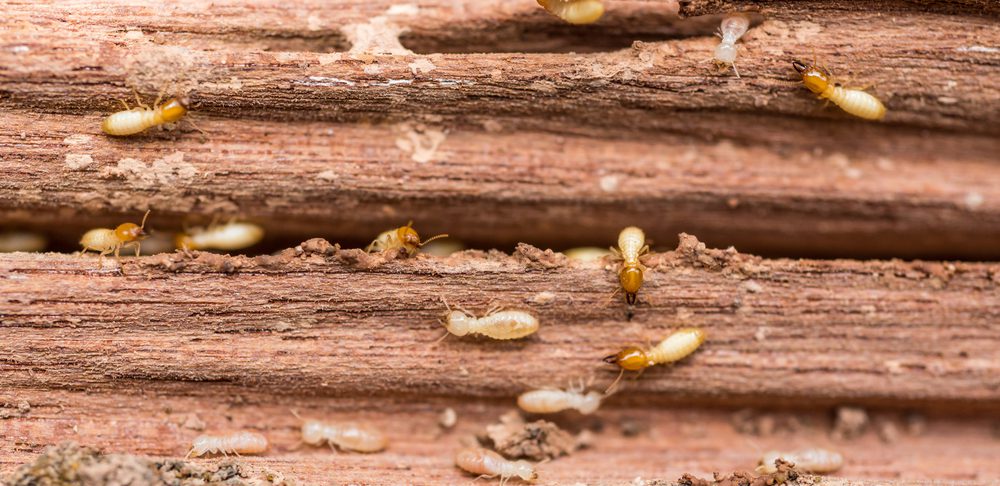
If you suspect termites in your raised bed garden, carefully inspect for mud tubes, damaged wood, and discarded wings. Remove infested materials promptly and replace with termite-resistant options. Consider natural methods like diatomaceous earth and bait systems strategically placed. For severe cases, seek professional pest control for tailored solutions. To prevent future infestations, opt for termite-resistant woods, trim plants near the bed, and store firewood away. Taking immediate action is crucial to protect your garden.
Identifying Termite Infestation in Raised Beds
When inspecting raised beds for termite infestation, a thorough examination of the mulch layers and surrounding structures is essential to identify potential signs of termite activity. Termites, particularly Eastern subterranean termites, are known to infest raised beds by feeding on old mulch layers. Look for mud tubes along the sides of the raised beds, as these are indicative of termite presence. Another sign to watch out for is damaged or hollow-sounding wood when tapping on the bed’s structure.
In addition to the raised beds themselves, pay attention to the surrounding areas. Check the garden edger stone and the proximity to the front door, as these factors can influence the likelihood of termite infestations. Keep an eye out for discarded wings near the raised beds, as this could indicate a termite swarm.
Identifying termite infestations in raised beds promptly is crucial to prevent further damage and protect your garden. If you suspect termite activity, consider seeking professional assistance to address the issue effectively.
Removing Infested Wood and Materials
To prevent further termite damage in your raised bed garden, promptly remove any infested wood and materials. Termites can quickly spread to healthy wood, so it’s crucial to eliminate any potential food sources. Discard any cardboard or weed mat that may be harboring termites in the raised bed, as these materials can attract and provide a conducive environment for termite colonies. When replacing the affected boards, opt for termite-resistant materials like cedar or redwood to minimize the risk of future infestations.
Regularly inspect the raised bed for signs of termite activity, such as mud tubes, wood damage, or discarded termite wings. Address any new infestations promptly to prevent the termites from causing extensive harm to your garden beds. If the infestation is severe or persistent, consider consulting with pest control experts for professional advice on removing termites effectively and protecting your raised bed from future attacks.

Implementing Natural Termite Control Methods
Utilize natural termite control methods to mitigate the risk of infestations and protect your garden structures effectively. One effective method is the use of diatomaceous earth, a natural substance that can be sprinkled around garden beds to deter termites. Diatomaceous earth works by dehydrating and ultimately killing termites upon contact, making it a non-toxic alternative for controlling these pests.
Another natural approach is utilizing a bait system. Bait systems consist of stations placed strategically around the garden to attract termites. Once termites find the bait, they carry it back to the colony, effectively eliminating the termite population at its source. This method is environmentally friendly and can provide long-term termite control if maintained correctly.
Seeking Professional Pest Control Assistance
Professional pest control assistance offers specialized evaluation and tailored solutions for addressing termite infestations in raised bed gardens. When facing a termite problem, seeking the expertise of pest control professionals is crucial. These trained specialists can accurately assess the extent of the infestation and recommend effective treatment options based on the specific needs of your garden. By entrusting the task to pest control experts, you ensure the safety of your garden and nearby structures from potential termite damage.
Pest control professionals possess the required knowledge and tools to address termite infestations efficiently. Their expertise allows them to implement targeted solutions that not only eradicate existing termites but also prevent future infestations. Long-term termite management in raised bed gardens greatly benefits from the intervention of pest control specialists, as they can help establish a healthy and thriving garden environment free from the destructive impact of termites. Don’t hesitate to reach out for professional assistance to safeguard your garden’s well-being.
Preventing Future Termite Infestations
Implementing effective preventive measures is essential for minimizing the risk of future termite infestations in your raised bed garden. When constructing garden structures in termite-prone areas like San Diego, opt for termite-resistant woods such as cedar, redwood, or cypress to deter termite activity. These woods contain natural oils and compounds that make them unappealing to termites, reducing the likelihood of infestations. Additionally, ensure your yard remains tidy by promptly removing any dead or decaying wood, as this can attract termites to your property. Trim plants near your house to create a barrier against termites accessing your home or garden beds. Storing firewood away from your house also helps prevent termites from easily reaching and infesting your property. While these preventive steps are beneficial, it’s important to note that professional assistance may still be necessary for comprehensive termite control, especially in areas where termites are prevalent, like San Diego. Consider regular inspections and treatments with termite-resistant materials like treated pine to safeguard your raised bed garden against future termite infestations.