
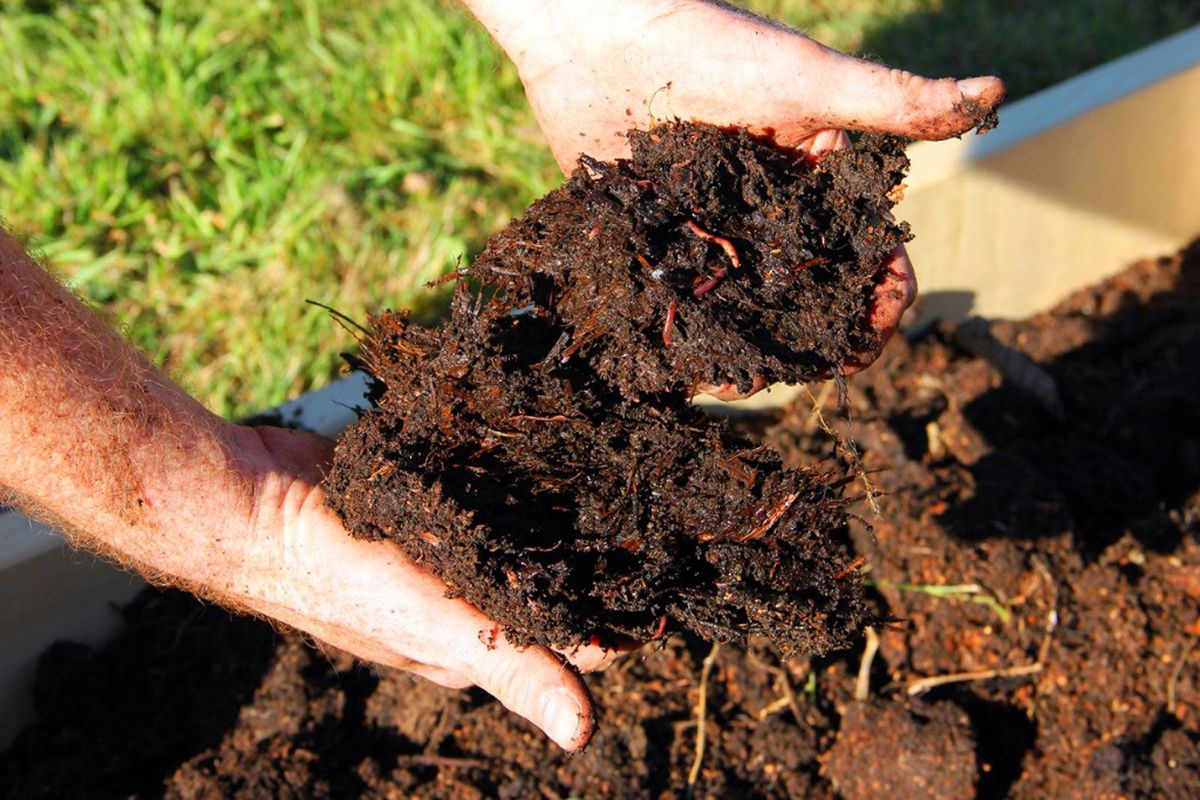
When adding soil to compost, choose soil types like sandy, clay, or loamy for specific benefits. Aim for 10-30% soil to total composition ratio to boost microbial activity and nutrient availability. Avoid exceeding 20% soil content to prevent issues like compaction hindering aeration. Proper mixing is key for balanced nutrition; strive for a 1:4 soil to organic matter ratio. Adjust based on plant needs and soil type. Enhance decomposition process with soil organisms, retain moisture, and improve aeration. Avoid common problems like foul odors, slow decomposition, and pests by monitoring the mix. Achieve optimal plant growth with a soil-compost blend.
Importance of Adding Soil to Compost
Adding soil to compost is crucial for kickstarting the decomposition process efficiently. When you incorporate soil into your compost pile, you introduce a diverse range of beneficial soil microbes that play a vital role in breaking down organic materials. These microorganisms thrive in the soil and help accelerate the decomposition process by feeding on the organic matter within the compost pile.
The soil acts as a catalyst, providing essential organisms and nutrients that are necessary for effective composting. By including soil in your compost mix, you enhance microbial activity, leading to a quicker breakdown of the organic materials present. Additionally, soil helps to balance the carbon-nitrogen ratio in the compost pile, creating optimal conditions for decomposition to occur.
Understanding Soil Types for Composting
Understanding the different soil types suitable for composting is essential for optimizing the decomposition process and nutrient balance in your compost pile. Here are some key points to consider when assessing soil types for composting:
- Sandy Soil: Sandy soil, known for its excellent drainage properties, can help prevent waterlogging in the compost pile. However, it may lead to faster moisture loss, requiring more frequent monitoring and watering to maintain optimal moisture levels for decomposition.
- Clay Soil: Clay soil, with its high water retention capacity, can help keep the compost moist. Yet, excessive clay can hinder aeration and lead to compacted compost, slowing down decomposition. Mixing clay soil with other soil types can help strike a balance.
- Loamy Soil: Loamy soil, considered the ideal soil type for composting, offers a harmonious blend of sand, silt, and clay. This balanced composition provides adequate moisture retention and drainage, promoting optimal conditions for microbial activity and decomposition in the compost pile.
Quantity Ratio for Soil and Compost
When adding soil to your compost, aim for a ratio of approximately 1 part soil to 4 parts organic matter by volume. This proportion helps maintain a balance for optimal decomposition and nutrient levels. Be cautious not to exceed 20% soil content, as too much soil can hinder aeration and slow down the composting process.
Optimal Soil Proportion
What is the recommended soil proportion for optimal composting efficiency and quality? The ideal soil quantity in a compost mix is typically around 10-30% of the total composition. Here’s how you can achieve the optimal soil proportion for your compost pile:
- Measure Carefully: Start by calculating the total volume of compost materials you have gathered.
- Calculate the Range: Determine the percentage of soil needed by aiming for a ratio within the 10-30% range.
- Mix Thoroughly: Ensure the soil is evenly distributed throughout the compost pile to promote a balanced microbial environment.
Soil Addition Challenges
Achieving the optimal balance between soil and compost quantities presents challenges that directly impact the effectiveness of your composting process. When considering the quantity ratio for soil and compost, it is essential to find the right mix to promote efficient decomposition and nutrient-rich compost. Adding soil to compost can be tricky, as both too much and too little soil can have negative consequences on the composting process. The table below outlines some key challenges and considerations when determining the soil addition ratio for your compost.
| Soil Addition Challenges | Solutions |
|---|---|
| Adding too much soil | Monitor soil quantity carefully to avoid impeding decomposition. |
| Insufficient soil in the mix | Adjust the soil ratio to ensure proper structure and microbial activity. |
| Balancing soil quantity | Experiment with different ratios based on the composting materials used. |
| Impact on compost quality | Regularly assess the compost texture and nutrient content to optimize the soil ratio. |
Enhancing Soil Ecosystem With Compost
By incorporating soil into compost, you can significantly enhance the soil ecosystem with a diverse range of beneficial soil microbes. Here’s how it works:
- Microbial Diversity: Introducing soil into the compost bin promotes a rich array of beneficial microorganisms such as bacteria, fungi, and actinomycetes. These microbes play essential roles in breaking down organic matter, releasing nutrients, and suppressing harmful pathogens.
- Nutrient Enrichment: Soil addition to the compost mixture provides a boost of essential nutrients like nitrogen, phosphorus, and potassium. This nutrient-rich environment supports healthier plant growth and enhances the overall fertility of the soil.
- Soil Structure Improvement: The combination of soil and compost improves soil structure by enhancing aggregation, aeration, and water retention capacity. This results in a well-balanced soil ecosystem that supports plant roots, promotes beneficial soil organisms, and fosters sustainable plant growth.
Challenges of Improper Soil-Compost Mix
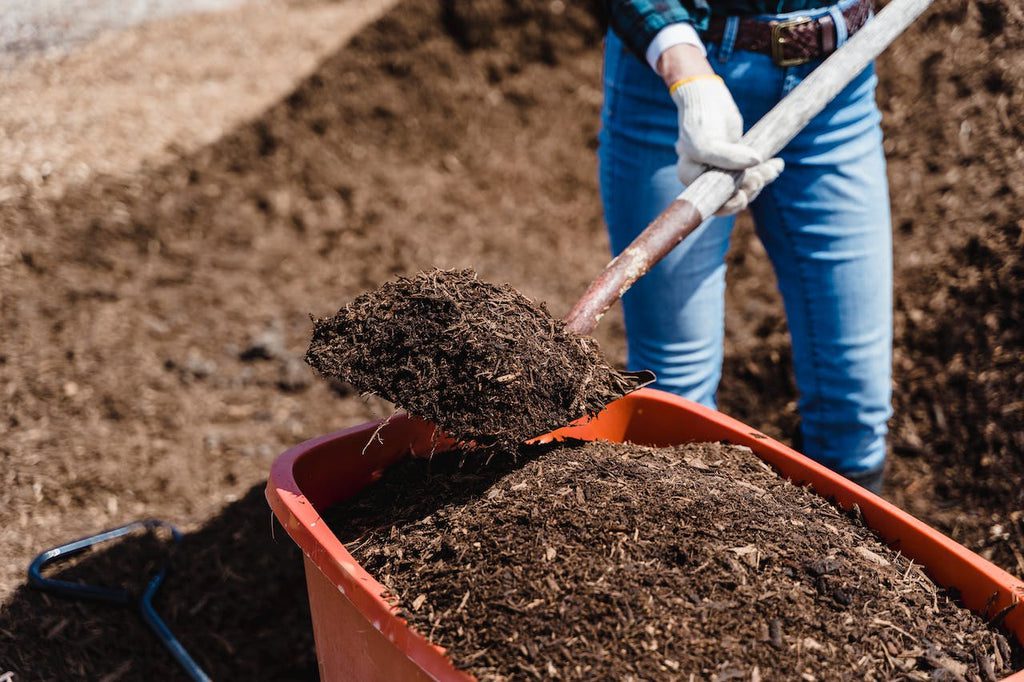
When the soil-compost mix is not properly balanced, you may encounter compaction issues within the compost pile. This can lead to reduced airflow and hinder the decomposition process. Nutrient imbalances can arise, affecting the overall quality and effectiveness of the composting process.
Compaction Issues
Improper mixing of soil and compost can result in compaction issues that impede aeration, microbial activity, root growth, and nutrient absorption in plants. Compacted compost restricts the movement of air and water, creating an inhospitable environment for beneficial microbes and plant roots. This leads to decreased nutrient availability for plant uptake, stunting their growth and overall health. To visualize the consequences of compaction issues:
- Picture a dense, compacted soil-compost mix squeezing tightly around plant roots, limiting their ability to spread and absorb essential nutrients.
- Envision trapped air pockets within the compacted compost, preventing proper aeration and suffocating microbial life crucial for nutrient cycling.
- Imagine water pooling on the surface of the compacted mix, unable to infiltrate and causing drainage problems that further exacerbate plant stress.
To mitigate compaction challenges, incorporating lighter, well-draining soil types in compost mixes is crucial for maintaining optimal soil structure and promoting healthy plant growth.
Nutrient Imbalance
Mixing soil and compost incorrectly can result in a nutrient imbalance, impacting plant health and growth. Nutrient imbalances caused by improper soil-compost mixes can lead to excessive levels of nutrients such as phosphorus, potassium, and nitrogen. This imbalance may hinder nutrient availability and uptake in plants, potentially causing deficiencies. Furthermore, an imbalanced compost mix can disrupt the absorption of essential nutrients by plants due to the high concentration of certain elements. Alterations in soil pH resulting from incorrect soil-compost ratios can further exacerbate nutrient availability issues, affecting overall plant growth. Symptoms of nutrient imbalance, including stunted growth, yellowing leaves, and diminished plant health, are common consequences of improperly mixed soil and compost. To ensure optimal plant nutrition and growth, it is crucial to maintain a balanced soil-compost mix that provides plants with the necessary nutrients in appropriate proportions.
Tips for Effective Soil Conditioning
Consider incorporating a 1:5 ratio of soil to organic matter for optimal conditioning of your compost. This ratio provides a good balance, ensuring that the soil contributes essential minerals and microorganisms while the organic matter supplies nutrients and aids in moisture retention. To enhance the effectiveness of soil conditioning in your compost, follow these tips:
- Choose Sandy Loam Soil: Opt for sandy loam soil as it improves aeration within the compost pile, allowing for better oxygen flow essential for the decomposition process. Additionally, sandy loam soil helps retain moisture without causing waterlogging issues.
- Introduce Aged Composted Soil: Mixing in aged composted soil introduces a diverse range of beneficial microbes into your compost mix. These microbes aid in breaking down organic matter more efficiently, accelerating the decomposition process.
- Experiment with Soil Types: Try out different soil types to discover the optimal combination for your compost mix. By experimenting, you can find the right balance that suits your specific composting needs and environmental conditions.
Avoiding Issues With Bed Volume
To prevent excessive increase in bed volume, carefully assess the amount of compost being added to avoid potential issues. When incorporating composted manure into your beds, it’s crucial to strike a balance between improving soil health and managing bed volume expansion. Adding too much composted manure can lead to unnecessary bulkiness in the beds, making it harder for plants to establish their roots effectively. There is a debate on whether to remove clay or simply add compost to avoid volume issues, but finding the right ratio of composted manure to add to new beds is key.
Balancing the need for soil improvement with bed volume concerns is essential. Effective amendment of clay soil requires a thoughtful approach to prevent excessive increase in bed volume. By carefully measuring and monitoring the amount of composted manure being added, you can avoid unnecessary complications and ensure that your plants have the best possible growing conditions.
Solutions for Decomposition Problems
To troubleshoot decomposition issues, consider adding more nitrogen-rich materials like grass clippings or kitchen scraps to your compost pile. Ensure proper aeration by regularly turning your compost to boost decomposition efficiency. Adjust moisture levels in the pile to a damp but not waterlogged state to address slow decomposition.
Decomposition Troubleshooting Tips
Check the moisture content and nitrogen levels in your compost pile when troubleshooting decomposition issues. Ensuring the right balance of these components is crucial for the efficient breakdown of organic matter. Here are some troubleshooting tips to help you address common decomposition problems:
- Adjust Moisture Levels: If your compost pile is too dry, add water gradually while mixing the materials. Conversely, if it’s too wet, incorporate dry materials like straw or leaves to improve aeration and balance moisture levels.
- Increase Nitrogen-Rich Materials: Lack of nitrogen-rich materials can slow down decomposition. To address this, add more green materials like kitchen scraps, grass clippings, or plant trimmings to provide the necessary nitrogen for microbial activity.
- Regular Turning: Turning your compost pile regularly can introduce oxygen, aiding in the decomposition process. This helps break down materials faster by providing aeration and ensuring even distribution of moisture and nutrients throughout the pile.
Enhancing Microbial Activity
Enhancing microbial activity in your compost can significantly improve decomposition efficiency and address common issues in the breakdown process. By introducing soil organisms into your compost mix, you can stimulate the activity of beneficial bacteria and fungi, accelerating the decomposition of organic matter. This helps resolve slow composting problems and ensures a more efficient breakdown process. Soil addition also plays a crucial role in balancing the carbon-nitrogen ratio, further aiding in addressing challenges related to decomposition.
To better understand how soil organisms enhance microbial activity in compost, consider the following table:
| Benefit | Explanation |
|---|---|
| Accelerated Decomposition | Introduction of soil organisms speeds up the breakdown of organic materials. |
| Improved Nutrient Cycling | Soil organisms enhance the recycling of nutrients within the compost pile. |
| Enhanced Microbial Diversity | Diversity of soil organisms enriches the microbial community in the compost. |
Balancing Moisture Levels
Maintaining appropriate moisture levels in your compost is crucial for optimizing decomposition efficiency and preventing common issues that may arise during the breakdown process. To balance moisture levels effectively, consider the following:
- Regular Monitoring: Check the moisture content of your compost regularly by taking a handful and squeezing it. The ideal moisture level should be akin to a wrung-out sponge, where the material holds together without excessive dripping.
- Adjusting with Water or Soil: If your compost is too dry, add water in small increments, mixing well each time, until the moisture level is optimal. Conversely, if it’s too wet, incorporate dry materials like straw or shredded paper to absorb excess moisture.
- Layering Techniques: Implement layering techniques while building your compost pile. Alternate moist materials like food scraps with dry materials such as leaves or sawdust. This helps in naturally balancing moisture levels throughout the composting process.
Benefits of Soil and Compost Integration
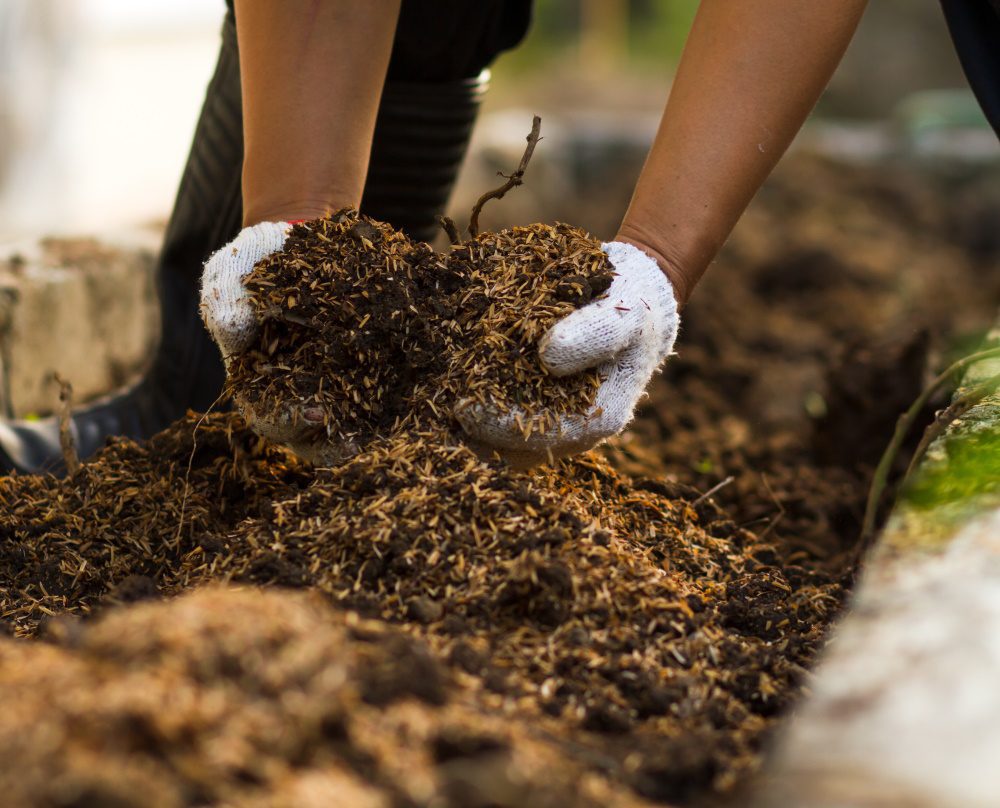
Integrating soil into compost offers numerous benefits that enhance the overall decomposition process and quality of the final product. Soil plays a crucial role in composting by introducing essential soil organisms that aid in breaking down organic matter effectively. Here are some key benefits of integrating soil into compost:
| Benefits of Soil and Compost Integration |
|---|
| Enhances decomposition process by introducing beneficial soil organisms |
| Retains moisture in the compost pile, promoting optimal conditions for microbial activity |
| Improves aeration within the compost, aiding in the breakdown of organic materials |
| Speeds up maturation process, resulting in a crumbly texture |
Troubleshooting Common Composting Problems
If you encounter issues such as foul odors, fruit flies, slow decomposition, unwanted pests, or mold growth in your compost, it is crucial to address these common problems promptly to ensure successful composting. Here are three troubleshooting steps to help you overcome these challenges:
- Proper aeration: Ensure your compost pile has enough airflow by turning it regularly to prevent anaerobic conditions that lead to foul odors and mold growth.
- Balanced materials: Maintain a balance between green (nitrogen-rich) and brown (carbon-rich) materials in your compost to deter fruit flies and promote efficient decomposition.
- Layering technique: Use a thin layering method when adding materials to your compost bin to prevent slow decomposition. Alternating green and brown materials in a thin layer helps create the ideal environment for microorganisms to break down the compost efficiently.
Optimizing Plant Growth With Soil-Compost Blend
To optimize plant growth effectively, consider blending soil with compost to provide essential nutrients and enhance soil structure for healthier plants. Adding compost to soil creates a nutrient-rich mixture that benefits plants by improving soil fertility and structure. The addition of compost aids in creating a balanced soil ecosystem, ensuring that plants receive the necessary nutrients for robust growth. By carefully balancing the soil-compost ratio, you can promote healthy root development and overall plant health. The combination of soil and compost facilitates the decomposition of organic matter, enriching the soil with vital nutrients that support plant growth. This soil-compost blend offers a practical solution for enhancing plant growth, as it provides a well-rounded approach to soil enrichment. Incorporating compost into your soil not only boosts fertility but also improves the soil’s ability to retain moisture and support beneficial microbial activity. By utilizing a soil-compost blend, you can create an optimal environment for your plants to thrive.