
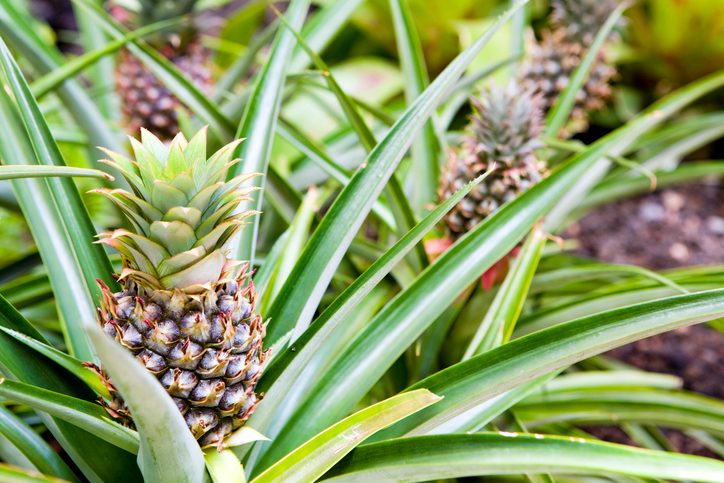
Yes, pineapple is indeed a fruit with a rich history. Originating in the Amazon rainforest over 3,000 years ago, it was cherished by the Tupinamba people. Christopher Columbus introduced it to Europe in 1493. Symbolizing wealth and hospitality, pineapples are grown in tropical regions globally. Did you know the fruit’s ripeness isn’t just about color? Its sweetness is best gauged by the Brix test. Packed with antioxidants and bromelain for digestion, pineapple is low in calories but high in fiber and vitamin C. So, next time you enjoy this tropical treat, remember its intriguing journey and benefits.
Pineapple Origins
Originating in the lush Amazon rainforest approximately 3,000 years ago, pineapples have a rich history intertwined with various cultures and uses. The Tupinamba people were among the first to utilize pineapples for purposes beyond being a fruit. They made wine, medicines, and even poison arrows from this versatile fruit. When Christopher Columbus encountered pineapples during his voyages in 1493 in the Caribbean, he introduced them to Europe. By the 1550s, pineapples had become a symbol of wealth and luxury in European societies. The rarity and exotic nature of the fruit made it a status symbol among the elite. By the 18th century, pineapples had transcended their status as a mere fruit and were used in art and architecture as a welcoming symbol, adorning various structures to signify hospitality and opulence. The journey of the pineapple from the dense Amazon rainforest to becoming a representation of wealth and luxury is a fascinating tale of cultural exchange and symbolism.
Ancient Symbolism
Pineapples, revered for their symbolism of hospitality and opulence, held a significant role in ancient cultural practices and artistic expressions. In various ancient civilizations, pineapples were not just fruits but symbols of luxury, generosity, and abundance. The pineapple’s association with hospitality made it a popular decorative motif in art, architecture, and banquets. Its rarity and cost also elevated it to a status symbol, particularly in European history, where displaying pineapples was a sign of wealth and prestige.
Throughout history, the pineapple’s symbolism evolved, transcending mere opulence to represent warmth, welcome, and abundance in cultural contexts. This shift in meaning highlights the cultural evolution of the pineapple’s significance beyond its material value. Its enduring presence in art and symbolism underscores the enduring appeal of the pineapple as a representation of generosity and hospitality in various societies.
Colonial Hospitality Fruit
As you explore the colonial history of the pineapple, you will uncover a fascinating tradition of hospitality deeply intertwined with this exotic fruit. Pineapples were not merely a fruit but a symbol of warmth and generosity, adorning tables as a luxurious gesture of welcome. The pineapple’s role as a beacon of hospitality in colonial America sheds light on the intricate connections between food, symbolism, and social customs.
Colonial Pineapple Symbolism
During colonial times, the pineapple emerged as a symbol of hospitality, embodying notions of generosity and warmth within social circles. This exotic fruit was not only a symbol of wealth but also an extravagant fruit that represented lavish entertaining. Hosts would showcase their hospitality by presenting pineapples in various forms to guests, symbolizing a warm welcome and generous reception. The rarity and expensive nature of pineapples in early America elevated their status to that of a luxury item, making them a coveted symbol associated with hospitality and opulent gatherings. The pineapple’s significance extended beyond mere fruit, becoming a motif in art, architecture, and decorative objects as a symbol of welcome and greeting in colonial society. Its ability to convey both status and warmth made it a staple in social settings, where it served as a tangible representation of the host’s generosity and welcoming spirit.
Pineapple Hospitality Tradition
The tradition of using pineapples as a symbol of hospitality originated from a time when extravagant gestures held significant meaning in social interactions. In colonial America, pineapples were not just delicious fruits but served as a representation of warmth, generosity, and welcome. Here’s why this tradition became so entrenched:
- Luxurious Gift: Pineapples were rare and expensive in colonial times, making them a lavish and generous gift to present to guests, showcasing the host’s wealth and hospitality.
- Decorative Motif: The association of pineapples with hospitality grew as they became a popular decorative motif in architecture and art, symbolizing a welcoming atmosphere and generosity to visitors.
- Modern Significance: Even today, the pineapple continues to be a symbol of hospitality in modern culture, representing the spirit of hospitality, friendship, and warmth in various settings.
The pineapple’s enduring legacy as a symbol of hospitality has transcended time, remaining a cherished tradition in welcoming guests with open arms.
Pineapple Seeds Discussion
Small, dark brown or black seeds can occasionally be found in pineapples, offering a potential avenue for propagation but with a longer growth period compared to using offshoots or crowns. While these seeds, also known as daughters, can be used to grow new pineapple plants, it is more common to propagate them from suckers or slips due to the extended time required for seed germination and plant establishment. Offshoots and crowns are often preferred for their quicker growth and reliability in producing healthy pineapple plants. Crowns, the leafy tops of pineapples, can be successfully utilized to start new plants at home by planting them in soil after drying them out for a few days. On the other hand, seeds can be a fascinating option for those looking to experiment with the cultivation process, although they may require more patience and care. Overall, while pineapple seeds offer a means of propagation, many pineapple enthusiasts opt for the more efficient methods of offshoots and crowns for growing new plants.
Ripe Indicator Misconceptions
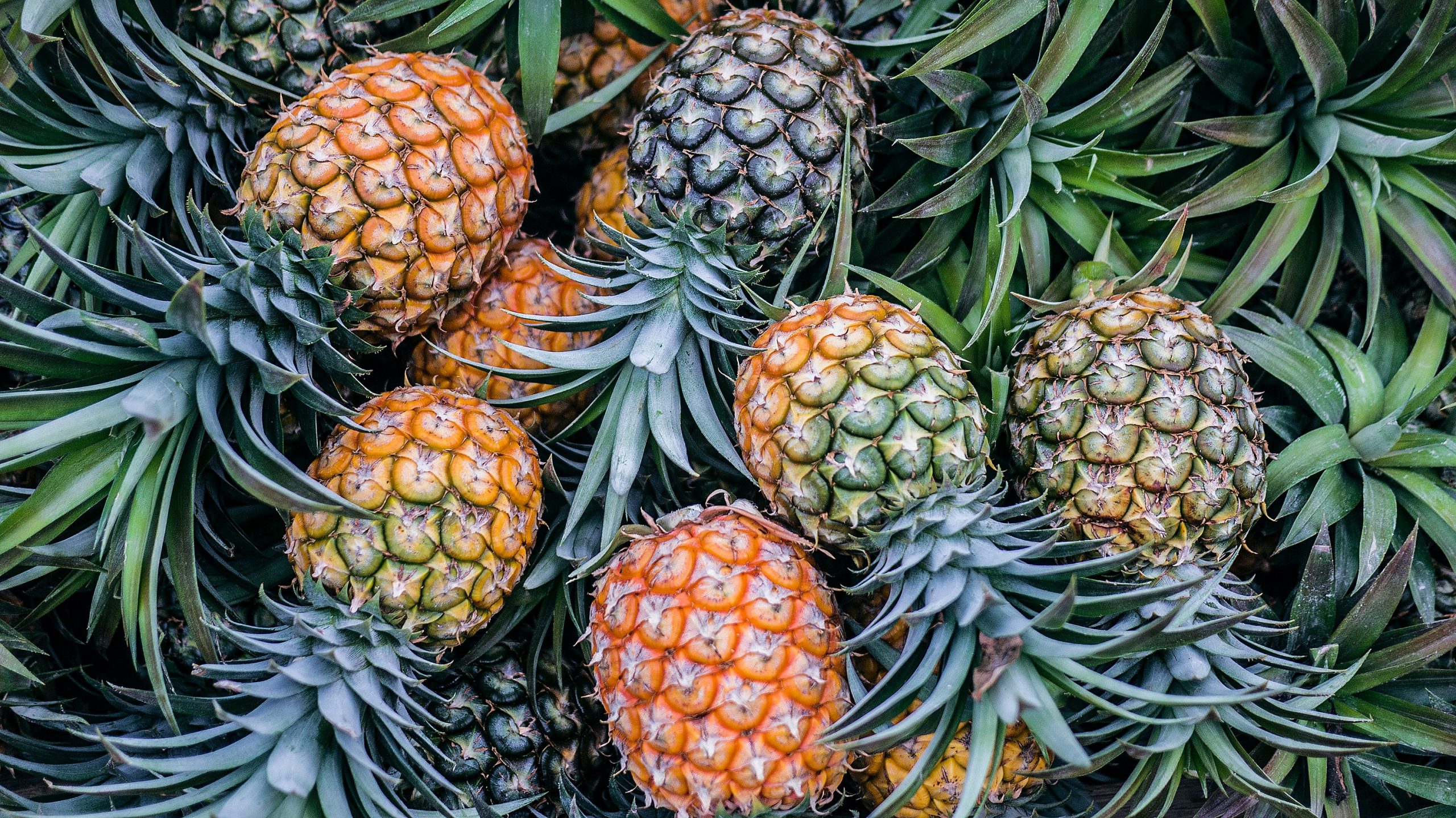
Pineapple ripeness is not solely determined by the color of the fruit, challenging common misconceptions about ripe indicators. When determining if a pineapple is ripe, it’s essential to consider various factors beyond its color. Here are some key points to keep in mind:
- The color of a pineapple may vary depending on the type and harvest time, making it an unreliable indicator of ripeness.
- Ripe pineapples can still be green, so sweetness should be assessed using a Brix test for accurate ripeness evaluation.
- Loose leaves in the crown do not always signify ripeness; instead, focus on the aroma at the base for sweetness and check the weight for juiciness.
Crown Leaves Misunderstanding
When it comes to pineapples, the number of leaves in the crown can be misleading. Contrary to popular belief, the ripeness of a pineapple is not solely determined by the crown’s appearance. Understanding the true indicators of ripeness, such as sweetness, aroma, weight, and firmness, is crucial for enjoying a perfectly ripe pineapple.
Crown Leaves Symbolism
The misconception surrounding the symbolism of crown leaves on a pineapple often leads to confusion about the fruit’s ripeness. While many believe that the leaves’ looseness indicates ripeness, this is not entirely accurate. Here’s why:
- Leaves on a pineapple crown are not a reliable indicator of ripeness: The firmness or looseness of the leaves does not necessarily correlate with the fruit’s readiness to eat.
- Loose leaves do not mean it is ripe: Even if the leaves are easy to pull out, the pineapple may still be unripe.
- Ripeness is better determined by smell, weight, and base sweetness: Instead of focusing on the crown leaves, pay attention to the fruit’s aroma, heaviness for its size, and the sweetness at the base.
Misconceptions Clarified
To clear up any misunderstandings about crown leaves on a pineapple, it is crucial to recognize that the looseness of the leaves is not a reliable indicator of the fruit’s ripeness. Despite common myths perpetuated by sources like the Colonial Williamsburg Journal, where tales of a ship captain sacrificing something so rare that it was thicker than his thumb in exchange for a pineapple were shared, the truth remains that the leaves’ tightness is not a dependable measure of ripeness. Ripe pineapples can be better identified by their sweet aroma at the base, weight, and juiciness, rather than relying on the crown leaves. While gift shops and sales clerks may tout the symbolism of a little brass pineapple bookmark sold as a sign of warmth and hospitality, the reality is that the pineapple’s ripeness is best determined through other sensory cues. Color variations in pineapples are influenced by factors such as the type and timing of the harvest, not necessarily ripeness.
Bromelain Protein Breakdown
Discover how bromelain, an enzyme abundant in pineapple, actively aids in the breakdown of proteins to enhance digestion and overall health. Bromelain, mainly concentrated in the stem of the pineapple, has anti-inflammatory properties that can benefit various health conditions. Research suggests that this proteolytic enzyme may support weight management by enhancing nutrient absorption and promoting satiety.
- Bromelain is an enzyme found in pineapple that aids in the breakdown of proteins.
- It helps improve digestion by breaking down complex protein structures into simpler forms.
- Bromelain has anti-inflammatory properties, making it beneficial for various health conditions.
Fat Burning Myth Dispel
You may have heard claims about pineapple being a fat-burning miracle, but let’s uncover the truth. The enzyme bromelain in pineapple does not directly burn fat but aids in digestion and nutrient absorption, which can indirectly support metabolism. While enjoying pineapple won’t magically melt away fat, its nutrient profile and digestive benefits make it a valuable addition to a healthy diet.
Pineapple Enzyme Benefits
Pineapple’s enzyme, Bromelain, contributes to health benefits beyond fat burning, focusing instead on aiding protein digestion and reducing inflammation. Bromelain, found in pineapple, plays a crucial role in breaking down proteins, supporting digestive functions. Additionally, this enzyme possesses anti-inflammatory properties, which can help alleviate symptoms of edema and cellulite. Furthermore, pineapple’s low-calorie content and high fiber make it a great choice for promoting satiety and aiding in weight management. Bromelain supplements are available to support overall digestive health and reduce inflammation in the body. While pineapple may not directly burn fat, it offers a wide range of health benefits that go beyond weight loss. Incorporating this tropical fruit into your diet can provide various advantages, from aiding digestion to reducing inflammation, ultimately contributing to your overall well-being.
Metabolism Boosting Properties
Bromelain in pineapple may not directly contribute to fat burning, but its metabolism-boosting properties offer valuable health benefits that go beyond weight loss. Pineapple aids in protein breakdown, supporting muscle recovery and growth. Its high fiber content promotes satiety, reducing overall calorie intake and aiding in weight management. Additionally, pineapple is a rich source of vitamin C, manganese, and essential nutrients necessary for overall health and well-being. Including pineapple in your diet can help you achieve a balanced intake of these vital nutrients.
| Metabolism Boosting Properties | Benefits |
|---|---|
| Protein breakdown | Supports muscle recovery and growth |
| Fiber content | Promotes satiety, reduces calorie intake |
| Essential nutrients | Rich in vitamin C, manganese, and more |
Pineapple Cutting Techniques
When preparing a pineapple, utilizing a pineapple corer can significantly streamline the cutting process by efficiently removing the fibrous core and prickly skin. This kitchen tool is a game-changer for pineapple lovers, making the preparation quick and hassle-free. Here are some cutting techniques that can help you make the most out of your pineapple corer:
- Start by cutting off the top and bottom of the pineapple.
- Use the corer to remove the fibrous core in a swift twisting motion.
- Peel off the prickly skin and carefully remove any remaining eyes or brown spots to ensure smooth, delicious pineapple slices.

Coring Tool Benefits
Utilizing a pineapple corer streamlines the pineapple cutting process by efficiently removing the fibrous core and prickly skin, making preparation quick and hassle-free. This handy tool not only saves time but also ensures that you can create uniform pineapple rings or chunks for various culinary uses. By eliminating the tough core, the corer helps in achieving a smoother texture in pineapple dishes, enhancing the overall taste and presentation. Whether you prefer fresh pineapple in salads, desserts, or savory dishes, using a corer can elevate your culinary creations. With pineapple corers available in different designs, sizes, and materials, you can choose one that suits your individual preferences and kitchen needs. Say goodbye to the tedious task of coring a pineapple by hand and embrace the convenience and precision that a pineapple corer brings to your cooking adventures.
Nutritional Value Insights
Rich in essential nutrients, pineapple is a tropical fruit that offers a variety of health benefits. This delicious fruit is not only tasty but also packed with goodness for your body. Here are some key insights into the nutritional value of pineapple:
- Fiber and Vitamins: Pineapple is a good source of dietary fiber, which aids in digestion, and vitamins C and A, essential for immune function and skin health.
- Minerals: Loaded with minerals like manganese and potassium, pineapple contributes to overall well-being and muscle function.
- Bromelain Benefits: The presence of bromelain in pineapple provides anti-inflammatory properties and aids in digestion, making it beneficial for gut health.
With its low-calorie and low-fat content, pineapple is a fantastic addition to any diet. Its high water content not only helps with hydration but also assists in maintaining a healthy digestive system. By including pineapple in your meals, you can enjoy a tasty treat while reaping a multitude of health benefits.
Pineapple Recipes and Uses
Exploring the versatility of pineapple in various culinary creations unveils a world of delightful recipes and uses for this tropical fruit. Pineapple can elevate dishes in numerous ways – from the sweet and smoky flavor it adds when grilled to the tangy kick it brings as a pineapple salsa. Grilled pineapple, with its caramelized sugars and charred edges, makes a delectable addition to savory dishes or as a standalone treat. The vibrant and zesty pineapple salsa serves as a perfect accompaniment to seafood or grilled meats, providing a burst of freshness with every bite. Pineapple juice is a versatile ingredient, commonly used in cocktails, marinades for meats, and as a natural sweetener in both sweet and savory recipes. For a convenient and tasty snack, dried pineapple offers a portable solution that retains the fruit’s natural sweetness and chewy texture. Incorporating pineapple into your cooking repertoire opens up a world of flavors and possibilities to explore.
Health Benefits Analysis
Let’s delve into the health benefits of incorporating pineapple into your diet, starting with its rich content of bromelain, a potent enzyme with anti-inflammatory properties that support digestion and overall well-being. Pineapple offers a plethora of health benefits:
- Bromelain: This enzyme aids in protein digestion, reduces inflammation, and can help with pain relief and improved circulation.
- Vitamin C and Essential Nutrients: Pineapple is a good source of vitamin C, manganese, and other essential nutrients vital for overall health.
- Weight Management and Satiety: The high fiber content in pineapple promotes satiety, aiding in weight management and providing a feeling of fullness.
Incorporating pineapple into your diet not only supports fat burning but also offers a range of health benefits beyond weight management. Enjoy this tropical fruit as part of a balanced diet to reap its nutritional advantages and enhance your overall well-being.