
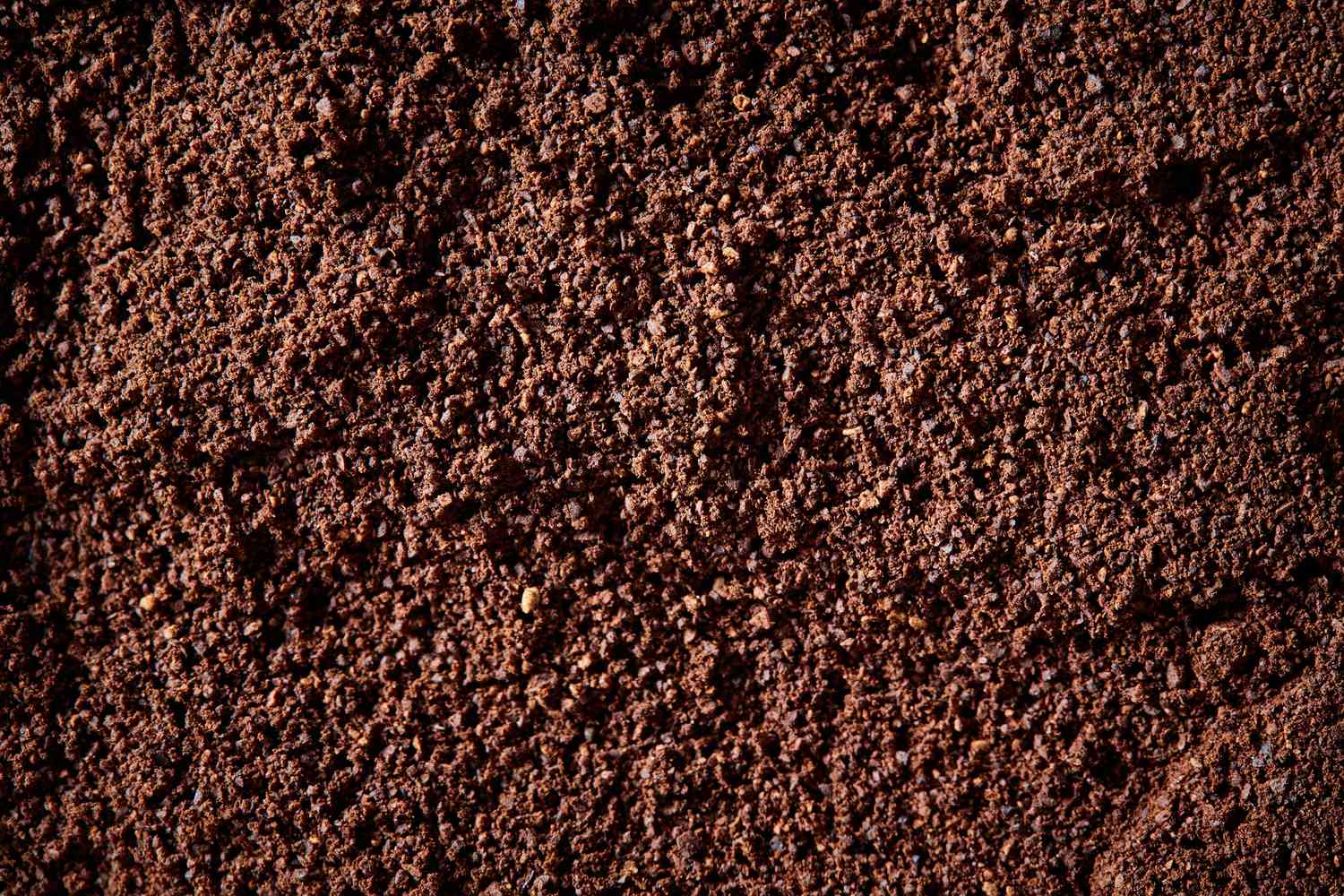
When using blood meal, watch for strong odors that can attract pests. Excessive nitrogen might harm plants, causing leaf scorching. Overapplication can disrupt soil balance, hindering plant growth. Some plants can’t handle the acidity blood meal brings, like blueberries. Monitor plants for nitrogen burn and consider alternatives like fish emulsion. Be cautious with the application to avoid over-fertilization. Compost is a great alternative with balanced nutrients. Make informed choices for healthier gardening practices. More insights on better fertilizing methods are available ahead.
1. Strong Odor Concerns
The strong odor emanating from blood meal, attributed to its animal origin and decomposition process, can pose significant challenges during application and storage. This unpleasant smell may not only be off-putting but also have lingering effects in the surrounding areas. To mitigate this issue, proper storage in sealed containers is recommended to contain the odor when the blood meal is not in use. Additionally, considering alternatives such as fish emulsion or bone meal can be beneficial if the odor of blood meal is a concern for you. These alternatives offer similar benefits without the strong smell associated with blood meal. By storing blood meal in airtight containers and exploring alternative options, you can effectively manage the odor issue and avoid potential drawbacks related to the strong scent. Remember that the odor can also attract pests, so taking precautions to minimize its impact on the garden environment is crucial for a healthy and thriving garden.
2. Potential Plant Harm From Nitrogen
Strong odor concerns aside, excessive nitrogen from blood meal can have detrimental effects on plants, including leaf scorching and nutrient imbalances in the soil. When plants receive an excess of nitrogen, they can suffer from nitrogen burn, which manifests as the browning and death of leaf margins. This not only affects the aesthetic appeal of the plants but also hampers their overall health and growth. Moreover, the abundance of nitrogen can lead to nutrient imbalances in the soil, disrupting the uptake of other essential nutrients vital for plant development.
In the case of legumes, plants that rely heavily on nitrogen fixation, an overabundance of nitrogen can impede nodulation and inhibit the plant’s ability to convert atmospheric nitrogen into a usable form. To maintain plant health and ensure a balanced nutrient supply, it is advisable to consider alternative fertilizers such as bone meal or compost. These alternatives provide a more sustainable approach to nurturing plants without risking the negative impacts associated with excessive nitrogen levels.
3. Negative Effects of Overapplication
When blood meal is excessively applied to plants, detrimental effects on plant health and growth can result. Overapplication can lead to nitrogen burn, causing damage to plants and hindering their growth. Additionally, excessive use of blood meal can disrupt the soil balance, leading to nutrient imbalances that reduce overall plant health. Plants may exhibit symptoms of dryness and leaf burn when too much blood meal is applied, impacting their vitality. Moreover, the risk of attracting unwanted pests to the garden increases with the overapplication of blood meal in the soil, further jeopardizing plant well-being.
To mitigate these negative effects, it is crucial to follow recommended dosage rates when using blood meal as a fertilizer. It is also advisable to consider alternative fertilizers such as compost or fish emulsion to provide plants with essential nutrients without the risk of overapplication. By being mindful of the quantities used and exploring other fertilization options, you can maintain healthy plants and avoid the pitfalls associated with excessive blood meal application.
4. Unsuitability for Certain Plant Types
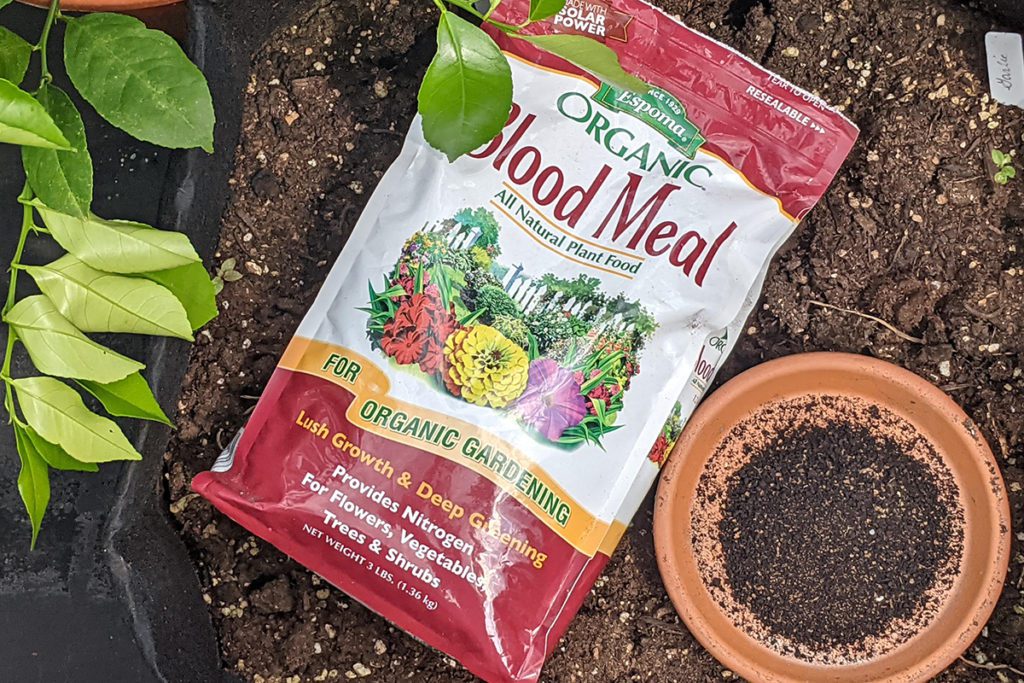
Incompatible with plants favoring neutral to alkaline soil pH, blood meal can elevate soil acidity levels. This poses a problem for acid-loving plants like blueberries, azaleas, and rhododendrons, which thrive in more acidic conditions. Using blood meal on these plants may disrupt their preferred soil pH, leading to nutrient deficiencies and stunted growth. Additionally, plants sensitive to high nitrogen levels, such as root vegetables like carrots or beets, can be adversely affected by the concentrated nitrogen content in blood meal, potentially resulting in over-fertilization issues.
To avoid these negative effects, it’s important to consider the specific needs of your plants. For those that require a more balanced nutrient profile, alternatives like compost or fish emulsion can provide a gentler and more suitable option for fertilization. Understanding the soil pH requirements and nutrient preferences of your plant types is crucial in selecting the right fertilizer to support their growth effectively while avoiding any detrimental consequences of using blood meal.
Precautions and Monitoring Tips
Vigilance in observing plant health indicators and implementing appropriate measures is essential when utilizing blood meal as a fertilizer. Here are some precautions and monitoring tips to consider:
- Monitor for Nitrogen Burn and Over-Fertilization: Keep a close eye on your plants for signs of nitrogen burn, such as yellowing or browning of leaves, and adjust the blood meal application if necessary to prevent over-fertilization.
- Watch Out for Pests: Pests are often attracted to the high nitrogen content in blood meal. Regularly inspect your plants for any pest infestations and take prompt action to mitigate the issue.
- Adjust Soil pH: Blood meal can lead to acidity issues in the soil. Monitor the soil pH regularly and make adjustments using lime or other amendments to maintain optimal pH levels for plant growth.
Alternatives: Fish Emulsion, Compost
Consider incorporating alternatives like fish emulsion or compost as nutrient-rich options to replace blood meal in your fertilization practices. Fish emulsion serves as a sustainable alternative, offering a balanced blend of nitrogen, phosphorus, and potassium crucial for plant growth. This organic matter is easily absorbed by plants, supporting overall health and development without the risk of over-fertilization. On the other hand, compost provides a natural solution, enriching the soil with essential nutrients and promoting soil fertility. Its benefits extend to improving soil structure, enhancing microbial activity, and fostering robust root systems in plants. By choosing fish emulsion or compost as alternatives to blood meal, you can ensure a steady supply of nutrients to support healthy plant growth while avoiding the pitfalls associated with over-fertilization. Both options offer a more sustainable and environmentally friendly approach to enhancing soil health and plant productivity.