

Soil can freeze due to a decrease in temperature, causing ice to form below the surface. The depth to which soil freezes depends on factors like texture, moisture, and insulation from materials like snow. When soil freezes, it affects plants by damaging roots, hindering nutrient absorption, and altering soil structure. Ice lenses created by freezing can push soil particles apart, disrupting root growth and nutrient movement. Understanding these impacts is vital for protecting plants. Further exploration into soil freezing causes and its effects on plants can provide valuable insights for optimal plant growth.
Soil Freezing Causes
Soil freezing is primarily triggered by a drop in ground temperature below freezing point, causing ice formation within the soil. The temperature of the soil directly influences the rate at which freezing occurs. As the ground temperature decreases, the water present in the soil starts to freeze, leading to the formation of ice crystals. This process is crucial in understanding the dynamics of soil freezing. Moreover, the texture of the soil also plays a significant role in this phenomenon. Coarse sandy soils, with their larger particles and lower water retention capacity, tend to freeze more rapidly than clayey soils. This distinction is due to the differences in heat conductivity between the soil types. Understanding the relationship between temperature, ice formation, and soil texture is essential in comprehending the mechanisms underlying soil freezing and its implications for various environmental and agricultural processes.
Factors Affecting Freezing Depth
Air temperature, soil moisture content, and soil composition are key factors influencing the freezing depth in soil. Higher moisture content accelerates the freezing process, leading to shallower depths. Additionally, the presence of insulating materials like snow cover can significantly impact how deeply the soil freezes.
Soil Composition Impact
Factors such as moisture content, soil type, and organic matter significantly influence the depth at which soil freezes. Moist soils, with their higher water content, tend to freeze more readily and at shallower depths than dry soils. Sandy soils freeze deeper and quicker than clay soils due to differences in their heat storage capacities. The presence of organic matter in soil plays a crucial role in the freezing process, acting as an insulator that can impact both the speed and depth of freezing. Additionally, the composition of soil, influenced by factors like rocks, roots, and debris, can affect freezing depth and the formation of ice lenses within the soil. Understanding the impact of soil composition on freezing depth is essential for predicting how plants may be affected by freezing temperatures and for implementing strategies to protect them from potential damage caused by frozen soil.
Insulation Materials Effectiveness
Insulation materials play a critical role in determining the depth to which soil freezes, with factors such as thickness, material type, and placement significantly influencing freezing depths. Proper insulation reduces heat loss from the ground, limiting soil freezing and protecting plants from harsh winter conditions. Various insulation materials like foam boards, straw, and mulch can be used to insulate the soil and prevent excessive freezing, ensuring the survival of plants in cold climates. Understanding the effectiveness of insulation in reducing heat loss is crucial for maintaining an optimal environment for plant growth.
—
| Insulation Material | Impact on Freezing Depth |
|---|---|
| Foam Boards | Reduces freezing depth |
| Straw | Provides insulation |
| Mulch | Helps retain heat |
| Blankets | Limits heat loss |
| Hay | Shields from cold |
Weather Conditions Influence
Weather conditions significantly impact the depth to which soil freezes, with factors such as air temperature, soil moisture content, and snow cover playing key roles in determining freezing depths. Lower air temperatures result in deeper soil freezing, while snow cover acts as an insulating layer, reducing the depth of frost penetration. Soil moisture content also plays a crucial role; high moisture levels facilitate faster and deeper freezing compared to drier soil conditions. In regions with low temperatures, limited snow cover, and high soil moisture, the ground tends to freeze faster and to greater depths. The freezing depth can vary significantly, ranging from a shallow freeze of a few inches to a deep freeze of several feet, depending on the prevailing weather conditions. Understanding these dynamics is essential for assessing the potential impact on plant root systems and guiding agricultural practices to mitigate the effects of soil freezing on crops.
Impacts on Plant Roots
Soil freezing exerts detrimental effects on plant roots, primarily through the formation of ice that can lead to cell damage and reduced water uptake. When ice forms in the soil, it can disrupt the delicate structures of plant roots, hindering their ability to absorb nutrients effectively. The impacts of soil freezing on plant roots include:
- Ice Formation: Ice crystals can pierce through root cells, causing physical damage and impairing the root’s structural integrity.
- Reduced Water Uptake: The presence of ice in the soil creates barriers for water movement, limiting the amount of water that plant roots can absorb.
- Cell Damage: Ice formation within root tissues can rupture cell membranes and interfere with essential cellular functions, compromising the overall health and vitality of the plant.
These consequences highlight the vulnerability of plant roots to soil freezing and emphasize the importance of protecting root systems from the detrimental effects of icy conditions.

Nutrient Availability Effects
The detrimental effects of soil freezing on plant roots extend to nutrient availability, impacting essential plant nutrients due to reduced microbial activity and impediments to root uptake. When soil freezes, microbial activity responsible for breaking down organic matter and releasing nutrients significantly decreases. This reduction in microbial activity limits the availability of crucial nutrients like nitrogen, phosphorus, and potassium for plant uptake. Additionally, frozen soil creates physical barriers that hinder root systems from accessing these essential nutrients, further exacerbating nutrient deficiencies in plants. As a result, nutrient cycling within the soil slows down, affecting overall plant growth and development. Nutrient imbalances can occur, leading to stunted growth, yellowing of leaves, and reduced flowering or fruiting. The severity of nutrient availability effects caused by soil freezing depends on various factors such as the duration and depth of the freezing, highlighting the importance of understanding and mitigating these consequences for plant health and productivity.
Ice Lenses Disruption
Ice lenses disrupt soil structure by forming thick layers of ice that push soil particles apart. This expansion during freezing can lead to soil heaving and surface deformation, impacting plant roots. Ice lenses also create frost wedging, breaking apart rocks and soil particles, affecting plant root growth and altering soil drainage patterns.
Ice Lens Formation
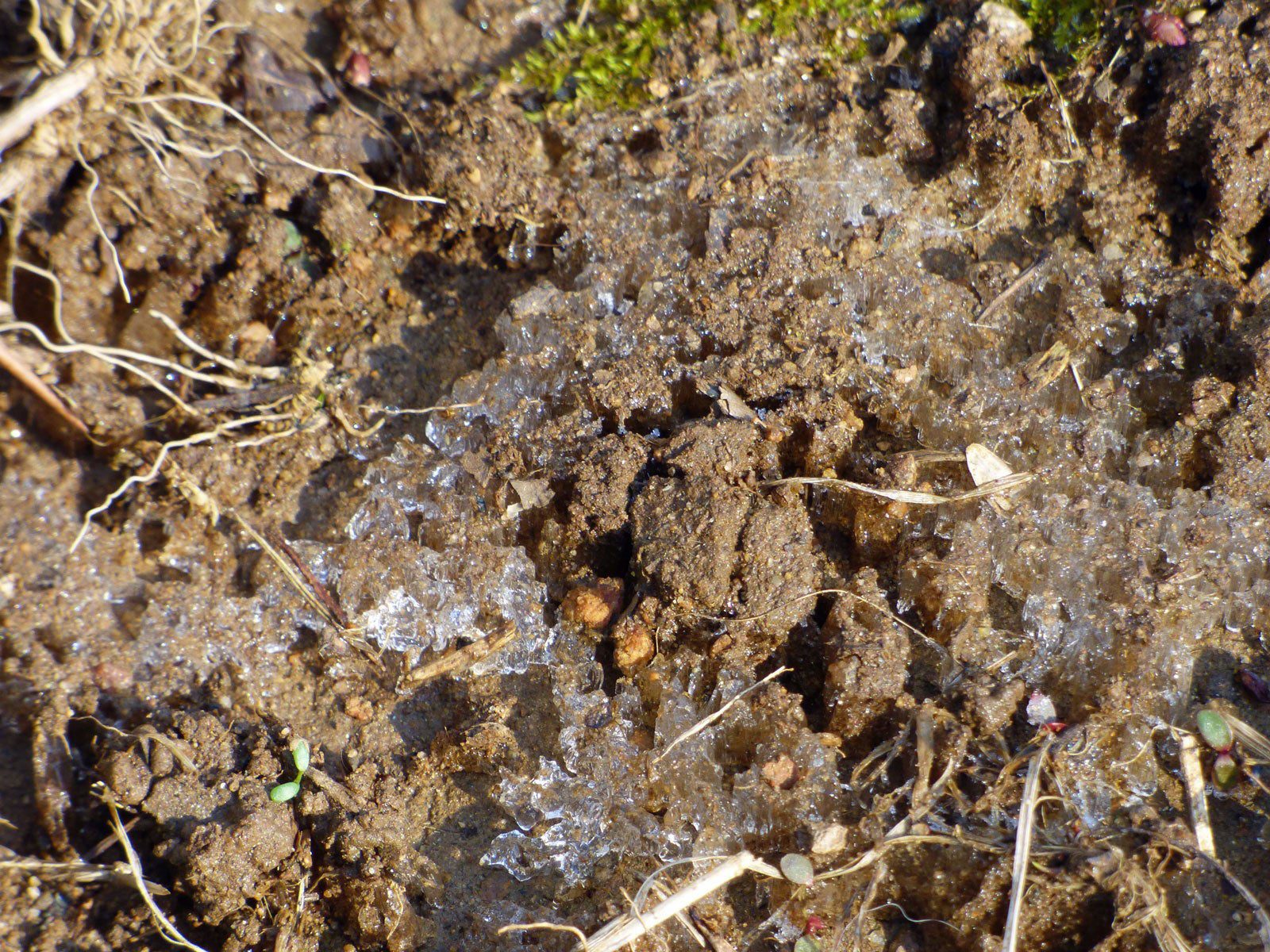
During freezing periods, the formation of ice lenses in soil occurs as water migrates and freezes, creating thin layers of ice. Ice lenses disrupt the soil structure by pushing apart soil particles as they expand during freezing. This disruption leads to mechanical stress within the soil, potentially causing damage. As a result, soil with ice lenses exhibits increased frost heave, where the ground swells upwards due to the formation of ice lenses, reducing its load-bearing capacity. The presence of ice lenses hinders the movement of water and nutrients within the soil, impacting plant root systems.
- Imagine thin layers of ice forming within the soil, pushing soil particles apart.
- Picture the mechanical stress caused by ice lenses disrupting the natural soil structure.
- Visualize the ground swelling due to increased frost heave caused by ice lens formation.
Plant Root Damage
As freezing occurs, the disruption caused by ice lenses forming in the soil can lead to significant damage to plant roots. Ice lenses in frozen soil act as physical barriers that can push aside or crush plant roots, impeding their growth and overall health. These expanding ice formations create mechanical stress on the roots, reducing their ability to absorb water and nutrients efficiently. The restricted water and nutrient flow caused by ice lenses can severely impact the plant’s root system, affecting its anchoring capabilities and nutrient uptake.
Plant root damage from ice lenses in frozen soil weakens the roots, making them more vulnerable to environmental stresses and diseases. The disruption caused by these ice formations not only hinders the plant’s immediate growth but also compromises its long-term health and resilience. It is crucial to understand the detrimental effects of ice lenses on plant roots in frozen soil to implement appropriate measures to mitigate root damage and ensure the overall well-being of plants.
Soil Structure Impact
The impact of soil freezing on its structure can significantly disrupt root growth and overall plant health. When soil freezes, several detrimental effects on soil structure can occur:
- Formation of ice lenses: Ice lenses form as water in the soil freezes, leading to the expansion of ice that can disrupt soil particles and root networks.
- Soil compaction: The mechanical stress from ice formation can compact the soil, reducing pore space essential for air and water movement, hindering root development.
- Alteration of soil porosity: The expansion of frozen water can create cracks and fractures in the soil, altering its porosity and affecting nutrient availability for plant uptake.
These consequences of soil freezing can have profound impacts on plant health, limiting their access to essential nutrients and water. Understanding how soil structure is affected by freezing is crucial for mitigating potential damage to plant root systems and ensuring optimal growth conditions.
Plant Damage Risks
When soil freezes, plants are at risk of experiencing various forms of damage, including root injury, hindered nutrient absorption, and disrupted water movement. Ice formation in the soil can exert mechanical stress on plant roots, impeding their growth and overall health. Consequently, plant tissues may rupture, leading to symptoms like wilting, browning, and a decline in vitality.
Frost’s Impact on Plants
Plant damage risks from frost arise due to the formation of ice crystals within plant cells, leading to cell membrane rupture and potential tissue damage. When frost strikes, the following can occur:
- Delicate plant tissues, such as leaves and flowers, may become wilted and discolored as ice formation disrupts their cellular structure.
- High water content in plants makes them more vulnerable to frost damage, as freezing water expands within cells, causing them to burst.
- Severe frost damage can lead to the death of plant tissues, hindering growth and potentially impacting the overall survival of the plant.
Understanding the detrimental effects of frost on plants is crucial for implementing preventive measures to safeguard them against freezing temperatures. By taking proactive steps such as covering plants, using frost cloth, or providing proper insulation, gardeners and farmers can mitigate the risks of frost damage and ensure the health and vitality of their plants during cold weather.
Recovery After Freezing
Frozen plants exhibit visible signs of damage, including wilting, blackened leaves, and mushy tissues, requiring specific recovery processes to restore their health and vitality. Recovery after freezing involves intricate mechanisms within the plant. Cell repair processes are initiated to address the damage caused by freezing temperatures. Additionally, plants activate new growth pathways to compensate for the loss incurred during freezing events. However, freeze-damaged plants may face challenges such as delayed growth and reduced fruit production due to the impact on plant metabolism. Freezing can disrupt essential metabolic pathways, leading to nutrient imbalances and decreased photosynthesis. To aid in recovery after freezing, corrective measures such as pruning damaged parts and providing optimal care are crucial. By addressing nutrient imbalances and promoting healthy growth conditions, plants can gradually recover and resume their normal physiological functions, mitigating the long-term effects of freezing events.
Environmental Influence Variability
How do environmental factors such as air temperature, soil type, and snow cover contribute to the variability in soil freezing depth? Soil freezing depth is influenced by a combination of factors that interact to create a dynamic environment for plant root systems. Here are three key elements that affect the variability in soil freezing depth:
- Soil Type: Different soil types have varying levels of insulation properties. Sandy soils, for example, tend to freeze deeper and faster than clay soils due to differences in their water content and thermal conductivity.
- Snow Cover: The presence of snow acts as an insulating layer, reducing the depth to which the soil freezes. A thick blanket of snow can significantly mitigate soil freezing depths, protecting plant roots from extreme cold.
- Vegetation Cover: Plants can provide additional insulation to the soil, reducing the impact of freezing temperatures on the root zone. The presence of dense vegetation cover can help moderate soil temperatures and limit frost penetration.
These factors interact in complex ways, leading to spatial variability in soil freezing depths and influencing plant resilience to freezing conditions.
Plant Species Sensitivity
The sensitivity of different plant species to soil freezing plays a significant role in determining their survival and health in cold climates. Some plant species have evolved mechanisms to withstand soil freezing, such as the production of antifreeze proteins or the ability to adjust their cell membrane fluidity. However, other species may be more vulnerable to soil freezing effects, experiencing damage to their root systems and impairing essential functions like nutrient uptake.
Plants with shallow roots or delicate root structures are particularly susceptible to the negative impacts of soil freezing. When soil freezes, it can create ice lenses that disrupt root growth and nutrient absorption, leading to stunted growth and decreased overall plant health. Understanding the varying degrees of plant species sensitivity to soil freezing is crucial for gardeners and landscapers in cold regions to select appropriate plant species and implement strategies to mitigate the effects of soil freezing on nutrient uptake and plant vitality.
Managing Soil Freezing
To effectively manage soil freezing, consider implementing strategic methods such as mulching, covering plants, using raised beds, installing soil heating systems, and maintaining proper watering practices. When dealing with soil freezing, insulation is key to protecting plants from the detrimental effects of cold temperatures. Mulching the soil provides a layer of insulation that helps regulate soil temperature and prevent freezing. Covering plants with frost cloth or other protective barriers acts as a shield against soil freezing, maintaining a more stable environment for plant growth. Raised beds elevate plants above the frozen soil, reducing the risk of root damage caused by soil freezing. Properly installed soil heating systems, such as cables or mats, can actively maintain soil temperature, preventing freezing altogether. Additionally, ensuring adequate watering practices before freezing temperatures set in can help plants better withstand the stress of soil freezing, promoting overall plant protection.