

When nurturing seedlings, using rainwater is key. Its natural softness and balanced pH foster optimal growth. Free from harmful additives, it guarantees healthy development. The pH range of 5.6 to 5.8 benefits acid-loving plants, aiding in soil balance. Rainwater creates a nurturing environment, ensuring nutrient balance and robust growth. For the best results in seedling care, stick to rainwater for purity and vitality, promising the healthiest seedlings.
Benefits of Rainwater for Seedlings
Rainwater, being the optimal choice for seedlings, offers numerous benefits that contribute to their healthy growth and development. Its natural softness and balanced pH make it an ideal source of hydration, promoting robust plant growth.
Unlike tap water that may contain harmful additives, rainwater is free from chlorine and other chemicals, reducing the risk of stress or damage to delicate seedlings. Collecting rainwater isn’t only eco-friendly but also cost-effective, ensuring optimal water quality for your plants.
The purity of rainwater provides seedlings with a clean and nourishing environment, allowing them to thrive without the potential negative effects of contaminants. By utilizing rainwater, you’re giving your seedlings the best chance to develop into strong and resilient plants, displaying vibrant growth and overall health.
Incorporating rainwater into your watering routine can lead to improved outcomes and healthier seedlings in the long run.
Ph Levels in Rainwater
When considering the pH levels in rainwater for your seedlings, it’s important to understand how its natural acidity can impact soil and plant growth. Rainwater typically has a pH level ranging from 5.6 to 5.8, making it slightly acidic. This acidity can play a vital role in balancing soil pH levels, creating an environment conducive to optimal plant growth.
Lower pH levels in rainwater can particularly benefit acid-loving plants such as peppers, providing them with the acidic conditions they thrive in.
Using rainwater for watering your seedlings can offer a more suitable pH environment compared to tap water. The acidity of rainwater helps in maintaining the pH balance necessary for the healthy development of your seedlings. Additionally, collecting and utilizing rainwater for your seedlings not only proves to be beneficial for their growth but also presents a cost-effective and eco-friendly watering solution.
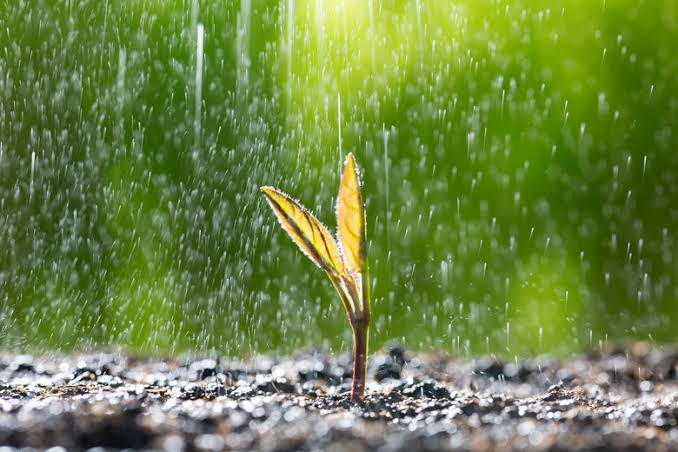
Chemical-Free Hydration
When nurturing seedlings, opt for chemical-free hydration sources like distilled or spring water to protect delicate plants from potential harm caused by tap water additives.
Rainwater, with its balanced pH and absence of harmful chemicals, serves as a natural and beneficial option to support organic growth.
Purified water offers a clean and safe alternative for watering seedlings, promoting optimal development without the risk of chemical interference.
Pure Water Benefits
Pure water, devoid of chemicals, offers essential hydration benefits for seedlings, ensuring optimal growth conditions. Here are some key advantages of using pure water for your seedlings:
- Nutrient Balance: Chemical-free water helps maintain the proper balance of nutrients in the soil, allowing seedlings to absorb essential elements without interference from harmful substances.
- Prevention of Damage: By using pure water, you can prevent potential damage to delicate seedlings that may occur when exposed to chemicals or impurities present in regular water sources.
- Soil Health: Pure water reduces the risk of salt buildup in the soil, which can be detrimental to seedling growth. This creates a healthier environment for seedlings to thrive and develop without the hindrance of soil imbalances.
Incorporating pure water into your seedling care routine promotes robust growth, strong root development, and overall plant health. Make sure to provide your seedlings with the best possible hydration by using chemical-free water for optimal results.
Organic Growth Support
For optimal growth and development of your seedlings, choosing organic, chemical-free water sources is essential. When it comes to providing your seedlings with the best hydration, it’s crucial to remove chlorine and other harmful chemicals that may hinder their growth.
Tap water, often treated with chlorine and fluoride, can be detrimental to seedlings’ health. Instead, opt for rainwater or bottled spring water, which are free from these chemicals. If those options aren’t readily available, consider using distilled or purified water to prevent any chemical interference with your seedlings’ development.
Filtered water is another excellent choice for organic growth support, as it helps remove impurities and chemicals that could potentially harm your seedlings. By choosing organic, chemical-free water sources, you’re creating an optimal environment for your seedlings to thrive.
Softness of Rainwater
Rainwater’s soft nature, free of minerals and chemicals, is beneficial for nurturing seedlings.
When it comes to providing the best care for your delicate seedlings, opting for rainwater can offer several advantages:
- Mineral-Free: Rainwater lacks the minerals commonly found in tap water, preventing the risk of mineral buildup in the soil that could hinder seedling growth. This absence of minerals ensures that your seedlings receive pure hydration without any potential adverse effects.
- Chemical-Free: Tap water often contains chemicals like chlorine or fluoride, which can be harmful to seedlings. Rainwater’s purity eliminates these chemicals, providing a natural and safe watering option for your plants.
- Balanced pH: The balanced pH levels of rainwater support healthy growth in seedlings by creating an optimal environment for nutrient absorption. This pH balance aids in the overall development of your seedlings, promoting strong and vibrant growth.
Sodium Levels Comparison
Comparing sodium levels in water sources is crucial for understanding the potential impact on plant health and growth. When considering hard water, which often contains elevated levels of sodium, it’s important to be mindful of the detrimental effects it can have on seedlings.
Softened water, known for its high sodium content, can harm plants by affecting their ability to absorb water. The accumulation of sodium in the soil from softened water can lead to dehydration in plants, causing symptoms like yellowing and wilting of leaves.
Salt damage in plants is a common consequence of excessive sodium present in water, particularly noticeable when using softened water for irrigation. For optimal seedling growth and health, it’s generally advised to avoid using softened water in the long term.
Rainwater Collection Methods
Utilize various collection methods, such as rooftop harvesting and rain barrels, to gather rainwater efficiently for watering your seedlings. Rainwater collection is a sustainable practice that offers numerous benefits for your plants.
Here are some effective methods for collecting rainwater:
- Rooftop Harvesting: Install a system to collect rainwater from your rooftop. This method involves diverting rainwater from the roof into a storage tank through gutters and downspouts. Ensure the rooftop material is suitable for collecting rainwater, and the system is properly maintained to prevent debris from contaminating the water.
- Rain Barrels: Place rain barrels strategically around your garden to capture rainwater runoff. These barrels can be connected to downspouts or positioned in areas where water naturally accumulates. Use a fine mesh screen to filter out debris and prevent mosquito breeding.
- Gutter Systems: Optimize your gutter system to channel rainwater efficiently towards collection points. Clean gutters regularly to avoid blockages that may hinder the flow of rainwater. Consider adding a first flush diverter to remove the initial flow of water, which may contain contaminants, before directing cleaner water to storage containers.
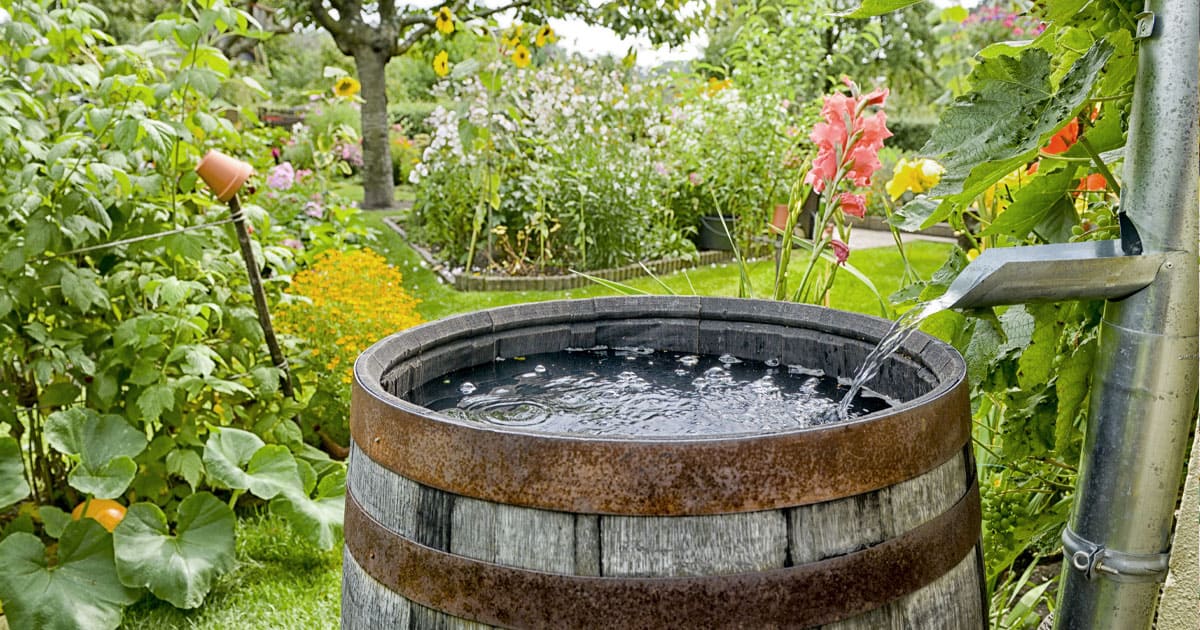
Using Rainwater Safely
To ensure the health and growth of your seedlings, it’s crucial to implement proper techniques for utilizing rainwater safely. Rainwater is highly regarded for its excellent water quality, being naturally soft and possessing balanced pH levels, making it an ideal choice for watering young plants.
However, to maximize its benefits without risking contamination, it’s essential to follow specific precautions.
Firstly, when collecting rainwater, ensure that the collection containers or barrels are clean and free of debris. This step prevents any pollutants from entering the water. Additionally, it’s advisable to filter the collected rainwater using a fine mesh or cloth to remove any impurities that may have settled on the surface.
Furthermore, make sure to use the rainwater promptly to prevent the growth of harmful bacteria. Stagnant water can harbor microorganisms that could harm your seedlings.
Tap Water Vs. Rainwater
When considering the hydration needs of your seedlings, the choice between tap water and rainwater significantly impacts their growth and overall health.
- Natural Softness and Balanced pH: Rainwater is preferred for watering seedlings due to its natural softness and balanced pH levels, which provide an ideal environment for plant growth.
- Chemical Content: Tap water may contain chlorine and other chemicals that can be harmful to delicate seedlings. Choosing rainwater over tap water can help avoid potential issues caused by these chemicals, ensuring optimal health for your plants.
- Additive-free Hydration: Collecting and using rainwater for seedlings provides a clean and additive-free hydration source. Rainwater is free of the additives and minerals often found in tap water, making it an excellent option for promoting healthy seedling growth.
Filtered Water for Seedlings
When caring for sensitive seedlings, using filtered water is a wise choice to avoid potential harm from chemicals present in tap water.
Filtering helps eliminate chlorine and impurities that could hinder the growth of delicate seedlings.
Benefits of Filtering
Filtering water for seedlings is a crucial step in ensuring their optimal growth and health. Here are three benefits of using filtered water for your seedlings:
- Removal of Harmful Chemicals:
Filtered water eliminates substances like chlorine and other impurities that can hinder the growth of seedlings. By providing a cleaner water source, filtered water promotes healthier plant development.
2. Maintaining Seedling Health:
Using filtered water helps in sustaining the vitality and longevity of seedlings. It offers a pure hydration source that’s essential for the overall well-being of the plants, supporting their growth and resilience.
3. Reduction of Risks:
Filtered water is gentler on seedlings compared to tap water, reducing the chances of negative effects from chemicals and impurities. This minimizes the risk of stunted growth or potential damage to the delicate seedlings, ensuring a more favorable environment for their development.
Opting for filtered water is a practical choice to provide the best care for your seedlings and promote optimal growing conditions.
Filtering Techniques
To ensure the optimal growth and health of your seedlings, understanding effective filtering techniques for water is key. Filtered water plays a crucial role in providing clean hydration free from impurities such as chlorine and heavy metals.
One effective filtering technique is using a carbon filter, which can help remove harmful substances present in tap water that may otherwise negatively impact the development of sensitive seedlings.
Additionally, reverse osmosis filtration is another method that can ensure the purity of water for your seedlings by filtering out contaminants at a molecular level.
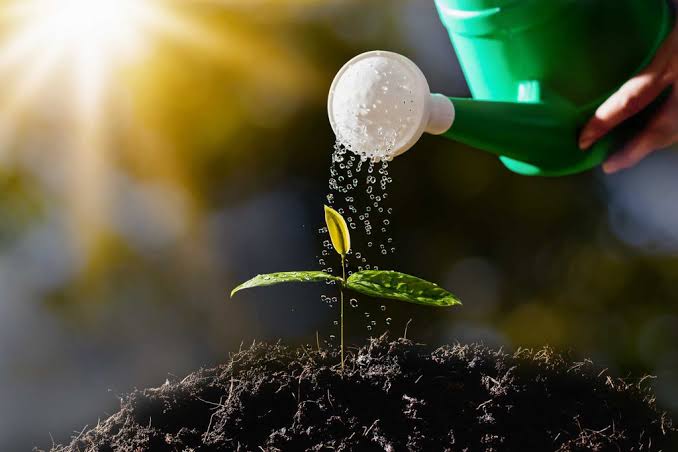
Softened Water Risks
Softened water poses risks to seedlings due to its high sodium content, which can disrupt the soil’s nutrient balance and hinder optimal growth. When considering watering your seedlings, it’s crucial to be aware of the potential drawbacks of using softened water:
- Sodium Accumulation: Softened water contains elevated levels of sodium, which can build up in the soil over time. This accumulation can lead to soil salinity issues, making it challenging for seedlings to uptake essential nutrients.
- Nutrient Imbalance: The sodium content in softened water can throw off the delicate nutrient balance in the soil. This imbalance can impact the availability of crucial minerals for seedling development, hampering their growth and overall health.
- Long-Term Effects: Continuous use of softened water for watering seedlings can have lasting negative effects on the soil quality. Over time, the lack of essential nutrients and the presence of excess sodium can impede the growth potential of your seedlings.
Bottled Water Considerations
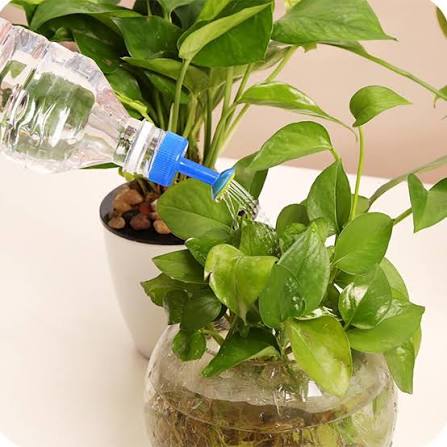
When considering bottled water for your seedlings, it’s crucial to pay attention to the types available and how they may impact the environment. Different bottled water brands offer various mineral compositions that can affect seedling growth differently.
Additionally, the environmental impact of using bottled water, such as plastic waste, should be taken into account when making your watering choices.
Bottled Water Types
Different bottled water types provide distinct benefits and considerations when watering seedlings.
- Spring Water:
Spring water is a popular choice for watering seedlings due to its natural mineral content, which can support healthy seedling growth and development.
2. Purified Water:
Purified water is free of contaminants and chemicals, making it a safe option for delicate seedlings that are sensitive to impurities present in tap water.
3. Mineral Water:
Some bottled water brands offer mineral water, which can provide additional nutrients and minerals that benefit seedling growth. However, be cautious with the mineral content, as excess minerals may harm seedlings in the long term.
When choosing bottled water for your seedlings, consider factors such as mineral content, purity, and potential benefits for optimal growth. While bottled water ensures consistent quality, it may not be the most sustainable or cost-effective option in the long run.
Environmental Impact Consideration
Considering the environmental impact of bottled water is crucial when evaluating its suitability for watering seedlings. Bottled water, often used for convenience, contributes to plastic waste generation. The production process of bottled water consumes resources, including energy and water, putting a strain on the environment. Plastic bottles from bottled water can end up in landfills or oceans, leading to pollution and harm to wildlife. When watering indoor plants like seedlings with bottled water, it’s essential to recognize the environmental repercussions of this choice.
To minimize the environmental footprint associated with using bottled water for indoor plants, consider opting for reusable water bottles or installing water filtration systems. These alternatives provide more sustainable options compared to single-use bottled water. Additionally, selecting eco-friendly packaging options or investing in water filtration technologies can help reduce the negative impact on the environment when nurturing your indoor plants with water.
Making mindful choices about the water source for your seedlings can contribute to a more sustainable approach to plant care.
Aquarium Water Benefits
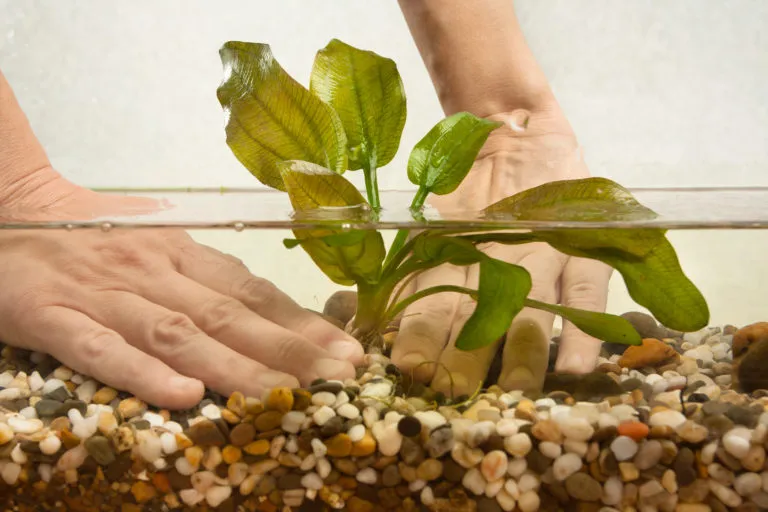
Aquarium water provides essential nutrients such as nitrogen, phosphorus, and potassium that are beneficial for seedling growth.
Here are three reasons why using aquarium water is best for your seedlings:
- Natural Fertilizer: The ammonia present in aquarium water can act as a natural fertilizer, supplying a readily available form of nitrogen to support healthy seedling development.
- Enhanced Soil Fertility: By incorporating aquarium water into your gardening routine, you can enhance soil fertility and promote microbial activity in the soil. This increased microbial activity aids in nutrient uptake by the seedlings, leading to robust growth.
- Organic Boost: The organic matter and beneficial bacteria present in aquarium water can provide a significant boost to seedling growth and overall plant health. These components work together to create a balanced ecosystem that supports optimal plant growth.
Incorporating aquarium water into your seedling care routine not only benefits your plants but also contributes to sustainable practices by recycling water and reducing waste.
Rainwater for Optimal Growth
Rainwater stands out as the ideal choice for nurturing seedlings, offering natural softness and balanced pH levels that promote optimal growth conditions. Unlike tap water, rainwater is free from additives and chemicals, making it the best water for plants. Its purity ensures that seedlings receive essential hydration without any potential harm or stress. Collecting rainwater also guarantees a nutrient-rich source for seedlings, supporting healthy development.
The softness of rainwater is particularly beneficial for delicate seedlings, as it helps prevent any damage that harsher water sources may cause. By utilizing rainwater for watering your plants, you provide them with a pure and gentle solution that can significantly enhance their overall health and growth.
Consider incorporating rainwater collection into your plant care routine to harness the natural benefits of this optimal water source for your seedlings’ well-being.
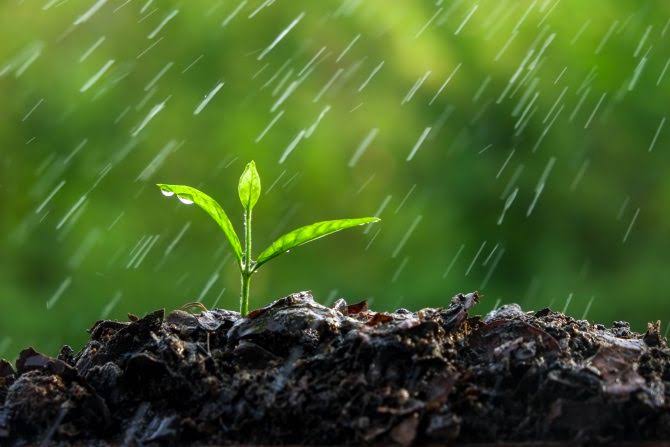
Nurturing Seedlings With Rainwater
To nurture seedlings effectively, utilizing rainwater is essential for providing the optimal hydration and purity needed for healthy growth and development. Rainwater stands out as a superior choice due to its natural softness, balanced pH levels, and lack of harmful additives commonly found in tap water.
Here are three reasons why nurturing seedlings with rainwater is highly beneficial:
- Natural Softness: Rainwater is gentle on seedlings due to its soft composition, which helps prevent damage to delicate roots and leaves, promoting overall plant health.
- Chemical-Free: Unlike tap water that may contain chlorine and other chemicals, rainwater is free from these additives, ensuring pure hydration that minimizes stress on seedlings.
- Environmental Sustainability: Collecting rainwater for nurturing seedlings not only benefits the plants but also contributes to sustainable practices by reducing water waste and minimizing the environmental impact of using treated water sources.
Best Water Choice for Seedlings
What water choice is optimal for nurturing healthy seedlings?
When it comes to growing plants successfully, the type of water you use can make a significant difference. Spring water is a top choice for seedlings due to its natural mineral content, providing essential nutrients for plant growth.
Distilled water is also excellent for seedlings as it’s free from impurities and chemicals that could harm delicate plants.
Rainwater, with its balanced pH levels and natural hydration, is another fantastic option for nurturing seedlings and promoting healthy root development.
While tap water can be used for seedlings, it’s advisable to let it sit overnight to allow chlorine to evaporate. Alternatively, filtered water is a suitable choice for watering seedlings, as it helps remove harmful chemicals that could hinder plant growth.
Conclusion
In conclusion, selecting the best water for your seedlings is crucial for optimal growth. Rainwater stands out as the preferred choice due to its benefits such as balanced pH levels, chemical-free composition, and softness.
By providing your seedlings with the right hydration, you can ensure their health and vitality. Consider using rainwater or aquarium water for the best results in nurturing your seedlings to maturity.